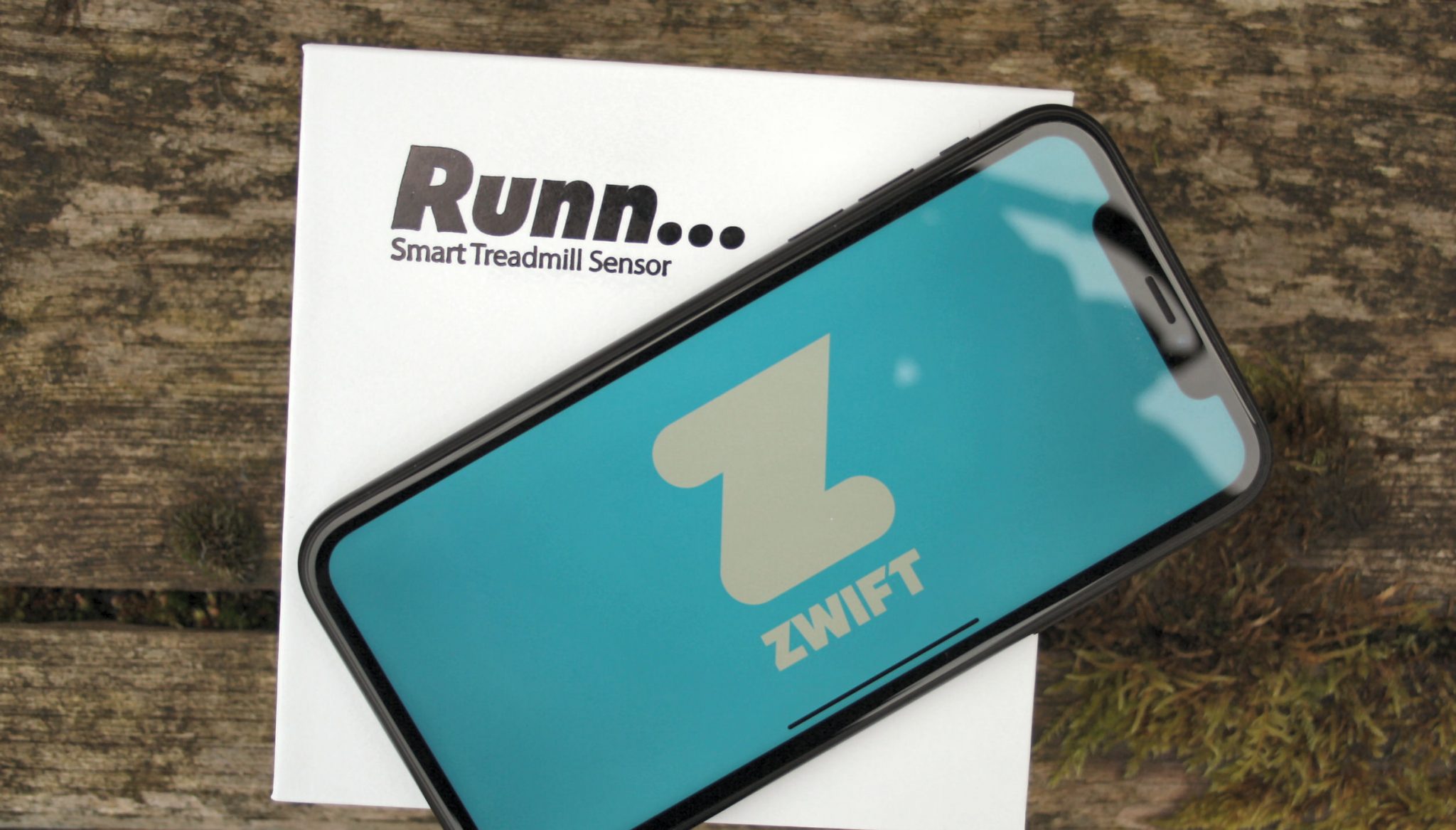
NPE Runn Review
Here is a review of NPE Runn, one of the decade’s best running accessories.
TL;DR – NPE Runn accurately tracks the belt speed of even the oldest of treadmills and broadcasts pace, cadence and incline to any modern sports app or watch like your Zwift app, your Garmin Forerunner 970 or the latest Apple Watch Ultra.
That’s the core of what you need to know, so grab an extra 10% discount directly from NPE Runn using the code THE5KRUNNER. If you want to read the detailed NPE Runn review, scroll down and enjoy!
This is a long review, so here’s a summary and link to an NPE Runn discount code if you decide to get one.
Summary
-
Price - 95%
95%
-
Apparent Accuracy - 95%
95%
-
Build Quality & Design - 90%
90%
-
Features, Including App - 85%
85%
-
Openness & Compatability - 95%
95%
Summary
NPE’s Runn is a well-designed, consumer-grade speed and cadence sensor for treadmills, and it is more accurate than the pace currently reported by your treadmill. Runn will not control treadmill resistance, which requires a smart treadmill, but it does the job that the majority of indoor runners need. It gives accurate speed, cadence and incline information throughout the run, and it does so in a way that your running watch or app records the stats cleanly. For numbers-focused runners, it completes the data history.
Runn works by tracking the progress of white strips fastened to the treadmill belt and by using an accelerometer to recognise foot impacts. It has two notable drawbacks: the white strips eventually come off, for which snow paint is the durable solution, and the cadence figure is not always precise, though most runners can live with that.
Pace accuracy is a more complex subject than it first appears. No treadmill reports a perfectly accurate running pace because it never correctly accounts for belt acceleration when both feet are in the air. Runn does not correct that error either, but it accurately accounts for almost every other source of error a treadmill display suffers from. NPE specifies factory calibration to within 0.1 mph at a 5 mph belt speed.
There is no direct alternative to Runn at the price. The nearest workaround is a Stryd foot pod, but Stryd only accounts for incline through its smartphone app, while Runn detects incline automatically. Apple Watch users gain a further benefit: through NPE’s heartbeatz Connect app, Runn streams speed, distance, incline and cadence to the watch while the watch returns heart rate into the same Bluetooth connection, removing the need for a chest strap.
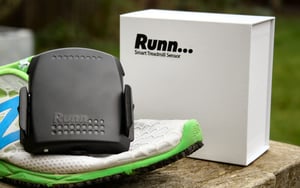
Runn slots into the way your existing apps and devices already work. There is no extra account or new app required from another company.
Price-wise it sits in the goldilocks zone: cheaper than a Stryd, more accurate and more capable than budget footpods, and a small fraction of the cost of replacing a treadmill.

Pros
- – Price, NPE could easily have charged more for Runn
- Straightforward setup and installation, a sensor that just works
- Broadcasts accurate belt speed, factory calibrated to within 0.1 mph at 5 mph
- Works with all standards-based sports equipment using ANT+, Bluetooth, FE-C and FTMS
- Apple Watch support built in through the heartbeatz Connect app, no chest strap required
- More accurate than the treadmill’s reported speed
- Calibration available to align Runn with other devices for consistency
Cons
- Cradle suits home treadmills, less practical in commercial gym environments
- Supplied belt stickers do not last indefinitely; paint is a durable solution
- Few apps and watches use the grade and incline data natively
- Cadence is not always precise
Skip ahead to the section that most interests you.
NPE Runn – What Is It?
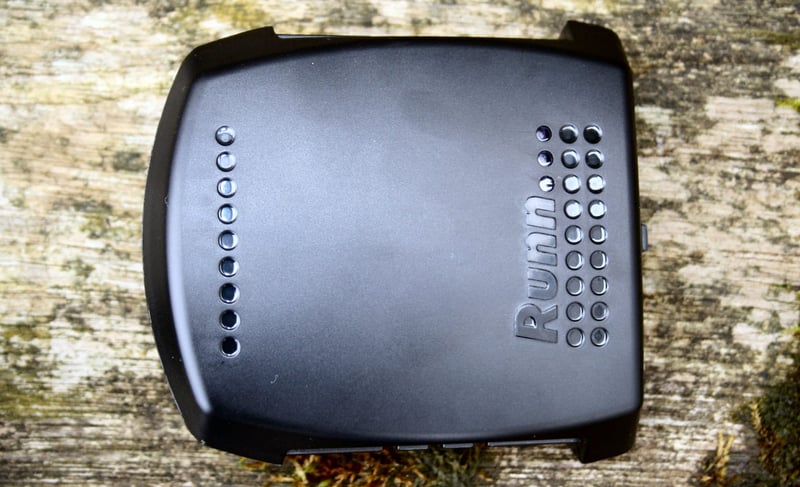
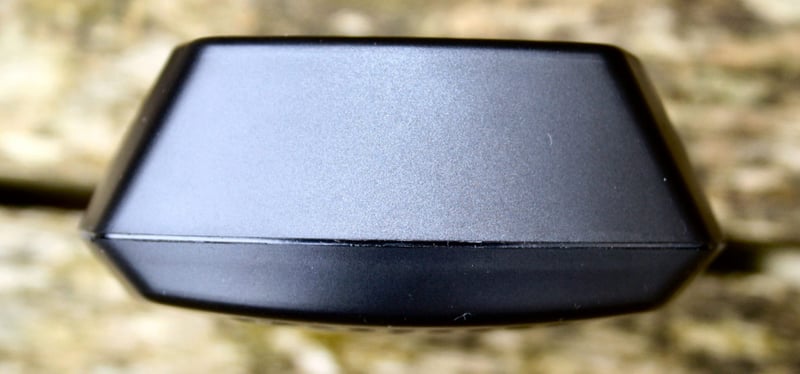
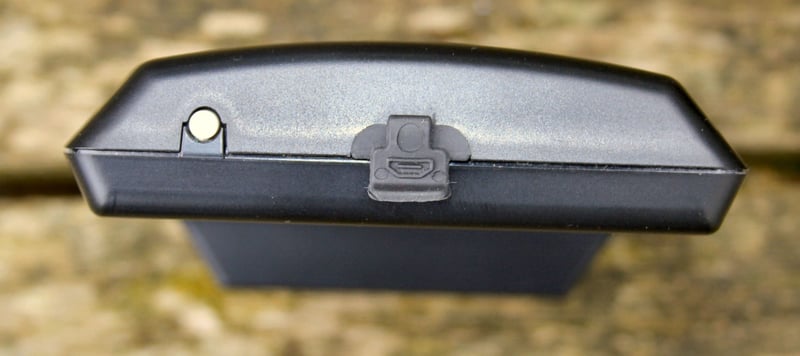
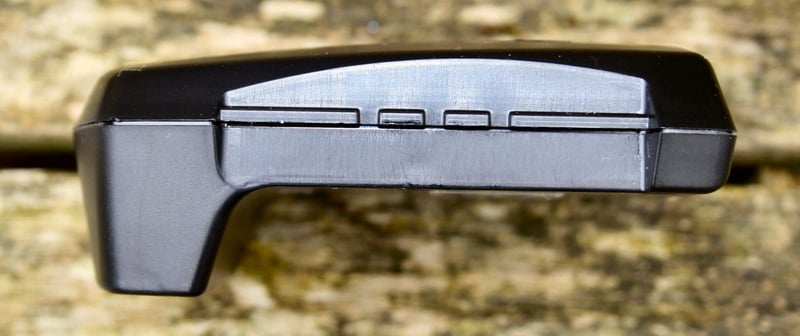
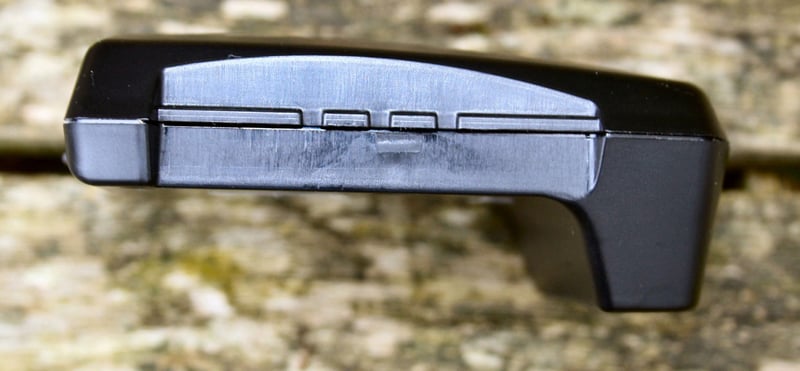
A running treadmill sensor converts the belt movements of a treadmill into speed/pace, and cadence, then broadcasts them as both ANT+ and BLE signals, along with the incline/grade.
At its most superficial level, this means that your Garmin and/or Zwift Run can display and record those signals from even the oldest treadmills.
NPE Runn – Who Will Buy This
The two most obvious classes of runners who will buy NPE Runn will be
- Zwift Run users
- Treadmill users who want speed/pace recording to the sports watch
Here’s a caveat aimed at sceptical runners in warmer climates: imagine fellow runners living in Canada or Sweden and the outdoor temperatures they must embrace for significant parts of the winter months. Many of them already have or use treadmills because of the weather. Treadmills are more widespread and important than you might imagine.
There are also two other classes of runners who will be interested in NPE Runn…gyms and accuracy hunters.
Professional GYMs – NPE Runn Review
SMART treadmills are expensive, and many gyms have already invested significantly in older treadmills. You would have thought that something like NPE’s RUNN is an easy route to transforming these legacy treadmills into smart treadmills. Unfortunately, I don’t think the product is ready for public, high-traffic environments.
- The cradle is permanently affixed to the treadmill and is a trip hazard in a health and safety-conscious world.
- The Runn could be quite easily stolen from its cradle.
- Even if permanently welded to a treadmill, it is the sort of product in a location that could be easily damaged by a careless runner who may not be as concerned about someone else’s property as they are about their own.
- The treadmills would need permanent detection markers on their belts
Of course, problems are just solutions waiting to happen and, in no particular order, our solutions might involve signing a Health & Safety waiver, paying a deposit and affixing a piece of velcro 😉
Although that thick piece of Velcro might put the Runn too far away from some treadmill belts. Hmmm.
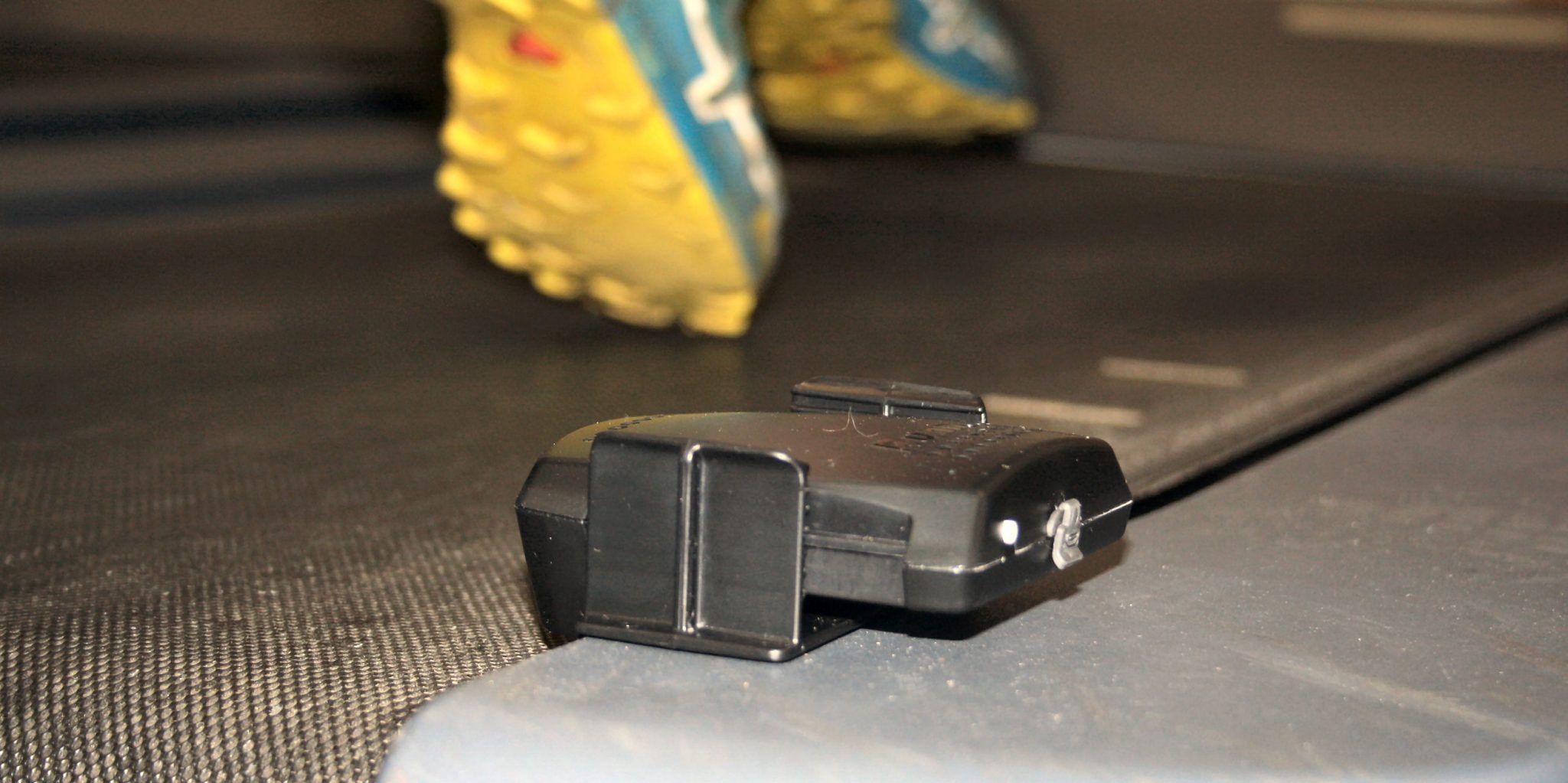 Runners seeking accuracy – NPE Runn Review
A whole book could be written about treadmill accuracy, and I’ll cover some aspects of it later. Still, everyone reading this NPE Runn review will likely already believe that our treadmills and the gym’s treadmills report the wrong speed. We probably occasionally think, “If only the gym would get the engineer round to calibrate it. Grrrr.”
Now, you can do it yourself easily.
- NPE’s Runn reports the belt speed/pace; you can easily calibrate it in about a minute.
- NPE also broadcasts grade/incline, which could add further meaning to the reported pace/speed (grade-adjusted pace).
In a hot gym on a cheap, bouncy treadmill, the reported treadmill speed nearly always underestimates the actual speed relative to the HR effort my body is expending. I am told that a further 0.5% incline above flat is required to mimic air resistance. Yet when I leave the gym, that same laboured heart rate could translate into a pace per km that’s 20 seconds better than on the treadmill. Maybe I should buy a fan? Or relish the sweat?…or calibrate the treadmill.
Multi-Treadmill Users
You may have a treadmill at home or use one at your gym during your lunch break. In a practical sense, it might be challenging for you to move your Runn (cradle) from one treadmill to another until the cradle is redesigned, assuming the treadmill owner is agreeable to you painting white marks onto their treadmill in the first place.
Aside from the cradle’s portability and white markings, there are no significant issues with calibrating multiple treadmills, except that the Runn cannot store different calibration factors for multiple treadmills.
NPE Runn Review – In More Detail
Now, let’s move on to discuss Runn in more detail, starting with what you get in the box.
NPE Runn Review – In The Box
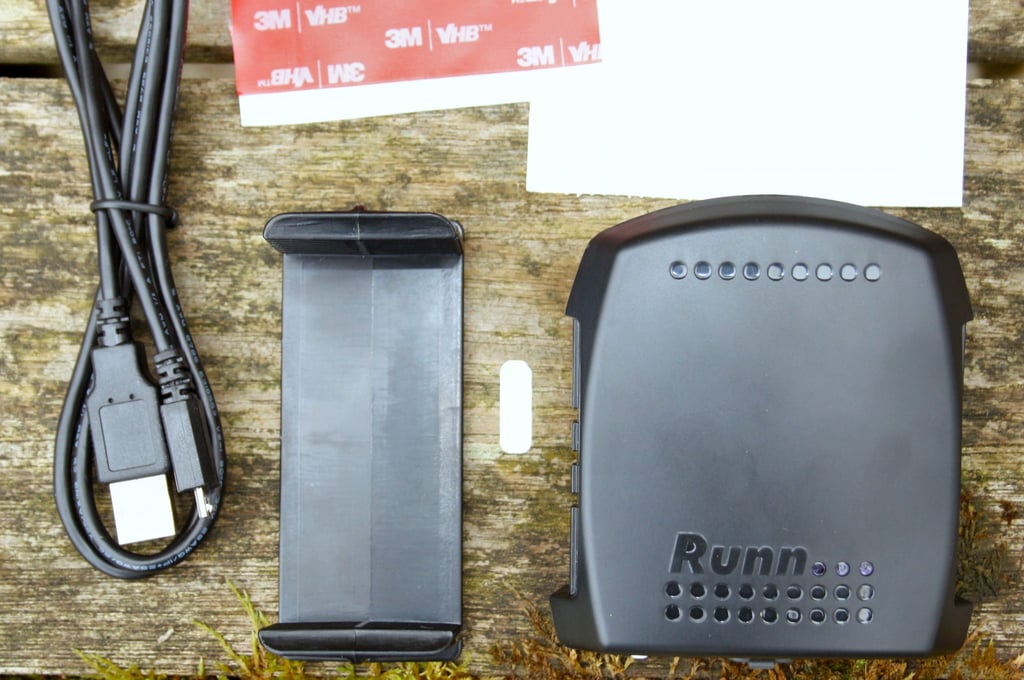
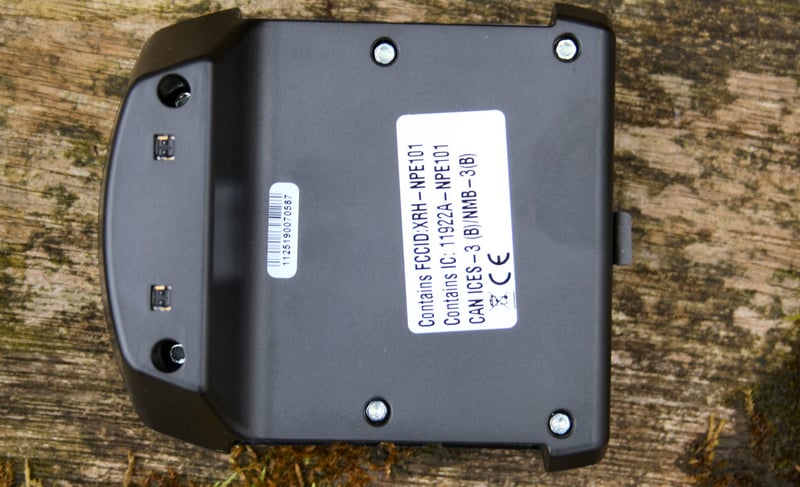
Yep, that’s it. The Runn enters the cradle, and the double-sided sticky tape fastens it to the treadmill. The stickers go on the treadmill belt, and the micro USB cable periodically charges the Runn. #Simple.
NPE Runn – Getting Started Basics
The distance between stickers does not determine speed: speed is determined by the time it takes one sticker to pass fully under Runn
The installation is a little more finessed than this, but in principle, this is what you do, and it’s FAIRLY EASY.
- Stick the cradle on the rear frame of your treadmill…not underneath!…rather, at the back. The front of the treadmill is also a supported mounting position if it suits your setup better.
- Stick 2 to 3 belt stickers on the belt under the Runn, spaced at least 18 inches apart.
- ( Turn on ANT+. Optional )
- Pair it.
- ( Calibrate it. Optional as Runn is supplied factory-calibrated)
- Run.
Here are seven indicative images of what you must do as part of the straightforward installation process. The only thing I’ve not mentioned, shown in the images, is that Runn needs to be adjusted to between 6mm and 12mm (0.25″ to 0.5″) above the belt.
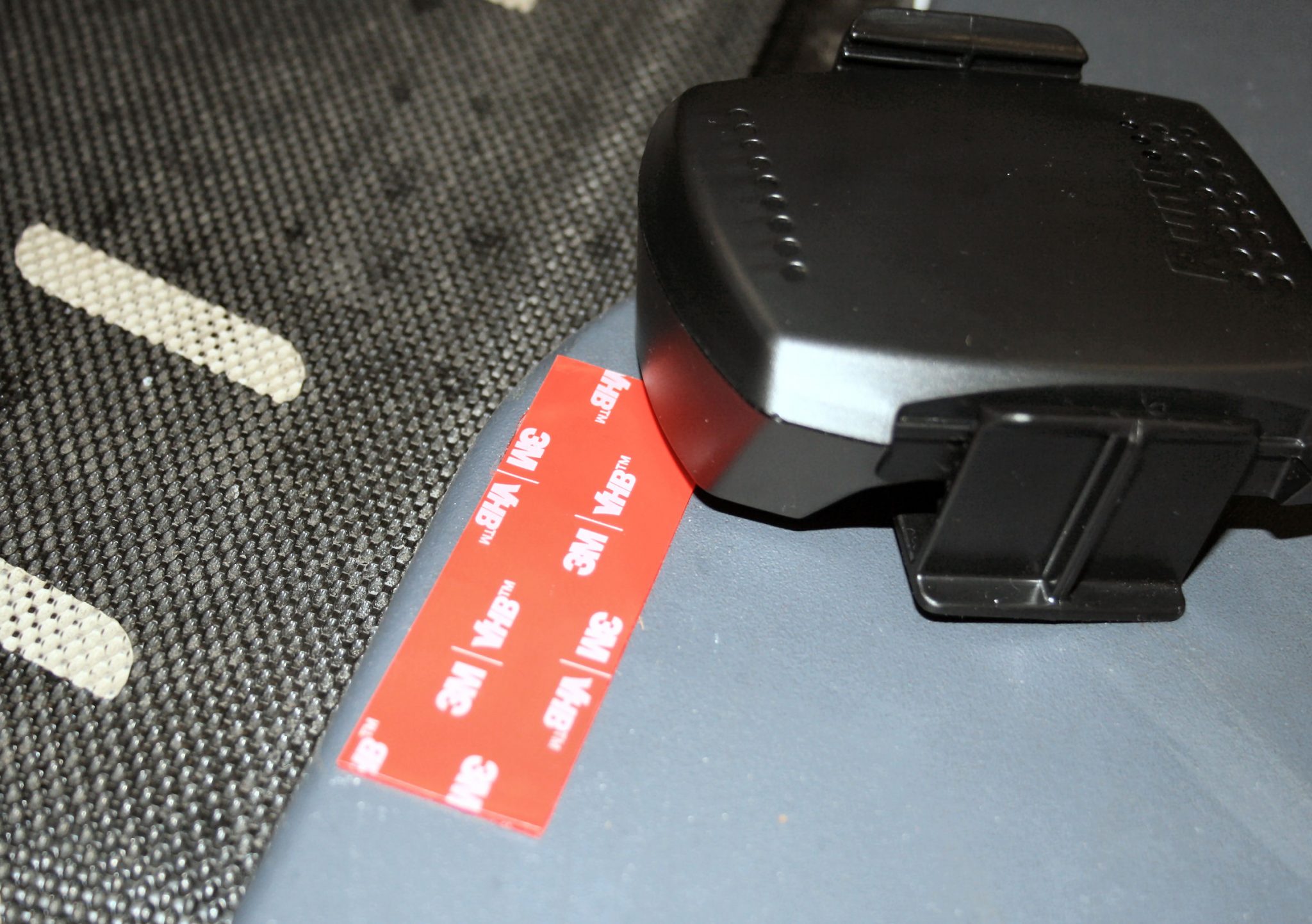
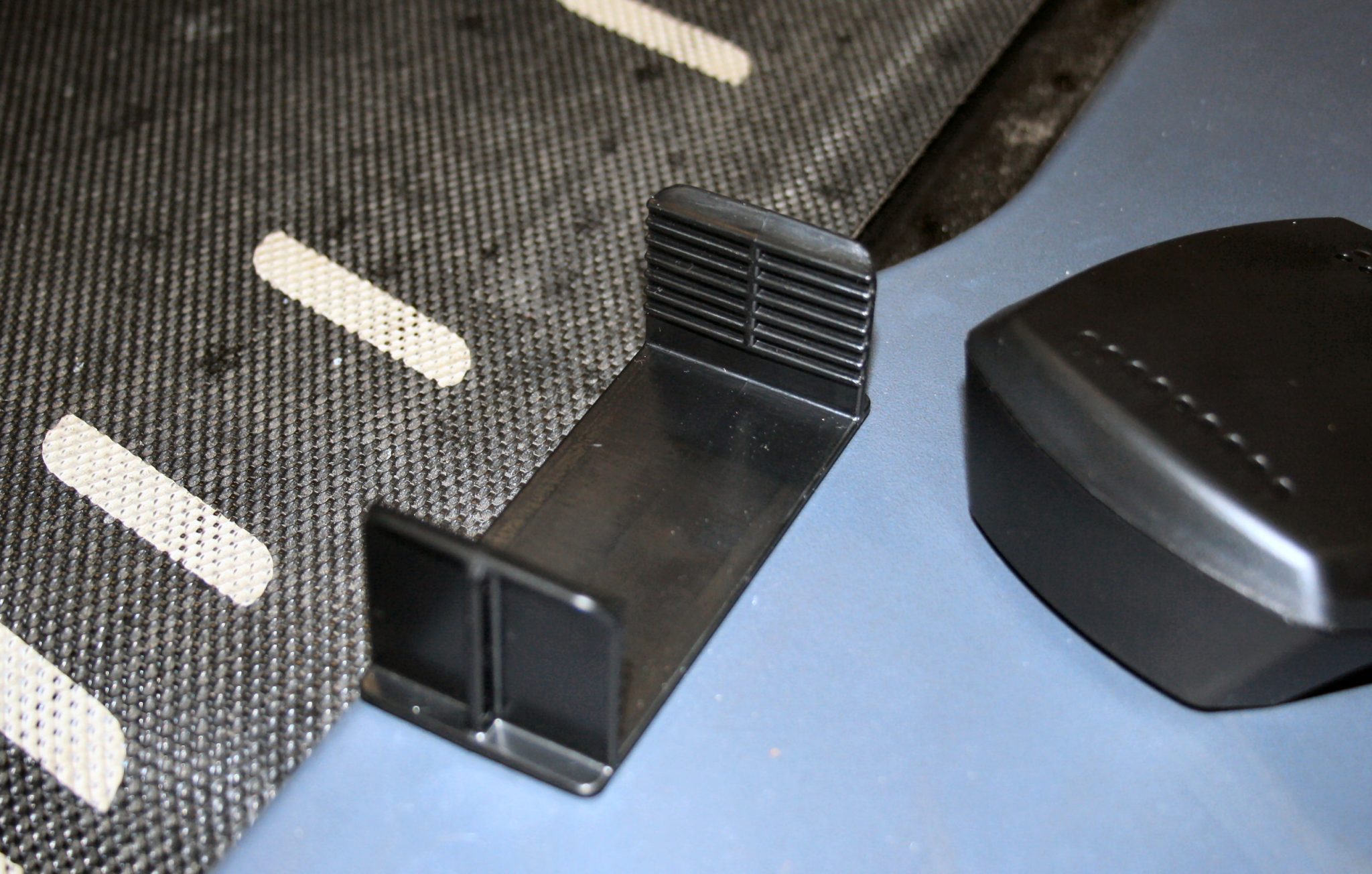
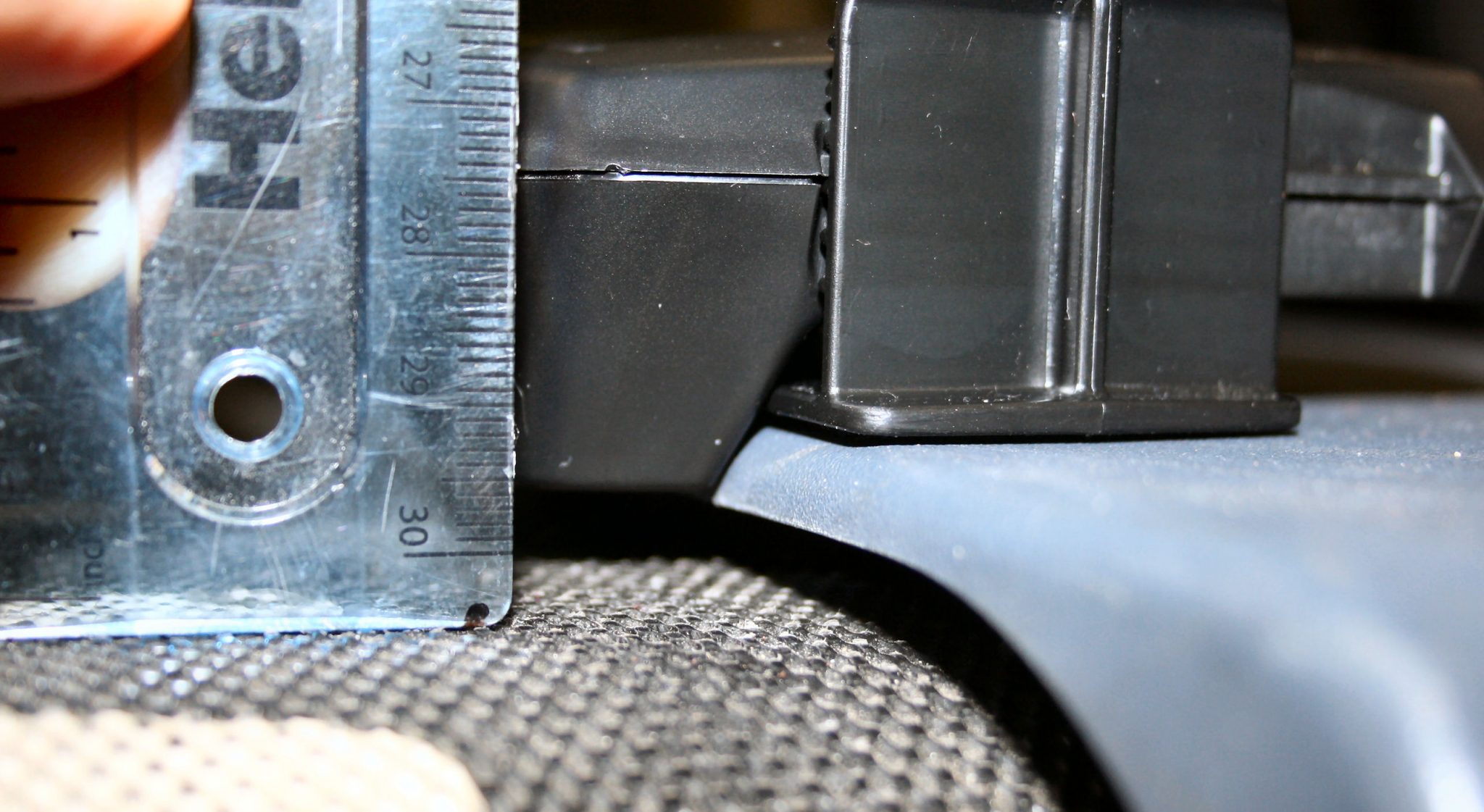
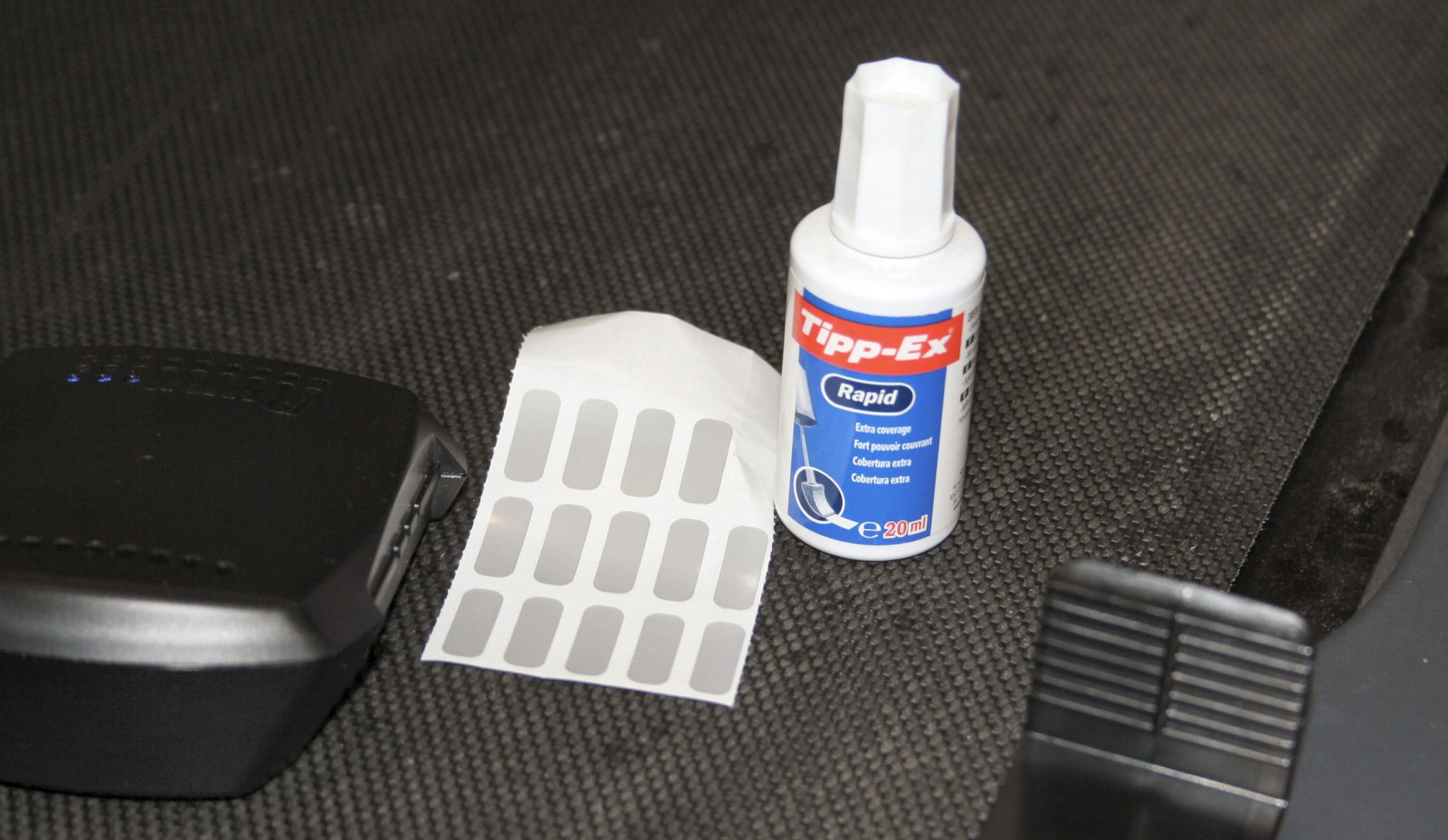
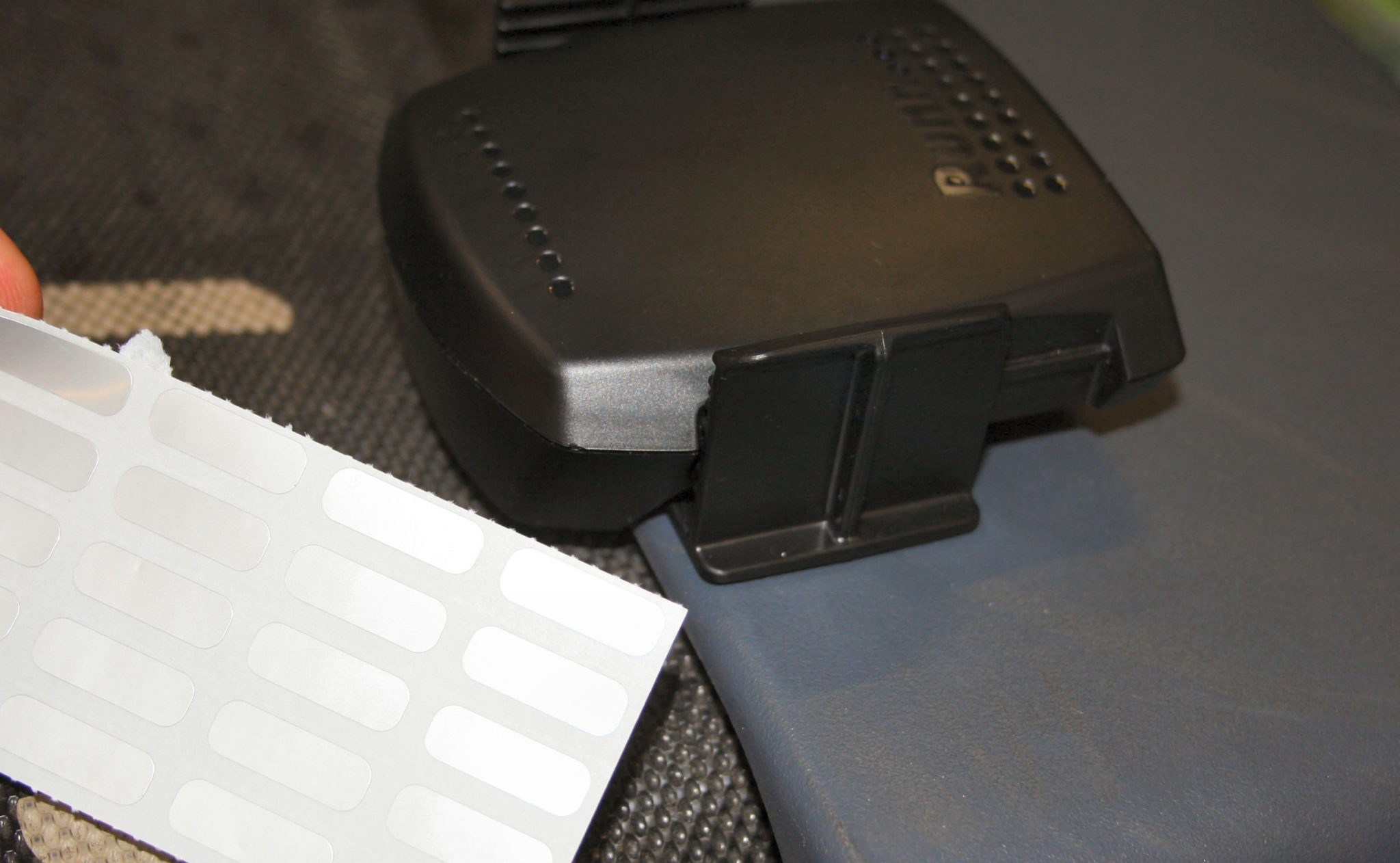
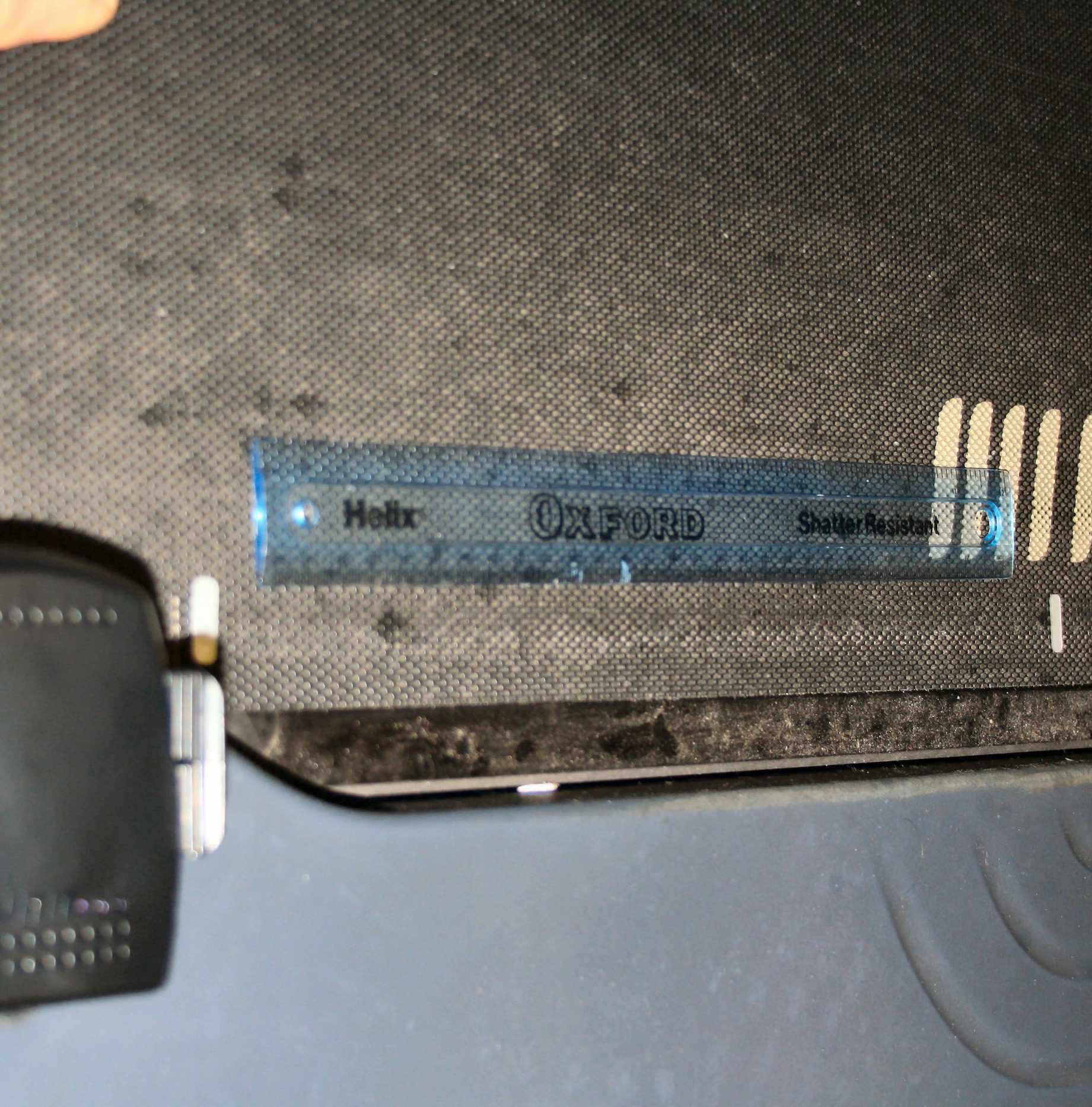
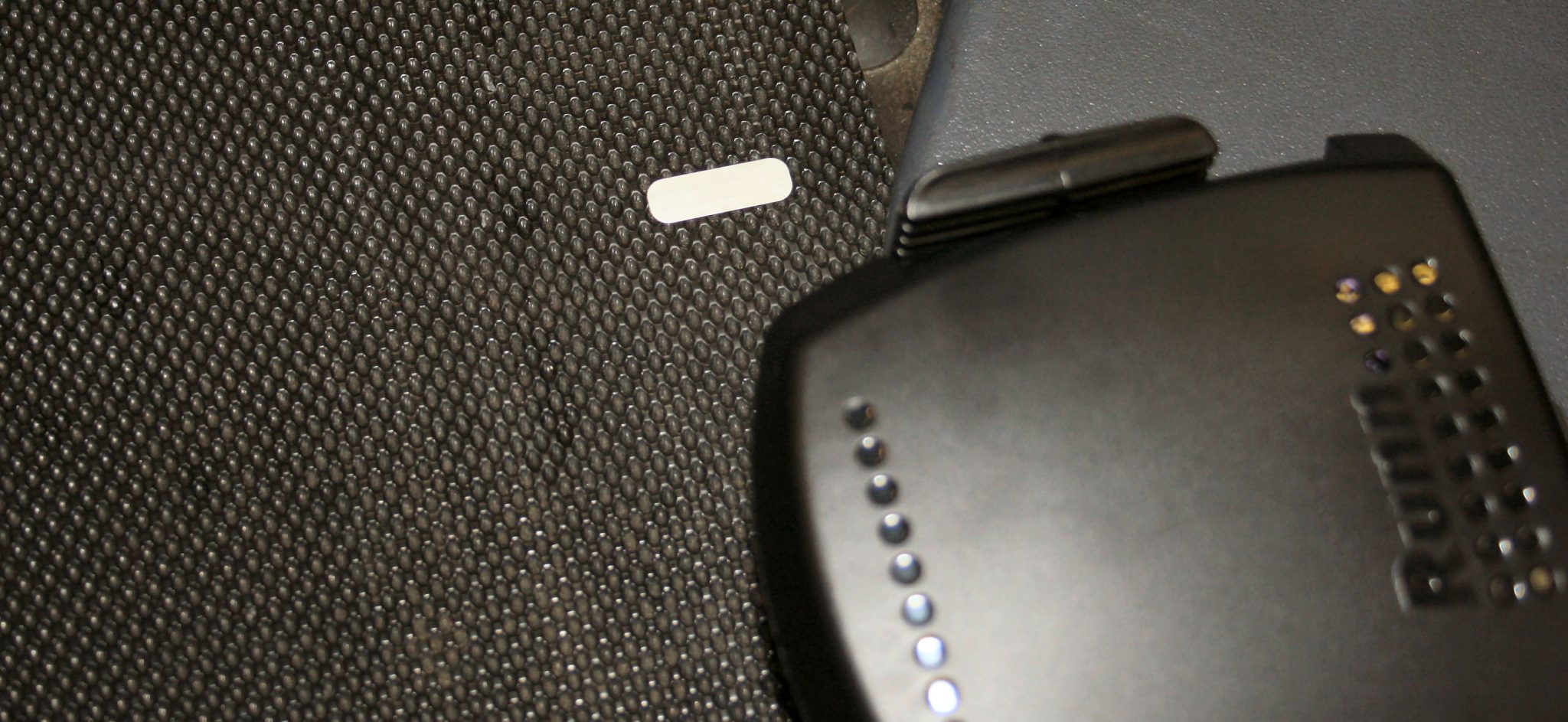
The double-sided tape that attaches the bracket to your treadmill is quite strong, and the bracket will withstand a significant impact before coming loose. However, the white belt stickers will have a relatively limited lifespan. I would estimate that the belt stickers will stay attached for 10s of KM rather than 100s. In the long term, things just aren’t going to stick onto a dirty, sweaty and contoured moving surface…aka a treadmill belt.
So you will probably fall back to using Tippex/WhiteOut/Snow Paint on your home treadmill, although a better solution might be to apply floor paint to a belt thoroughly cleaned with alcohol. Here is a template you can use for that.
The white stickers (or snow paint) are important. The time taken for EACH SINGLE sticker to pass the 3-inches from the start to the end of the Runn is what is used to determine speed/pace. So the more stickers you have, the more frequently the speed/pace is updated ie THE MORE ACCURATE IT WILL BE
Pairing To Zwift
Zwift users know what to do here. Pair and Go…super simple, but don’t calibrate Runn in Zwift.
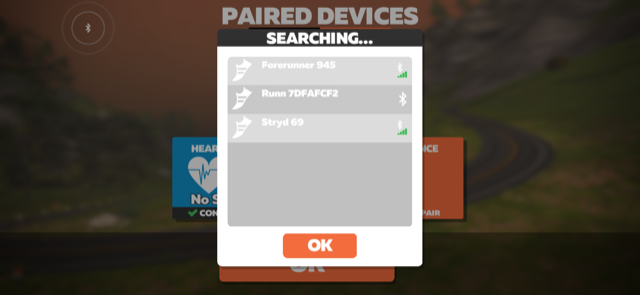
Pairing To Sports Watches
To enable/disable ANT+ broadcasting, double-tap the white button. You pair Runn as a footpod with your Garmin, Coros, or other ANT+ watches.
If you have Runn paired to Zwift, there are no spare BLE channels, and a BLE sports watch, like Polar or Suunto, will be unable to find the Runn device to pair to it. Conversely, if your Polar is paired with Runn, then Zwift won’t find Runn.
Pairing With Apple Watch
NPE has built Apple Watch support directly into Runn through its heartbeatz connect app. With an Apple Watch Series 2 or newer running the heartbeatz Connect app, Runn streams speed, distance, incline, and cadence to the watch, and the watch returns heart rate over the same Bluetooth connection that goes to Zwift or another training app. The combination removes the need for a separate chest strap when using the Apple Watch on a treadmill.
Transmitting, Displaying & Recording Treadmill INCLINE Data
Here is a link to more information on displaying and recording INCLINE data. Garmin users may already be familiar with downloading and installing a CIQ data field. You will see the incline on your watch and the recorded data in Garmin Connect.
Advanced Usage – Runn Factory Reset
Factory Reset: Press and hold the rear, white button to return to factory settings. The factory-calibrated level of accuracy is within 0.1 mph at 5mph and zero incline.
This is an important point. The factory calibration is correct. Or, at least, you should assume it is. You can do that if you want to calibrate Runn to be wrong, i.e., to match your treadmill’s displayed speed. I wouldn’t do that.
Here’s how…
Advanced Usage – Speed Matching Calibration
DO NOT DO THIS UNLESS YOU UNDERSTAND EXACTLY WHY YOU MIGHT NEED TO.
If, for the sake of consistency, you want all your TREADMILL, ZWIFT & GARMIN speed numbers to match, then perform a calibration of the NPE Runn before calibrating Zwift, like this…
- Complete the full physical installation and set the treadmill speed to 5mph (8.0465km/h) with a zero incline. There is NO NEED to run on the treadmill while this is happening.
- Double-tap the rear white button to turn on the right LED
- Single-tap the rear white button, and you will see alternating left and right LEDs as the white strip passes Runn
- Press and hold the rear white button for 6 seconds. The LEDs will alternate from left to right when calibration is active.
- Runn now automatically calibrates (the procedure doesn’t say that you need to run here, but I would have thought you should)
- LEDs will now turn off (If Runn is on mains power, this is not the case)
- Use Zwift/Garmin’s display to confirm that Runn is broadcasting a correct speed of 5 mph (8.0465km/h). If it’s different, then restart.
- Runn is now calibrated.
- Now calibrate Runn WITHIN ZWIFT. The Zwift app guides this calibration, and you can calibrate at three speeds relative to your running level.
Instead, relying on the Runn’s calibrated speed should mean that your watch and Zwift agree BUT your treadmill’s displayed pace may be different – that’s fine. That’s what you want, in my opinion.
NPE Runn Specifications & Settings
- Dimensions – 92 mm x 38 mm (3.6″ x 1.5″)
- Strip Dimensions: 0.25” x 0.75”
- Factory calibration accuracy: within 0.1 mph at 5 mph and zero incline
- Supports Bluetooth Smart & ANT+, more specifically:
- ANT+ supports the Stride Based Speed and Distance Monitor ANT+ Profile and the FE-C profile, which also incorporates incline
- Bluetooth supports Running Speed and Cadence, plus FTMS support
- Bluetooth is ‘always’ on. There is no on/off button
- Supported Incline Range – all physical treadmill incline/decline angles should work
- Battery Type – chargeable via micro-USB
- Battery Life – over 10 hours of running. A one-hour workout consumes approximately 5 to 6 percent of charge.
- Charge Time – approximately 1.5 hours from 0 to 100 percent
- Accelerometer: senses cadence
NPE Runn – LED Patterns
The LEDs give you some feedback on the device’s status
- Left LED – BLE is connected
- Middle LED – USB power active
- Right LED – ANT+ is broadcasting
- White Strip Detection – Left & right LEDs alternate as the strip passes under
- Calibration – All 3 LEDs perform the reverse sequencing pattern during active calibration.
- Factory Reset – All 3 LEDs perform the forward sequencing pattern when the button has been held long enough for the reset request to be activated (about 10 seconds). The pattern stays active until the button is released.
NPE Runn – Firmware Updates
Firmware updates are delivered over Bluetooth using NPE’s Configurez app for iOS and Android. Current firmware capabilities include:
- ANT+ cadence and incline broadcast independently of any active Bluetooth connection
- Refined strip detection to prevent data dropouts under specific conditions
- Bluetooth interface compatible with RunSocial and other FTMS-compliant apps
- Integration with the North Pole Engineering GymTrakr app
- Accumulated data zeroed when the Bluetooth connection is deactivated

Alternatives to NPE Runn
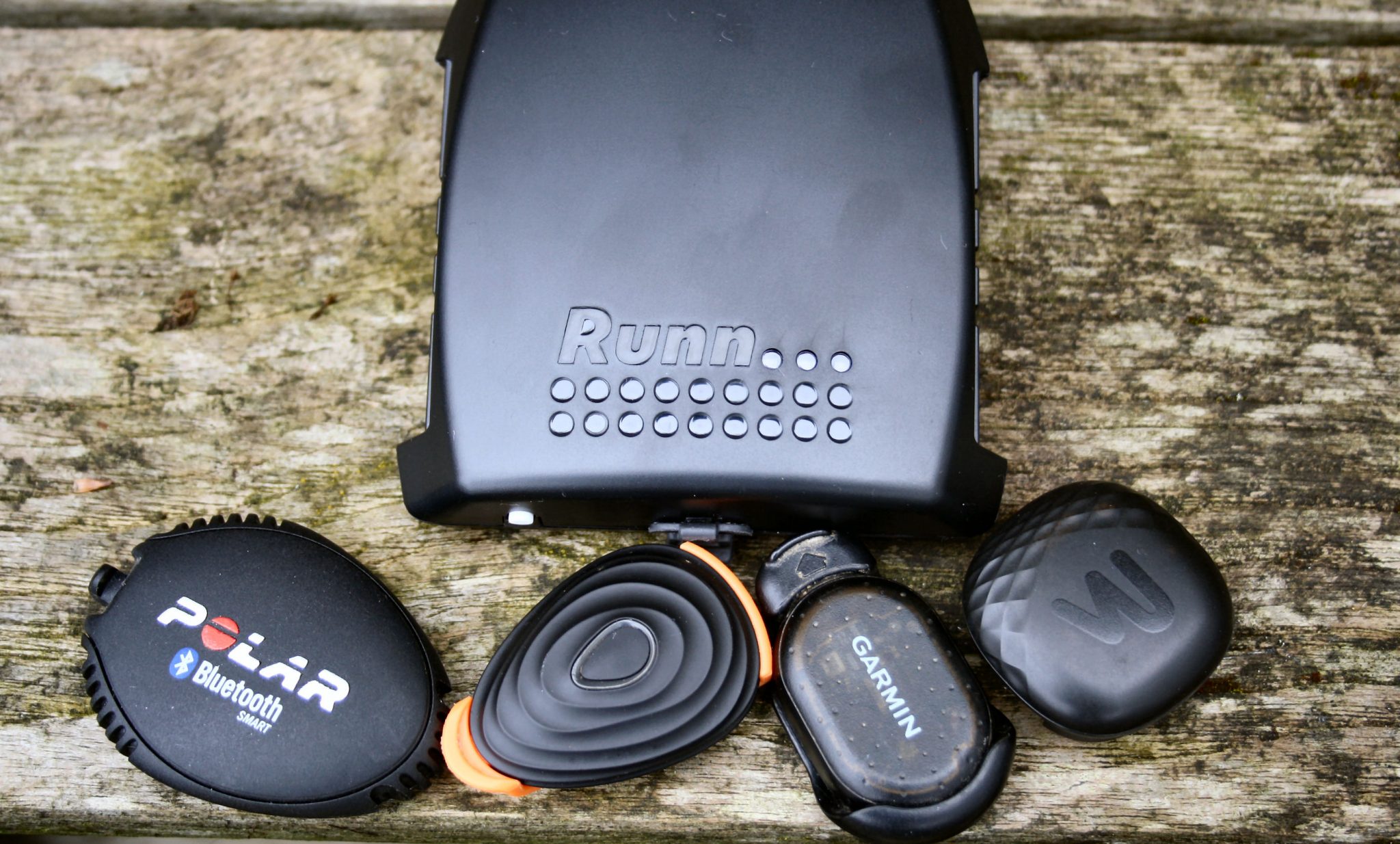
There are several alternative ways to get a treadmill or running speed while running indoors. It depends on what end-use you want an alternative for. Treadmill running speed can come from any of these.
- IF PRICE IS NO ISSUE AND YOU WANT THE MOST ACCURATE PACE AND/OR RUNNING POWER: Use STRYD – If you come here regularly, you’ll know I like STRYD, but it’s not cheap, although it gives you the benefit of running with the SAME power and speed indoors and outdoors. STRYD will broadcast pace/cadence over ANT+ and BLE, just like the NPE Runn. STRYD currently does not handle INCLINE, except through its app.
- IF YOU ALREADY HAVE A HIGH-END GARMIN: Use Garmin ‘Virtual Run’ mode – higher-end Garmin watches broadcast heart rate, speed and cadence to Zwift over Bluetooth.
- COST: Zwift (Milestone) Pod – This is a nice Zwift product, but it’s affordable, albeit sometimes fiddly to pair and keep working. It will not broadcast ANT+ to older Garmins, and only one device can use the BLE channel (i.e. Zwift), so it will never simultaneously support Zwift and your newer Garmin/Polar/app/Suunto.
- EXISTING FOOTPODS: Garmin run pod – These only work with ANT+, which means they won’t link directly to Zwift. You’ll need to buy an ANT+ dongle.
- EXISTING FOOTPODS: Polar Stride pod – This is BLE only. So, only one device can be paired, i.e. a watch OR Zwift. You could buy another NPE Product called CABLE, which converts a BLE signal into ANT+.
Of those five options, I would only recommend considering options 1 & 2…or NPE’s Runn!
Complications, Thoughts & Opinions
- STRAVA causes complications. You will get duplicates if you use Garmin and Zwift to each send workouts to STRAVA. The widely reported trick is not to save the data when you end the Garmin workout. I would have thought that messes up your Firstbeat physiology metrics. Instead, I would discard the Zwift workout, which would mean that STRAVA would not get a pretty picture of my workout route, and if you were to do that, it might also mess up any Zwift plan you have bought [IDK]. For a triathlete who is also syncing bike data from Zwift, I’m not sure I can think of a catch-all solution here, but for a plain runner, you just have to decide which link you want to cut.
- I ran with STRYD, and Runn and to broadcast workout stats. I can’t see the point of anyone else owning both of these devices, so just get either STRYD or Runn.
- Accuracy – If you want to increase Runn’s accuracy (responsiveness) slightly, then more white stickers will increase the sampling rate and the frequency at which any speed change is broadcast. That’s a good thing to do, but it will probably also be a fallback if/when one of the stickers falls off.
- Manual/Curved Treadmills such as the TRUEFORM RUNNER – Slowtwitch tested Runn on their TRUEFORM and found high accuracy from the RUNN.
- Several high-end Garmin watches can broadcast wrist heart rate over Bluetooth. Sending speed, cadence and wrist heart rate to a PC over Bluetooth allows Zwift to upload directly to Strava and Garmin Connect.
Treadmill Speed Accuracy
Q: Which speed do I want?
A: I’m not sure, YOU tell me. Here are your choices
- The displayed speed on the treadmill is the TARGET speed. Factors linked to the motor quality will mean that this IS different from your actual running speed
- Runn measures belt speed – The impact of the footstrike slows the belt speed (this is measured), and then the motor accelerates the belt at and after de-weighting at the toe-off time (the effect of this on the runner is INCORRECTLY measured). The speeding up when your feet are in the air (Source: STRYD) is recorded by the treadmill, but you don’t experience it as the runner.
- Actual running speed – this can only be measured by a footpod. My regular readers know what I will say next: “Get a motion capture device,” aka STRYD.
- Watches that use accelerometers on your wrist can be woefully inaccurate, even on flagship models such as the Garmin Fenix 7.
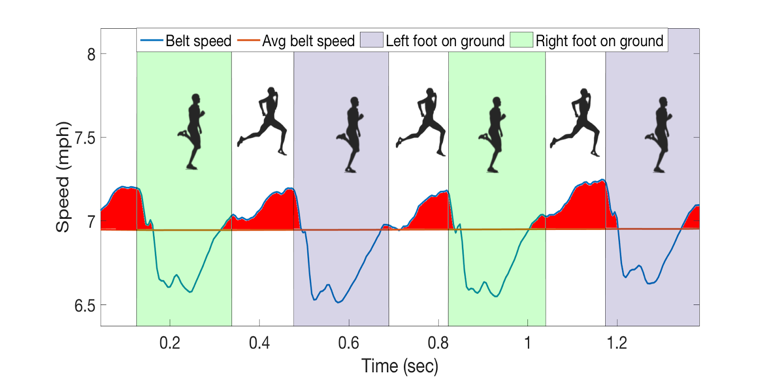
To have the treadmill-based speed mimic your outdoor speed is even more complex; for starters, just consider the incline, air resistance and energy return from the surface. ie a positive gradient and a bouncy surface will all make you slower, yet a lack of oncoming wind will make you faster.
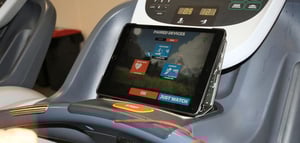
Accuracy Charts: I’ve got some data I might add back in here later, along with some more tests I have planned but at a simple level that is mostly pointless as I’m 99% sure that the Runn accurately reports treadmill belt speed.
If I start to look at Runn alongside STRYD data, perhaps incorporating a variable number of white stickers for Runn and then considering different inclines and other running pods, then it gets quite complicated, quite quickly. Even if I were to do that, I suspect that we shall see some developments in this general market fairly soon which will add even more new features to check out. #Undecided on what to do.
Futures – NPE Runn Review
Whilst I think the future of Zwift Running is relatively limited and that it will never catch on in the same way as it has for cycling, it is nevertheless a notable, growing and important market for running equipment suppliers. Even putting Zwift to one side, many of us want to capture our treadmill workouts from work gyms or hotel gyms as well as from a treadmill we might have at home.
Runn fills a gap in the sensor markets by EASILY acquiring treadmill data. But it can be even better, in my opinion, like this.
- IMHO, the product cradle needs to be rethought for the professional gym market.
- Incline/Grade is broadcast, but nothing has been done with it (yet!). This is AT LEAST crying out for a CIQ data field showing INCLINE.
- Incline/Grade – Zwift could also take this data from Runn and perhaps incorporate an alert to remind you to raise/lower your incline setting to match the terrain in Zwift. This has to be a manual mechanism, as there is no way for Zwift/Runn to automatically control the physical incline of your treadmill (unless you have a smart treadmill)
- Incline/Grade – could be incorporated into a CIQ app to generate a grade-adjusted pace with similar usefulness to power or effort.
- Incline/Grade – could perhaps be incorporated with other data like your weight and GCT data from your pod or HRM to give a power figure. But I’m not sure this would add anything over and above what you could get from grade-adjusted pace, e.g. power calculated in this manner could not be used on a device outdoors.
- Incline/Grade – perhaps this could be combined with data from the STRYD sensor to produce a more ‘correct’ power figure that considers grade.
- Ability to store treadmill calibration profiles. This would help runners who take their RUNNs to more than one treadmill, but it could also help gym owners who might rent them out to gym members by the hour without wanting to leave them permanently attached to a treadmill.
Want to also to broadcast heart rate from your Apple Watch? Then, also get NPE’s heartbeat. Do you want an old ANT+ power meter to broadcast power over BLE to Zwift? Then get NPE Cable.

NPE Runn FAQ
Does the NPE Runn work with an Apple Watch?
Yes. Via NPE’s heartbeatz Connect app, an Apple Watch Series 2 or newer records the treadmill workout directly while Runn supplies speed, distance, incline and cadence. Apple Watch heart rate is returned into the same Bluetooth connection that goes out to Zwift or another training app. The setup removes the need for a separate chest strap when using an Apple Watch on a treadmill.
Will the NPE Runn work with my treadmill?
The Runn works with virtually any motorised or non-motorised treadmill with a continuous belt. Belt movement is read optically rather than through the treadmill’s electronics, so compatibility does not depend on the treadmill’s age or brand. NPE publishes a supported treadmill list, and Slowtwitch confirmed accurate operation on a TRUEFORM curved manual treadmill.
How accurate is the NPE Runn compared with the treadmill display?
NPE states that Runn is factory calibrated to within 0.1 mph at a 5 mph treadmill pace. Independent testing by Slowtwitch using a measuring wheel showed less than two seconds per mile error at 8 minute per mile pace. In almost all cases, this is more accurate than the speed shown on the treadmill console, which is affected by motor drift and worn belt components.
Does the NPE Runn need calibration out of the box?
No. Runn ships factory calibrated to within 0.1 mph at 5 mph and zero incline. Calibrate Runn only if you want its reported speed to match your treadmill’s displayed speed for consistency between devices. Calibrating Runn to match an inaccurate treadmill makes Runn less accurate, not more.
Can the NPE Runn pair with Zwift and a sports watch at the same time?
Yes, but only when one connection is Bluetooth and the other is ANT+. Runn broadcasts on both standards simultaneously, so a Zwift session over Bluetooth on an iPad can run alongside an ANT+ pairing to a Garmin or Coros watch. Two Bluetooth connections cannot run at once, so a Polar or Suunto watch paired over Bluetooth will block Zwift’s Bluetooth channel.
How long do the belt stickers last and what should I use when they wear off?
The supplied stickers typically last for tens of kilometres before sweat, dust and friction lift them off the belt. For permanent marking, apply a thicker white paint such as Tipp-Ex, snow paint or floor paint to a belt that has been cleaned with alcohol. NPE provides a printable belt sticker stencil on its support site.
How long does the NPE Runn battery last per workout?
Battery life exceeds 10 hours of running. A one-hour workout consumes approximately 5 to 6 percent of charge. A full charge from 0 to 100 percent takes approximately 1.5 hours over micro-USB. Runn can also be left plugged in permanently.
Does the NPE Runn record incline on a Garmin watch?
Yes, with a Connect IQ data field installed on a compatible Garmin. Runn broadcasts incline over the ANT+ FE-C profile, and the CIQ field displays the value on the watch and writes it to the FIT file. Incline data appears in Garmin Connect once the activity has uploaded, though it does not populate the native elevation field for third-party platforms such as TrainingPeaks or Golden Cheetah.
NPE Runn versus Stryd, which should a treadmill runner choose?
Choose Stryd if running power and identical pace measurement indoors and outdoors are priorities. Choose Runn if accurate treadmill belt speed and incline are sufficient and value matters more than power. Runn measures the belt, Stryd measures the foot, so the two devices report different speeds for the same workout. Runn costs roughly half the price of a Stryd.
Does the NPE Runn work with non-motorised or curved treadmills?
Yes. Runn detects sticker passage optically and operates independently of any motor. Slowtwitch documented accurate operation on a TRUEFORM Runner with a segmented curved belt. The same installation rules apply, with stickers placed at least 18 inches apart on the belt.
Buy NPE Runn Discount, Price & Availability
Price: $89.99
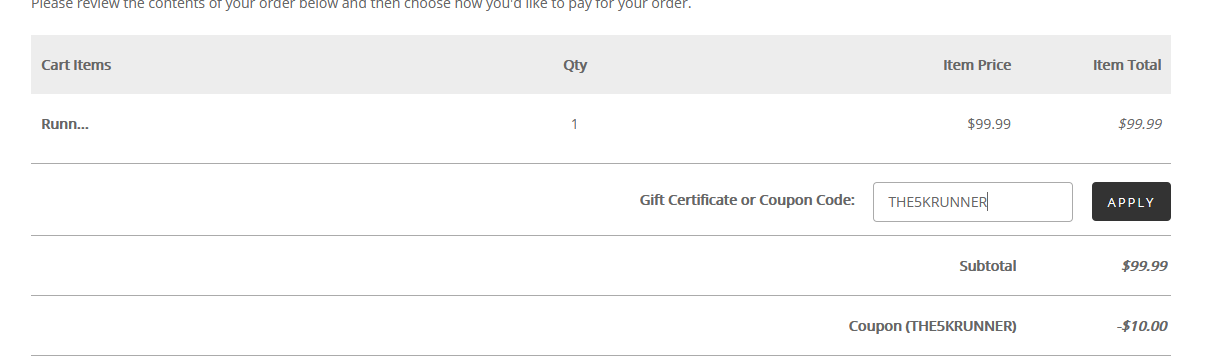
You can buy Runn directly from NPE in the USA for $89.99; all you need to do is add the 10% coupon code THE5KRUNNER for a discount at checkout.
NPE Runn Review – Summing Up
Summary
-
Price - 95%
95%
-
Apparent Accuracy - 95%
95%
-
Build Quality & Design - 90%
90%
-
Features, Including App - 85%
85%
-
Openness & Compatability - 95%
95%
Summary
NPE’s Runn is a well-designed, consumer-grade speed and cadence sensor for treadmills, and it is more accurate than the pace currently reported by your treadmill. Runn will not control treadmill resistance, which requires a smart treadmill, but it does the job that the majority of indoor runners need. It gives accurate speed, cadence and incline information throughout the run, and it does so in a way that your running watch or app records the stats cleanly. For numbers-focused runners, it completes the data history.
Runn works by tracking the progress of white strips fastened to the treadmill belt and by using an accelerometer to recognise foot impacts. It has two notable drawbacks: the white strips eventually come off, for which snow paint is the durable solution, and the cadence figure is not always precise, though most runners can live with that.
Pace accuracy is a more complex subject than it first appears. No treadmill reports a perfectly accurate running pace because it never correctly accounts for belt acceleration when both feet are in the air. Runn does not correct that error either, but it accurately accounts for almost every other source of error a treadmill display suffers from. NPE specifies factory calibration to within 0.1 mph at a 5 mph belt speed.
There is no direct alternative to Runn at the price. The nearest workaround is a Stryd foot pod, but Stryd only accounts for incline through its smartphone app, while Runn detects incline automatically. Apple Watch users gain a further benefit: through NPE’s heartbeatz Connect app, Runn streams speed, distance, incline and cadence to the watch while the watch returns heart rate into the same Bluetooth connection, removing the need for a chest strap.
Runn slots into the way your existing apps and devices already work. There is no extra account or new app required from another company.
Price-wise it sits in the goldilocks zone: cheaper than a Stryd, more accurate and more capable than budget footpods, and a small fraction of the cost of replacing a treadmill.
Pros
- – Price, NPE could easily have charged more for Runn
- Straightforward setup and installation, a sensor that just works
- Broadcasts accurate belt speed, factory calibrated to within 0.1 mph at 5 mph
- Works with all standards-based sports equipment using ANT+, Bluetooth, FE-C and FTMS
- Apple Watch support built in through the heartbeatz Connect app, no chest strap required
- More accurate than the treadmill’s reported speed
- Calibration available to align Runn with other devices for consistency
Cons
- Cradle suits home treadmills, less practical in commercial gym environments
- Supplied belt stickers do not last indefinitely; paint is a durable solution
- Few apps and watches use the grade and incline data natively
- Cadence is not always precise
Last Updated on 16 May 2026 by the5krunner
My favourite kit and nutrition
- Garmin Fenix 9 Pro — I’ve just bought one.
- Injinji – Runners protect your toes. Avoid discomfort and minor injury. Run more. Run faster. I use them.
- Garmin 90-degree charging adapter — A small keyring adapter you can use anywhere. Essential when away. I use one.
- Garmin charging puck — the fastest and most reliable way to top up your Garmin before a session. I use one.
- Ravemen FR300 — Front light that mounts directly under your Garmin or Wahoo head unit. Keeps your bars clean and your beam pointed where it matters. I use one.
- Body Glide – The blue anti-chafe stick that all swimmers and many runners use. I use it.
- Maurten — The race nutrition trusted by elite athletes. Gels and drink mixes engineered to be easy on the stomach. I use them.
- Garmin Varia RTL515 — A radar rear light that alerts you to vehicles approaching from behind. Pairs with your Edge or Wahoo. I use this model.
- Favero Assioma Pro RS2 — The power-meter pedals most serious cyclists choose. Accurate, easy to move between bikes. I use this model.
- Garmin Forerunner 970 — A serious choice for a pro-grade triathlon watch. I use this.
- Polar H10 — My daily driver for accurate, waking HRV readings.
- Wahoo ELEMNT Roam 3 — The bike computer that has the feature Garmin lacks: usability. I use mine on most rides.
Reader-Powered Content

This content is not sponsored. It’s mostly me behind the labour of love, which is this site, and I appreciate everyone who supports it.
Support the site: Follow (free, fewer ads) · Subscribe (paid, ad-free) · Buy Me A Coffee ❤️
All articles are written by real people, fact-checked, and verified for originality. See the Editorial Policy. FTC: Affiliate Disclosure — some links pay commission. As an Amazon Associate, I earn from qualifying purchases.
tfk is the founder and author of the5krunner, an independent endurance sports technology publication. With 20 years of hands-on testing of GPS watches and wearables, and competing in triathlons at an international age-group level, tfk provides in-depth expert analysis of fitness technology for serious athletes and endurance sport competitors. ID

Also using the Runn, I have a question:
When you calibrate the Runn manually, it will be in sync with the display of the treadmill and copy the error of the treadmill? I mean, you set the Mill to 5mph and it will do its (wrong) thing. Then you tell the Runn that this is meant to be 5 and not 5.2 mph?
I use velcro underneath the cradle, it works fine. The cradle is designed to be able to lower the sensor area beneath the cradle zero.
At last, their support said something about Cadence via ANT+:
“Hi,
We are aware of an issue with cadence not reporting via ANT+, and we are working on an update to solve that! In the meantime, there are two workarounds that you can do to get cadence and incline:
Use Zwift Companion App
Connect your Runn to an app like Gymtrakr via Bluetooth at the same time as using ANT+ with Zwift or other ANT+ channel
We will post about the update on our social media pages like Facebook, Instagram, Twitter, and LinkedIn. We will also send out an e-mail to our Runn subscribers list.”
yes you calibrate Runn IF YOU WANT IT TO BE WRONG. ie if you want it to MATCH THE TREADMILL. I will reiterate that important point in the review as no-one (me included) is clear about this, thank you for bringing that up
glad to hear the velcro works
i await the cadence resolution (and thank you for rasing that, i wasn’t aware)
Runn also stated in the comments under Rays review they will sell extra cradles.
When Im rid of my influenca I just carry around, I will connect the Runn via BT to my Forerunner 945. Via ANT, it looked like this:
https://connect.garmin.com/modern/activity/4507192653
I saw it already while I was running because Cadence in the Zwift display dropped out.
Beside the Cadence issue (I think they will solve it), its a nice “just works” device. I don’t think the cradle is a problem in gyms, just tape it with velcro and store cradles and devices at the counter. Only a few customers can make use of it (when I look at all the people walking on the mills in our gym) and those will ask. The button could have been a better piece of hardware, it just feels cheap.
Also, their Support is fast and super friendly.
144 steps/min…too low. yes i assume you are 180 or so from some of the sections of that run
cadence comes from an accelerometer, so they just have to get the algo right assuming the electronics are decent.
yes i agree with the velcro plus store behind the counter for gyms
thankyou, yes i saw they sell extra cradles.
I have been using a STRYD on my treadmill for a year, and I hate the way it measures (or it doesn’t) speed. I have a pretty good treadmill which I tested using a measuring wheel, and STRYD speed doesn’t make any sense at different speeds (after calibration). I just installed a Runn out of the box without calibration or anything and the speed is perfect! either at 0.5mph or 12mph! I am so impress with this product, or so disappointed with the more expensive STRYD…
I have the same feeling than you Xavier, I’ve been running on my treadmill a months ago with my stryd and the readings I’m getting from it are quite different than outside.
I know that outside my stryd is well calibrated. I did some tests on a track field I have near home and it reads for each loop between 400 and 401 m.
But inside is different the feeling on my treadmill are distinct. When I run at a very easy pace (5:45 min/km) outside my heart rate is always in Z1 (130-135ppm) but inside at the same pace returned by stryd my heart rate is quite higher (150-155) and also the sensation I feel on my legs and body are that I’m running at a higher pace.
How does this compare to the data provided by a Garmin Tri band in terms of pace and speed? What would happen if I use both at the same time?
hi
you can only have one source
RUNN will be more accurate, potentially MUCH more accurate
So, if I’m not misunderstood you If I want the more accurate and real speed and pace I should NOT calibrate runn, right?
Currently, I’m running on my treadmill with my stryd but like Xavier comments I have the feeling that the speed and pace are not correct. I mean, at the exact same power running on the treadmill it’s supposed that I’m running almost 1 minute per kilometer slower.
I just want to have the same feeling running on my treadmill than outside. If I run at 6 min/km I would like have the same feelings than outside. I’m aware that in the treadmill there are other factors like that you don’t have wind that I’m try to cover with a couple of fans.
PD. sorry for my English
assuming you have the correct gradient: wind will be a very small factor in terms of air resistance HOWERVER the temperature may be more of a factor a hotter temperature might mean your body has to work harder at a given speed.
try pacing your effort by heart rate and see what happens
if stryd and runn agree then it is highly likely they are correct.
When I was referring to wind I would say hot. Of course running on inside will generate more body temperature.
Right now, with my stryd at the same power inside I’m having about 10-15 ppm more than outside. That is the reason that I just wondering if my stryd is not properly accurate for the treadmill (outside I test it on a track and the distance is perfect)
So to sum up, to have the REAL speed and pace I should not recalibrate the runn right?
NPE Runn – Getting Started Basics
The actual installation is a little more finessed than this but in principle, this is what you do and it’s FAIRLY EASY
Stick the cradle on the rear frame of your treadmill…not underneath!…rather, at the back.
Stick some bits of white tape on the belt under the Runn, >12″ apart. The more the merrier
( Turn on ANT+. Optional )
Pair it.
( Calibrate it. Optional as Runn is supplied factory-calibrated)
Run.
Without entering the belt length of my treadmill, the Runn sensor cannot accurately report speed. It is set on a factory treadmill which may have a different belt lenght than mine. So in reality there is no way to calibrate the Runn sensor.
that’s why you have the white stickers
Hi, I do 90% of my runs on treadmill. I use STRYD for power and speed accuracy. Speed accuracy indoors will vary from treadmill model. I have noticed that the more cushioned treadmills give less accurate readings compared to STRYD speed readings. Like you said, perceived effort and heart rate do not match when comparing outside paces with indoor running. What I did is calibrate manually my STRYD Foot Pod 4% faster (That’s around 14 seconds faster than factory calibration) and it then matches pretty close perceived effort and heart rate compared to outside pace.
Now, I started using NPE Runn and found that factory calibration has a bigger gap between STRYD factory calibration. In my case the speed is around 20 seconds faster than STRYD factory calibration. So which is more accurate NPE Runn or STRYD? Probably NPE Runn as the new approach of measuring belt speed sounds more and solid and logic.
it measures belt speed accurately BUT does not accurately measure the EFFECT of the acceleration after toe off and before next impact e.g. a powerful motor might get the belt up to the target speed more quickly