London Marathon Ballot to Finish Line: Everything a First-Timer Needs to Know
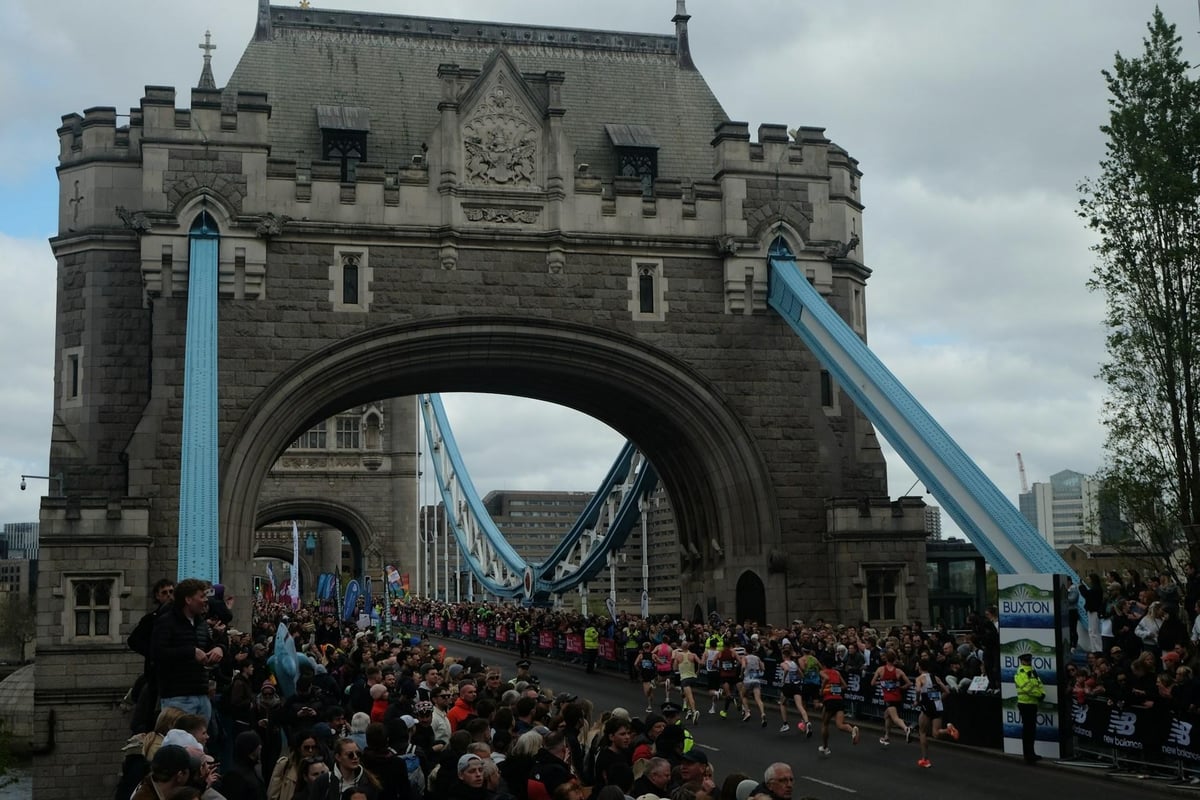
London’s biggest sporting event of the year is only two weeks away, as more than 50,000 runners prepare to tackle the London Marathon 2026.
Kicking off in Blackheath and Greenwich Park, elite athletes, charity fundraisers, and a costumed crowd will journey 26.2 miles through the capital while the city itself falls into full support mode.
Roads shut, barriers go up, and thousands of volunteers and spectators line the route, turning the Marathon into a rolling festival of noise, colour and community.
At the start line, the atmosphere will be electric. Former Arsenal and England captain Tony Adams, cycling royalty Dame Laura Kenny and award‑winning actors Cynthia Erivo and James Norton will join the buzz around the grid, adding a touch of star power to a day already dominated by the world’s fastest distance runners.
In the elite field, names like Sabastian Sawe and Jacob Kiplimo are expected to chase records and headline the free bets offers that spring up around the race, turning each kilometre into a high‑stakes spectacle.
But for all the pace, prize money, and hype, the London Marathon is also about something simpler. You.
The first‑timer in a charity T‑shirt, the runner whose only goal is to finish. The average Joe who’s spent months getting up early, logging miles, and slowly, stubbornly, building the fitness to cover over 26 miles.
The truth is, everyone should try to run a marathon at least once in their life, not to prove anything to the world, but to test their own limits of endurance, discipline, and personal pride.
A first‑timer’s London Marathon journey runs from the moment you enter the ballot to the moment you raise a well‑earned pint. This walkthrough gives you the full picture, step by step, with practical detail and the emotional rollercoaster you can expect along the way.
Enter the ballot properly.
The TCS London Marathon public ballot is genuinely competitive, so treat it as one route, not your only route. If you miss out, explore charity entries, Good for Age qualifications or club and affiliate routes depending on your background and pace.
Having a backup plan stops you from feeling finished if the ballot doesn’t come through. Charity entries are the most common alternative and often the most rewarding, giving you both a place in the race and a cause to run for that carries you through the hardest training weeks.
Fundrasing
Charity fundraising is as much about storytelling as it is about distance. Set up a clear JustGiving or similar page, share a short note explaining why you’re running, and use a few touchpoints, such as a launch message, a mid‑training update, and a final push the week before race day.
Match a training plan to your lifestyle.
Pick a plan that fits your lifestyle, not your ego. A first‑timer usually thrives on a 16 to 20‑week plan that builds mileage gradually, with three to four runs per week, one long run, one zone‑two or tempo session and rest or easy cross‑training.
If you’re busy, a plan that keeps your weekly mileage at a manageable level beats one that pushes you into injury territory. Consistency matters more than Strava flexing.
Choose and test your race shoes.
Comfort and fit come before tech. That means trying on shoes in the shop, doing a few easy runs, and then a long run in your shortlisted pair.
If you’re unsure which shoe class suits you, consider a gait analysis, either in a specialist running shop or via a physio or running coach. Check your technique and what will best help mould your feet.
For a fast, flat course like London, many runners choose between a neutral daily trainer like the Nike Pegasus, Brooks Ghost or Hoka Clifton for a soft, forgiving ride. Another option would be the carbon‑plated race shoe, like the Nike Alphafly or Asics Metaspeed, if you’ve already run in that style and can handle the stiffness.
There’s no outright ban on carbon plates for marathons in the UK. The issue is performance‑enhancement rules from World Athletics, but you’ll be fine with them.
Race‑week admin
Plan everything. If you’re coming from outside London, staying in a hotel the night before reduces last‑minute stress and lets you control your sleep, food and pre‑race routine.
Check your start pen and zone, bag‑drop and timing‑chip rules and also bib collection windows, so you know where and when to be.
Understand the course
The London Marathon is famously fast, running right to The Mall, but it’s still a point‑to‑point test of endurance and pacing discipline.
Sheltered early miles can tempt you to go too fast, while the long, straight stretches later, especially around Canary Wharf, can feel mentally draining even if they’re not steep.
Study a mile‑by‑mile guide, so you know where the landmarks are and where the course bends or straightens.
Nail hydration, gels, and carb‑loading
In the 24 to 48 hours before the race, consciously carb‑load to fill your glycogen stores. This doesn’t mean gorging; it just means steadily increasing your carbs.
During the race, many first‑timers adopt a simple pattern of gels or energy chews every 30 to 45 minutes, starting between the fourth and sixth mile with small sips of water or sports drink at every aid station without over‑drinking. Practise your exact fuel and fluid protocol in training so your gut is used to it.
Prepare for ebbs and flows.
The London Marathon’s wall is just about survival on your first go. The stretch around Canary Wharf, roughly miles 18 to 22, is where many runners feel the fatigue most.
The course can feel repetitive, the early crowds thin out a bit, and the distance starts to register. Avoid going off too fast thanks to crowd adrenaline. Stay controlled and take in the landmarks.
Run a smart finish
The final miles are where ego and emotion often clash. It’s easy to surge when you hit The Mall, but if you haven’t paced well, you can blow up. If you’re determined to sprint, keep enough gas to push over the last 100 to 200 metres. That’s the bit your photos and finish‑line video will remember.
Final thoughts: Just enjoy it
Celebration is part of the marathon contract. You’ve earned it. Once you’re feeling stable, you can crack the beers, dig into burgers, pizza, cake or whatever you promised yourself.
A nice first‑timer tradition is to take a post‑race photo with your medal, a pint and a slice. It’s visual proof that you did it.
The Marathon is a test, a celebration, and a personal triumph rolled into one Sunday morning. The elite field will chase records, the celebrities will wave to cameras, and the bookies will settle their markets, but the real story is the one you write yourself. From the ballot to the finish line, every step is earned. Plan it right, train it smart and when The Mall opens up in front of you, let yourself feel everything.
Last Updated on 22 April 2026 by tfk the5krunner
Small things I always use
- Garmin 90-degree charging adapter: Charges your Garmin from any USB-C cable. Essential when travelling. I use one.
- Body Glide: The blue anti-chafe stick swimmers and runners carry. I use it.
- Speedo earplugs: Fewer ear infections and no cold-water dizziness. I use them.
- Dryrobe Advance: My winter changing robe for open-water swims. I use one. A cheaper option is the AONYIYI changing robe.
- Maurten: Race fuel that stays easy on the stomach. I use them.
- Beet It Sport nitrate shots: Beetroot shots I take in the days before a race. I use them.
- Garmin charging puck: The quickest way to top up before a session. I use one.
- Injinji: Toe socks that stop rubbing, so you run more. I use them.
- Ultimate toe protectors: Stop black toenails on long runs. They work. I use them.
- Compressport R2 v2 calf sleeves: My calf sleeves of choice. I use them.
- Cellucor C4: My pre-workout before hard sessions.
- TPU tubes: Schwalbe Aerothan, Tubolito and Pirelli SmarTube. Light, tiny spares. I use all three.
- G8 insoles: Adjustable insoles that are good. I use them.
- Cycplus Cube: A 97g electric pump that gets a road tyre rideable in two minutes. I carry one. 5% off with code THE5KRUNNER.
Watches and sensors
- Polar H10: My daily driver for waking HRV.
- Polar Verity Sense: My backup arm-worn HR sensor.
- Nomad bedside charger: Charges my iPhone and Apple Watch overnight. I use it, and many of their bands.
- Train.Red: The best muscle oxygen sensor I’ve used.
- Tymewear: Accurate heart rate and reliable ventilatory zones. I use it to pace endurance rides over an hour.
- Garmin Forerunner 970: A pro-grade triathlon watch. I use this.
- Apple Watch Ultra 4: My daily smartwatch. No phone needed on rides.
- Garmin Fenix 9 Pro: I’ve just bought one.
On the bike
- Continental GP5000 for everyday riding, and Aero 111 on the front for special occasions.
- Helmets: Specialized S-Works Evade 3 for road riding, and Rudy Project Wing for TT-style races. I use both.
- Ravemen FR300: A front light that mounts under your Garmin or Wahoo. I use one.
- Wahoo TRACKR Radar: I use it on one bike and Varia on the other. They perform the same.
- Garmin Varia RTL515: Radar that warns you of cars from behind. I use this model.
- Wahoo ELEMNT Roam 3: The bike computer that’s easy to use. I use mine on most rides.
- Favero Assioma Pro RS2: Accurate power pedals that swap easily between bikes. I use this model.
Home and indoor training
- NPE Runn: Makes my basic treadmill smart, sending more accurate speed and distance to my watch and Zwift. I use it.
- Google Wifi: Keeps Zwift connected in my pain cave. I use it.
- Apple TV 4K: Zwift on the big screen. I use two.
- Google Nest Doorbell (wired, 2nd gen): My video doorbell, running in both Google Home and Apple Home. I use it.
Health, recovery and sleep
- FreeStyle Libre 3 Plus: Shows how my blood sugar responds to diet.
- hDrop: Measures my sweat loss in summer and indoors.
- Fourth Frontier Zone: Checks my heart under load in hard sessions.
- Oura Ring 5: My partner’s recovery tracker of choice.
- Eight Sleep: A cooling mattress cover my partner and I use nightly.
Reader-Powered Content

This content is not sponsored. It’s mostly me behind the labour of love, which is this site, and I appreciate everyone who supports it.
Support the site: Follow (free, fewer ads) · Subscribe (paid, ad-free) · Buy Me A Coffee
Written by real people, with AI assistance. Fact-checked and verified for originality. See the Editorial Policy. FTC: Affiliate Disclosure — some links pay commission. As an Amazon Associate, I earn from qualifying purchases.

theparkrunner is a contributing writer covering road races, endurance events and the travel side of racing life. Reports focus on upcoming events, race destinations and what athletes need to know before they arrive.
