Shimano XTR M9220 Pedal and CL-MT001 Cleat Review
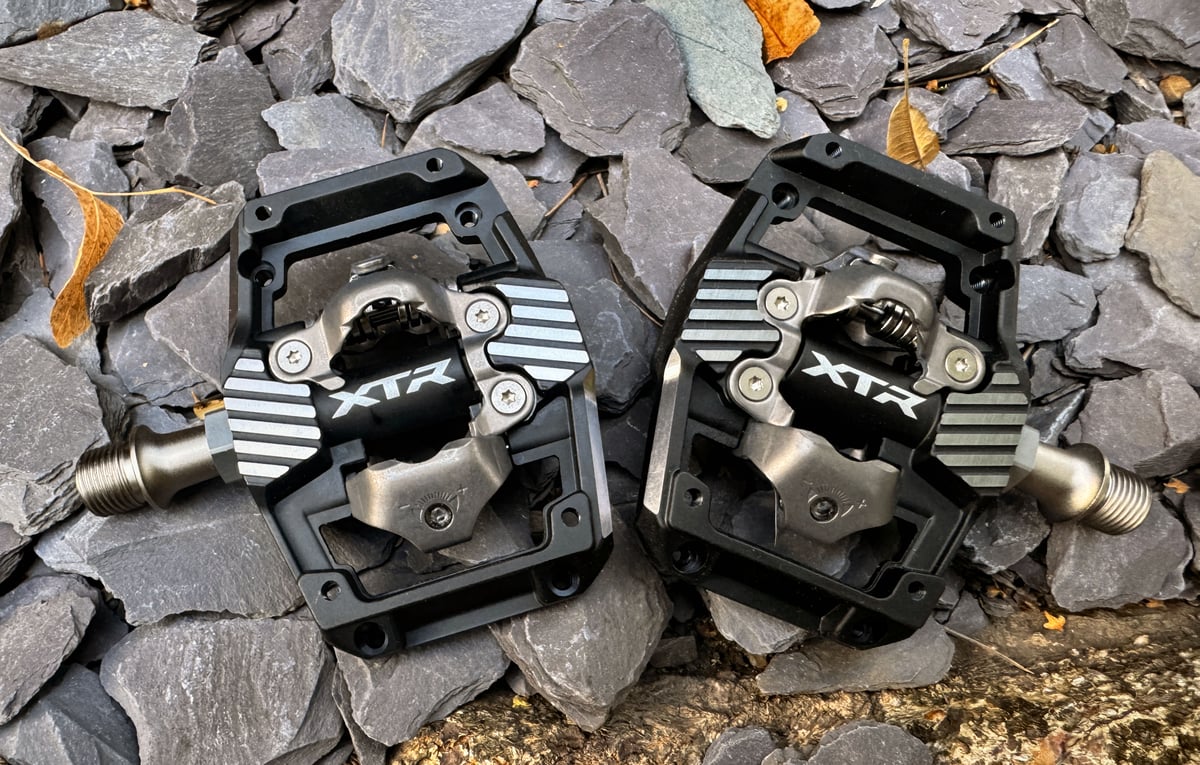
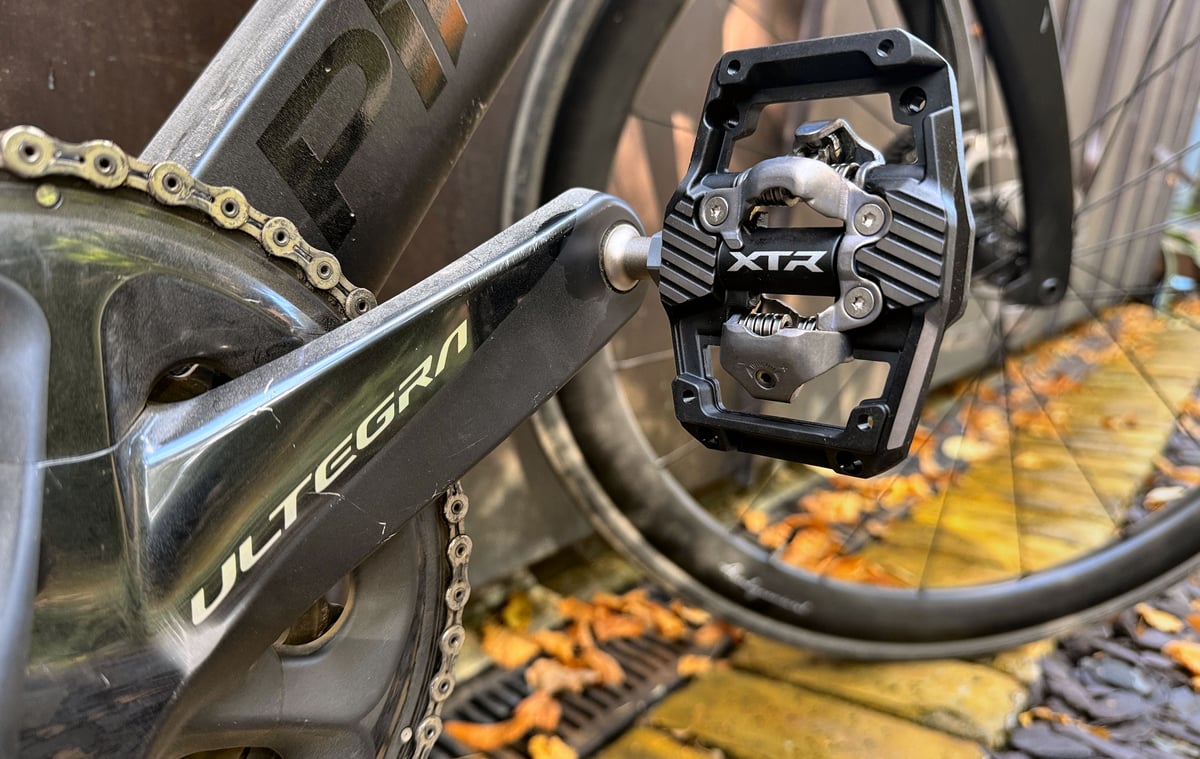
Shimano’s latest XTR PD-M9220 pedal is squarely aimed at enduro racers and, more generally, at more aggressive riders. They are a top-end gravity pedal, somewhat similar to the Saint pedals but slightly smaller and lighter.
Why change?
Shimano claims its latest pedals offer greater durability and control than earlier XTR models. Fair enough. But it’s also worth noting that the M9220 are a tad heavier. Here are the key details
-
- MSRP: $260 USD (or £180 / 180€).
- Weight: 448 grams without pins (or a claimed 435g).
- Dimensions: Platform measures 99 x 72mm, and is 18mm thick at the outer centre portion.
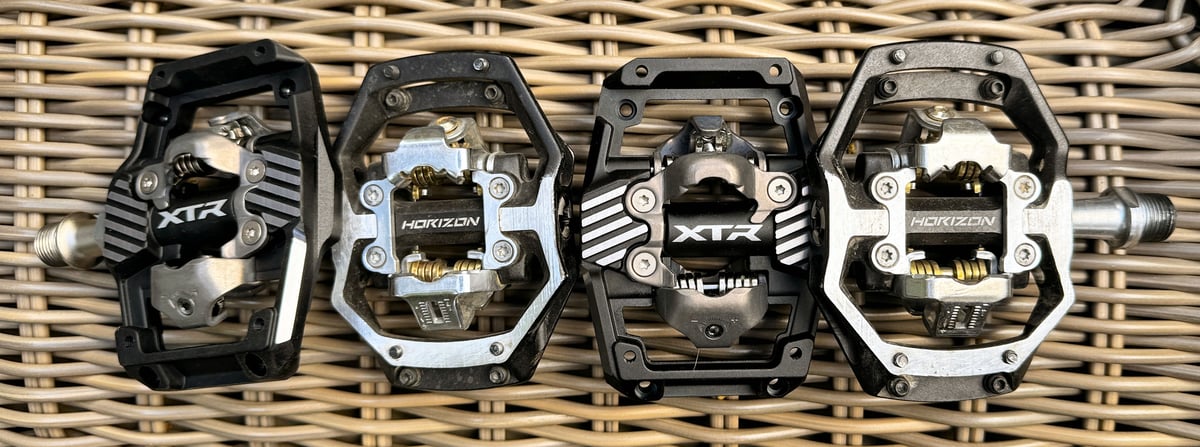
The pedals also include the new MT001 cleat, which is nearly identical to its predecessor in appearance but shaved slightly in places to give a bit of engagement when stopping down or clipping in pressing backwards (as opposed to toe-first).
Installation
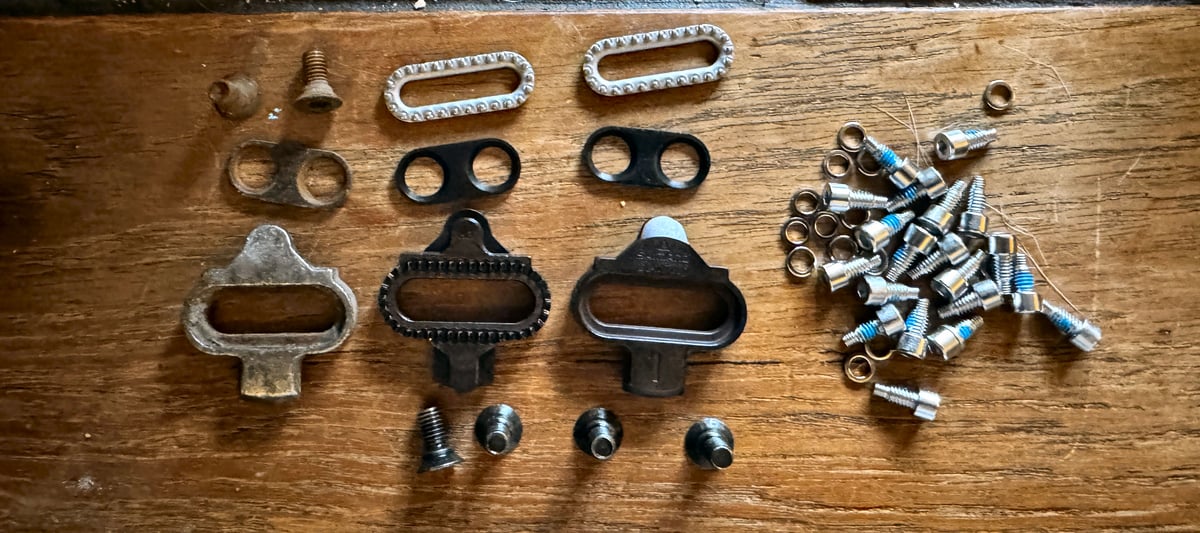
- Add 8 pins per pedal and a washer if needed (2mm allen key?)
- 8mm Allen wrench (or pedal spanner)
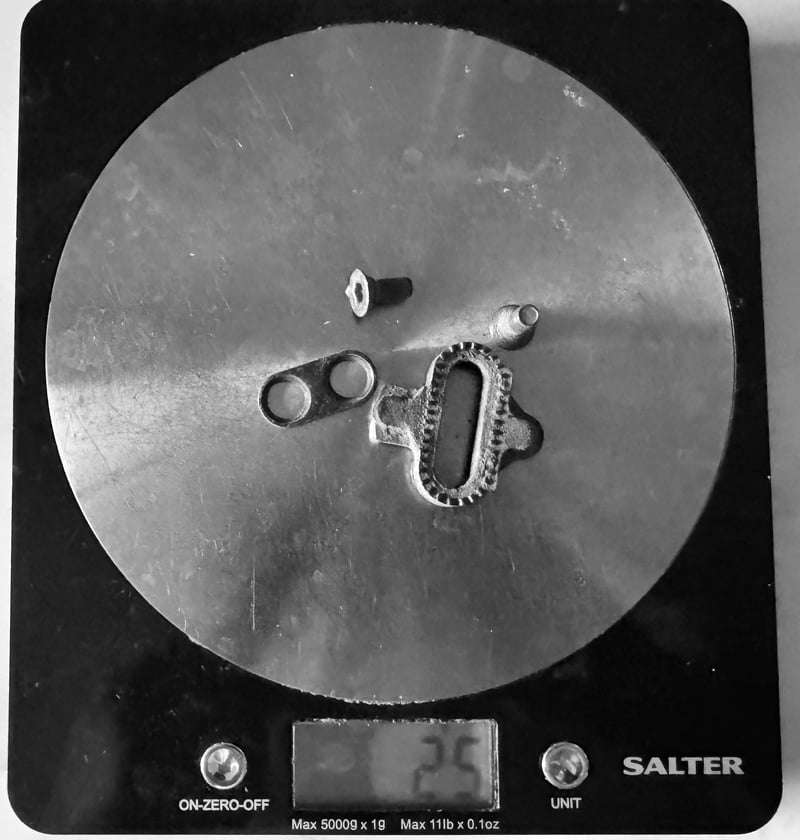
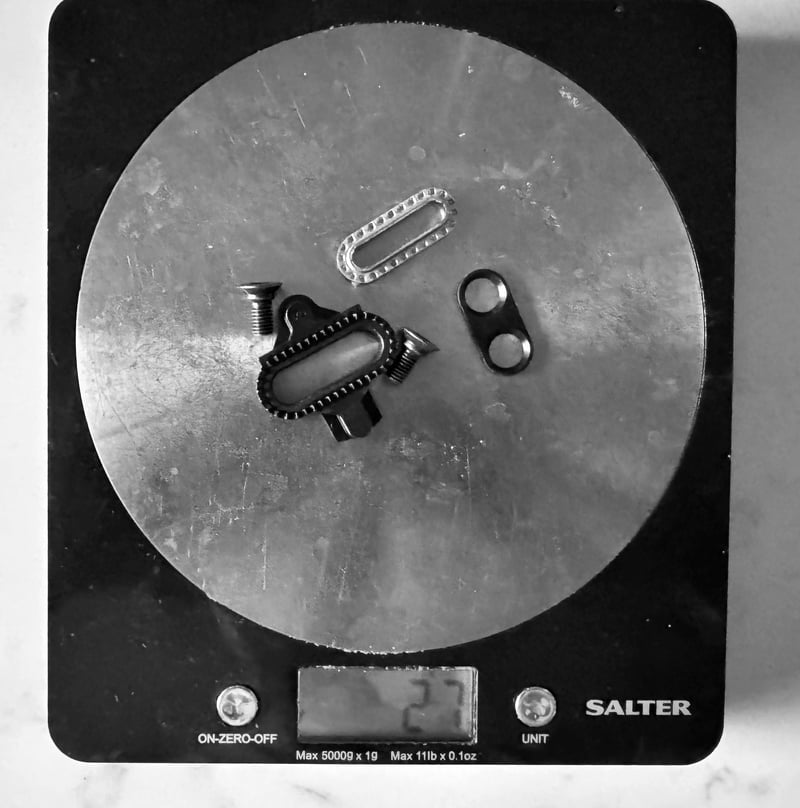
Shimano XTR M9220 Pedal and CL-MT001 Cleat Weigh In
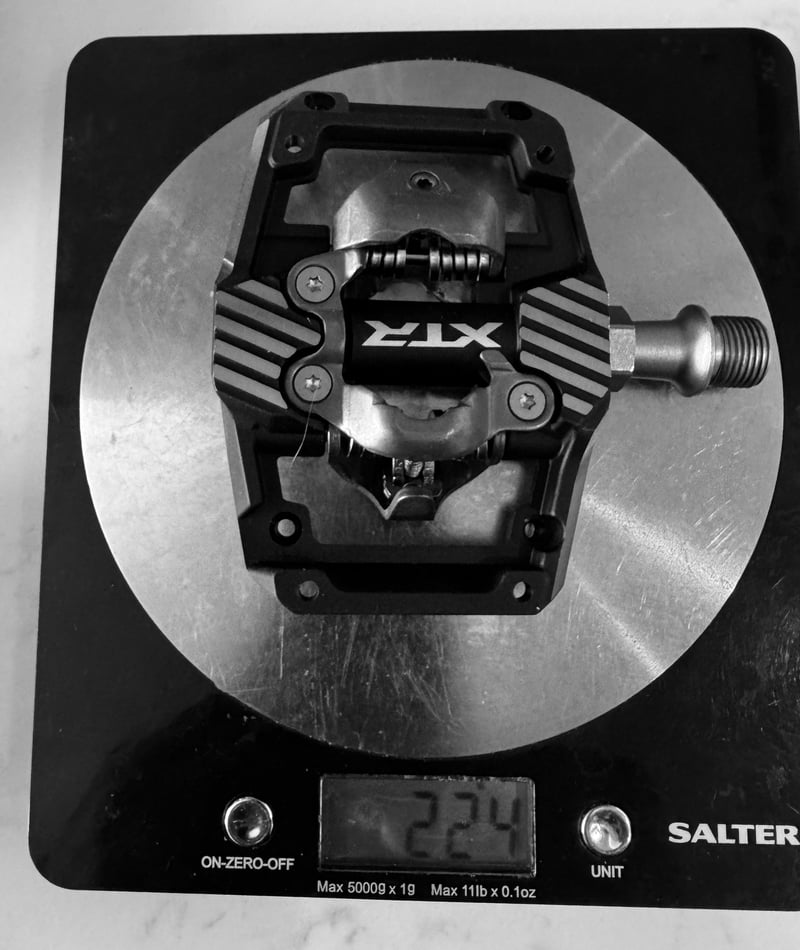
The pedals are slightly heavier than claimed, at 448g a pair, and the new cleats’ weight is effectively unchanged, at 27 g per shoe.
Core Features and Pedal Design
It’s definitely a decently wide platform with a contact area of 99 x 72mm, giving marginally greater shoe contact to either side of the cleat. Shimano claims this increases pedalling efficiency, and maybe it does; it certainly doesn’t hurt.
Each pedal has 4 traction pins on each side in the corners and can be raised slightly with the washers (included). You’ll need to adjust these based on your own shoes, but I didn’t need them as there was sufficient control as-is.
They’re expensive pedals, and you should expect them to last. After a couple of weeks of riding, obviously, all is good. The outer pedal cage feels extremely robust, adding an aura of protection to the SPD locking mechanism. Improved bearings and seals use a cup-and-cone design, which is claimed to add longevity to the pedal’s play-free riding.
New Cleat System (CL-MT001) and Engagement
The new cleat system attracted me to the pedals! I’m always super keen to try anything new, so a whole new cleat-and-clipping experience seemed like an opportunity too good to miss.
The slight disappointment is that the new cleats are visually identical to the SPDs you already know. There are some very, very subtle differences, but don’t waste 5 minutes of your life trying to see them. What’s important is that retention is as secure as before (unchanged), but clipping-in is slightly improved only in the scenario where you step straight down.
Is it better?
A: Yes. Very slightly. Maybe it’s marginally quicker or crisper.
Is there full compatibility?
A: Yes, the new cleats work on older SPD pedals, and older SPD cleats work on these new pedals. Don’t worry about compatibility at all.
Impressions and Overall Value
As pedals go, these are sexy beasts, and I do like the look of them. That said, there is zero point in upgrading for a better ride unless you are eking out extremely marginal performance gains in handling and power transfer.
But if you’ve tanked your old pedals and already have several pairs of shoes with SPD cleats, get a pair of these, for sure. Put the new cleats on your most favourite pair of shoes, and you’ll be good to go.
The only downside I found is cost, possibly also fiddling with the pins to optimise them for your particular shoe model.
The XTR M9220 Pedals are a solid choice for any level of rider, but perhaps only the best of you need them. The new SPD cleat design marginally improves clip-on.
Last Updated on 30 January 2026 by the5krunner
Reader-Powered Content

This content is not sponsored. It’s mostly me behind the labour of love, which is this site, and I appreciate everyone who supports it.
Support the site: Follow (free, fewer ads) · Subscribe (paid, ad-free) · Buy Me A Coffee ❤️
All articles are written by real people, fact-checked, and verified for originality. See the Editorial Policy. FTC: Affiliate Disclosure — some links pay commission. As an Amazon Associate, I earn from qualifying purchases.
tfk is the founder and author of the5krunner, an independent endurance sports technology publication. With 20 years of hands-on testing of GPS watches and wearables, and competing in triathlons at an international age-group level, tfk provides in-depth expert analysis of fitness technology for serious athletes and endurance sport competitors.
