Garmin Rally 210/110 Power Meter Pedals: Complete Buyer’s Guide
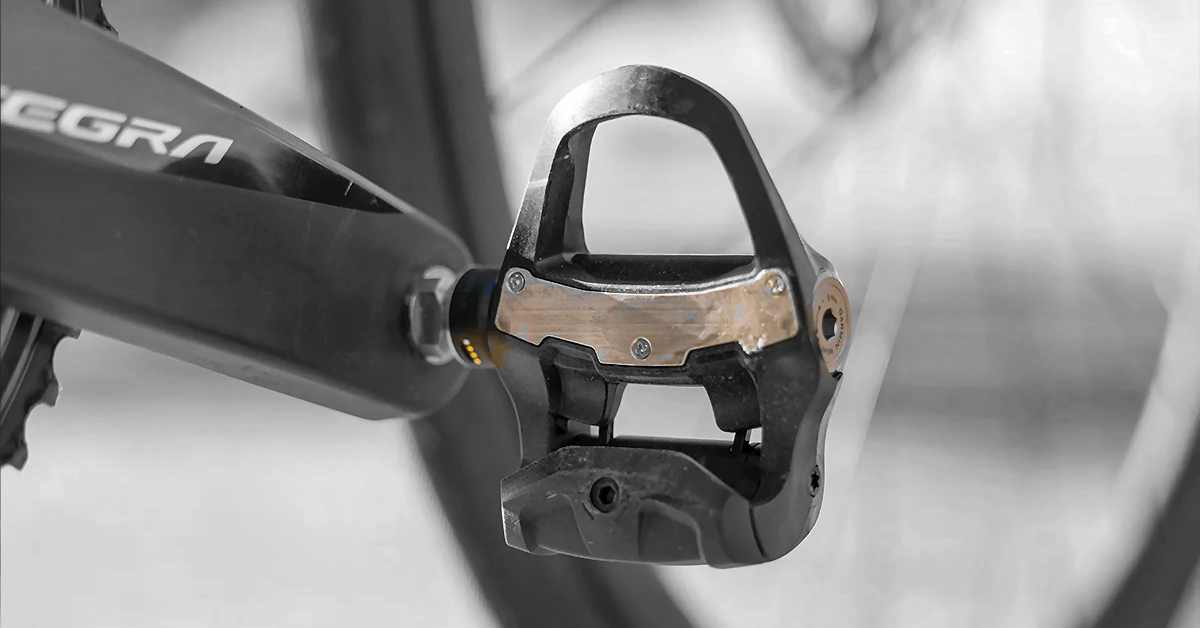
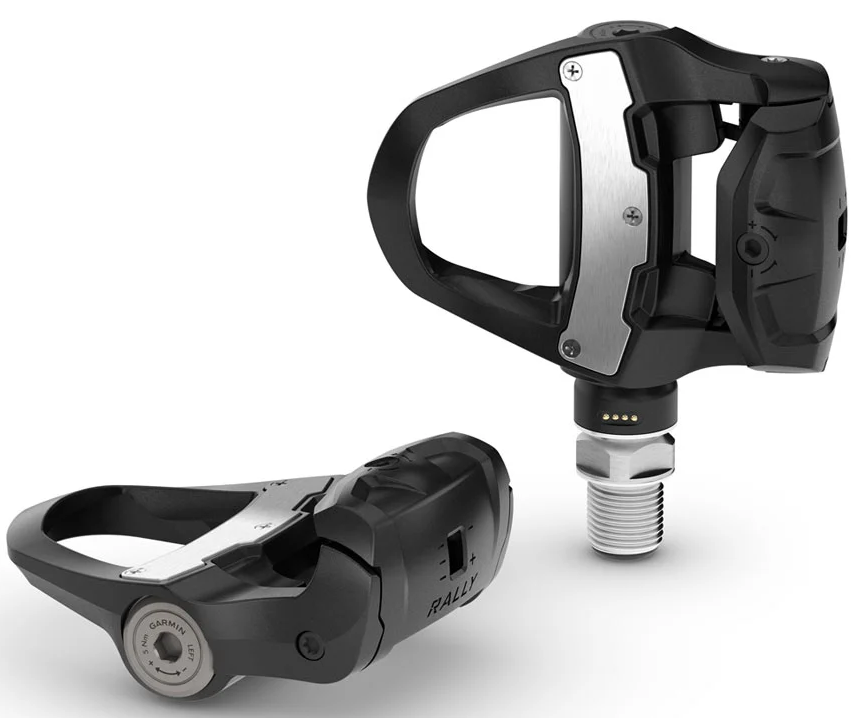
Garmin Rally 210 (and 110) are the company’s 5th-generation bike power meter pedals. There has been a fundamental redesign of the mechanical and electronic systems since the previous Rally 200/100 model, and the finished product is excellent. I’ll cover the ‘but’ later on.
The two standout changes are the shift to an internal rechargeable battery and a single generic power meter spindle (axle).
Heads Up: I have no links to Garmin, and the views expressed here are fully independent. This guide contains affiliate links. If you purchase through these links, I earn commission at no additional cost to you. My recommendations remain unbiased and based on 2 decades of training and testing experience with triathlon and cycling kit. Just like you, I only want good stuff that works.
Garmin Rally 210/110: reference-grade power, best with a Garmin Edge
-
Price - 70%
70%
-
Apparent Accuracy - 99%
99%
-
Build Quality & Design - 90%
90%
-
Features, Including App - 100%
100%
-
Openness & Compatibility - 100%
100%
90-Hour Battery Life Is A Standout Feature
A solid, accurate and versatile choice for anyone wanting to buy a Garmin-branded product.
A less sensible choice if you want to save $400 and buy the lighter Favero Assioma PRO RS with identical performance.
Pros
- Industry-leading battery life (90 hours)
- Convenient quick-charge – 15 minutes is enough to power your ride
- Easy swap pedal bodies across SPD-SL, Look Keo, and SPD.
- Accurate and reliable.
- Solid physical design, likely durable for the long haul.
- Novel but niche new features (Pedal IQ, Force Data)
Cons
- Premium price but same level performance as Favero
- Heavier than primary competitors.
- Advanced features restricted to specific, newer Garmin head units via Secure Bluetooth
Listen to a friendly chat about buying Garmin or Assioma
What’s New?
The 2025 Rally Series is essentially a new product with the same or superior characteristics to its 200/100 predecessor. The exception is that battery life has decreased.
| Feature | Rally 210 | Rally 110 | Rally 200 | Rally 100 |
|---|---|---|---|---|
| Battery type | Rechargeable | Rechargeable | CR1/3N replaceable (x2) | CR1/3N replaceable (x1) |
| Battery life | Up to 90 hours | Up to 90 hours | Up to 120 hours | Up to 120 hours |
| Quick charge | ✔️ | ✔️ | ||
| Weight | RK210: 312g RS210: 312g XC210: 436g | RK110: 320g RS110: 320g XC110: 444g | RK200: 326g RS200: 320g XC200: 448g | RK100: 334g RS100: 328g XC100: 455g |
| Body material | RK/RS: Carbon XC: All metal | RK/RS: Carbon XC: All metal | Composite | Composite |
| Force data | ✔️ | ✔️ | ||
| Pedal IQ calibration | ✔️ | ✔️ | ||
| Travel mode | ✔️ | ✔️ | ||
| Cycling dynamics | ✔️ | X | ✔️ | X |
| Oval chainring compatibility | ✔️ | ✔️ | ✔️ | ✔️ |
| Cleat compatibility | RK: LOOK KEO RS: SHIMANO SPD-SL XC: SHIMANO SPD | Same as 210 | Same as 210 | Same as 210 |
| Water rating | IPX7 | IPX7 | IPX7 | IPX7 |
| Accuracy | +/- 1% | +/- 1% | +/- 1% | +/- 1% |
| Quick-change pedal body | ✔️ | ✔️ | ||
| Wrench Flats | 4 | 4 | 2 | 2 |
What Are the Garmin Rally Power Meter Pedals?
The Rally 210/110 has a comprehensive set of onboard features and product options, meaning it uses common pedal bodies and is thus suitable for road, gravel, and mountain biking.
Key Features and Technology
As mentioned, the key change is the internal rechargeable battery that claims a whopping 90 hours of ride time. Even better, there’s a rapid charge feature that gives 12 hours of riding from a quick 15-minute charge, super handy when you forgot to charge the night before a key ride.
No more coin cell batteries – they have benefits like the ease of carrying a spare but I’m not sorry to see Garmin ditch them as 99% of us will only ever charge at home with its standard charger.
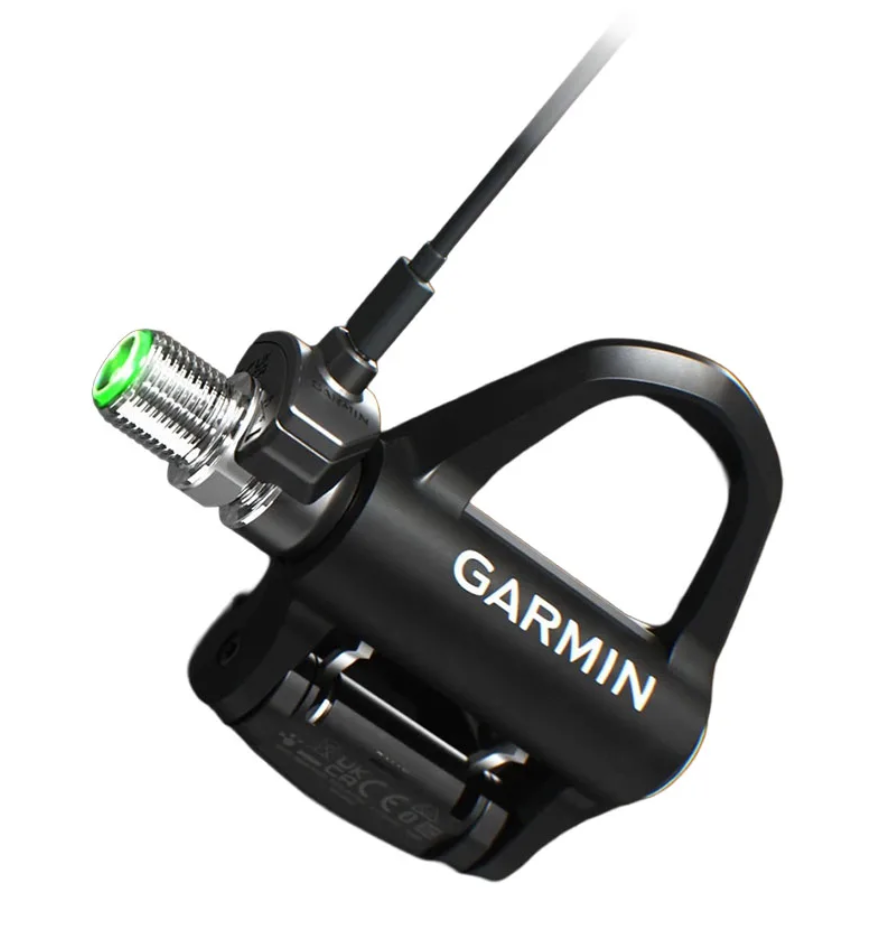
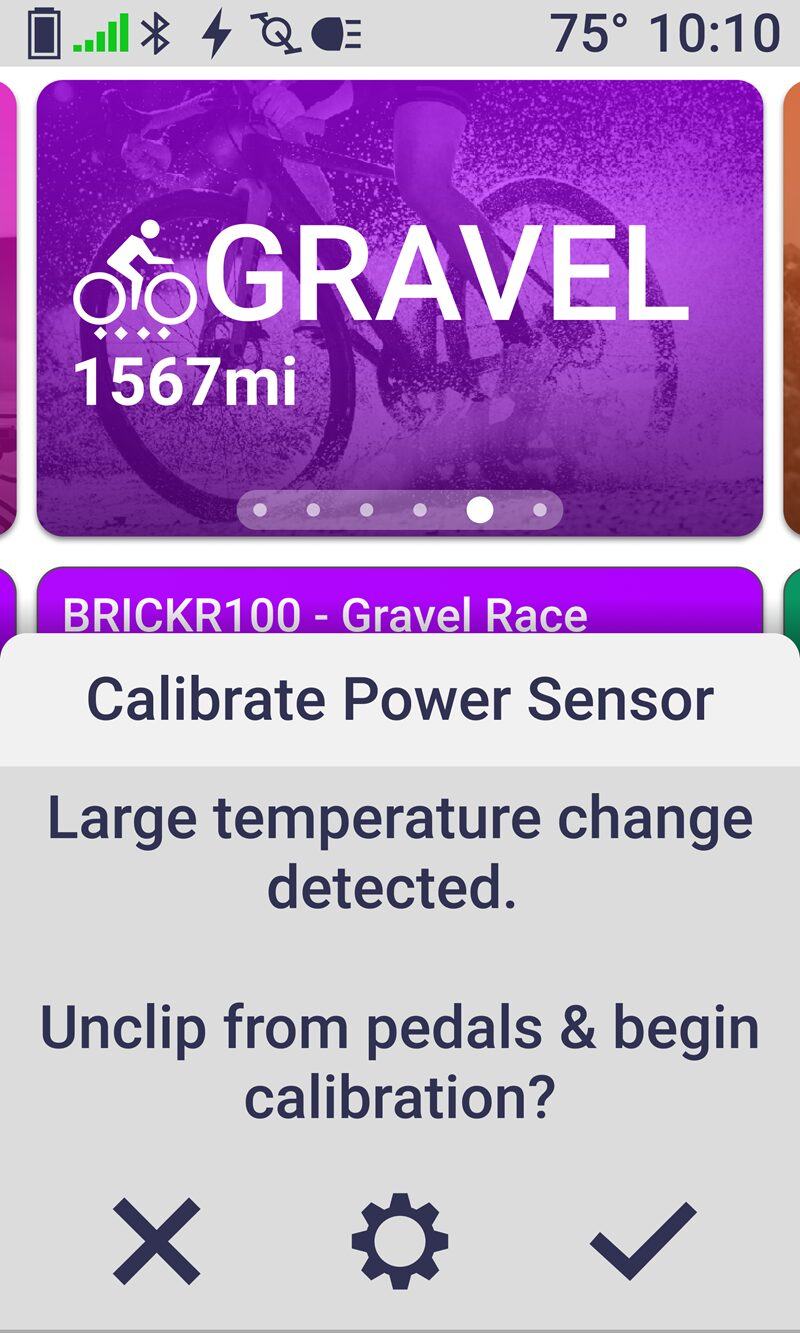
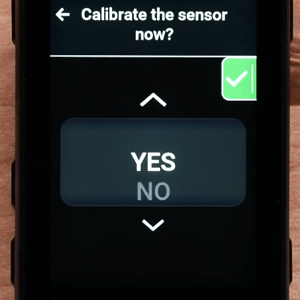
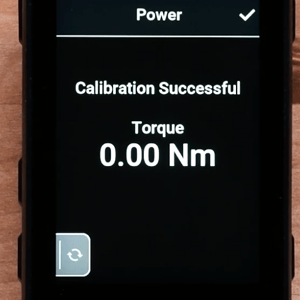
The spindle is clearly a major redesign, but Garmin’s kept the key 99% accuracy claim, which is typical of almost all high-end power meters. However, the new design has a couple of performance tweaks, notably, there is Pedal IQ Calibration, which overrides the inbuilt autocalibration to let you know when a manual calibration is needed – say if you swap bikes or experience extreme temperature differences – the downer is that this will only work in conjunction with modern Garmin Edges.
The new gyroscope produces more responsive power numbers during hard sprints – you won’t be looking at your display when you’re doing that. Still, the saved power data provides more accurate power-duration estimates, which are handy for tools that might consider your full power signature rather than just FTP (e.g., Wahoo’s 4DP).
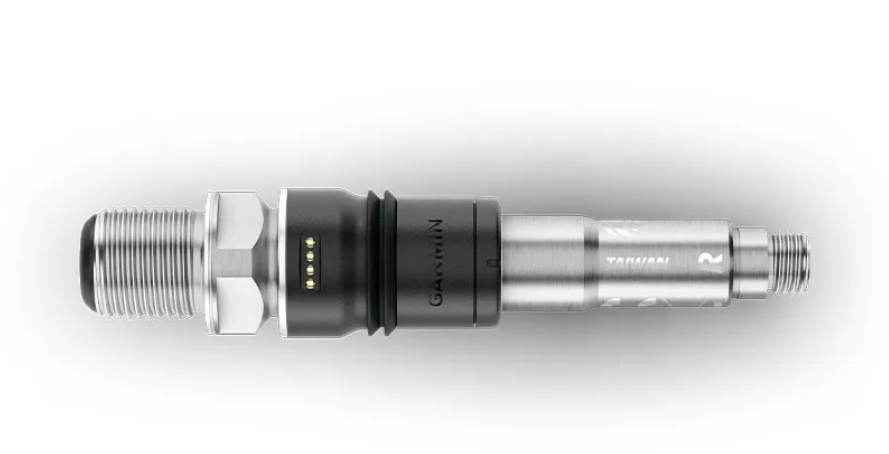
The internal gyroscope is also a critical component that enables Garmin to claim support for oval chain rings. Rotor and Favero offer the same, but being a long-time oval ring user, I’m unconvinced about any brand’s accuracy claims and always tone down the power numbers manually when using ovals.
Tip: Use the new travel mode to put Rally to sleep on plane or car journeys, preventing accidental discharge – from bitter experience – it does happen!
New Force Data – An Explainer
Tip: The new force metric is not generally useful
Cycling power is determined by how hard and how quickly you push your pedals.
- Force: Pressure applied to pedals (measured in Newtons, N) – raw effort per stroke.
- Torque: Force × crank length (Newton-meters, Nm) – turning (twisting) force on crank.
- Power: Torque × cadence (watts, W) – is your work rate, combining force and pedalling speed.
The new Force Metric (in Rally 110/210) is the direct force, independent of crank length, and, unlike Torque, is always comparable between bikes – power is the outcome, and torque is crank-dependent.
This Buyer’s Guide As A Presentation
Rally 210 vs Rally 110: Understanding the Differences
Every Rally option comes with two visually-matching pedals. Rally 110 has a dummy right pedal, which does not measure power.
Thus, the headline difference is single-sided sensing vs. dual sensing. With only one side of power data and cycling dynamics, there are some (minor) drawbacks to going with the cheaper Rally 110
- Rally 110: Measures cadence and total power derived solely from the left pedal.
- Rally 210 (Dual-Sensing):
- Measures cadence and power from both sides
- Gets the full suite of advanced cycling dynamics, including left/right power balance, seated vs. standing time, Power Phase (PP), and Platform Centre Offset (PCO)
The Rally 110 models can be upgraded later with a kit to the dual-sensing 210 specification if you change your mind down the line.
Tip: Dual-sided power doesn’t matter. It is more accurate but single-sided is actionably accurate for most people. I would recommend the former (as I use it) but you will be fine with either and you will rarely if ever look at the cycling dynamics metrics.
Pedal Body Options
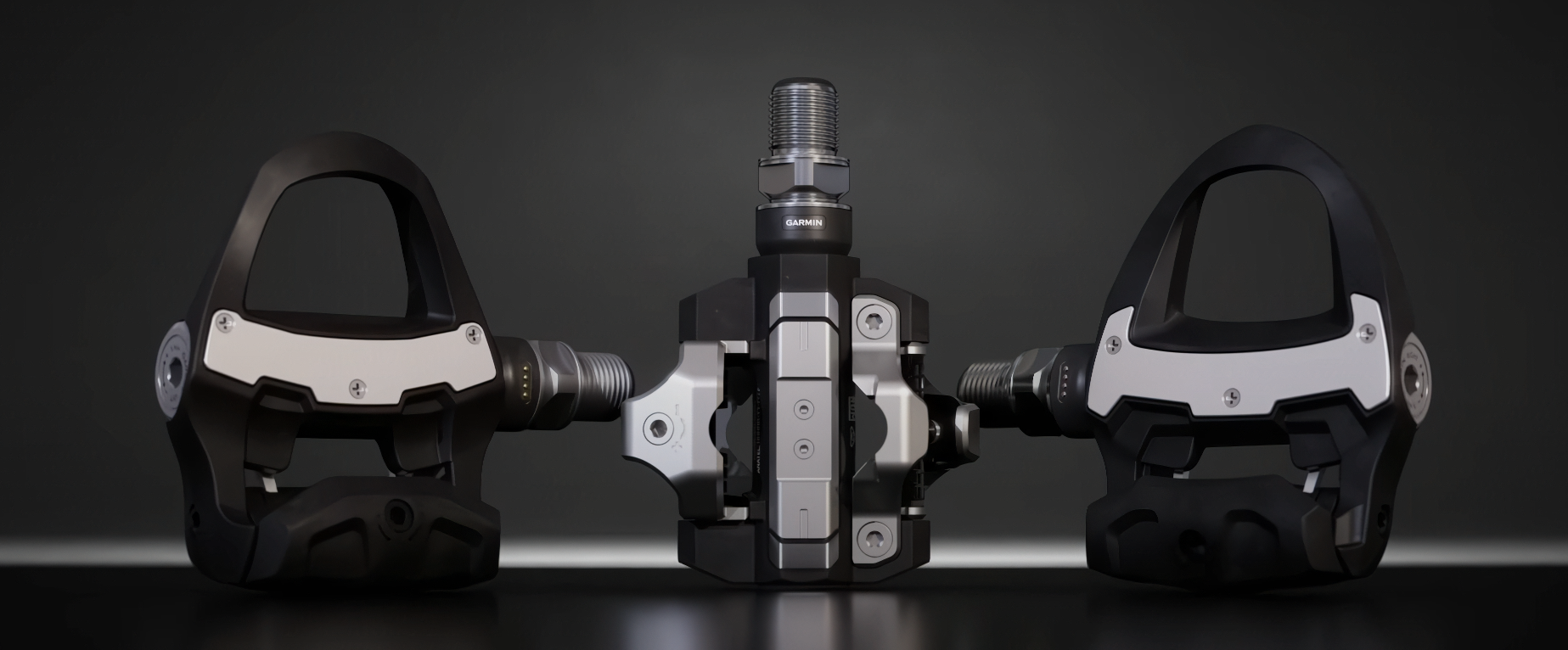
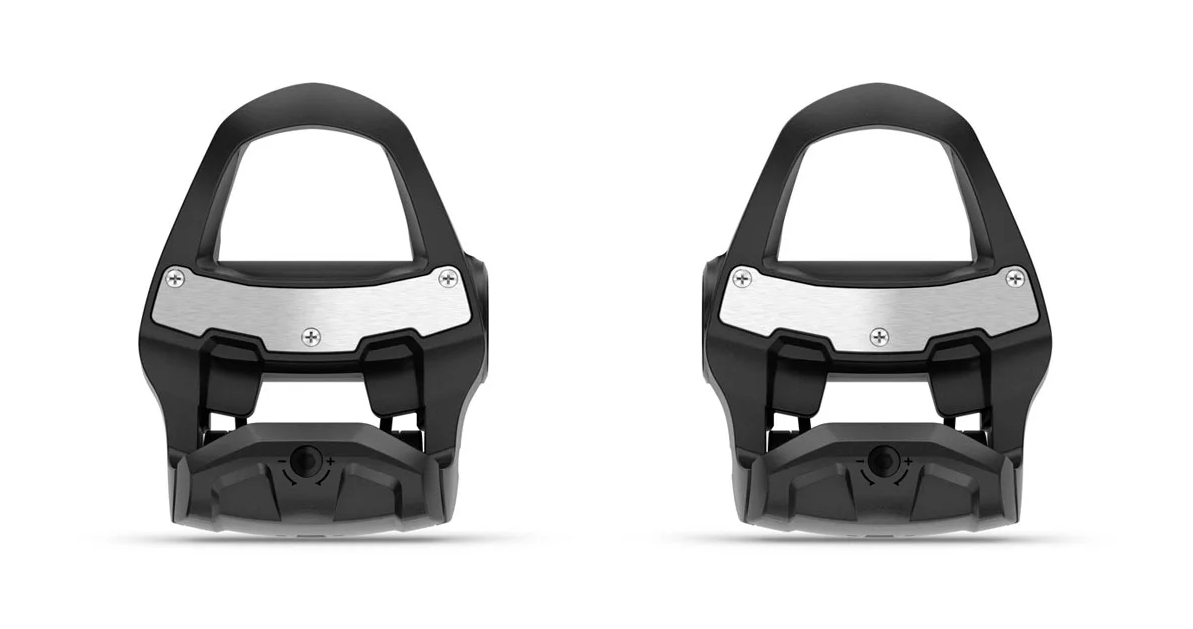
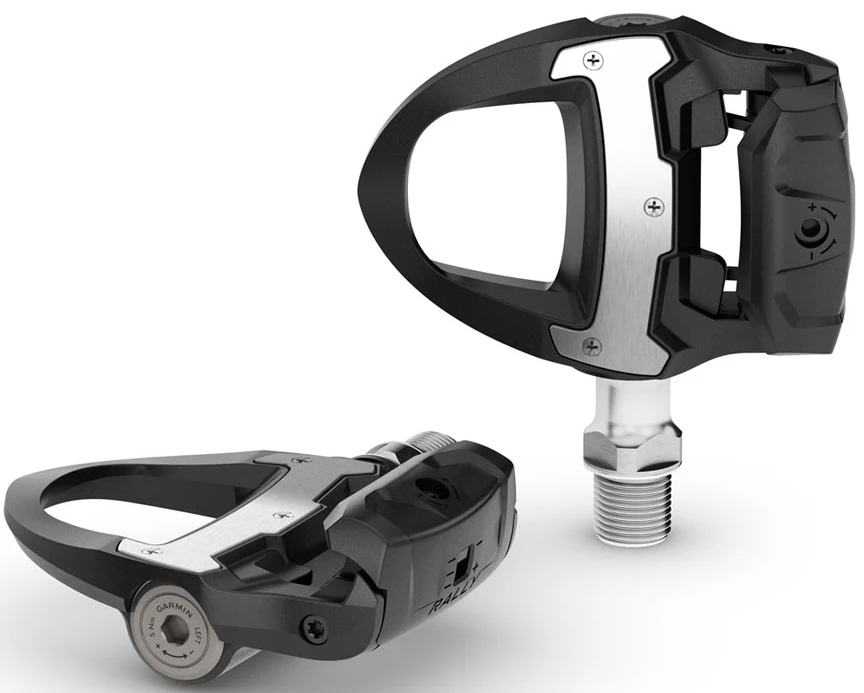
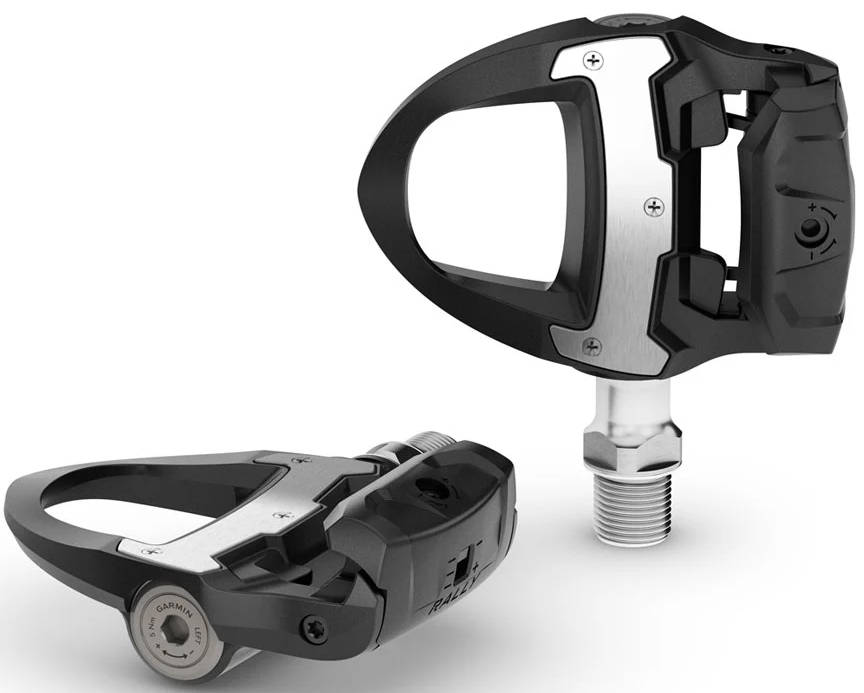
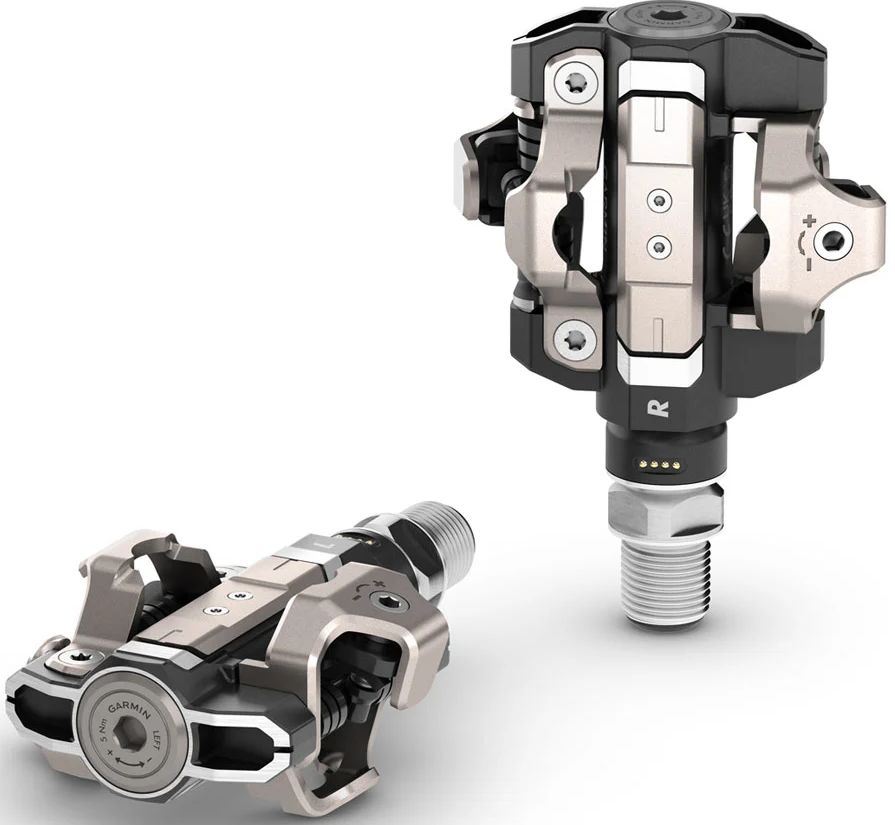
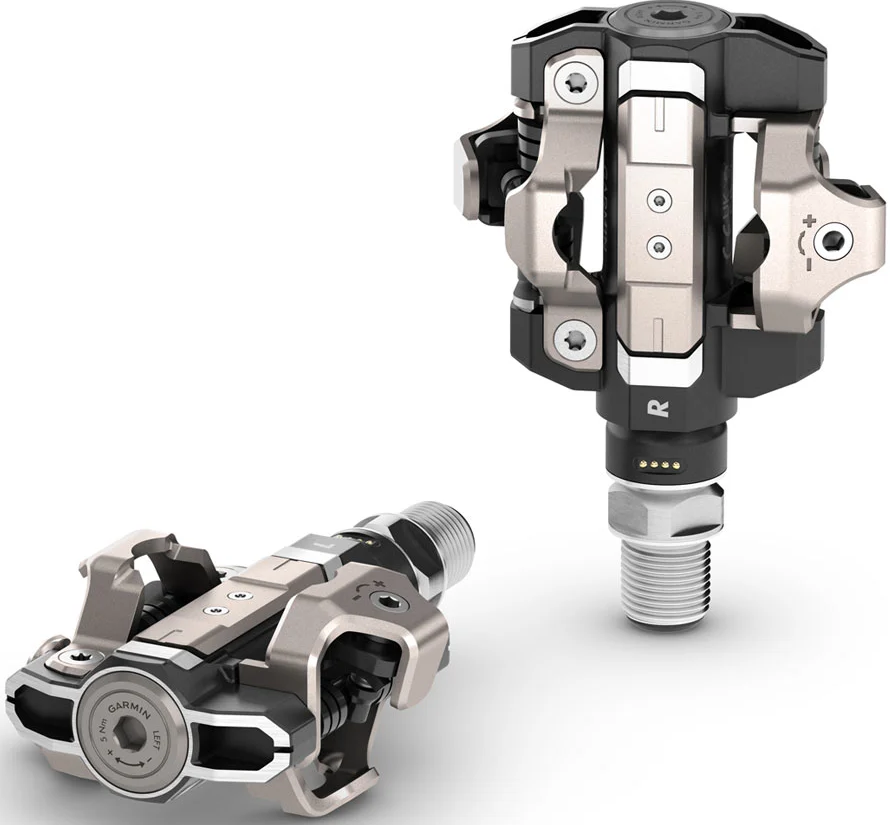
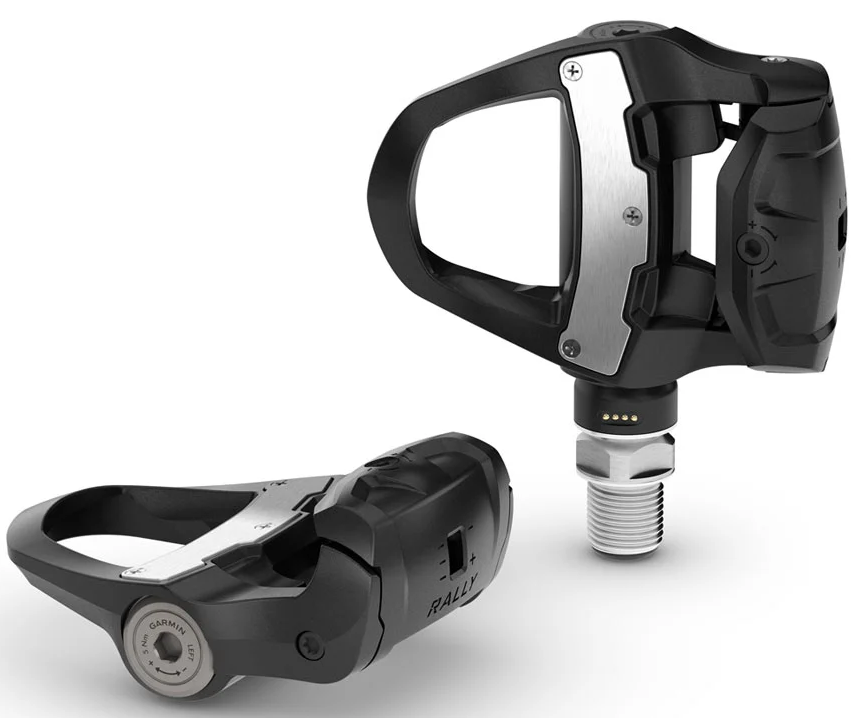
Both the 210 and 110 come with options for SPD, SPD-SL and Look Keo cleats. There are further aftermarket options that allow pedal bodies to be swapped. Typically, this applies if you plan to use your pedals on- and off-road. The road pedal bodies are made of a new, lightweight carbon-polymer material, whereas the MTB option is all-metal.
- Rally RS (SPD-SL Road)
- Rally XC (SPD Mountain Bike, gravel) – also bags a reduction in stack height (11.5mm vs. previous chunky versions).
- Rally RK (Look Keo Road)
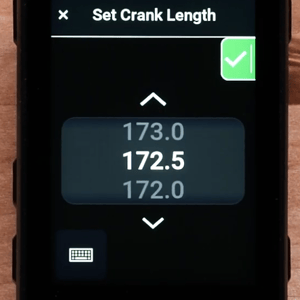
Tip: Rally cannot know your crank length. You must change this setting when you swap between bikes with different crank lengths.
Changing Pedal Bodies & Servicing
Changing pedal bodies is easy and takes only a couple of minutes per pedal with standard tools. You will definitely benefit from having a torque wrench to properly replace the door and nut.
The process for owner-servicing is identical – except after cleaning and greasing, you replace the original pedal body.
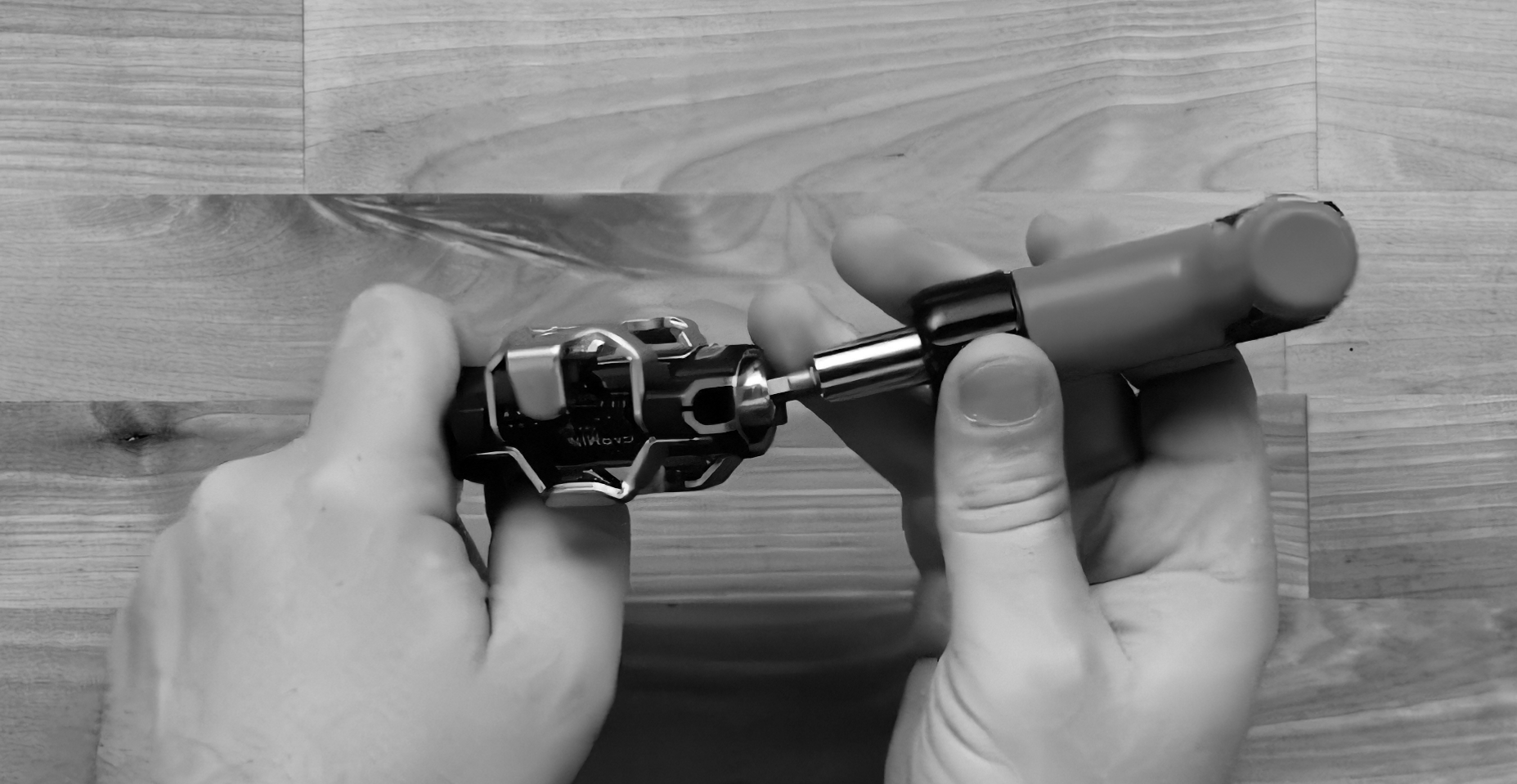
- Remove pedal door (15mm wrench, 5mm Allen wrench). The right side pedal has reverse threads.
- Remove the spindle nut
- Remove, clean and grease the spindle
- Change the pedal body
- Replace the spindle nut and tighten to 10NM
- Replace the pedal door and tighten to 5 NM
Detailed Resource: Garmin YouTube tutorial
Garmin Rally Spares & Conversion Kits
You can buy the pedal bodies separately, as needed; however, Garmin has already announced bundles that include both road and off-road bodies from new. The separate Pedal body conversion kits are more expensive (around £220, $250)
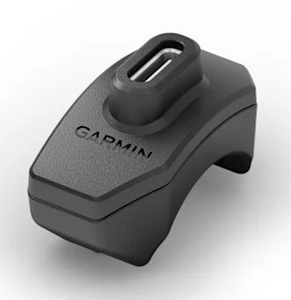
USB-C Charging adapters could be easily lost and are replaceable for about $20 each.
Technical Specifications
| Section | Rally 210 | Rally 110 |
|---|---|---|
| Power Metrics & Claimed Measurement Accuracy | Accuracy: ±1%. Connectivity: ANT+, Bluetooth, Secure Bluetooth. Core: Power (W), Cadence. Advanced: L/R Balance, Cycling Dynamics (PP, PCO, Seated/Standing), Force Data (N). |
Accuracy: ±1%. Connectivity: ANT+, Bluetooth, Secure Bluetooth. Core: Power (W), Cadence. Advanced: Force Data (N). No L/R Balance or Cycling Dynamics. |
| Battery Life and Charging | Rechargeable. Up to 90 hours. Quick charge: 12h from 15min. Magnetic USB-C. |
Rechargeable. Up to 90 hours. Quick charge: 12h from 15min. Magnetic USB-C. |
| Weight and Q-Factor | RS210: 312g RK210: 312g XC210: 438g Heavier than rivals (e.g. Assioma ~247g). Q-Factor: 53mm (+2mm washer to 55mm). |
RS110: 320g RK110: 320g XC110: 444g Heavier than rivals (e.g. Assioma ~247g). Q-Factor: 53mm (+2mm washer to 55mm). |
| Compatibility Requirements | Circular or oval chainrings ANT+/BT: Broad compatibility Advanced (Pedal IQ, Force): Require Secure BT + new Garmin Edge (X40/X50+). Pedal IQ, Force: not Wahoo/Hammerhead/old Garmin. |
Circular or oval chainrings ANT+/BT: Broad compatibility, Advanced (Force): Require Secure BT + new Garmin Edge (X40/X50+). Force: not Wahoo/Hammerhead/old Garmin. No Pedal IQ. |
The Power Meter Pedal Market Evolution and Garmin Power Pedal Timeline
The power meter pedal market has evolved significantly over the past decade, with many themes emerging and consolidating into the products sold in 2025.
The physical designs have become as compact and durable as possible, also allowing Compatibility between different types of riding. Power supply has changed from rechargeable batteries to rechargeable batteries, first in external pods and then within the pedal body. Power metrics evolved from simple power numbers to a complex set of metrics that measure every aspect of the pedal stroke and the rider’s balance and technique.
It’s been impressive to witness. Garmin has led the way throughout and dominates in market share. PowerTap has fallen by the wayside; Wahoo might be poised to expand beyond its niche Powerlink pedal; and Favero continues to offer market-leading performance at a sub-Garmin price.
| Brand | Model | Launch Date | Key New Feature(s) |
|---|---|---|---|
| Garmin | Vector 1 | 2013 | First pedal-based power meter with L/R balance |
| Garmin | Vector 2 | 2015 | Redesigned pods, easier install, single-sided option |
| PowerTap | P1 | 2015 | Easy plug-and-play install, dual ANT+/Bluetooth, integrated design (no pods) |
| Favero | bePRO | 2015 | Affordable dual-sided, rechargeable |
| Garmin | Vector 3 | 2017 | Integrated sensors (no pods), sleeker design |
| Favero | Assioma (Duo/Uno) | 2017 | IAV power for oval chainrings, rechargeable |
| Favero | Assioma Duo-Shi | ~2019 | Shimano SPD-SL compatibility |
| PowerTap | P2 | 2019 | Lighter, longer battery life (80h) |
| SRM | X-Power | 2021 | SPD for MTB/gravel, rechargeable |
| Garmin | Rally (RS/RK/XC) | March 2021 | Convertible pedal bodies (road/MTB) |
| Wahoo | POWRLINK ZERO | 2022 | Speedplay-compatible dual-sided |
| Look | Keo Blade Power | March 2024 | Carbon blade retention, lightweight integrated |
| Favero | Assioma Pro MX (MTB) | 2024 | Robust SPD for MTB, modular spindle |
| Magene | P715 | 2025 | Affordable dual-sided, rechargeable |
| Favero | Assioma Pro RS (SPD-SL) | June 2025 | Lightest, modular with Shimano body |
| Garmin | Rally 110/210 | September 2025 | Rechargeable, smart calibration, upgradable |
Accuracy and Real-World Performance
Methodology Note: This comprehensive analysis synthesises manufacturer specifications, independent laboratory testing from GPLAMA, and my 20 years of hands-on experience testing 15+ power meter systems, including Garmin Vector (Generations 2 & 3), Favero Assioma, and 4iiii Precision. While I plan to add my test results for the Rally 210/110 in Q1.2026, I’ve evaluated every comparable technology and can provide detailed context on its competitive positioning.
The only detailed accuracy review of the Garmin Rally 210 is from the GPLAMA YouTube Channel. In summary, his results show an accurate power meter:
- Passed tests for residual torque
- Passed tests for PCO sensitivity
- Passed tests for overall workout consistency
- Maximum power sprints are correct; a bug on the earlier model has been fixed
- Bug: A Secure Bluetooth connection demonstrated “sticky watts” (holding the last known power value while coasting)
The reader is encouraged to view Shane’s detailed tech test results (here). Two of the test results are shown below:
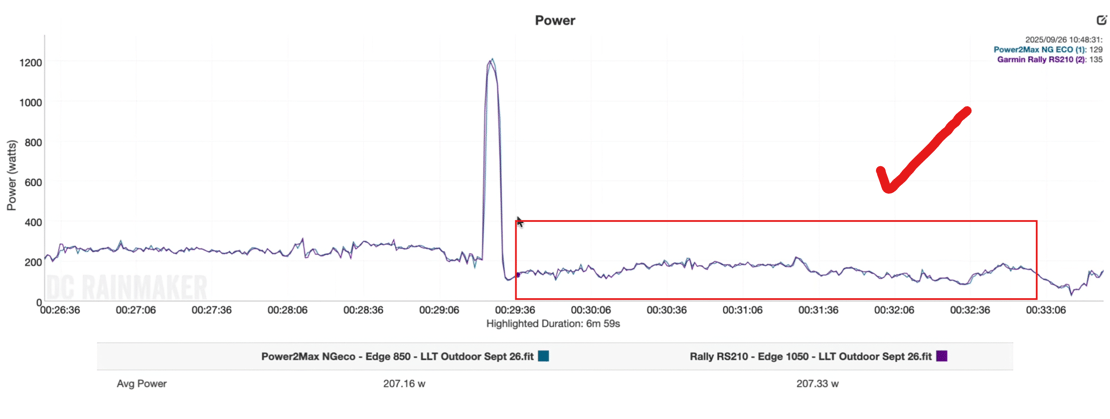
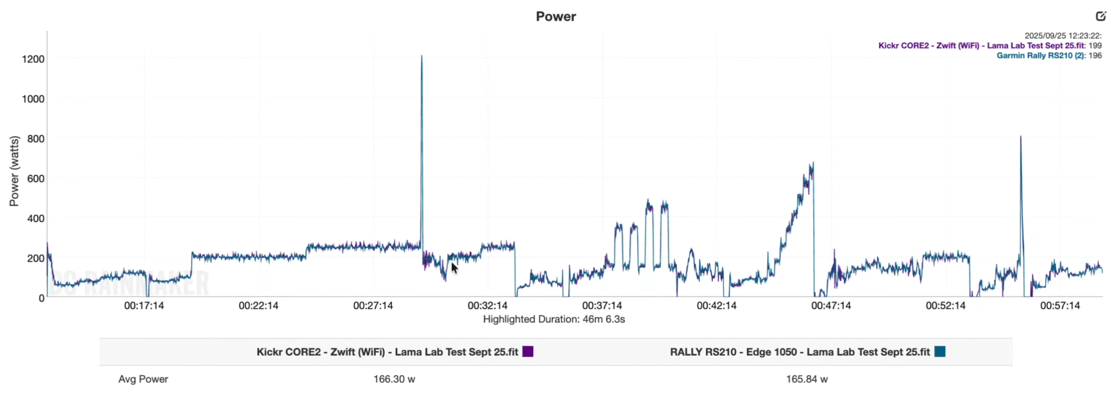
Fellow reviewer dcrainmaker states that “Accuracy has been spot-on” and “Rock-solid” across all riding conditions. Bike site Slowtwitch noted, “After a few rides and some initial tests, I’m confident in the accuracy,” and BikeRadar added that the pedals “have performed well in testing so far, tracking a 4iiii Precision 3+ Pro power meter crankset well.”
How Rally Compares to Reference Power Meters
I have extensively used and tested bike power meters, smart trainers, and pedals, from the original Garmin Vector and Favero bePRO. (Favero Assioma PRO RS Review, 4iiii Precision 3+ Pro Review, Stages G3 Dual Review, Favero Assioma Duo Review, Garmin Vector Review)
The 5th-generation Rally is a reference-grade power meter. Accuracy is reliably within the market-standard for high-end power meters, i.e. +/-1% error.
The primary differentiator of Rally is not accuracy but rather a combination of cost, usability, durability, and compatibility. Cost is the significant downside to Rally, with equally accurate and competent alternatives at considerably lower prices. Among its positive differentiators, Rally is one of the few brands to offer a single spindle that supports the three most common cleat types (SPD-SL, Look Keo, and SPD).
Who Should Buy the Rally 210 vs the Rally 110?
While I find it easy to recommend single vs. dual-sided power meters, and power meter pedals vs. other types of bike power meters, I find it difficult to pinpoint a group of riders who should buy Rally. That group probably consists of those who consciously choose to stay within the Garmin ecosystem. Buying Rally is undoubtedly not a bad choice, but there are better options.
Single-Sided vs Dual-Sided Power: What You Actually Need
Riders with a balanced riding style or those on a budget should go for Rally 110. Others wanting a guarantee of systemic accuracy will opt for Rally 210.
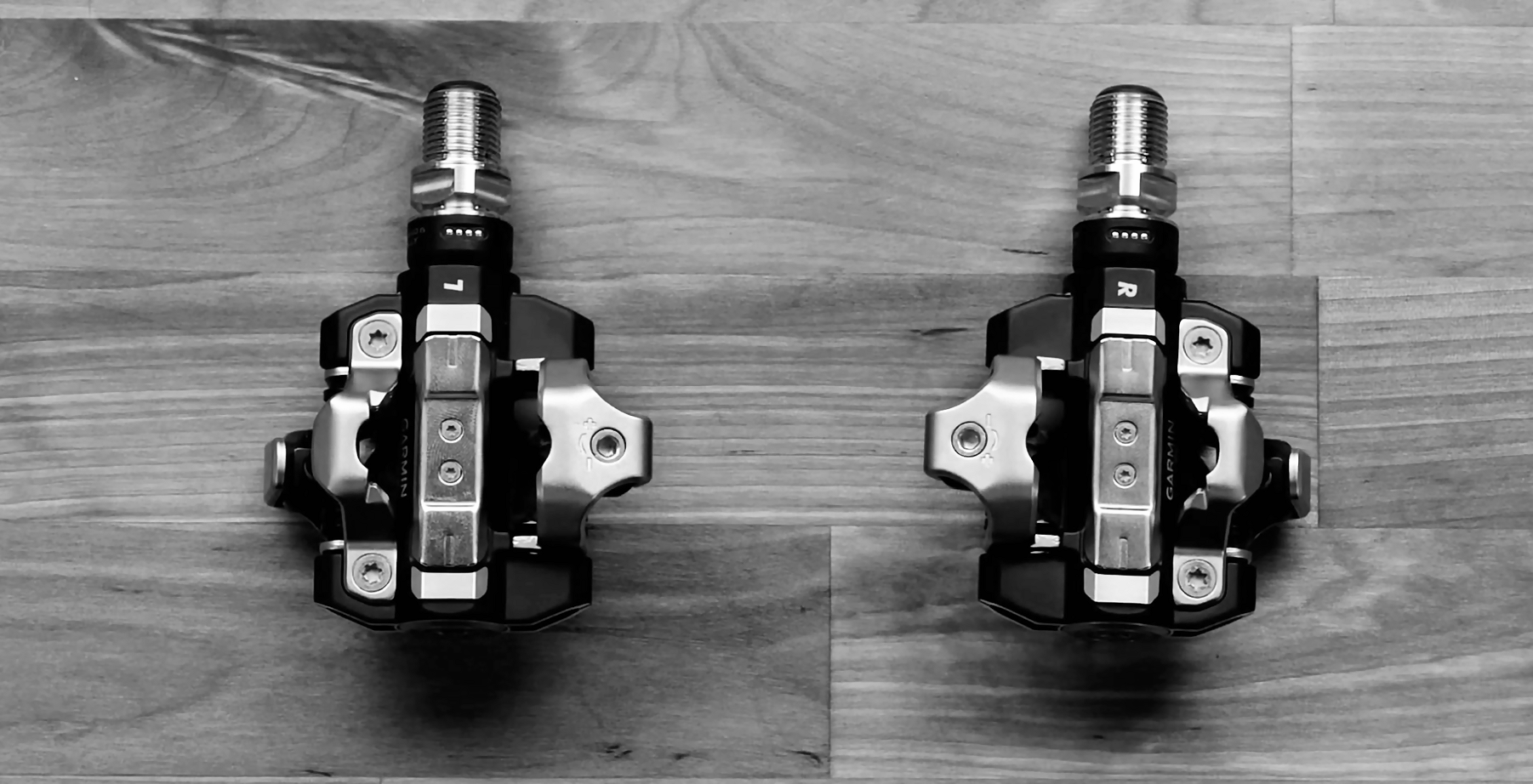
Bike fitters might be able to tailor aspects of the fit based on power readings. For example, a non-zero PCO indicates that your cleat position (left/right) might benefit from adjustment. Whereas a Power Phase starting before the 12 o’clock position could indicate saddle positioning issues.
Pedal vs. Cranks and other Power Meter types
A pedal-based system’s key benefit is the ease of swapping between bikes and maintaining the same power characteristics.
Actually, swapping a left crank is probably even easier, but most of us would intuitively shy away from that. Changing an entire crankset is harder.
Changing wheel-based power meters might seem easy as you swap wheels from bike to bike, but it becomes problematic if you then also need to change a tyre or cassette for different ride conditions.
- Triathletes will benefit from switching between a TT bike and a road bike. My experience sometimes contradicts that – I used to have shorter cranks on my TT bike (which requires the pedal crank length to be set when chaining over), and I still have ovals on my TT bike (I lower the crank length setting by a few mm to produce the exact match to a static trainer).
- Those with MTB and road bikes also theoretically benefit from switching to a different pedal body. The reality is that this becomes an annoying task if you have to do it one or more times a week.
The Upgrade Path: from 200 to 210 and beyond
New power meters are an expensive purchase for most cyclists. The need to upgrade often comes from theft, a bike upgrade, or the failure of your current power meter – necessary upgrades.
Thus, there is no need to upgrade from Garmin’s older 4th-generation Rally power meters unless the lure of a rechargeable battery and an easy pedal body swap tempts you to part with a lot of cash.
However, upgrading from Garmin’s far less reliable and older Vector pedals is perhaps a good move. My experience with Vector wasn’t great when I look back.
Tip: Consider an upgrade from less accurate power meter brands or if you want to move on from your current single-sided setup
Pricing and Value Proposition
Let’s look at the global pricing for every model option and how that stacks up against direct competitors.
Current Market Pricing
Garmin controls retailer prices relatively tightly, and there are rarely discounts except on older products at the usual annual sale times. Prices start at USD599.00.
| Model | Cleat Type | Sided | Cycling Dynamics | USD | EUR | GBP | AUD |
|---|---|---|---|---|---|---|---|
| Rally RS210 | Shimano SPD-SL | Dual | Yes | $899.00 | €1,099.99 | £929.99 | $2,049.00 |
| Rally RS110 | Shimano SPD-SL | Single | No | $599.00 | €649.99 | £549.99 | $1,299.00 |
| Rally RK210 | LOOK KEO | Dual | Yes | $899.00 | €1,099.99 | £929.99 | $2,049.00 |
| Rally RK110 | LOOK KEO | Single | No | $599.00 | €649.99 | £549.99 | $1,299.00 |
| Rally XC210 | Shimano SPD (MTB) | Dual | Yes | $899.00 | €1,199.99 | £999.99 | $2,199.00 |
| Rally XC110 | Shimano SPD (MTB) | Single | No | $599.00 | €749.99 | £629.99 | $1,399.00 |
| Rally 210 Bundle | Road + Off-Road Bodies | Dual | Yes | $1,199.00 | €1,349.99 | £1,099.99 | $2,449.00 |
How Rally Compares to Competitors
This pricing table is approximately correct at the time of publication. Favero clearly undercuts Rally RS210 by about $110, and Favero matches the lower-end prices of Magene P715S. The older Favero ASSIOMA has just received a permanent price cut and is a slightly better product than the Magene and a similar but significantly cheaper product than the Garmin. There were bearing issues with the earlier Favero Assioma Duo- SHI (SHI, Shimano-only).
| Model | Cleat Standard | Power | USD (RRP) | GBP (RRP) |
|---|---|---|---|---|
| Magene P715 | Look Keo | Dual | $499 | £399 |
| Magene P715S | Shimano SPD-SL | Dual | $499 | £399–£416 |
| Favero Assioma Uno | Look Keo | Single | $399 | £385 |
| Favero Assioma Duo | Look Keo | Dual | $499 | £585 |
| Favero Assioma Duo-Shi | Shimano SPD-SL (axles) | Dual | $659 | £485 |
| Favero Assioma PRO RS-2 | Shimano SPD-SL | Dual | $809 | £649 |
| Garmin Rally RS210 | Shimano SPD-SL | Dual | $899.00 | £929.99 |
| Garmin Rally RS110 | Shimano SPD-SL | Single | $599.00 | £549.99 |
Tip: Buy Assioma RS-2 to save money on a current gen product
Tip: Buy Assioma DUO and ‘compromise’ with Look cleats on an older gen product.
Detailed Comparison to closest competitor: Rally RS210 vs. Assioma PRO RS-2
This detailed table clearly shows the close similarity in features between Assioma Pro RS-2 and Rally RS210.
| Specification | Garmin Rally RS210 | Favero Assioma PRO RS-2 |
|---|---|---|
| PRICING | ||
| USD MSRP | $899.00 | $809.00 |
| GBP MSRP | £929.99 | £649.00 |
| EUR MSRP | €1,099.99 | €699.00 |
| WEIGHT & DIMENSIONS | ||
| Total Weight (pair) | 312g | 247g |
| Weight per Pedal | 156g | 123.5g |
| Stack Height | 12.2mm | 10.5mm |
| Q-Factor | 53mm (55mm with washer) | 53mm (55mm with washer) |
| Body Material | Carbon polymer | Carbon-fibre tech-polymer |
| BATTERY & POWER | ||
| Battery Type | Rechargeable lithium-ion | Rechargeable lithium-ion |
| Battery Life | Up to 90 hours | 60+ hours |
| Charging Method | Magnetic USB-C | Magnetic USB-C |
| Fast Charge Claims | 12 hours of ride time in 15 minutes | 2 hours to full charge
(estimated 7 hours of ride time in 15 minutes) |
| ACCURACY & PERFORMANCE | ||
| Claimed Accuracy | ±1% | ±1% |
| Power Sensing | Dual-sided (both pedals) | Dual-sided (both pedals) |
| Gyroscope | Yes | Yes (named IAV) |
| Oval Chainring Support | Yes | Yes |
| Auto-Calibration | Yes (Smart) | Yes |
| Temperature Compensation | Yes | Yes |
| POWER METRICS | ||
| Total Power | Yes | Yes |
| Cadence | Yes | Yes |
| Left/Right Balance | Yes | Yes |
| Power Phase (PP) | Yes | Yes |
| Pedal Smoothness (PS) | Yes | Yes |
| Torque Effectiveness (TE) | Yes | Yes |
| Platform Centre Offset (PCO) | Yes | Yes |
| Seated vs Standing Time | Yes | Yes |
| Force (Newtons) and torque (Nm) | Yes | No |
| CONNECTIVITY | ||
| ANT+ | Yes | Yes |
| Bluetooth | Yes | Yes |
| Zwift Compatible | Yes | Yes |
| TrainerRoad Compatible | Yes | Yes |
| Native App (Maintenance) | Garmin Connect | Favero Assioma App |
| DURABILITY & BUILD | ||
| Water Rating | IPX7 | IP67 |
| Bearing Type | Standard | Premium needle roller bearings |
| Spindle Design | Fully sealed rechargeable spindle | Fully sealed podless spindle |
| INSTALLATION & COMPATIBILITY | ||
| Installation Tool | 15mm pedal wrench | 15mm pedal wrench |
| Cleat Type | Shimano SPD-SL (3-bolt) | Shimano SPD-SL (3-bolt) |
| Included Cleats | Yes | Yes |
| Compatible with Shimano Cleats | Yes (SM-SH10/11/12) | Yes |
Long-Term Cost Considerations
Replacement parts are generally expensive, especially from Garmin. For example, replacement Rally pedal bodies (XC at $129 USD single; RS/RK at $99 USD single).
However, my broader experience with power meter pedals dates back to the original Favero bePRO. The products I’ve used have been structurally sound. The issue with earlier Garmin Vectors was the electronics. ie I would not expect the Rally to break except in a high-impact crash.
Tip: The road version of Rally has replaceable wear plates, reducing the need to buy an entirely new pedal body in the future.
Garmin Rally 210 Installation and Setup
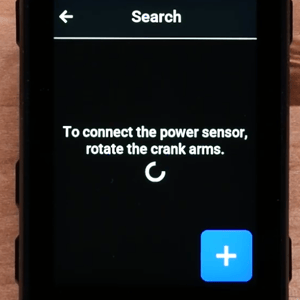
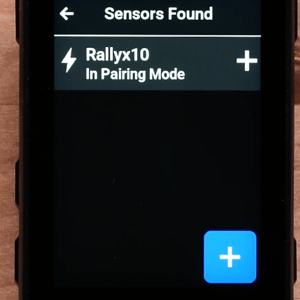
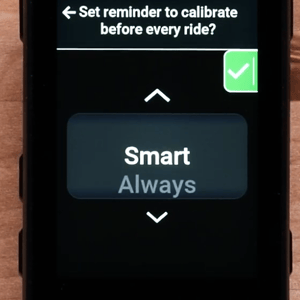
The entire installation and setup are intuitive and can be completed by most people without following instructions. The exception is the very first pedal initialisation and pairing to the Connect app.
Out of the box, you get the usual suspects and nothing out of the ordinary: Rally power meter pedals (spindles and bodies), cleats (SPD-SL or SPD depending on model), magnetic charging clips (two), USBC charging cables, pedal washers, and documentation.
Installation Requirements
Installation is easy and only requires a 15mm spanner/wrench.
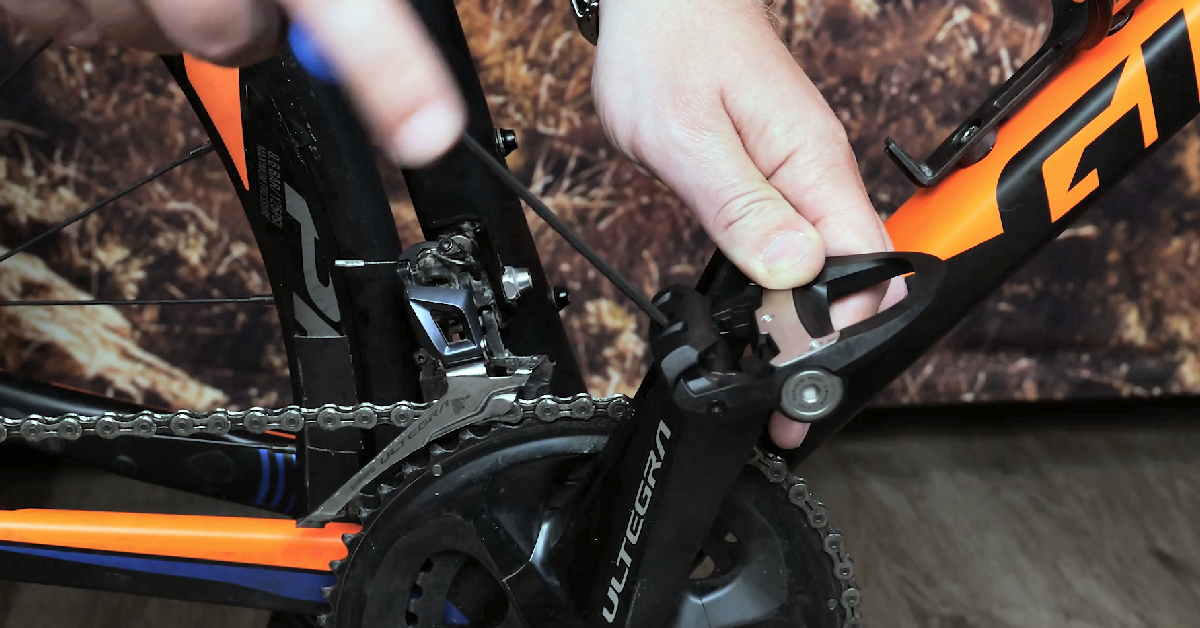
Tighten it as hard as you can, and if you plan to remove them often, a dab of grease on the threads will help later.
No external pods (e.g., Vector), magnets (e.g., Shimano R9100P), or proprietary adapters are required.
Optionally, you can set the spring tension to make unclipping easier. Setting it at 50% is good for most people.
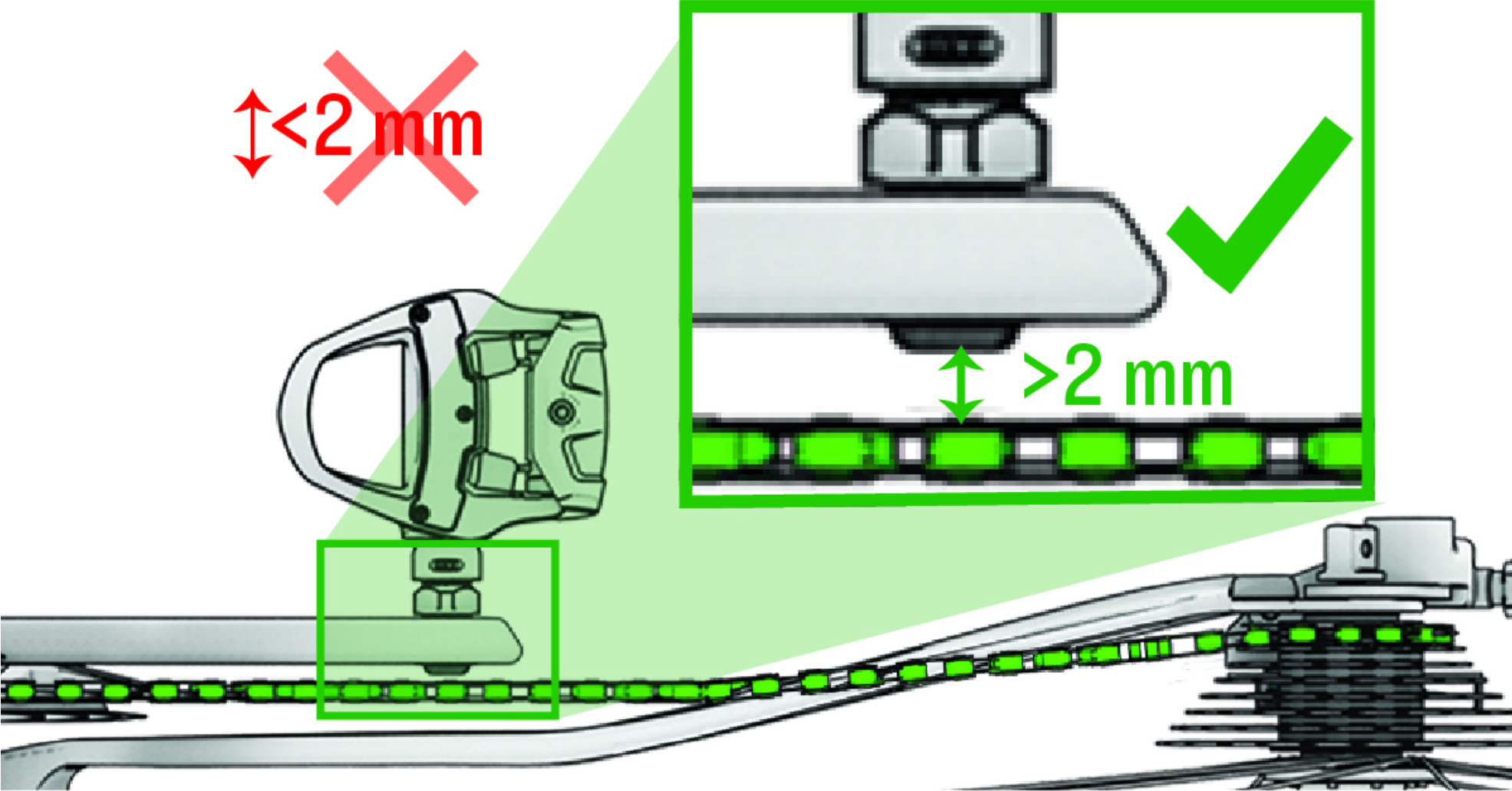
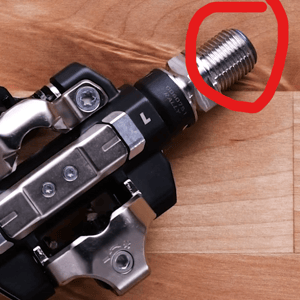
Tip: Use one and only one washer if the end of the power meter rubs against the chain. It must not rub, ensure 2mm clearance.
Pairing with the Connect App and Devices
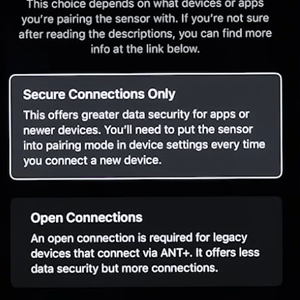
Charge the pedal for a second or so until you get the blue flashing light. It’s ready to pair with Garmin Connect, where you can check for firmware updates and choose secure connectivity (select open instead).
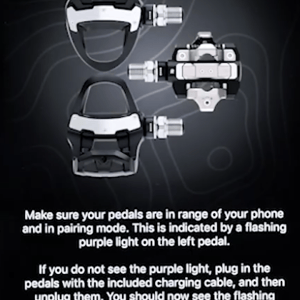
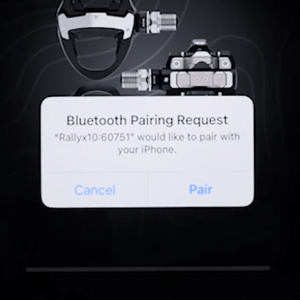
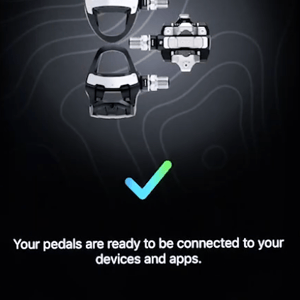
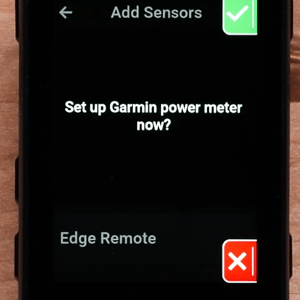
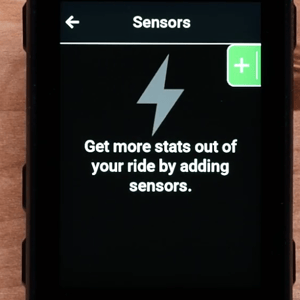
You’re now ready to pair to multiple bike computers, apps or watches.
Secure Bluetooth connections require repeated connections, and I don’t recommend them unless you have a specific reason to use them.
You will need to use Open (normal) Bluetooth connections for apps like Zwift, and will have a choice between Bluetooth and ANT+ for most bike computers. If you’re not sure whether to use ANT+ or Bluetooth, use Bluetooth; either is fine.
Who Should Buy the Garmin Rally?
Rally is suitable for any rider, from a complete novice to a professional. Its suitability stems from a wealth of features:
- Those who want long battery life (90 hours) and quick-charge capabilities.
- Someone seeking a single versatile power solution – pedals can be swapped between bikes, and pedal bodies can be swapped for different riding conditions (e.g., road /gravel rider, triathlete).
- Anyone seeking to stay within the Garmin ecosystem and benefit from its range of niche features, such as Pedal IQ.
Alternatives to Garmin Rally
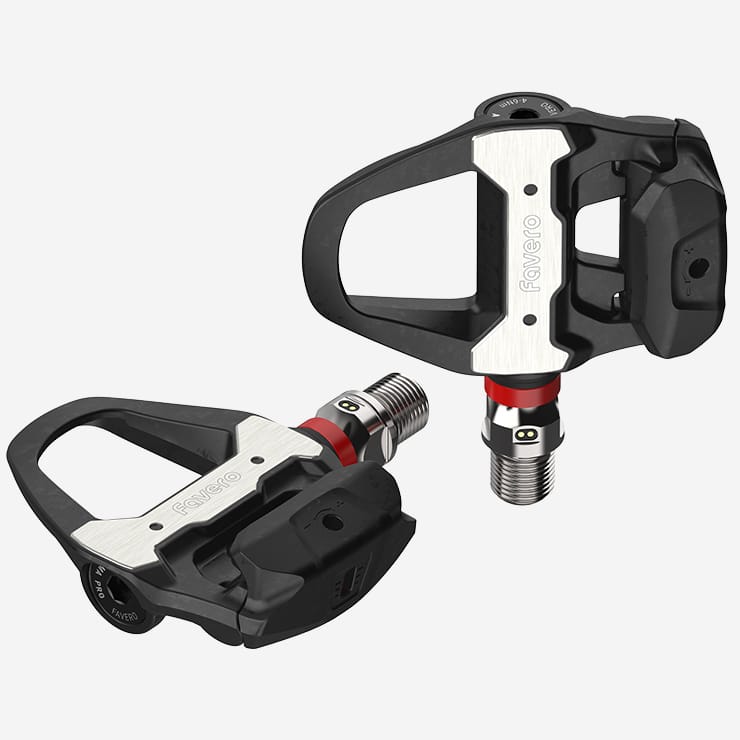
The Favero Assioma PRO RS/PRO MX are direct competitors to Rally with the same features and quality but at notably lower price points. Most people seeking a pedal solution should get Assioma.

The most common alternatives are crankset-based. Typically, you would retrofit a sensor like 4iiii Precision 3+ to your Shimano crankset to buy a whole new crankset – the excuse for you to try smaller crank lengths!
The cheapest route to cycling power that I would recommend is with a single-sided 4iiii crank-based power meter. You can buy a replacement left-side crank or get a small pod retrofitted to your existing crank.
There are many other alternatives.
Final Take Out
Garmin’s Rally RS210 represents a superb technical culmination of over 10 years of engineering development. Almost every aspect of Rally is close to perfect. Weight and Price are the only two factors you should worry about.
Garmin Rally 210/110 price: where to buy
You can buy online from Garmin or from other larger online bike stores, such as Power Meter City in the USA. Garmin tends to frown on them being sold on Amazon, which is good as it means you end up supporting a bike store – bricks and mortar or digital.
Warranty and support: In the worst-case scenario, a pair of pedals is relatively easy to send in for repair. To avoid hassles with international returns and customs, I strongly advise you to buy from a retailer in your own country, even if that means paying a slight premium. You should get a warranty of at least a year, so check exactly what your retailer offers beyond that. Garmin tends to be quite good at resolving genuine out-of-warranty product issues.
Sources and Resources
- Changing pedal body video
- Garmin Product Page
- Garmin Rally Manual
- GP Lama YouTube Review (Excellent)
- slowtwitch (First Look)
- Bike Radar
Last Updated: 17 December 2025 | Review Scheduled: March/April 2026
Last Updated on 3 October 2026 by tfk the5krunner
Small things I always use
- Garmin 90-degree charging adapter: Charges your Garmin from any USB-C cable. Essential when travelling. I use one.
- Body Glide: The blue anti-chafe stick swimmers and runners carry. I use it.
- Speedo earplugs: Fewer ear infections and no cold-water dizziness. I use them.
- Dryrobe Advance: My winter changing robe for open-water swims. I use one. A cheaper option is the AONYIYI changing robe.
- Maurten: Race fuel that stays easy on the stomach. I use them.
- Garmin charging puck: The quickest way to top up before a session. I use one.
- Injinji: Toe socks that stop rubbing, so you run more. I use them.
- Ultimate toe protectors: Stop black toenails on long runs. They work. I use them.
- Compressport R2 v2 calf sleeves: My calf sleeves of choice. I use them.
- Cellucor C4: My pre-workout before hard sessions.
- TPU tubes: Schwalbe Aerothan, Tubolito and Pirelli SmarTube. Light, tiny spares. I use all three.
- G8 insoles: Adjustable insoles that are good. I use them.
- Cycplus Cube: A 97g electric pump that gets a road tyre rideable in two minutes. I carry one. 5% off with code THE5KRUNNER.
Watches and sensors
- Polar H10: My daily driver for waking HRV.
- Polar Verity Sense: My backup arm-worn HR sensor.
- Nomad bedside charger: Charges my iPhone and Apple Watch overnight. I use it, and many of their bands.
- Train.Red: The best muscle oxygen sensor I’ve used.
- Tymewear: Accurate heart rate and reliable ventilatory zones. I use it to pace endurance rides over an hour.
- Garmin Forerunner 970: A pro-grade triathlon watch. I use this.
- Apple Watch Ultra 4: My daily smartwatch. No phone needed on rides.
- Garmin Fenix 9 Pro: I’ve just bought one.
On the bike
- Continental GP5000 for everyday riding, and Aero 111 on the front for special occasions.
- Helmets: Specialized S-Works Evade 3 for road riding, and Rudy Project Wing for TT-style races. I use both.
- Ravemen FR300: A front light that mounts under your Garmin or Wahoo. I use one.
- Wahoo TRACKR Radar: I use it on one bike and Varia on the other. They perform the same.
- Garmin Varia RTL515: Radar that warns you of cars from behind. I use this model.
- Wahoo ELEMNT Roam 3: The bike computer that’s easy to use. I use mine on most rides.
- Favero Assioma Pro RS2: Accurate power pedals that swap easily between bikes. I use this model.
Home and indoor training
- NPE Runn: Makes my basic treadmill smart, sending more accurate speed and distance to my watch and Zwift. I use it.
- Google Wifi: Keeps Zwift connected in my pain cave. I use it.
- Apple TV 4K: Zwift on the big screen. I use two.
- Google Nest Doorbell (wired, 2nd gen): My video doorbell, running in both Google Home and Apple Home. I use it.
Health, recovery and sleep
- FreeStyle Libre 3 Plus: Shows how my blood sugar responds to diet.
- hDrop: Measures my sweat loss in summer and indoors.
- Fourth Frontier Zone: Checks my heart under load in hard sessions.
- Oura Ring 5: My partner’s recovery tracker of choice.
- Kineon MOVE+: Red light therapy for niggles. It works.
- Eight Sleep: A cooling mattress cover my partner and I use nightly.
Reader-Powered Content

This content is not sponsored. It’s mostly me behind the labour of love, which is this site, and I appreciate everyone who supports it.
Support the site: Follow (free, fewer ads) · Subscribe (paid, ad-free) · Buy Me A Coffee ❤️
Written by real people, with AI assistance. Fact-checked and verified for originality. See the Editorial Policy. FTC: Affiliate Disclosure — some links pay commission. As an Amazon Associate, I earn from qualifying purchases.

tfk is the founder and author of the5krunner, an independent endurance sports technology publication. With 20 years of hands-on testing of GPS watches and wearables, and competing in triathlons at an international age-group level, tfk provides in-depth expert analysis of fitness technology for serious athletes and endurance sport competitors. ID

For my Look Keo situation: Wow, that’s a steep price hike (500 vs ca 1000 bucks) to get slightly nicer looking pedals with basically same feature set and accuracy. So i guess i’ll stay with my trusted Favero Assioma pedals until they fall apart.
i sold my old bepro and assioma duo (no shi) and got the pro rs. i gt a good price for the old pedals that almost paid for the new ones. they’re nto that much better i suppose. i just prefer the shimano pedal body/cleats
Looking back at almost ten years of bumping various Favero pedals into various things at different intensity, I’d say that the main benefit of duals is clarity about the measurements of the crashed side going off. Spoiler: never happened. But I’d sure be full of doubt about accuracy if I did not have the comparison between the side that recently crashed and the side that did not.
interesting, never thought of it that way.
i’d assume i had some medical or gait problem that needed months of expensive rehab”