Garmin Hikers – account for over a third of inReach SOS callouts
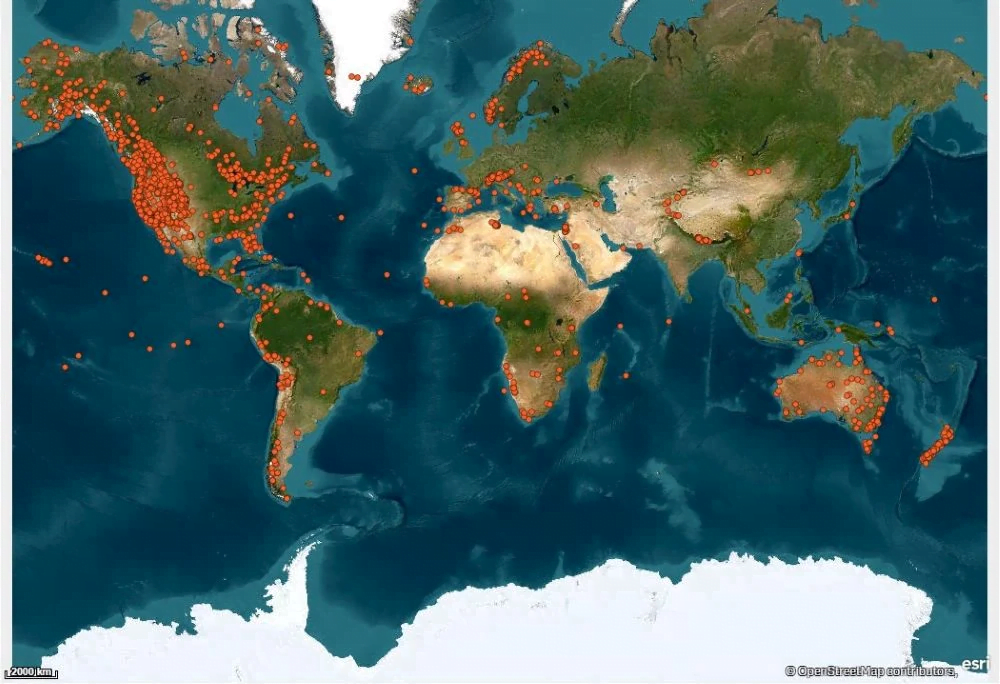
Garmin data from 2023 reveals that inReach devices are a vital tool for adventurers. Last year, the largest proportion of SOS incidents originated from hikers and backpackers, with a significant increase occurring in driving-related situations.
Garmin Response is a service that offers 24/7 emergency monitoring and response coordination, serving over 200 countries and territories in more than 210 languages. Responses range from local emergency services on major highways to technical rescues on Mount Everest, covering incidents as diverse as plane crashes and wildlife encounters.
In 2023, the the largest number of SOS alerts came from hikers and backpackers, followed by driving and motorcycling incidents. The year also saw significant increases in driving-related SOS incidents, climbing, and fishing emergencies.
Reason for callout
The primary reasons for triggering an SOS in 2023 were injuries and medical issues, followed by vehicle accidents and other emergencies like getting lost or stranded, boating accidents, and reporting wildfires.
While many SOS incidents were for the inReach users themselves, over half were for their party members or third-party individuals. Dispatch responses frequently involved helicopters, ambulances, and search and rescue teams, with self-rescue achieved in nearly 10% of incidents.
Take Out
Satellite coverage and 24×7 emergency response are vital if you embark on sports or activities off the beaten track.
These devices are, however, not small with the inReach Mini 2 coming in at 5.17 x 9.9 x 2.61 cm and inReach messenger at 7.8 x 6.4 x 2.3 cm. They are not cheap either, starting at around $/£300The chances of the technology being further miniaturised and finding its way to a Garmin Fenix adventure watch soon are slim. That said the iPhone 14 has an emergency satellite facility (see dcrainmaker.com) although that will leverage the iPhone’s already sizeable antennae (compared to a watch)
All articles are written by real people, fact-checked, and verified for originality. See the Editorial Policy. FTC: Affiliate Disclosure — some links pay commission. As an Amazon Associate, I earn from qualifying purchases.
tfk is the founder and author of the5krunner, an independent endurance sports technology publication. With 20 years of hands-on testing of GPS watches and wearables, and competing in triathlons at an international age-group level, tfk provides in-depth expert analysis of fitness technology for serious athletes and endurance sport competitors.