The 10 Wellness Trends That Will Shape 2026
From women’s longevity and nervous system health to disaster preparedness as self-care, here’s what the Global Wellness Summit says is coming this year
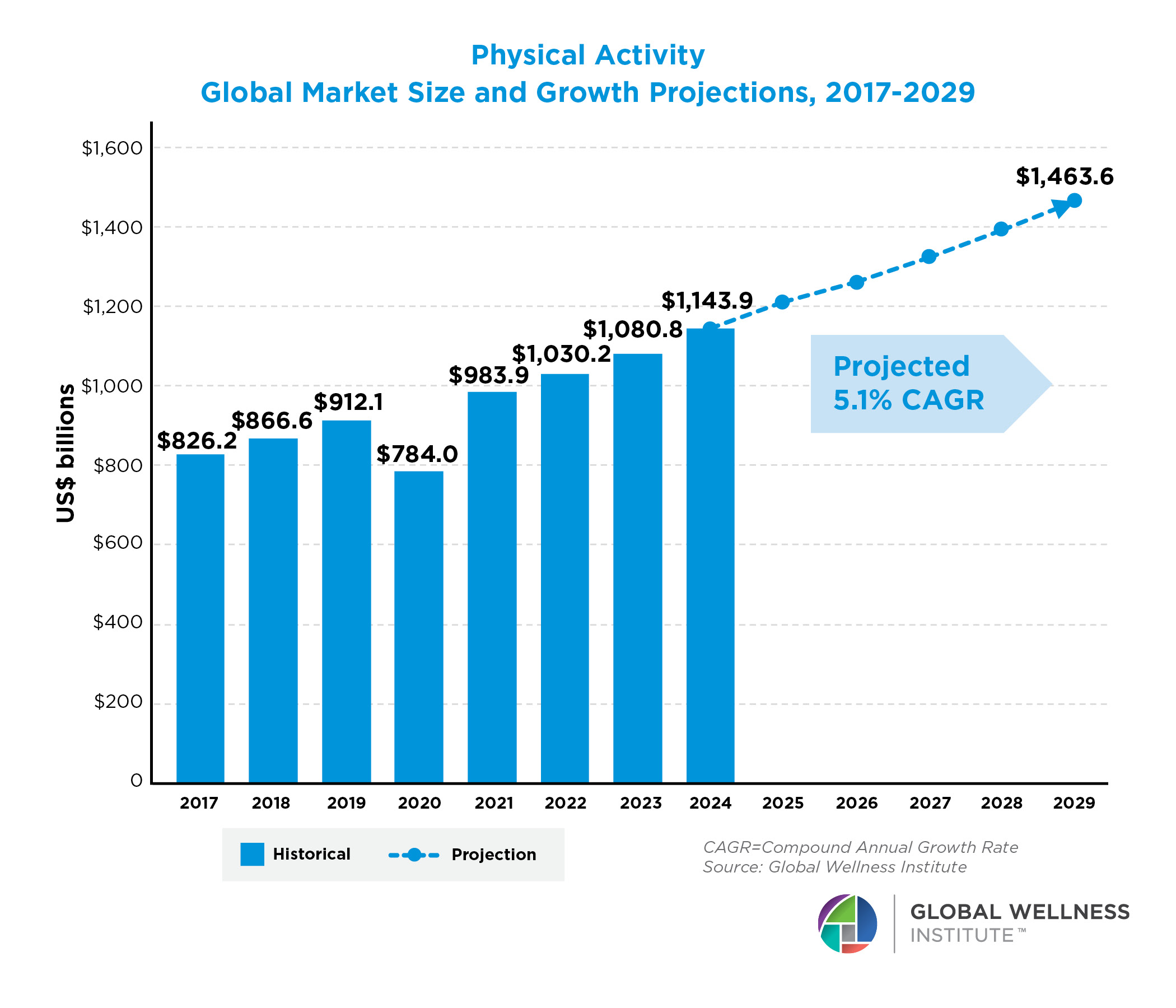
The wellness industry keeps growing. The global wellness economy hit $6.8 trillion last year and is expected to reach nearly $10 trillion by 2029, according to the Global Wellness Institute.
People are beginning to understand more about the issues that affect them and are asking more complex questions about who wellness has been designed for in the first place and how it applies to them.
The Global Wellness Summit just released its 2026 trends report, identifying 10 shifts that will define the industry this year. These represent trends in behaviours and beliefs and present opportunities for the wellness industry to accommodate its customers’ emerging needs through its products and services.

1. Women Finally Get Their Own Lane in Longevity
For years, the longevity market has treated women as an afterthought. Research was done on men, protocols were designed for men, and women were expected to make it work anyway.
That’s starting to change.
New research shows that women age differently from men in ways that matter. The ovaries, it turns out, play a much bigger role in overall health than previously understood. When ovarian function declines, it triggers a chain reaction of health issues that women deal with more often—and for longer—than men.
In 2026, clinics, wellness retreats, telehealth platforms, and gyms are shifting to address women’s health needs directly. The focus is moving beyond just managing menopause symptoms to actually addressing ovarian ageing, with programs designed for women at every stage of life.
Equinox launched its Women’s Health and Performance Initiative last year, building out programs that support women through different life stages. Expect more brands to follow.
The culture is shifting, too. Less “become superhuman.” More “be human.”
2. The Backlash Against Over-Optimisation
Sleep scores. Heart rate variability. Glucose graphs. Biological age tests. At some point, wellness stopped being something you feel and became something you perform, analysed in detail – perhaps too much detail.
And people are not enjoying it; some are being consumed by it.
Therapists are seeing clients whose health data habits have tipped from helpful into obsessive. Instead of feeling motivated, many people feel anxious about getting wellness (life) wrong. The constant tracking creates pressure, not peace.
What’s happening now is more a course correction than outright rejection of the underlying activities and their science. People are looking for approaches that prioritise how they actually feel over what their apps say. They want nervous system regulation, not performance metrics. Emotional repair, not optimisation hacks.
The wellness industry said everything could be measured and improved. But it turns out things need to be lived.
3. The Rise of Neurowellness
The constant notifications, the blurred lines between work and home, the blue light, the news cycle, the pressure to be productive—it all adds up.
Many people wallow in a low-grade state of stress, tweaking it rather than transforming it. And it shows in the outcomes we experience: poor sleep, anxiety, brain fog, digestive issues, weakened immunity.
Neurowellness is the industry’s response. It’s helping the nervous system regulate and recover before things break down—not just treating problems after the fact.
This isn’t the same as mental health care, though there’s overlap. Neurowellness focuses on building capacity and flexibility in the nervous system through tools like vagus nerve stimulation, somatic practices, sensory design, and wearable tech.
Brands like Pulsetto (a vagus nerve stimulator), Hapbee and Elemind (an AI-powered sleep headband) are growing in this space. Expect to see neurowellness in commercial settings as well as home settings – hotels and workplaces.
4. Fragrance Layering
Perfumes have historically shifted from masking odours to smelling good. Now it’s becoming something more personal.
Fragrance layering involves scent combinations to create something unique to you and has been practised for centuries in Egypt, Arabia, and India. But Gen Z and Millennials are bringing it back, fueled by TikTok and brands that encourage experimentation.
Apparently, the trend has its own vocabulary now. “Smellmaxxing” is a thing. So are fragrance wardrobes, where you rotate scents based on mood, season, or occasion.
Use is extending beyond personal fragrance into public places. Spaces are being designed with scent in mind. Fragrance tech systems shift aromas throughout the day based on what you’re doing or how you’re feeling – think of the supermarket freshly baked bread section, but on a more personalised scale at home or work.
Wellness and sports algorithms drive us towards similar improved states, whereas fragrance layering brings back personal taste.
5. Disaster Preparedness Becomes Wellness
Wellness is about protection—from illness, from stress, from ageing. But as climate disasters become more common, a new kind of protection is entering the conversation: being ready for emergencies. I’m guessing this is an American thing…
This sounds like survivalist (prepping for armageddon or the next US civil war), but it’s being framed differently. Having a disaster plan will become as normal as having a fitness plan. It’s about practical readiness, yes, but also about managing the anxiety that comes from living in uncertain times.
The wellness industry might want to pay attention. changes could include fitness studios serving as emergency shelters or retreats, adding preparedness skills to their programming. Apps like Genjo offer mindfulness tools designed specifically for climate anxiety.
The bigger opportunity might be psychological. People are scared about what could happen, and they’re also processing what has already happened. Wellness brands that can hold space for both fear and recovery will find an audience.
6. Skin Longevity Replaces Anti-Ageing
Anti-ageing was about fighting time—hiding wrinkles, reversing damage (by putting substances on your skin that you never really quite knew where they came from). Skin longevity is about optimising long-term skin function. Skin is a health indicator and needs to be understood; it’s not simply a layer to fix.
Science is getting more sophisticated. L’Oréal developed Cell BioPrint, a test that assesses cellular ageing. We’ve had Whoop’s health age and Garmin’s fitness age; diagnostics can now identify your skin’s biological age. Treatments are becoming more personalised and preventive.

In the future, skincare will probably look less like serums and more like supplements, red light therapy (see my 2025 Prungo Review), and personalised protocols based on your specific biology. Skin might become another biomarker we track—like cholesterol or blood sugar.
7. Wellness Gets Social
A new wave of events is popping up that combine fitness and wellness with festival culture. Maybe we will see more wellness raves, sober morning dance parties, and multi-day gatherings that prioritise connection and joy over strict protocols (hmmm!).
However crazy these events might initially sound, they respond to something real: people are lonely, stressed, and are full of screen fatigue. They want to be in rooms with other people, moving their bodies, feeling something.
The approach is different from traditional wellness. It’s not about doing things “right.” It’s about creating spaces where people can explore what feels good without judgment.
Surprisingly, the report cited Hyrox as an example of this. Perhaps Hyrox events will become less testosterone-fuelled in 2026?
There is apparently a growing number of wellness-focused social spaces—including women’s sports bars and fitness studios that double as nightlife. As alcohol consumption continues to decline, especially among younger people, these gatherings offer an alternative way to socialise.
8. Women’s Sports Keep Growing
Global revenue for women’s sports hit $1.88 billion in 2024 and was projected to exceed $2.35 billion in 2025. But the change is bigger than dollars and cents.
Female athletes are becoming more visible as competitors, entrepreneurs, and marketing forces than they were before. Women’s sports bars are opening across the country. Major brands are centring female athletes in campaigns.
For the fitness industry, this matters because it’s shifting how women think about their own bodies. There’s growing interest in strength training, lifting heavier, and building capability—not just losing weight or getting smaller.
This is showing up across age groups. Women in menopause are picking up barbells. Gen Z is redefining what fitness looks like. The emphasis is moving from aesthetics to performance and longevity.
9. Microplastics Become a Health Concern
For years, microplastics have been framed as an environmental problem. The realisation is beginning to dawn that this is a significant human health issue. Early research links exposure to inflammation, hormonal disruption, and cardiovascular problems.
Each year, an estimated 130 million metric tons of plastic enter the environment, breaking down into particles we ingest through bottled water and packaged food, inhale from synthetic clothing fibres, and absorb through everyday products.
What can you do about it?
Some of the answers overlap with existing wellness trends: eating more fibre, using saunas, and improving sleep. These may help the body process and eliminate microplastics.
New technologies that directly remove microplastics from the body are being developed, though the research is still in its early stages. Private clinics in London are already offering treatments—at a price. Even the author’s partner wants to install a mains water filter to remove microplastics (mainly because we spend a small fortune annually on bottled water).
10. Longevity Moves Home
That’s the driving idea behind longevity residences—residential developments explicitly designed to support healthspan. These go beyond typical wellness amenities to integrate preventive medicine, advanced diagnostics, AI-enabled health tracking, and therapeutic interventions directly into the home environment.
One example is Velvaere in Park City, where residents can access infrared therapy, IV treatments, hyperbaric chambers, cryotherapy, and personal training without leaving their community.
For now, most longevity residences sit firmly in the luxury tier. But as diagnostics get cheaper and AI-driven healthcare scales, these concepts could spread more broadly.
The vision is homes that actively support health across decades—not just places to live, but partners in how we age.
What It All Means
Looking across these 10 trends, three themes stand out.
- First, wellness is becoming more personal and less prescriptive.
- Second, there’s a growing recognition that mental and nervous system health matters as much as physical fitness.
- Third, community and connection are reinventing themselves.
I first read the article and scoffed a little. However, several of the examples hit home. After more thought, several examples of friends’ opinions and behaviours chimed with what the report is saying. Even seeing young girls in the gym trying to gain muscle is definitely a new thing, and wouldn’t have happened even 3 years ago
Last Updated on 31 January 2026 by the5krunner
Reader-Powered Content
This content is not sponsored. It’s mostly me behind the labour of love, which is this site, and I appreciate everyone who supports it.
Support the site: Follow (free, fewer ads) · Subscribe (paid, ad-free) · Buy Me A Coffee ❤️
All articles are written by real people, fact-checked, and verified for originality. See the Editorial Policy. FTC: Affiliate Disclosure — some links pay commission. As an Amazon Associate, I earn from qualifying purchases.
tfk is the founder and author of the5krunner, an independent endurance sports technology publication. With 20 years of hands-on testing of GPS watches and wearables, and competing in triathlons at an international age-group level, tfk provides in-depth expert analysis of fitness technology for serious athletes and endurance sport competitors.

Good point about wellness tracking becoming exhausting. One need only look at food logging for how much of a chore this can be.