Sapphire vs Gorilla Glass: How Kunlun Glass Differs
Huawei’s Kunlun Glass has an impressive drop-test performance, but is it merely a rebrand of Gorilla Glass or Sapphire?
Well, it is a chemically different material. If you need to know more than that about watch glass types, get ready for a deep dive of oceanic proportions – i.e. you might want to use the table of contents to skip forward to the section that most interests you.
Core chemistry
Glass types are often made of silica (sand, SiO2) and aluminium oxide (obtained from bauxite), with other additions, and are processed in various ways to achieve superior performance characteristics. As you can see, Kunlun glass is more than a mere marketing term. It is chemically different. Let’s leave it at that for now, and I’ll explore in more detail further below what that means.
- Kunlun Glass: Li2O⋅Al2O3⋅nSiO2 – (A lithium aluminosilicate glass-ceramic)
- Gorilla Glass: SiO2⋅Al2O3⋅Na2O – (Aluminosilicate glass with K+ ion-exchanged surface)
- Sapphire: Al2O3 – (Single-crystal aluminium oxide known geologically as corundum)
- Ion-X Glass: SiO2⋅Al2O3⋅Na2O – (Ion-strengthened aluminosilicate glass)
- Mineral Glass: SiO2⋅Na2O⋅CaO – (Thermally tempered soda-lime glass; harder than plastic but softer and more brittle than aluminosilicate)
- Acrylic ‘Glass’ (plastic): (C5O2H8)n – (Polymethyl methacrylate)
The Age-Old Trade-Off: Hardness vs Toughness, Scratching vs Shattering
Before examining specific glass types, you need to understand the core properties and trade-offs involved.
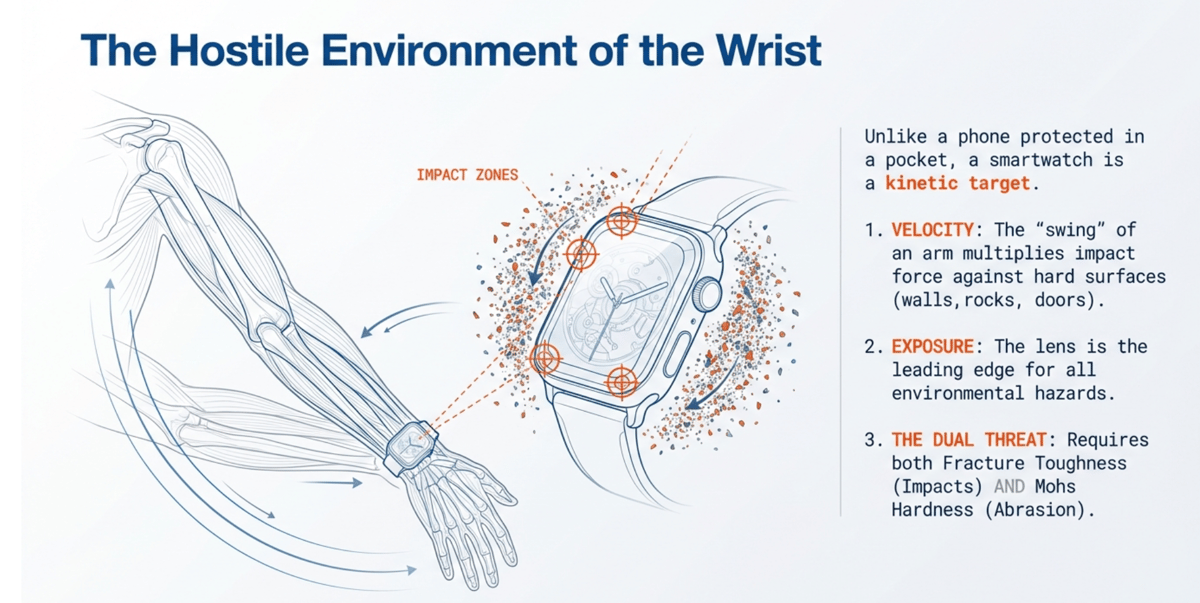
Hardness is resistance to scratching. Toughness is resistance to shattering. These are completely different properties, and improving one often compromises the other. Sapphire glass is very hard to scratch, whereas Apple Ion-X is much easier to scratch. However, when dropped from a height, Sapphire is more likely to shatter.
Optical properties also play a role, influencing reflectivity, contrast, and light transmission.
Traditional Glass Types
Let’s discuss the various glass types in a bit more detail. If you didn’t already know, hardness is measured on the Mohs scale, with diamond (10) being the hardest. A hard thing will always scratch a softer thing. If you think you have a diamond but a real diamond scratches it, then you don’t have a diamond.
Example: Mohs 9 Rating – Means it is scratched by a Level 9 tool and scratches anything rated lower. Sapphire lenses may perform worse than the theoretical ‘9’ value due to impurties and you should note that this is a non-linear scale, so ‘7’ is quite a long way from ‘9’.
Standard Glass (Mineral Glass)
- Hardness: Mohs 5-6
- Used in: Budget watches, older models
This is glass 101. Plain old glass. It scratches easily from everyday materials and offers moderate impact resistance. As a result, it is rarely used for modern premium watches.
Sapphire Crystal
As noted, Sapphire is crystalline aluminium oxide. It’s been the gold standard for premium watch glass since the 1970s.
- Hardness: Mohs 9 (up to, very hard)
- Used in: Premium watches (Rolex, Omega, Apple Watch stainless/titanium, Garmin Sapphire editions, Huawei Watch Ultimate)
Scratch resistance is exceptional, and the more expensive Apple Watches with sapphire glass have been shown to withstand scratches from most common items. However, the impact resistance is poor. Annoyingly so. Sapphire watches invariably sell for premium prices, so if yours shatters, it becomes an expensive accident.
Another general property of sapphire glass is that it has significantly higher screen reflectance (i.e., higher reflectivity) than, for example, Apple’s cheaper Ion-X glass, reducing contrast in bright conditions.
Other fun facts have been unearthed by @JerryRigEverything when testing and comparing the Apple Watch Ultra, Samsung Galaxy Watch5, and Garmin Fenix 7. Purity matters. Surprisingly, the Garmin Fenix 7 had the purest sapphire crystal of the three, performing at Mohs levels 6 and 7, whereas the Apple Watch Ultra wasn’t quite as good and showed minor abrasions (Note: tested lower than the theoretical 9 level)
Chemically Strengthened Glass
These glasses undergo an ion-exchange process where the glass is submerged in a hot potassium salt bath. Smaller sodium ions in the glass are replaced by larger potassium ions, thereby creating compressive stress that increases the glass’s hardness and resistance to damage.
Apple Ion-X Glass
- Hardness: Scratches at Mohs 6-6.5
- Used in: Apple Watch aluminium models (SE, standard Watch aluminium editions)
- Optical properties: Superior to sapphire. At 500 lux indoor lighting, contrast ratios were 64 for Ion-X versus 38 for sapphire.
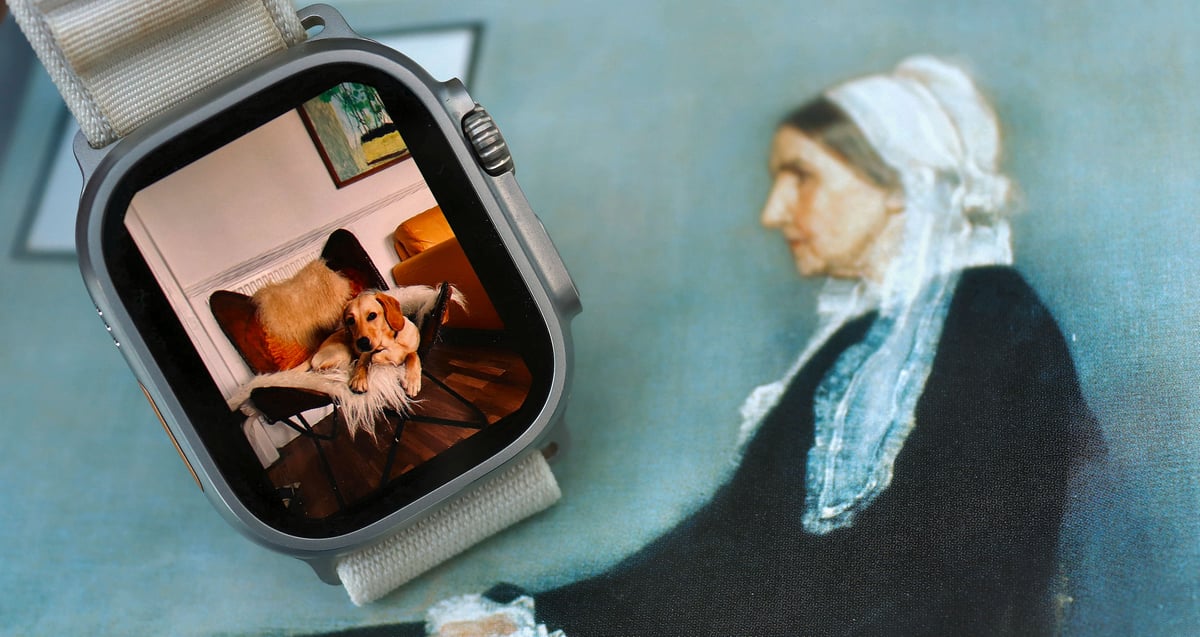
Apple’s Ion-X is a chemically strengthened aluminosilicate glass (sandy aluminium!). Apple’s description of how Ion-X glass is made is almost identical to Corning’s description of how Gorilla Glass is made. The impact resistance is claimed to be excellent. Ion-X strengthened glass is 2.5 times tougher than sapphire crystal and withstands more weight in a bend test (relevant for smartphones).
JerryRigEverything tested an older Apple Watch Sport and found it was unscathed by a Mohs 7-rated pick. Test results vary, and my personal experience suggests otherwise. Every cheaper Apple Watch I’ve owned (with Ion-X pre-2025) has scratched and/or cracked, whereas none of my sapphire ones have.
Corning Gorilla Glass (Standard Versions)
- Hardness: Mohs 6-7
- Used in: Most Android smartphones, many smartwatches
Corning’s Gorilla Glass is the industry standard, found in over 8 billion devices. Multiple generations exist, and I’ve listed them below in a timeline; those in red are used on smartwatches.
- Gorilla Glass (2007): The original, used on the first iPhone. Up to 30 times more scratch-resistant than plastic.
- Gorilla Glass 2 (2012): 20% thinner for the same strength
- Gorilla Glass 3 (2013): Three times more scratch-resistant than version 2
- Gorilla Glass 4 (2014): Improved drop performance (Surviving 1 metre 80% of the time)
- Gorilla Glass 5 (2016): Improved drop performance(surviving 1.6 metres, face-down, 80% of the time)
- Gorilla Glass 6 (2018): Survives twice as many drops as Gorilla Glass 5
- Gorilla Glass DX (2018): Anti-reflective properties and outdoor-readability versions for wearables. Used on Garmin watches.
- Gorilla Glass DX+ (2018): Improved anti-reflective coating and durability. Used on Samsung Galaxy Watch models and premium Garmin watches.
- Gorilla Glass Victus (2020): Two-metre drop protection, twice the scratch resistance of Glass 6 (Samsung Galaxy Watch 4 and Watch 5 series)
- Gorilla Glass Victus 2 (2022): Improved drop performance on rough surfaces (concrete), maintaining scratch resistance
While newer glass, such as Victus 2, is definitely tougher against drops, multiple reports indicate that it picks up fine scratches more easily than older Gorilla Glass 5, essentially because its surface is softer.
Corning Gorilla Glass DX / DX+
- Used in: Garmin Fenix Solar models, Samsung Galaxy Watch, smartwatch displays
- Hardness:
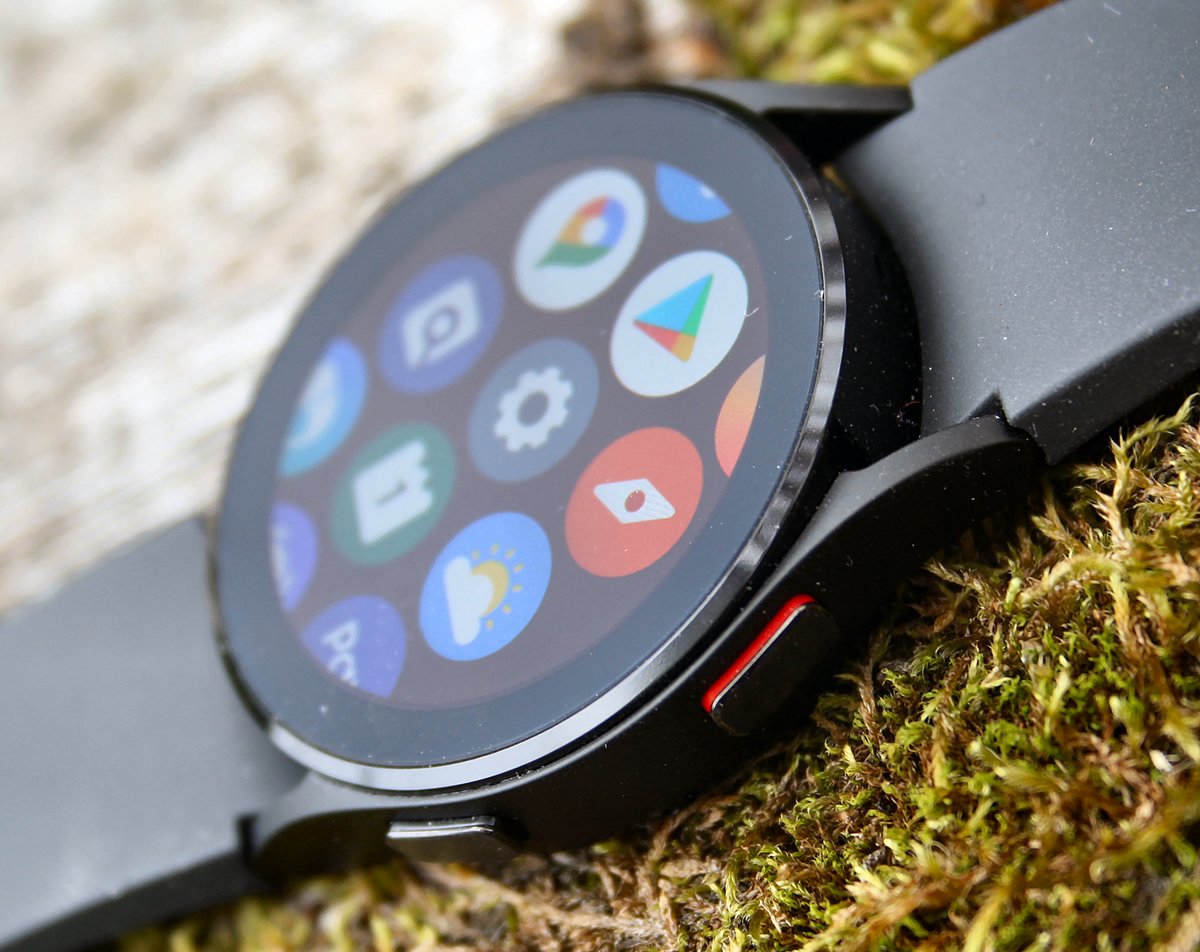
These are glass composites designed specifically for wearables, with enhanced anti-reflective properties. Both Gorilla Glass DX and Gorilla Glass DX+ enhance display readability by reducing front-surface reflection by 75% relative to standard glass and increasing the display contrast ratio by 50%.
Garmin Glass
Garmin’s Power Glass and Power Sapphire are its brand names for the glass used with its solar-charging models.
- Garmin Power Glass: Garmin Fenix 6X Pro Solar, Instinct Solar, Enduro, Forerunner 955 (non-sapphire solar models)
- Garmin Power Sapphire: Garmin Fenix 7X Sapphire Solar, Enduro 2
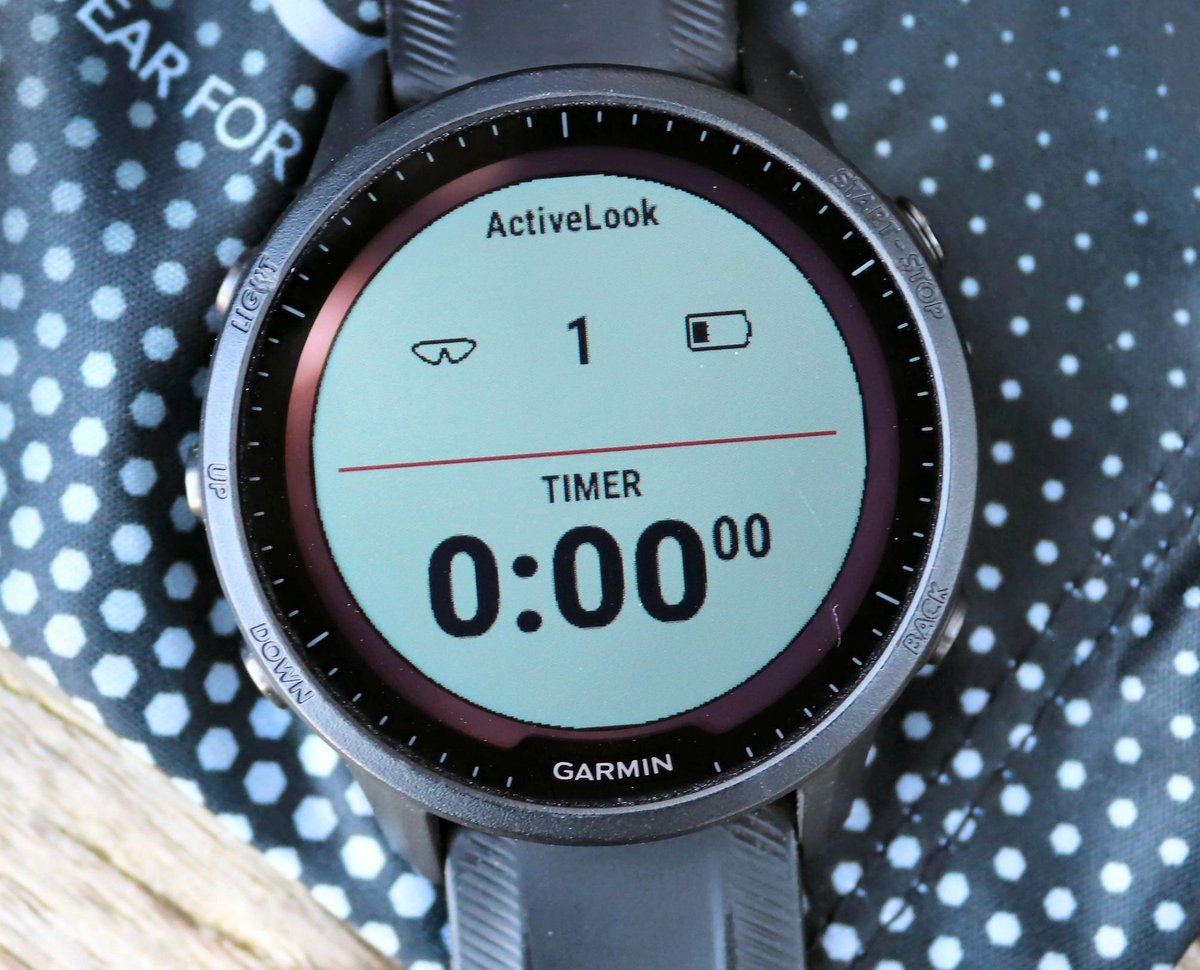
Power Glass is Garmin’s term for their solar-charging lens. In reality, it is Corning Gorilla Glass 3 with DX Coating—the “Power” refers to solar charging capability and is unrelated to durability or toughness. Again, this is not as durable as a sapphire lens; therefore, Garmin also offers a harder sapphire alternative with higher reflectivity.
Glass-Ceramic Composites (The New Generation)
This is where Kunlun Glass fits in. Kunlun Glass is similar to Apple’s Ceramic Shield: both incorporate glass crystals within a glass matrix, thereby combining the properties of glass and ceramics at high temperatures. Honor NanoCrystal Shield and Xiaomi Shield Glass are also similar.
Apple Ceramic Shield
- Hardness: Comparable to standard Gorilla Glass (Mohs 6-7)
- Used in: iPhone 12 and later (front display, not camera lens, not watches)
- Impact resistance: Significantly improved over traditional glass
Corning’s Ceramic Shield Glass contains crystals smaller than the wavelength of light, thereby maintaining optical clarity. Apple further claims that its use of Ceramic Shield glass provides 4x better drop protection than previous iPhones.
The interlocking structure of its crystals distributes impact forces, reducing the likelihood of cracks and chips.
Huawei Kunlun Glass
Kunlun Glass is a glass-ceramic composite produced by Chongqing Xinjing Special Glass Co. Huawei claims each piece contains “10 quadrillion high-strength nanocrystals.” That’s an impressive number, though I’m not quite sure what it means! In real terms, when a crack begins to form, it encounters these crystals and must navigate around them rather than travelling in a straight line, which requires more energy and often prevents the crack from spreading.
- Scratch resistance: Comparable to high-end Gorilla Glass (Mohs 6-7). Despite some marketing suggesting “9H hardness,” this misleadingly refers to pencil hardness, not the Mohs scale!
- Used in: Huawei Mate 50 Pro, Mate 60 Pro, Pura 70 series
What independent testing shows:
Kunlun Glass was the first to receive SGS 5-star drop certification under Huawei’s tested standard. However, other manufacturers have since achieved similar ratings.
In YouTube drop tests by PBKReviews, the Huawei Mate 50 Pro with Kunlun Glass survived multiple waist-high and head-high drops onto concrete. The first crack only appeared after the fourth drop, originating from a bent frame rather than direct glass failure.
For comparison, in the same tester’s methodology, the Gorilla Glass Victus 2-protected displays on the Galaxy S23 Ultra cracked on the first drop (waist-high, screen down).
Newer Versions
Kunlun Glass 2 (Super Durable Kunlun Glass): Found on Huawei Mate 60 Pro and Pura 70 Pro. Claimed 100% improvement in drop resistance over the first generation.
Crystal Armor Kunlun Glass: Found on Huawei Pura 70 Ultra. Adds a Diamond-like Carbon (DLC) coating for claimed 300% better scratch resistance over first-generation Kunlun Glass.
- Scratch resistance: superior to Gorilla Glass Victus 2
- Used in: Huawei Watch GT runner 2
The marketing spin:
- “10 times stronger” compared against unspecified “ordinary glass,” not commonly used smartphone glass
- Huawei hasn’t responded to requests for technical details from publications like Android Authority
Put the marketing to one side. What’s genuinely impressive: Drop resistance on rough surfaces like concrete appears superior to Gorilla Glass Victus 2 in multiple independent tests.
Quick Reference Tables
All that was information overload, sorry. You’ve probably skipped here to the end anyway. If so, here are some summary tables.
Smartwatch Glass Comparison
| Glass Type | Scratch Resistance | Impact Resistance | Optical Clarity | Found On |
|---|---|---|---|---|
| Sapphire Crystal | Excellent (Mohs 9) | Poor | Lower (more reflective) | Apple Watch SS/Ti/Ultra, Garmin Sapphire, Huawei Watch Ultimate |
| Ion-X | Good (Mohs 6-6.5) | Good | Best | Apple Watch Aluminium/SE |
| Gorilla Glass 3 | Moderate (Mohs 6-7) | Good | Good | Garmin Fenix Pro (non-sapphire) |
| Gorilla Glass DX | Moderate (Mohs 6-7) | Good | Better (75% less reflection) | Garmin Solar models |
| Gorilla Glass DX+ | Good | Good | Better | Samsung Galaxy Watch |
| Power Sapphire | Excellent (Mohs 9) | Poor | Lower | Garmin Sapphire Solar models |
| Kunlun glass 2 | Moderate (Mohs 6-7) | Good | Lower | Huawei watch GT Runner 2 |
Smartphone Glass Comparison
These are commonly used smartphone glass, putting Kunlun into perspective.
| Glass Type | Drop Resistance | Scratch Resistance | Technology |
|---|---|---|---|
| Kunlun Glass 2 | Excellent | Moderate (Mohs 6-7) | Glass-ceramic with nanocrystals |
| Crystal Armor Kunlun | Excellent | Good (DLC coating) | Glass-ceramic + DLC |
| Ceramic Shield | Very Good | Moderate (Mohs 6-7) | Glass-ceramic with nanocrystals |
| Gorilla Glass Victus 2 | Very Good | Moderate (Mohs 6-7) | Ion-exchange strengthened |
| Gorilla Glass Armor | Very Good | Good (Mohs ~7) | Advanced composition |
Frequently Asked Questions: Sapphire vs Gorilla Glass
Q: Is Sapphire stronger than Gorilla Glass?
A: Sapphire is harder (Mohs 9 vs 6-7), making it more scratch-resistant, but Gorilla Glass is tougher against drops and impacts.
Q: Why don’t all smartwatches use Sapphire?
A: Cost, brittleness, and reflectivity. Sapphire is expensive, shatters easily when dropped, and reflects more light than Gorilla Glass DX.
Q: Can Gorilla Glass be scratched?
A: Yes. Sand, concrete, and quartz (Mohs 7) will scratch Gorilla Glass. Pure sapphire glass resists these common abrasives.
Q: Is Kunlun Glass the same as Apple Ceramic Shield?
A: No. There are different chemistries and manufacturing processes, i.e. Kunlun Glass is Li₂O·Al₂O₃·nSiO₂, and Apple Ceramic Shield is SiO₂·Al₂O₃·Na₂O
Q: Are Kunlun Glass and Appel Ceramic shield harder than Gorilla Glass?
A: Yes, they both are harder, but you have to know which glass versions you are comparing. Here are the ranked hardnesses of their latest Vickers glass versions- Kunlun Glass 2 (830 HV), Apple Ceramic Shield (814 HV), Gorilla Glass Victus 2 (670 HV)
The Bottom Line on Kunlun Glass
Based on independent testing, Kunlun Glass appears to offer superior drop resistance compared with traditional strengthened glass, such as Gorilla Glass Victus 2. The glass-ceramic approach—embedding nanocrystals to deflect cracks—represents a significant engineering innovation, analogous to what Apple achieved with Ceramic Shield. The technological innovation is tempered by certain marketing claims about it.
What’s real:
- Superior drop resistance verified by multiple independent YouTube testers
- Legitimate SGS certification for drop resistance
- Glass-ceramic technology that genuinely works
What’s overstated:
- “10 times stronger” claims compare against vague baselines
- Scratch resistance isn’t notably better than competitors
- Marketing figures like “10 quadrillion nanocrystals” are meaningless
What remains unclear:
- Direct laboratory comparison with Apple’s Ceramic Shield
- Long-term durability data
- Reflectivity
- Why does Huawei use sapphire (not Kunlun) on their premium watches? – edit: Feb 2026 now it does with Watch GT Runner 2
For watches specifically, Kunlun Glass isn’t yet available—Huawei’s Watch Ultimate and Watch 4 series use traditional sapphire crystal, the same as competitors like Apple and Garmin.
The choice between glass types ultimately depends on your priorities: scratch resistance (sapphire), impact resistance (Ion-X, Kunlun, Ceramic Shield), or optical clarity (Ion-X, Gorilla Glass DX). No single material excels at everything. At least, not yet.
Last Updated on 2 March 2026 by the5krunner
Reader-Powered Content

This content is not sponsored. It’s mostly me behind the labour of love, which is this site, and I appreciate everyone who supports it.
Support the site: Follow (free, fewer ads) · Subscribe (paid, ad-free) · Buy Me A Coffee ❤️
All articles are written by real people, fact-checked, and verified for originality. See the Editorial Policy. FTC: Affiliate Disclosure — some links pay commission. As an Amazon Associate, I earn from qualifying purchases.
tfk is the founder and author of the5krunner, an independent endurance sports technology publication. With 20 years of hands-on testing of GPS watches and wearables, and competing in triathlons at an international age-group level, tfk provides in-depth expert analysis of fitness technology for serious athletes and endurance sport competitors.

Not “information overload” at all, this is just the right level for a serious read when making a decision. It’s very useful to have all these details in one place.
Excellent article, thank you.
thank you for your kind words!
Such words are useful for this kind of article. ie ones that you suspect only about 5 people are going to ever read! Gives me the motivation to write more niche ones.
Suunto not mentioned at all? I have the old suunto 9 baro titanium, daily drive for 4 years without any scratches, the anodized ti case is touch but did get some light scratches, nothing deep
suunto uses gorilla and sapphire. they are covered above.