
Simple Guide to Triathlon and Duathlon Distances: From Sprint to Iron
Understanding the various Triathlon and Duathlon distances is the first step for any multisport athlete, whether you are a seasoned competitor or a beginner looking for your first challenge. The distances are standardised across major governing bodies, such as World Triathlon (formerly ITU), and various commercial race series, such as Powerman, Challenge, and Ironman, though small variations are common.
It is important to note that “Ironman” is a registered trademark, not a race distance. Other organisations offering the same distance must use generic terms like Iron Distance or Long Distance to describe their events.
Triathlon Distances: Swim, Bike, Run Formats
Triathlons follow a swim/bike/run sequence. The standard distances are:
- Super Sprint: 400m swim / 10km bike / 2.5km run. Ideal for first-timers and those new to multi-sport.
- Sprint Distance: 750m swim / 20km bike / 5km run (or 400-500m swim if in a pool). A popular entry-level distance, often finishing in under 90 minutes for age-groupers.
- Standard Distance (Olympic): 1500m swim / 40km bike / 10km run. This is the distance used in the Olympic Games and is a significant step up, requiring a good level of fitness.
- Half-Iron or 70.3: 1900m swim / 90km bike / 21.1km run. The total distance is 70.3 miles, combining a 1.2-mile swim, a 56-mile bike, and a 13.1-mile run (half-marathon). This is often referred to as Middle Distance.
- Middle Distance (Non-Ironman branded): Often varies, but common formats include 2.5km swim / 80km bike / 20km run.
- Long Distance: 4km swim / 120km bike / 30km run. A significant endurance test.
- Iron Distance (140.6): 3.8km swim / 180km bike / 42.2km run. This distance, which includes a full marathon run, is a massive undertaking with a typical cut-off time of 17 hours for the full event. It is also referred to as a Long-Course Triathlon.
Duathlon Distances: Run, Bike, Run Formats
A Duathlon replaces the swim with a second run, following a run/bike/run format. This makes it a great choice for athletes who do not enjoy or have access to swimming; however, its invention is for out-of-season triathlon races or when the swim leg of a triathlon is cancelled.
- Super Sprint: 2.5km run / 10km bike / 2.5km run. The shortest format, perfect for beginners.
- Sprint Distance: 5km run / 20km bike / 2.5km run. This is the distance often used for the GB Elite Championships and is popular for those looking for a fast challenge.
- Powerman Sprint: 5km run / 30km bike / 5km run. A slightly longer variation often seen in European events (ETU).
- Standard Distance (Olympic): 10km run / 40km bike / 5km run. Often called Olympic Distance in the USA, and aligns with World Triathlon Championship distances.
- Classic Distance (Powerman): 10km run / 60km bike / 10km run. The Powerman Classic distance is a challenging Middle Distance event.
- Long Distance (e.g., Zofingen): 10km run / 150km bike / 30km run. One of the toughest multi-sport challenges, with the bike segment being nearly 100 miles and the total running distance 40km.
Key Takeaways for Race Selection
The Sprint Duathlon and Super Sprint Triathlon are the best starting points for multisport beginners due to their manageable distances. The Standard (Olympic) Distance is the next major milestone, while the Half-Iron (70.3) and Iron Distance (140.6) are extremely challenging even for excellent recreational athletes – do not undertake them lightly as a first multisport event.
Understanding these standard race lengths will help you choose the right event and structure your training effectively.
Key Tech
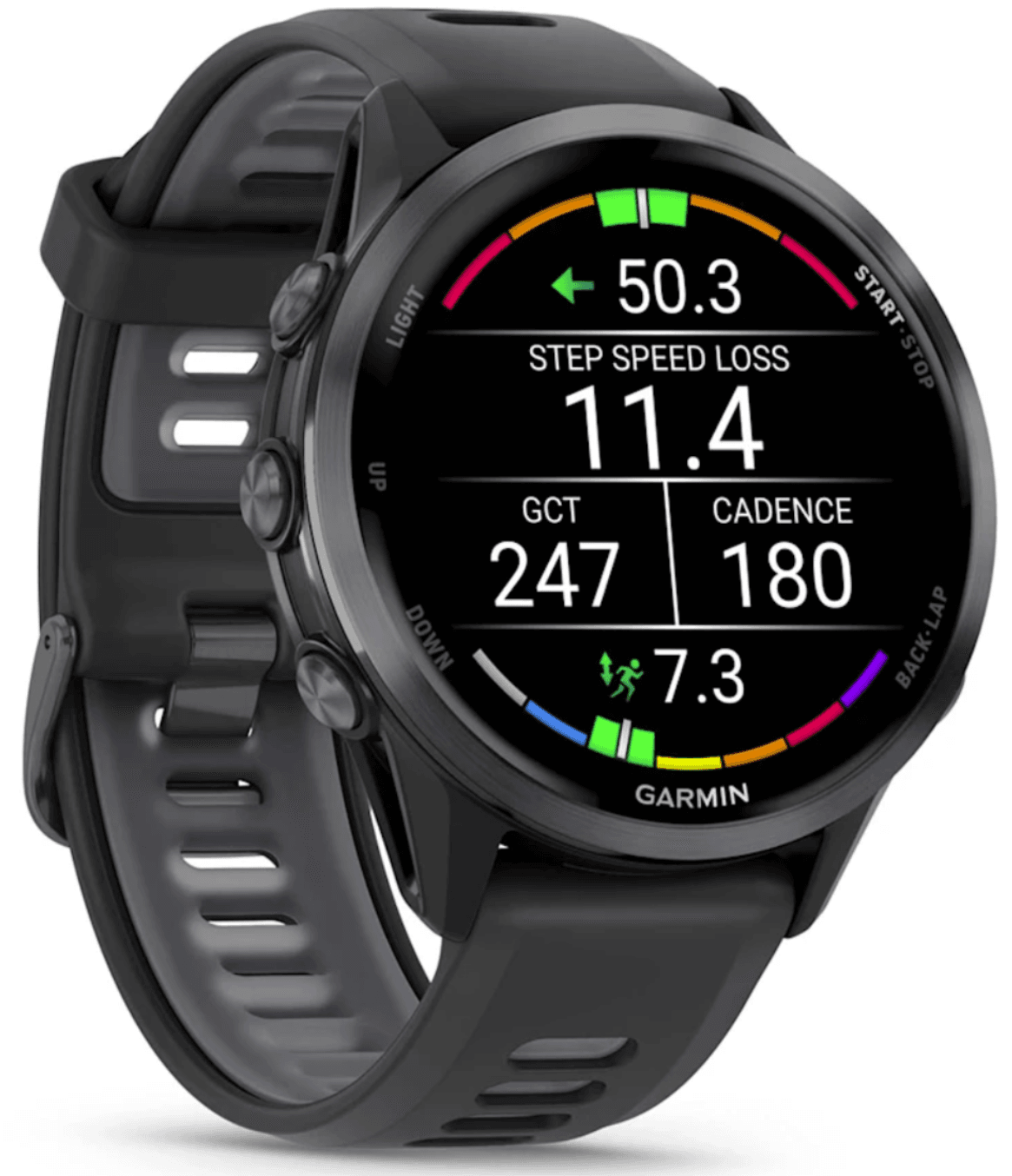
Garmin Forerunner 970
Premium GPS triathlon smartwatch. Features a bright AMOLED touch screen and a built-in LED flashlight.

Last Updated on 22 January 2026 by the5krunner
Reader-Powered Content

This content is not sponsored. It’s mostly me behind the labour of love, which is this site, and I appreciate everyone who supports it.
Support the site: Follow (free, fewer ads) · Subscribe (paid, ad-free) · Buy Me A Coffee ❤️
All articles are written by real people, fact-checked, and verified for originality. See the Editorial Policy. FTC: Affiliate Disclosure — some links pay commission. As an Amazon Associate, I earn from qualifying purchases.
tfk is the founder and author of the5krunner, an independent endurance sports technology publication. With 20 years of hands-on testing of GPS watches and wearables, and competing in triathlons at an international age-group level, tfk provides in-depth expert analysis of fitness technology for serious athletes and endurance sport competitors.
