 Hobbies and entertainment do more than fill spare time. They can create a healthier separation from work, encourage social connection, build skills, and provide a sense of progress that routine responsibilities often lack.
Hobbies can include active interests, such as sport and creative work, as well as more passive entertainment, such as gaming, streaming, and occasional online gambling.
The benefits depend on how these activities are used. A hobby should add value to life rather than gradually replacing sleep, relationships, financial stability, or other important commitments.
Why Leisure Matters
Enjoyable activities can help the mind recover from repetitive work and daily pressure. Reading, cooking, music, gaming, creative projects, and social activities all provide different forms of mental stimulation. Some encourage concentration, while others offer relaxation or a chance to connect with people who share similar interests.
Leisure can also strengthen identity. Someone may be a football supporter, amateur photographer, golfer, gamer, or musician outside their professional role. Having interests that are not connected to work can make life feel broader and provide motivation during difficult periods.
A hobby does not need to produce a measurable result to be worthwhile. Enjoyment itself can be valuable, especially when it gives someone a reliable way to switch off without adding stress.
Sport as an Active Hobby
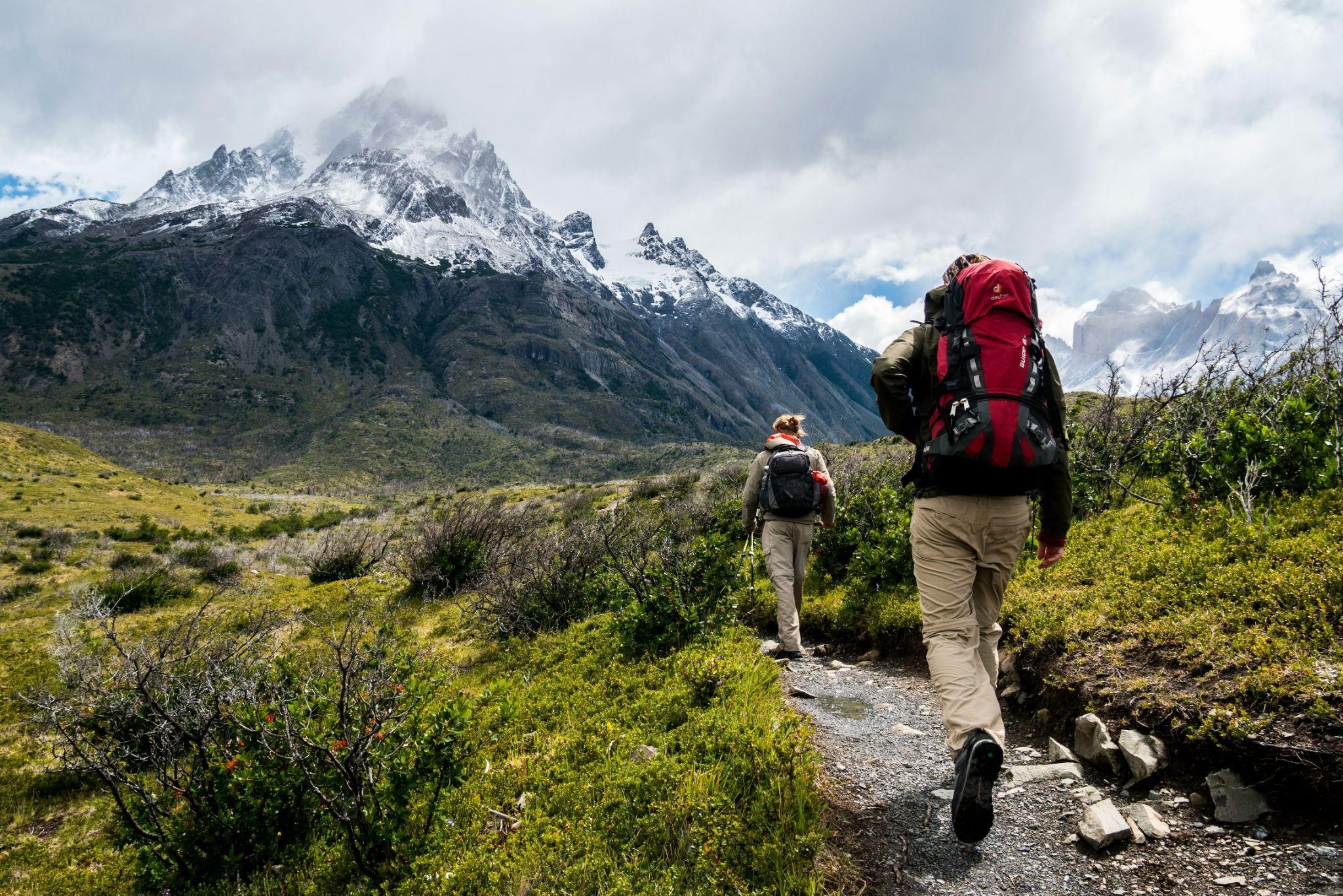
Sport offers different benefits than more sedentary forms of entertainment. Walking, cycling, running, golf, football, and other activities can improve mood, reduce stress, support better sleep, and create opportunities to meet other people. The NHS highlights how being active can improve mental wellbeing by reducing anxiety and stress, boosting energy levels, and supporting better sleep.
Technology can make sport more engaging by helping people monitor distance, training load, sleep, or recovery. However, data should support enjoyment rather than turn every session into a performance test. Readers interested in how wearable devices assess rest and recovery can explore The5krunner’s guide to recovery trackers, which examines the wider category rather than focusing on one particular brand.
A sensible approach is to combine structured goals with unmeasured sessions. A runner might follow a training plan on some days but take an easy, technology-free walk on another. This keeps sport enjoyable and reduces the pressure to improve every time.
Entertainment Needs Boundaries
Digital entertainment can also provide relaxation, challenge, and social interaction. Online games, films, streaming, and casino games may be enjoyable when treated as limited leisure activities.
The main risk is losing track of time or spending. This is especially true of online gambling, including bitcoin live casino games. Bitcoin can make deposits feel convenient, but changes in its value against the pound may make the real cost of gambling less obvious. Measuring your budget in pounds rather than Bitcoin makes spending easier to monitor.
Anyone choosing this type of entertainment should set a fixed budget, decide on a time limit in advance, and never use money needed for essential expenses. These limits should remain unchanged during a session, regardless of whether the player is winning or losing.
Gambling can affect more than a person’s finances. If it begins to interfere with mental wellbeing, relationships, work, sleep, or everyday responsibilities, it may be time to review how often and how much you gamble. Setting clear limits in advance can help keep gambling within the boundaries of occasional entertainment.
The same principle applies to other hobbies. A gaming session shouldn’t regularly replace sleep, a fitness routine shouldn’t lead to overtraining, and collecting equipment shouldn’t create financial pressure. Enjoyment becomes less beneficial when it produces guilt, exhaustion, debt, or conflict with other parts of life.
Keep Enjoyment Balanced
A balanced leisure routine usually includes more than one type of activity. Active hobbies can support physical and mental health, creative interests can encourage focus and self-expression, and social activities can reduce isolation. Passive entertainment still has a place, especially when someone needs uncomplicated rest.
Useful questions include:
- Do I feel better after this activity, or more stressed?
- Is it affecting my sleep, finances, work, or relationships?
- Can I stop when I planned to stop?
- Am I choosing it freely, or using it to avoid every difficult feeling?
- Does it leave room for other interests?
Hobbies are most valuable when they remain voluntary, affordable, and compatible with the rest of life. Sport, gaming, creative work, and entertainment can all contribute to wellbeing, but their benefits depend on moderation and awareness.
The aim is not to make every hobby useful or measurable. The aim is to ensure leisure continues to enrich everyday life rather than quietly taking it over.
Last Updated on 19 October 2026 by tfk the5krunner
Small things I always use
- Garmin 90-degree charging adapter: Charges your Garmin from any USB-C cable. Essential when travelling. I use one.
- Body Glide: The blue anti-chafe stick swimmers and runners carry. I use it.
- Speedo earplugs: Fewer ear infections and no cold-water dizziness. I use them.
- Dryrobe Advance: My winter changing robe for open-water swims. I use one. A cheaper option is the AONYIYI changing robe.
- Maurten: Race fuel that stays easy on the stomach. I use them.
- Beet It Sport nitrate shots: Beetroot shots I take in the days before a race. I use them.
- Garmin charging puck: The quickest way to top up before a session. I use one.
- Injinji: Toe socks that stop rubbing, so you run more. I use them.
- Ultimate toe protectors: Stop black toenails on long runs. They work. I use them.
- Compressport R2 v2 calf sleeves: My calf sleeves of choice. I use them.
- Cellucor C4: My pre-workout before hard sessions.
- TPU tubes: Schwalbe Aerothan, Tubolito and Pirelli SmarTube. Light, tiny spares. I use all three.
- G8 insoles: Adjustable insoles that are good. I use them.
- Cycplus Cube: A 97g electric pump that gets a road tyre rideable in two minutes. I carry one. 5% off with code THE5KRUNNER.
Watches and sensors
- Polar H10: My daily driver for waking HRV.
- Polar Verity Sense: My backup arm-worn HR sensor.
- Nomad bedside charger: Charges my iPhone and Apple Watch overnight. I use it, and many of their bands.
- Train.Red: The best muscle oxygen sensor I’ve used.
- Tymewear: Accurate heart rate and reliable ventilatory zones. I use it to pace endurance rides over an hour.
- Garmin Forerunner 970: A pro-grade triathlon watch. I use this.
- Apple Watch Ultra 4: My daily smartwatch. No phone needed on rides.
- Garmin Fenix 9 Pro: I’ve just bought one.
On the bike
- Continental GP5000 for everyday riding, and Aero 111 on the front for special occasions.
- Helmets: Specialized S-Works Evade 3 for road riding, and Rudy Project Wing for TT-style races. I use both.
- Ravemen FR300: A front light that mounts under your Garmin or Wahoo. I use one.
- Wahoo TRACKR Radar: I use it on one bike and Varia on the other. They perform the same.
- Garmin Varia RTL515: Radar that warns you of cars from behind. I use this model.
- Wahoo ELEMNT Roam 3: The bike computer that’s easy to use. I use mine on most rides.
- Favero Assioma Pro RS2: Accurate power pedals that swap easily between bikes. I use this model.
Home and indoor training
- NPE Runn: Makes my basic treadmill smart, sending more accurate speed and distance to my watch and Zwift. I use it.
- Google Wifi: Keeps Zwift connected in my pain cave. I use it.
- Apple TV 4K: Zwift on the big screen. I use two.
- Google Nest Doorbell (wired, 2nd gen): My video doorbell, running in both Google Home and Apple Home. I use it.
Health, recovery and sleep
- FreeStyle Libre 3 Plus: Shows how my blood sugar responds to diet.
- hDrop: Measures my sweat loss in summer and indoors.
- Fourth Frontier Zone: Checks my heart under load in hard sessions.
- Oura Ring 5: My partner’s recovery tracker of choice.
- Eight Sleep: A cooling mattress cover my partner and I use nightly.
Reader-Powered Content
This content is not sponsored. It’s mostly me behind the labour of love, which is this site, and I appreciate everyone who supports it.
Support the site: Follow (free, fewer ads) · Subscribe (paid, ad-free) · Buy Me A Coffee
Written by real people, with AI assistance. Fact-checked and verified for originality. See the Editorial Policy. FTC: Affiliate Disclosure — some links pay commission. As an Amazon Associate, I earn from qualifying purchases.

theparkrunner is a contributing writer covering road races, endurance events and the travel side of racing life. Reports focus on upcoming events, race destinations and what athletes need to know before they arrive.
