Polar: the complete guide to Polar watches, sensors and Polar Flow
Polar has been making heart rate monitors and watches since 1982, and GPS sports watches since the V800 in 2014. That history produced something most competitors lack: a body of peer-reviewed science underpinning the company’s training and recovery algorithms, published and independently cited rather than proprietary and opaque. The methodology is publicly legible, which, along with its proven accuracy, is why sports scientists and exercise physiologists continue to use Polar hardware as a validation device and why the H10 chest strap appears in academic literature at a rate that no consumer GPS watch sensor can match.
The company is Finnish, privately held, and has operated under financial pressure for several years, a position compared against Suunto and Amazfit here. It responded by cutting headcount in 2023 and refocusing the product range. What emerged is a tighter lineup with clear logic: Vantage for multisport and triathlon; Grit X for outdoor adventure; Ignite and Pacer for fitness and running, respectively; and LOOP for screenless 24/7 tracking.
The watch range
The core endurance-focused lineup runs from £169.50 to £750 and covers most use cases a serious endurance athlete would recognise.
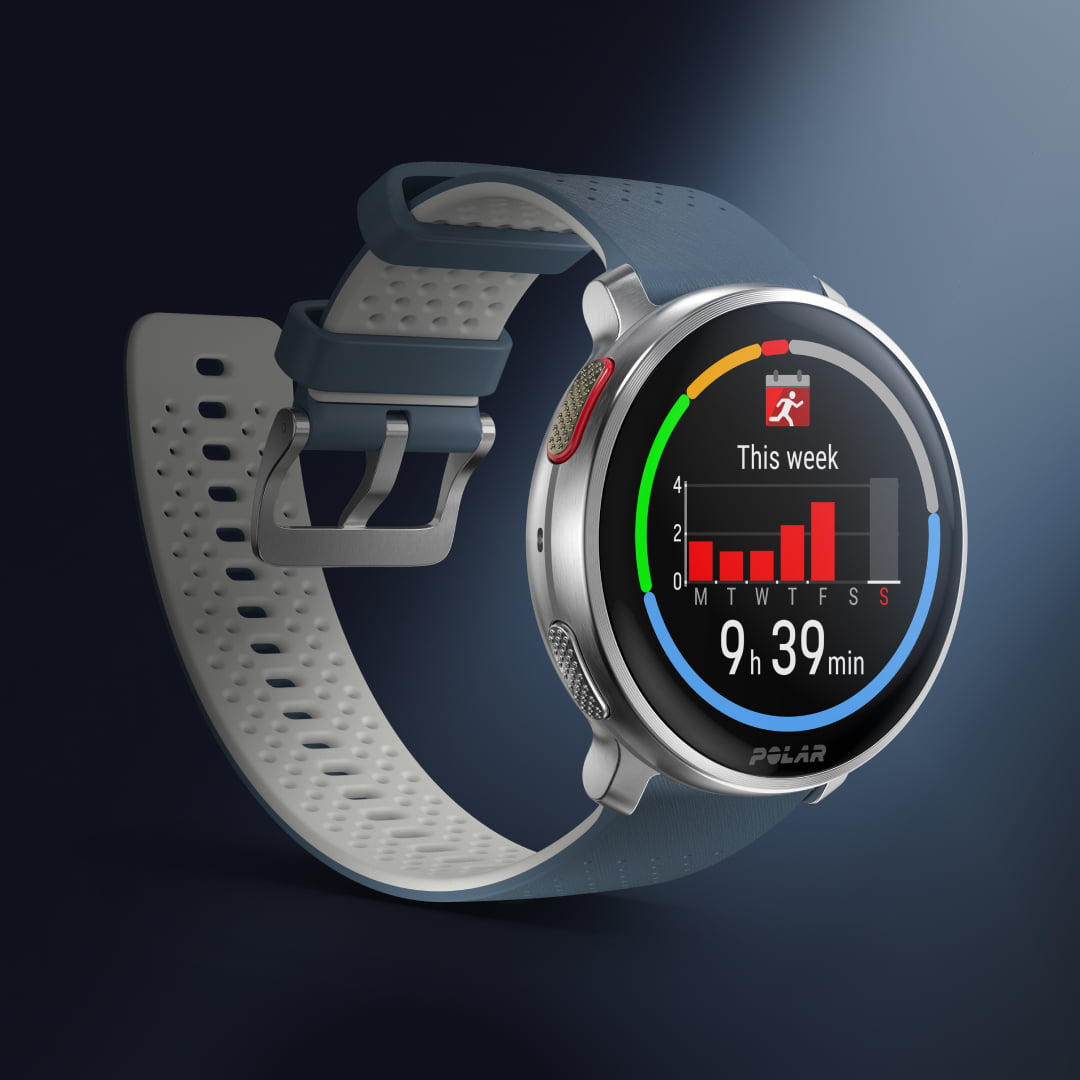
Polar Vantage V3
The Vantage V3 (£519 / $599.90 / €599.90) is the flagship. It carries the Elixir biosensor platform, dual-frequency GPS, offline TOPO maps, a 1.39-inch AMOLED display, ECG, SpO2 and skin temperature. Battery runs to 43 hours in performance GPS mode. It is the right watch for a committed runner or triathlete who wants Polar’s deepest feature set and is prepared to pay Garmin Forerunner 970 money for a different ecosystem. Full review.

Polar Vantage M3
The Vantage M3 (£349 / $399 / €399) is the compact version of the same platform. It shares the Vantage V3’s processor, GPS chipset, Elixir sensor and software feature set almost entirely, in a 44mm case that weighs 53g with the strap. Battery drops to 30 hours GPS. For anyone who finds the V3 physically large, or who wants the same training science at a lower price, the M3 is the more sensible purchase. Full review.
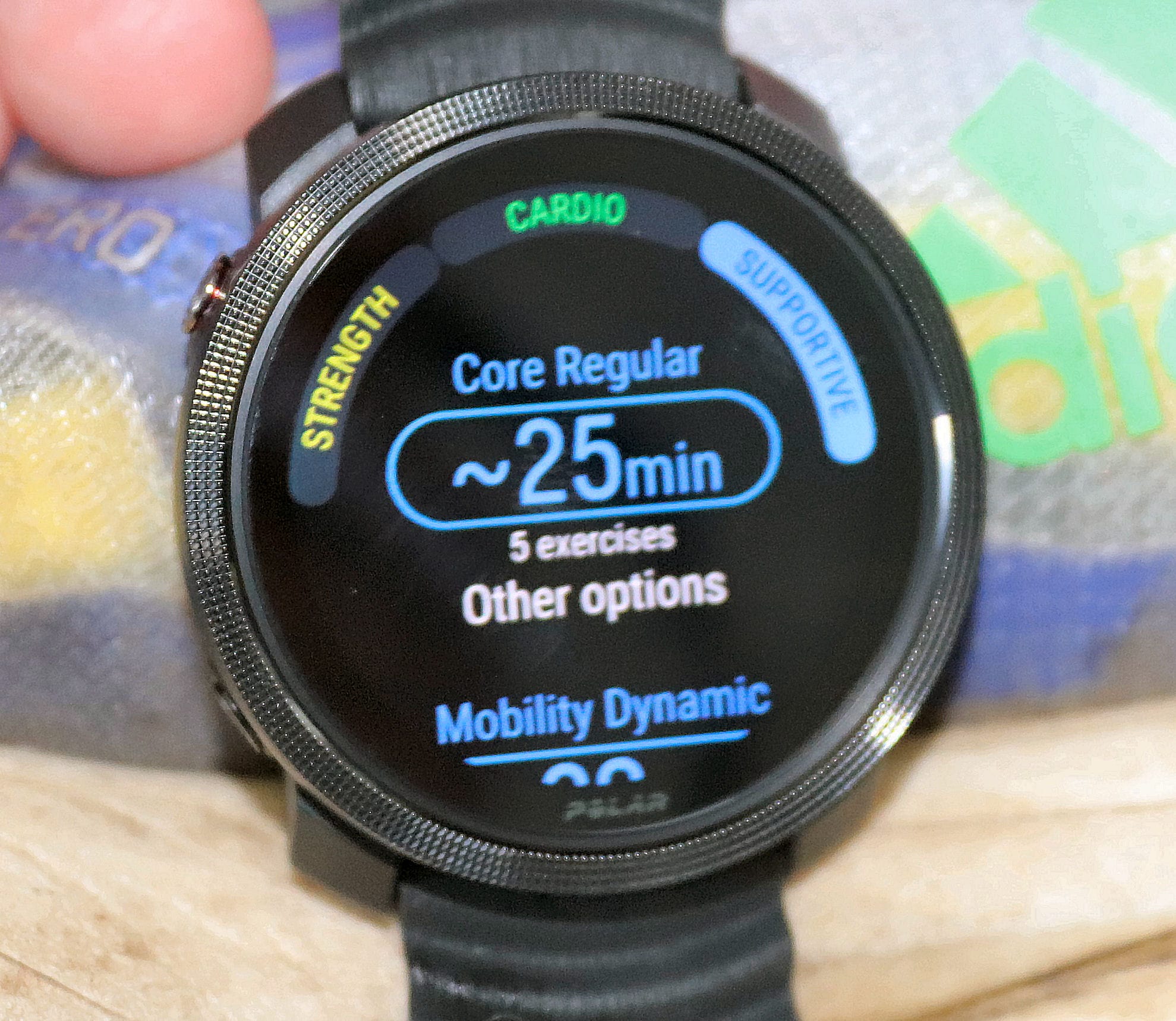
Polar Grit X2 Pro
The Grit X2 Pro (£650 / $750 / €750; Titan edition £750 / $870 / €870) is the Vantage V3’s feature set in a ruggedised adventure case: stainless steel bezel, sapphire glass, MIL-STD-810H certification and 100m water resistance. The software is identical to the V3 in every meaningful respect. The price premium is paid entirely for materials and durability, not for additional software capability. Full review.
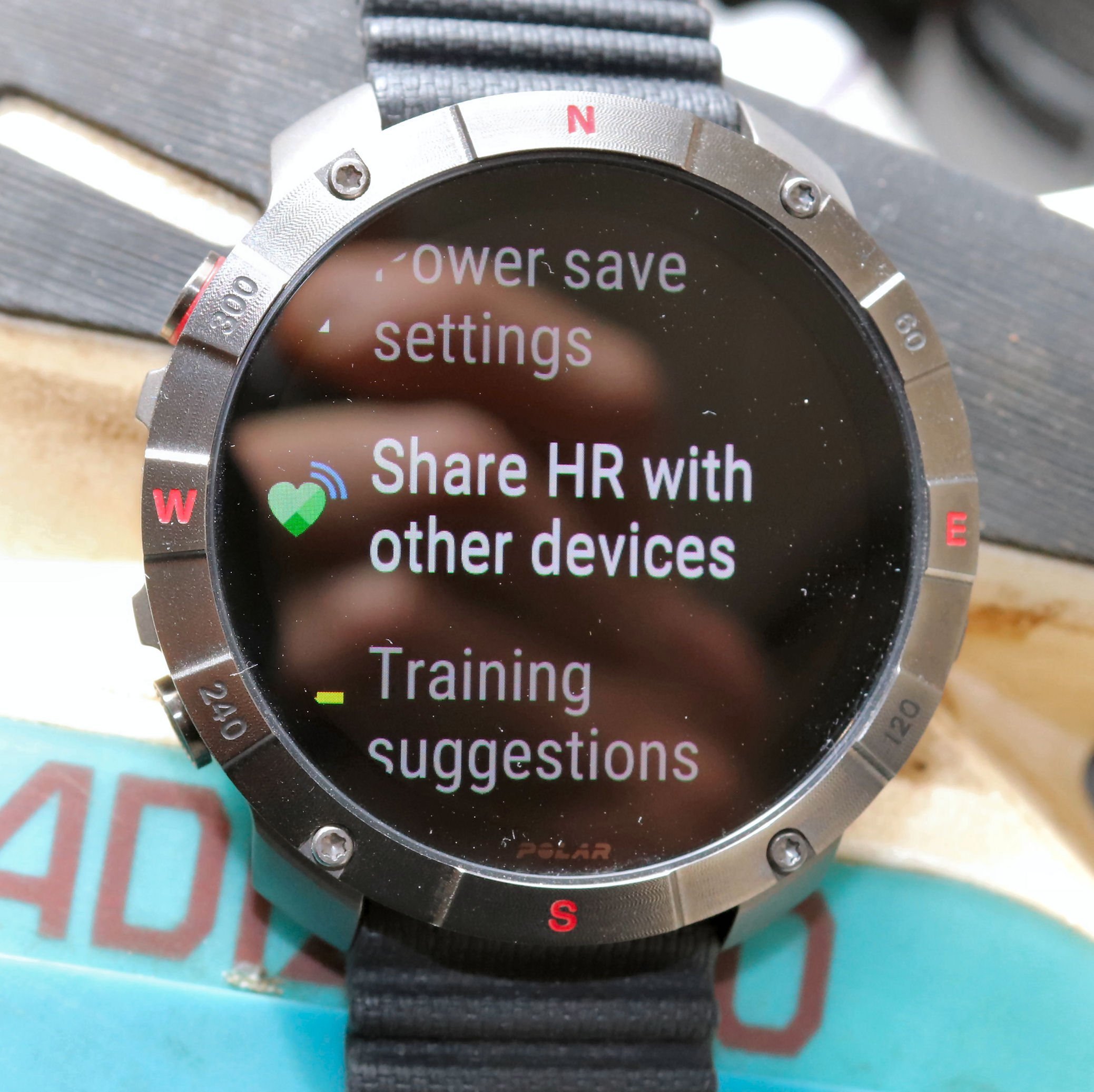
Polar Grit X2
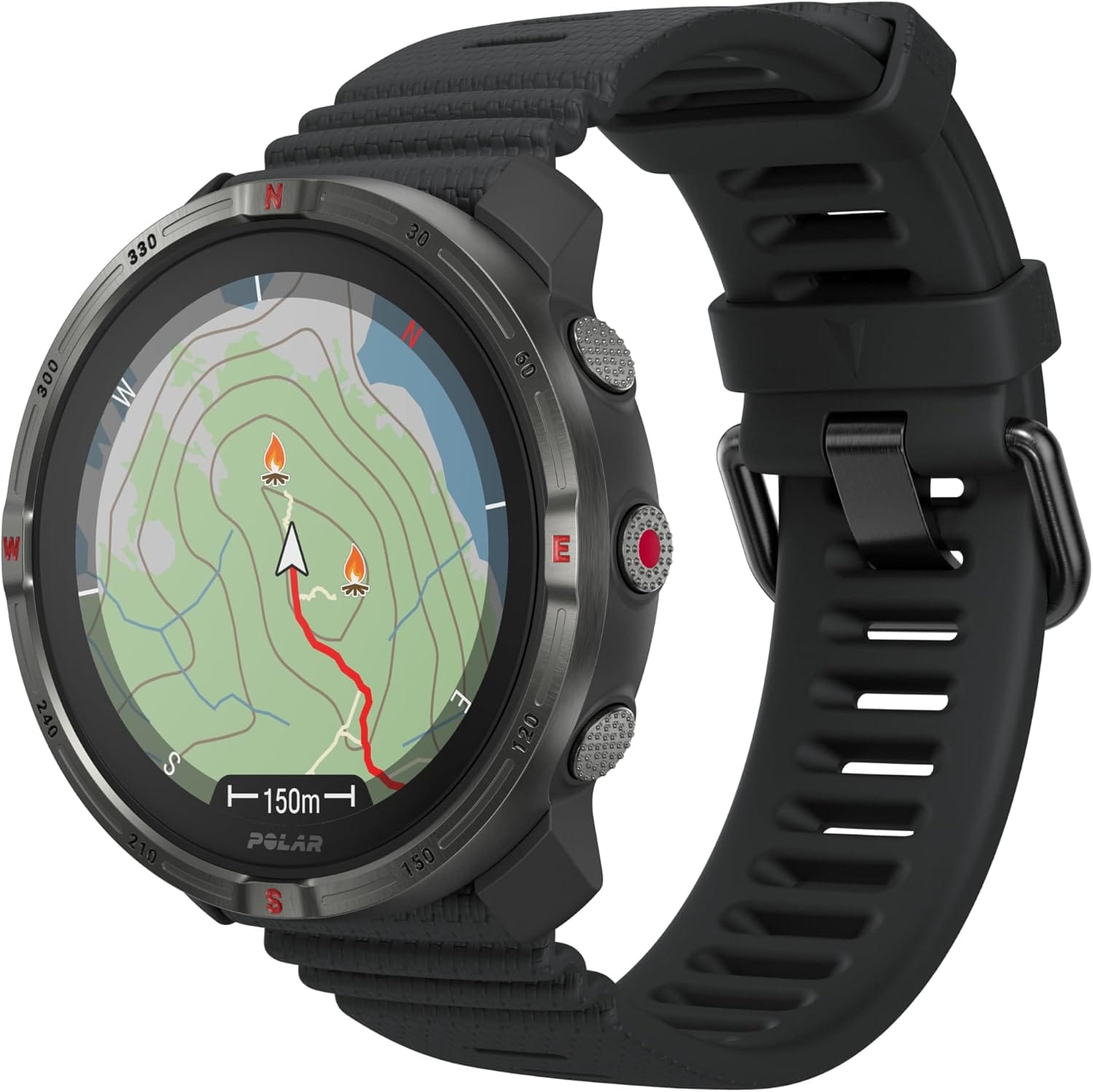
The Grit X2 (£399 / €479.90; $799 in the US) arrived in the UK and Europe in June 2025, with a delayed US launch in October 2025 at a substantially higher price than the currency equivalent of the European figure. It shares the Grit X2 Pro’s core feature set in a smaller 45mm case with Gorilla Glass rather than sapphire, 50m rather than 100m water resistance, and 30 hours of GPS battery. In markets outside the US, it is one of the strongest cases for the Polar platform: adventure-watch capability at a mid-range price. Full review. Grit X2 vs X2 Pro: what’s different.
Polar Ignite 3
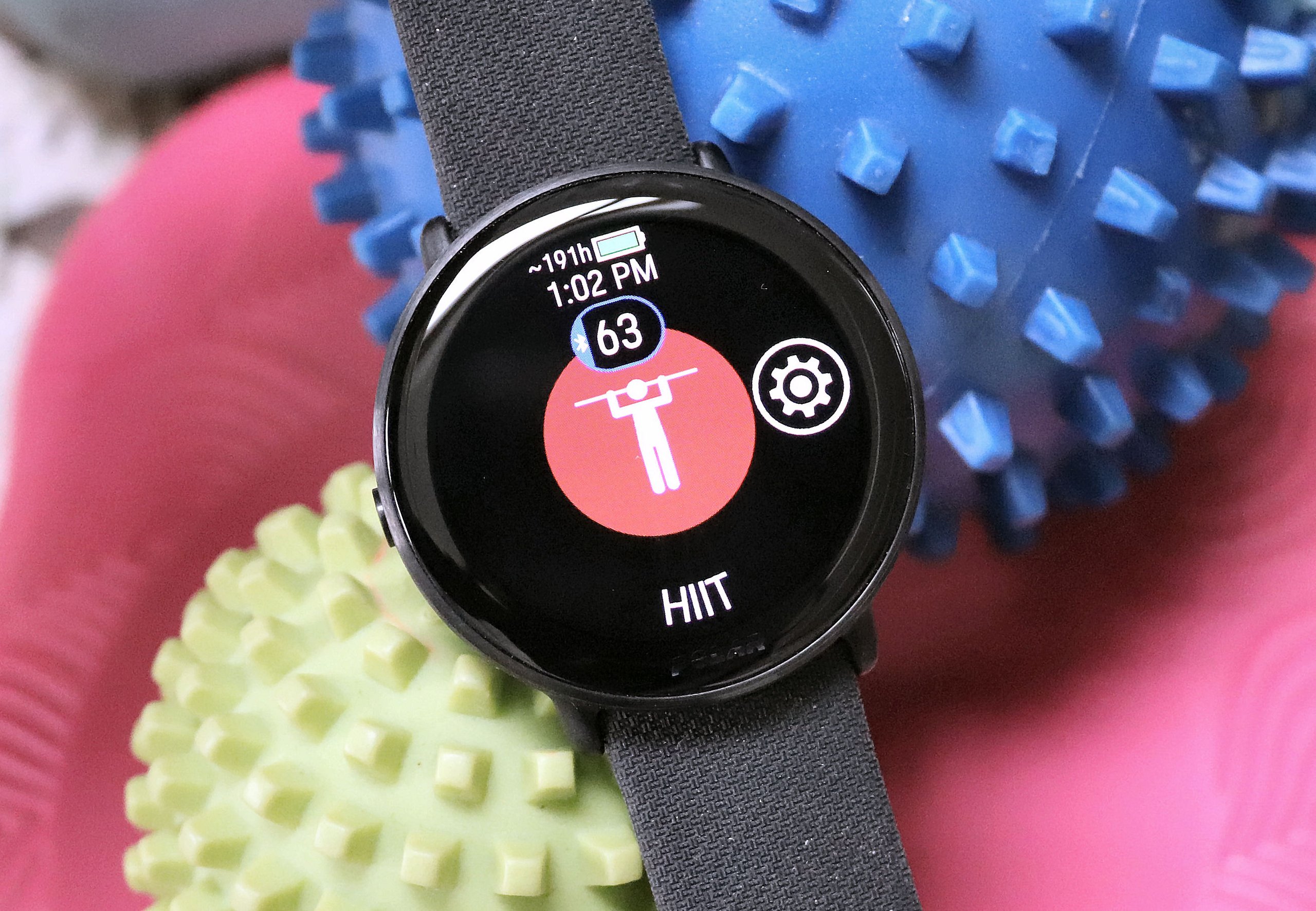
The Ignite 3 (£289 / $329 / €329) is a fitness and wellness watch with Polar’s full recovery suite, a 1.28-inch AMOLED display, dual-frequency GPS, and 30 hours of GPS battery life. It lacks maps, a barometer and the Elixir sensor of the higher-end models, but includes FitSpark adaptive training guidance, Sleep Plus Stages, Nightly Recharge and SleepWise. For someone who trains regularly across a range of activities and wants Polar’s wellness platform without a multisport focus, it is the right entry point. Full review.
Polar Pacer Pro and Pacer
The Pacer Pro (£259 / $299.90 / €299.90) and Pacer (£169.50 / $199.90 / €199.90) are running-first watches without AMOLED screens, maps, or the Elixir sensor suite. The Pacer Pro adds a barometer, compass and wrist-based running power; the base Pacer does not. Both run the same software and carry Polar’s full training plan, FitSpark and FuelWise features. The Pacer is the cheapest point of entry into the Polar ecosystem that still delivers the training science in full. Full review. Vantage M3 vs Pacer Pro: which to choose?
Heart rate hardware
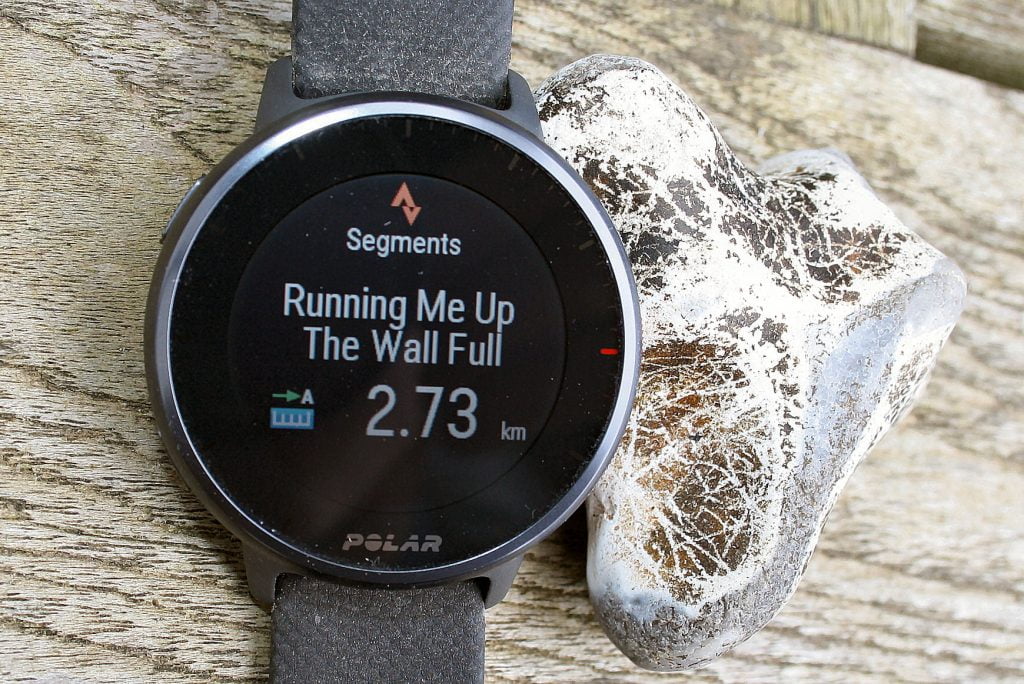
Polar’s sensor heritage predates the GPS watch market. The H10 chest strap is widely used as a validation device in sports science research and is frequently cited in the peer-reviewed literature as a comparator for consumer heart rate measurements. It supports two simultaneous Bluetooth connections, caches a single session internally via the Polar Beat app, and added ANT+ support in 2019. The H10 is required for Polar’s orthostatic test on Vantage and Grit watches; other HRV-capable Bluetooth straps will not work for that protocol. Full review.
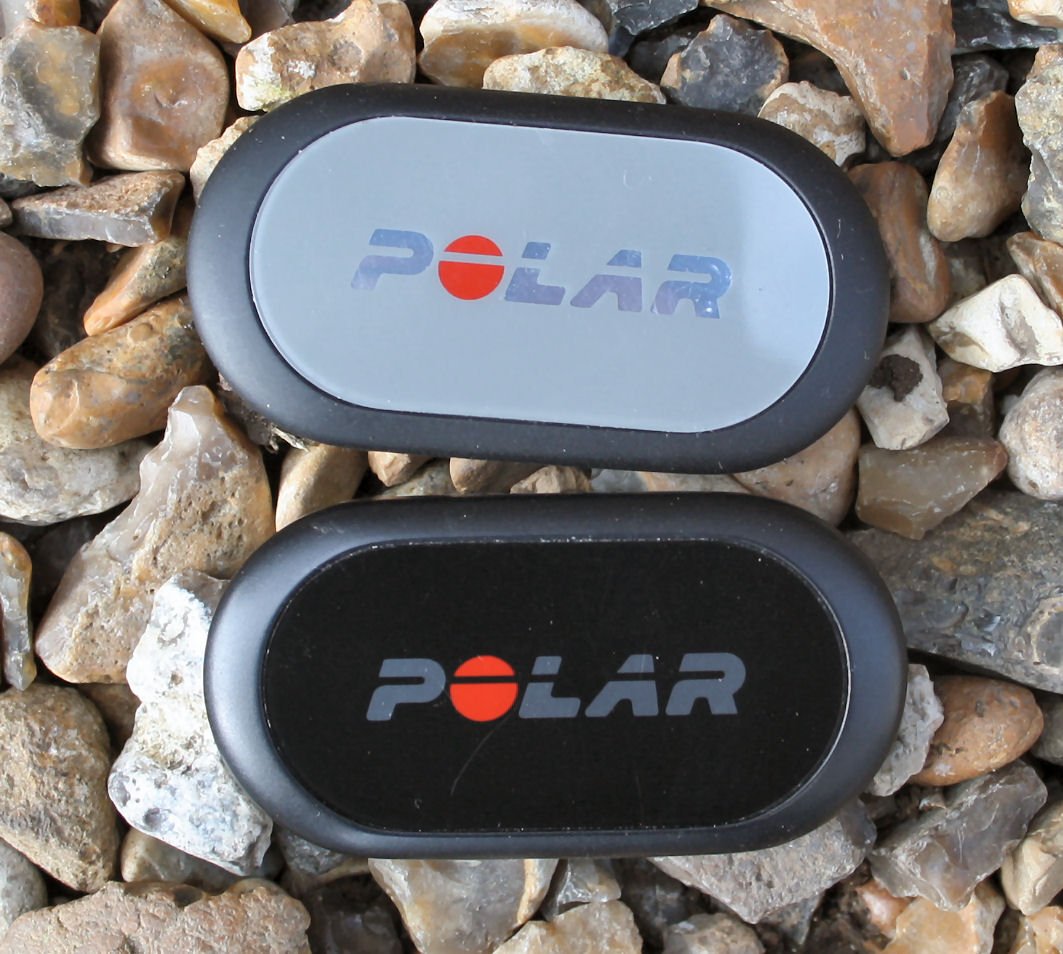
The H9 is the budget alternative. It meets the same standard in all training conditions but lacks H10’s caching capability and dual Bluetooth connections. For athletes who do not need caching and pair to a single device, it represents better value. Full review and H10 comparison.
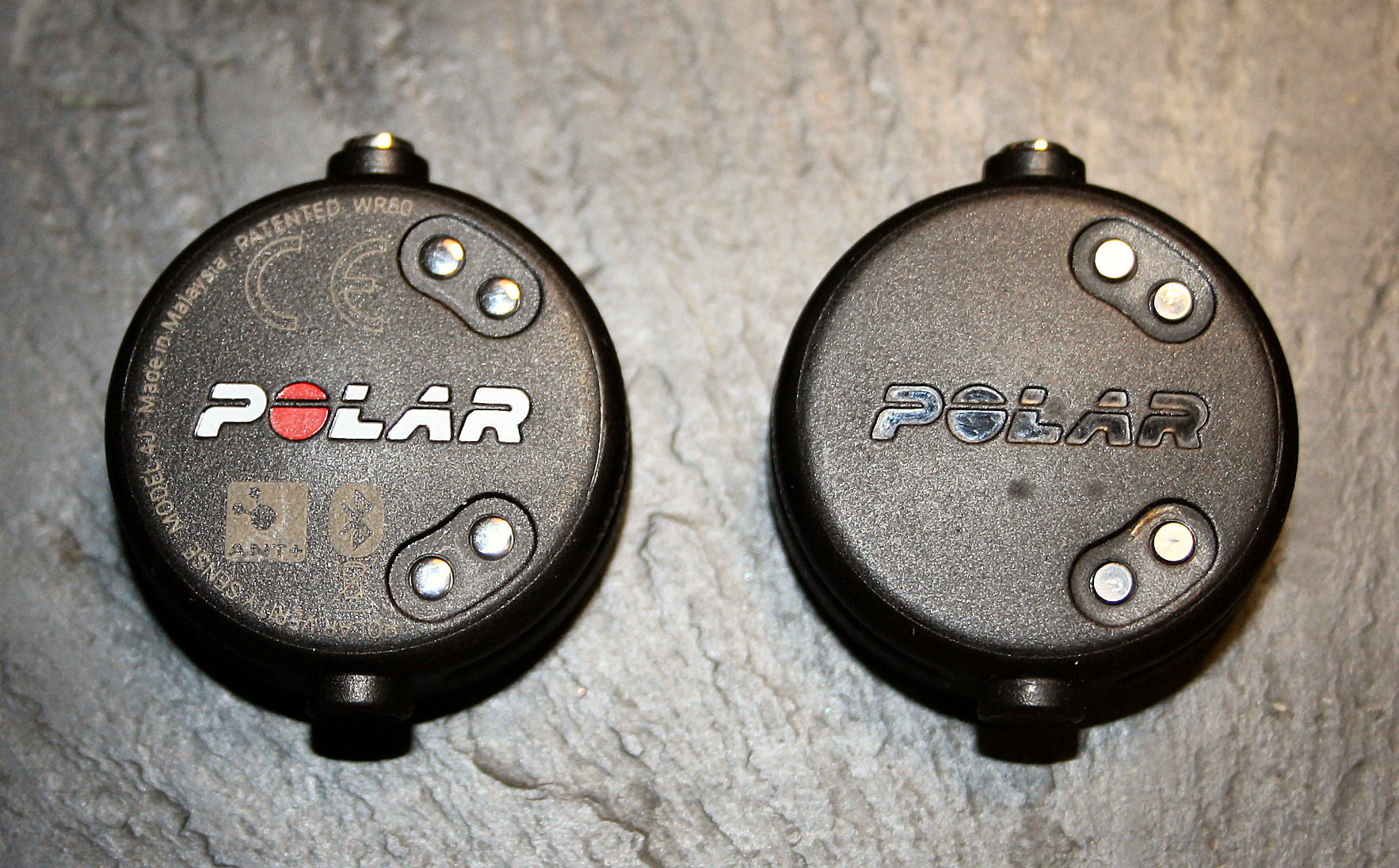
The Verity Sense (£79.50 / $89.90 / €89.90) is the optical armband successor to the OH1, rated to 50m, with 30 hours of battery, ANT+ and dual Bluetooth, and swim metrics including pool distance and stroke detection. It is the most capable optical biceps band for athletes who need sensor data independent of a watch, or who want to pair it with a non-Polar device. Full review.
Polar LOOP
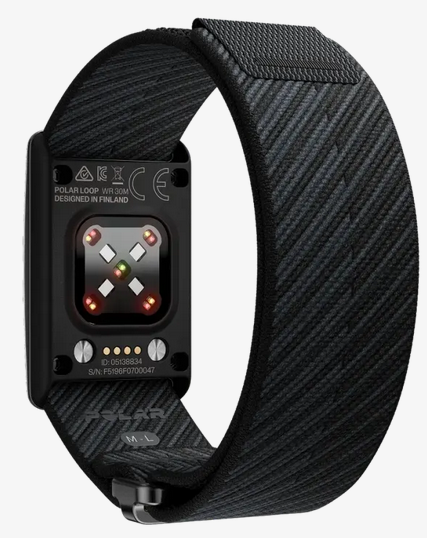
The LOOP (£149.50 / $199.90 / €179.90) is Polar’s screenless recovery band, positioned against Whoop. It requires no subscription, which is its single largest commercial advantage over its competitors. It sits neatly within the Polar ecosystem for existing watch owners who want continuous wrist-worn data without having to wear a sports watch to bed or during non-training hours.
Accuracy on the biceps is good for most training scenarios, with some degradation in open-water swimming and upper-body strength work. At the time of the LOOP’s launch, the app was a material weakness relative to Whoop’s: a reporting tool rather than a coaching platform. Polar shared plans for a substantially rebuilt Flow mobile app, described as a phased overhaul with a more dynamic home screen and modular data cards; that overhaul had not shipped at the time of the LOOP review (nor as at June 2026). In October 2025, Whoop filed a trade dress lawsuit against Polar, introducing additional uncertainty about the product’s commercial future in the US market. Full review. Whoop vs Polar: the lawsuit in full.
Polar Flow and the app overhaul
Polar Flow is the platform that makes the hardware worthwhile. The web service adds further depth and, for athletes who use it seriously, is genuinely analytical: training load history, session-level heart rate and power data, sleep staging, and the orthostatic test results that Polar’s recovery algorithms depend on. The mobile app has historically been the weaker half of the pairing, capable as a sync and summary tool but lacking the coaching depth and interface design of the best competing platforms.
Polar began a phased rebuild of the Flow ecosystem in 2025. The web training analysis view was migrated to a new layout, with the legacy interface retired in early 2026. The mobile app overhaul was announced with a public roadmap: a modular, data-centric home screen, improved diary and summary views, and a unified look across devices. Android users were expected to receive the new version first, with iOS to follow. At the time of writing, the revised mobile app had not shipped on the originally indicated schedule. For new buyers, the platform’s potential is real but not yet fully realised in the app most users interact with daily.
The optional Polar Fitness Program subscription (€9.99 per month) adds adaptive, science-based training plans to the ecosystem. The core Flow platform remains free.
Training science: what Polar does differently
The features that distinguish Polar from its competitors are not primarily hardware. The Elixir sensor is good, but not categorically superior to the best alternatives. Dual-frequency GPS performance is competitive but not the best in class across all price points. Where Polar sets itself apart is in the rigour and transparency of its physiological algorithms.
Training Load Pro uses a three-component model: cardio load, muscle load and perceived load, each tracked separately rather than collapsed into a single number. The orthostatic test, which requires an H10 chest strap and a four-minute lying-to-standing protocol, generates an HRV-derived readiness score grounded in published research. SleepWise translates sleep history into an alertness forecast for the day ahead. FuelWise provides dynamic fuelling prompts based on real-time training intensity rather than a fixed timer.
Polar publishes the supporting science at polar.com/en/science. That transparency is a meaningful differentiator for athletes who want to understand, rather than simply consume, their training data. Garmin undoubtedly has extensive internal research capability, but the methodology behind many of its algorithms is not publicly documented to the same degree.
GPS accuracy
Polar’s recent dual-frequency watches use Sony-based GNSS hardware, a different choice from the Airoha and MediaTek chipsets used by Garmin and Coros. In open conditions and standard suburban running and cycling, performance is good and broadly comparable to the competition. In my testing, tracks under dense canopy and around tall buildings have generally not been as clean as the best implementations from Garmin and Coros under the same conditions. This is not a reason to remove Polar from your list of options for most buyers, but it is worth knowing for athletes who train regularly in urban canyons or heavily wooded terrain. The Pacer and Pacer Pro use single-frequency GPS without the dual-frequency advantage.
For detailed GPS accuracy figures across multiple devices and conditions, see the GPS accuracy hub.
The Powered by Polar platform
Polar licenses its sensor and algorithm technology to third-party hardware manufacturers. The Sennheiser Momentum Sport earbuds use Polar’s optical heart rate sensor. The Motorola Moto Watch 2026 runs Polar-powered health tracking. A GreenTEG partnership supplies core body temperature data to compatible Polar watches. The company has signalled interest in expanding this licensing model further, with the CEO having discussed smart rings as a category of interest. These are meaningful moves for a company of Polar’s scale: licensing generates margin without the capital cost of new hardware development and places Polar’s algorithms on wrists that would not otherwise enter the Polar ecosystem.
Polar vs Garmin
Garmin leads on triathlon-specific features: automatic transitions, the broadest third-party app support, ANT+ compatibility and re-routable on-device maps. It also enables streaming music and contactless payments on the watch. For committed triathletes who race seriously and want every feature accounted for, Garmin remains the more complete platform.
Polar leads in ease of use. The on-watch menu logic is among the most intuitive in the market. It leads in the transparency of its physiology science and in the range of its free-running plans, which cover faster athletes than Garmin’s own plans do. At most price tiers, and when discounted, the Polar range offers a decent feature-to-price ratio than the current Garmin models.
For athletes who prioritise ecosystem breadth and smartwatch functionality, Garmin remains the benchmark. For those who value physiology-driven training guidance and a simpler user experience, Polar offers a distinct and well-developed alternative. The practical considerations for anyone thinking of switching are covered in detail in this comparison post.
All Polar content on this site
Watches
- Polar Vantage V3 review
- Polar Vantage V3 accuracy
- Polar Vantage M3 review
- Polar Grit X2 review
- Polar Grit X2: what’s different from the X2 Pro
- Polar Grit X2 Pro review
- Polar Ignite 3 review
- Polar Pacer Pro review
- Polar Vantage M3 vs Pacer Pro
- Polar Street X review
- Polar Street X: first thoughts
Sensors
Recovery and lifestyle
Software, firmware and features
- Polar OS 5 tested
- Polar Software v3: new features
- Polar TrainingPeaks integration
- Polar Fitness Program details
- Polar Verity Sense: significant update
- Polar H10 and H9 firmware update
Comparisons
Explore the full resource library
This site covers endurance sport technology across a range of dedicated reference sections. Each one collects the most relevant articles, tests, and analysis on its topic in one place.
Buyer guides
- Best sports watch — tested recommendations by sport and athlete type: triathlon, running, marathon, cycling, hiking, and women
- Best Garmin watch — Forerunner versus Fenix by series, sport, and budget
- Best wearables — recovery trackers, heart rate monitors, running power meters, and female athlete tech
- Best cycling products — computers, smart trainers, power meters, and cycling heart rate monitors
Brand and product guides
- Amazfit — the full Amazfit range from Balance to Cheetah to T-Rex, accuracy tests, HYROX partnership, and Zepp Health analysis
- Apple Watch — athlete-first coverage of Apple Watch across running, cycling, and triathlon
- COROS — watches, features, and firmware across the full COROS range
- Garmin — the company, the platform and the full range, and the starting point for choosing across every Garmin product line
- Garmin Edge — bike computers from entry-level navigation to flagship endurance and mountain biking
- Garmin Fenix — every model, feature, and firmware development for Garmin's flagship outdoor watch
- Garmin Fenix 8 Series — which variant to buy, upgrade advice, accuracy data, and the full Fenix 8 review and firmware coverage
- Garmin Forerunner — the full Forerunner line covered from entry level to triathlon flagship
- Garmin Instinct — rugged GPS watches for endurance and adventure athletes
- Garmin Features Explained — how Garmin's metrics work, from Training Load and Body Battery to Race Predictor and HRV Status
- Google Fitbit — Fitbit Air, Google Health, Pixel Watch and the Wear OS platform
- Polar — watches, sensors, Polar Flow and training science across the full Polar range
- Suunto — Race, Vertical, Run and the SuuntoPlus ecosystem
- Strava — features, privacy, segments, and how Strava fits into a serious training setup
- Wahoo — KICKR trainers, ELEMNT bike computers, and the Wahoo ecosystem
- WHOOP — strain, recovery, sleep and the full WHOOP ecosystem
Specifications database
- Full Specifications Database — detailed spec sheets, battery life, sensor lists and generation-on-generation comparisons for current Garmin, COROS, Amazfit, Samsung, Google Fitbit, Huawei, Polar, Suunto, Wahoo and Apple Watch models
Glossary
- Sports Technology Glossary — non-branded terminology across running, cycling, swimming, triathlon, hiking, strength training, HYROX, sensors, ecosystems, and brands
Sport and topic guides
- Running Watches — how to choose by discipline: road racing, trail, track, beginner, and multisport
- Triathlon and Multisport Technology — watches, sensors, and race-day tools for swimmers, cyclists, and runners
- HYROX — training science, race analysis, and technology for the functional fitness race format
- parkrun — technology, training, and performance for the weekly 5K
- Hiking Technology — navigation, safety, and trail tech for walkers and hikers
- Heart Rate Monitoring — optical sensors, chest straps, accuracy comparisons, and how to set training zones
- GPS Accuracy — how satellite systems perform across brands, terrains, and conditions
- Sports Watch Battery Life — battery claims, real-world tests, and how to manage battery life across Garmin, Apple, Amazfit and Coros
- Recovery Trackers — WHOOP, Oura, and the science of readiness scoring
- Female Athlete Tech — wearables, physiology, and performance for female endurance athletes, covering cycle-synced training, RED-S, HR accuracy, and VO2max
- Sports Science — peer-reviewed research on HRV, VO2max, lactate threshold, running power, wearable accuracy, and supplementation
- Testing Methodology — how this site tests GPS accuracy, heart rate, battery life, and other performance claims
Content series
- Release Radar — confirmed launches, leaks, and rumours across Garmin, Apple, COROS, Polar, Suunto, and Wahoo
- Deep Dive Feature Files — weekly firmware feature updates across all brands (bug fixes excluded)
- Fix Files — weekly firmware bug fix tracking across all brands
