Athalyze: The Training Analytics App Data Nerds Have Been Waiting For
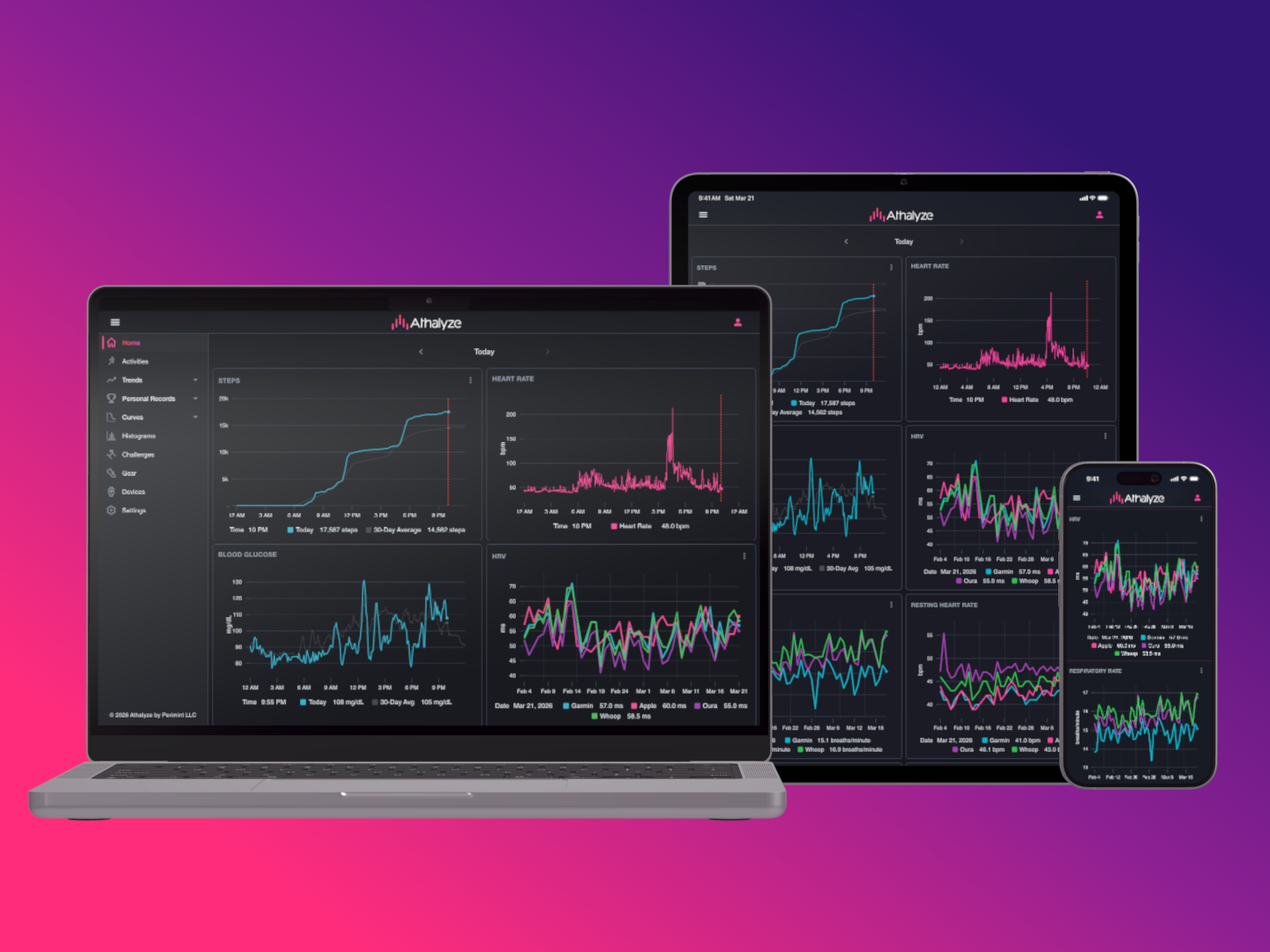
Athalyze is an analytics-first fitness platform designed with multi-device athletes in mind. If you have ever finished a workout and found two conflicting versions of it waiting in your training log, it was built for you. It merges those duplicate recordings into one clean activity, selects the best data for each metric, and preserves every original file so you can compare and verify anytime. And for athletes who train with a single device, it means having the ability to switch brands entirely without losing your training history or starting over on a new platform.
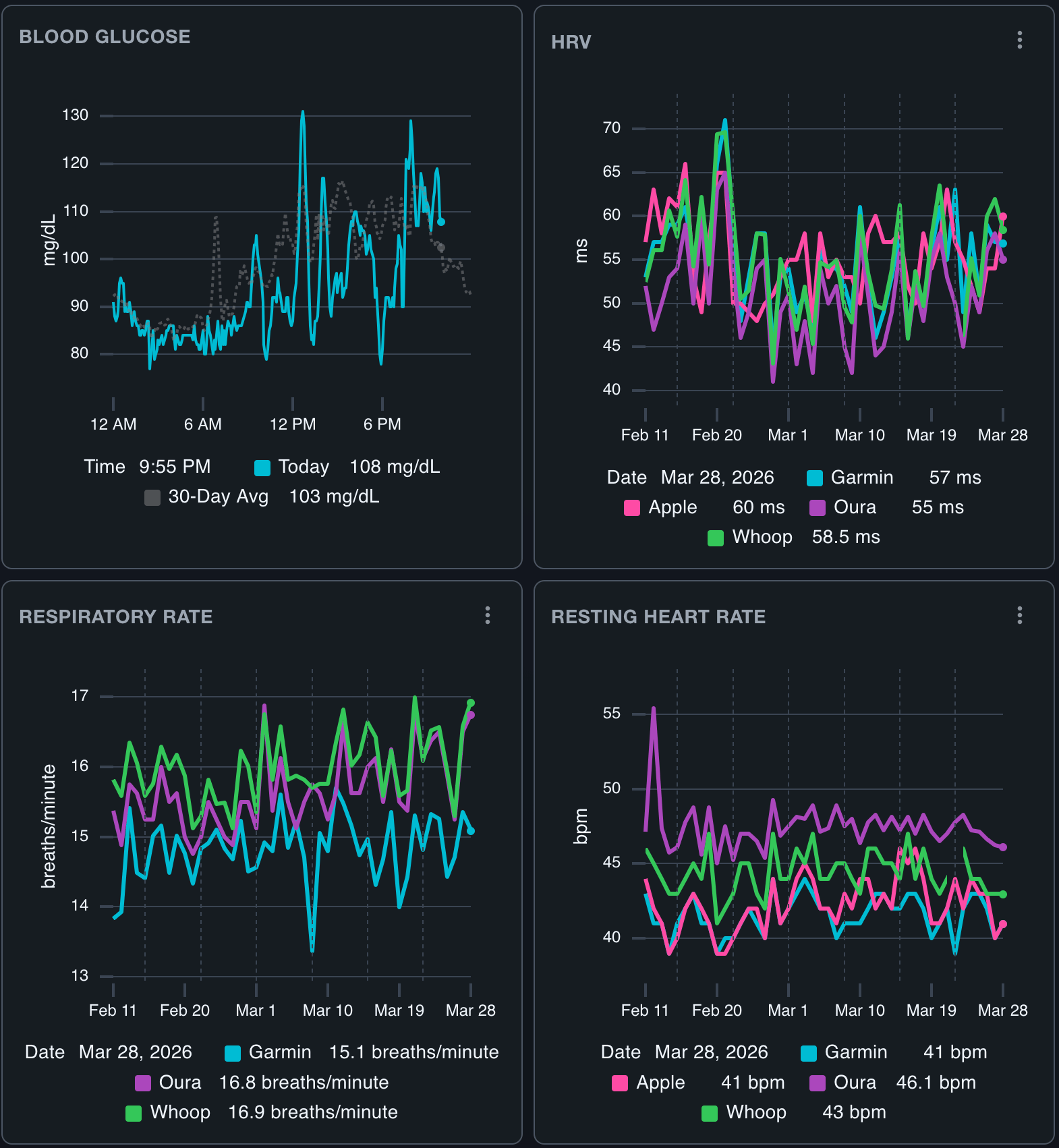
That same thinking extends to health metrics. Athalyze consolidates HRV, resting heart rate, skin temperature, blood oxygen, and more from every connected device into one place. For athletes wearing more than one device, this turns out to be surprisingly useful. When an outlier appears, comparing it against another device’s reading from the same night gives you a much better chance of knowing whether it reflects something real or just a bad sensor reading. That distinction matters when you are making training decisions based on recovery data.
From Multiple Recordings to One Clean Activity
When two or more devices record the same workout, Athalyze detects the overlap and combines them into a single activity. For each metric, it selects the most reliable source available, so the merged activity reflects the best your devices collectively recorded. It can even switch sources mid-workout for a given metric, following whichever device is providing the highest quality data at any given moment. Nothing is lost in the process. Every original recording is preserved, and a single tap brings up a chart with all device inputs overlaid so you can see exactly what each one recorded.
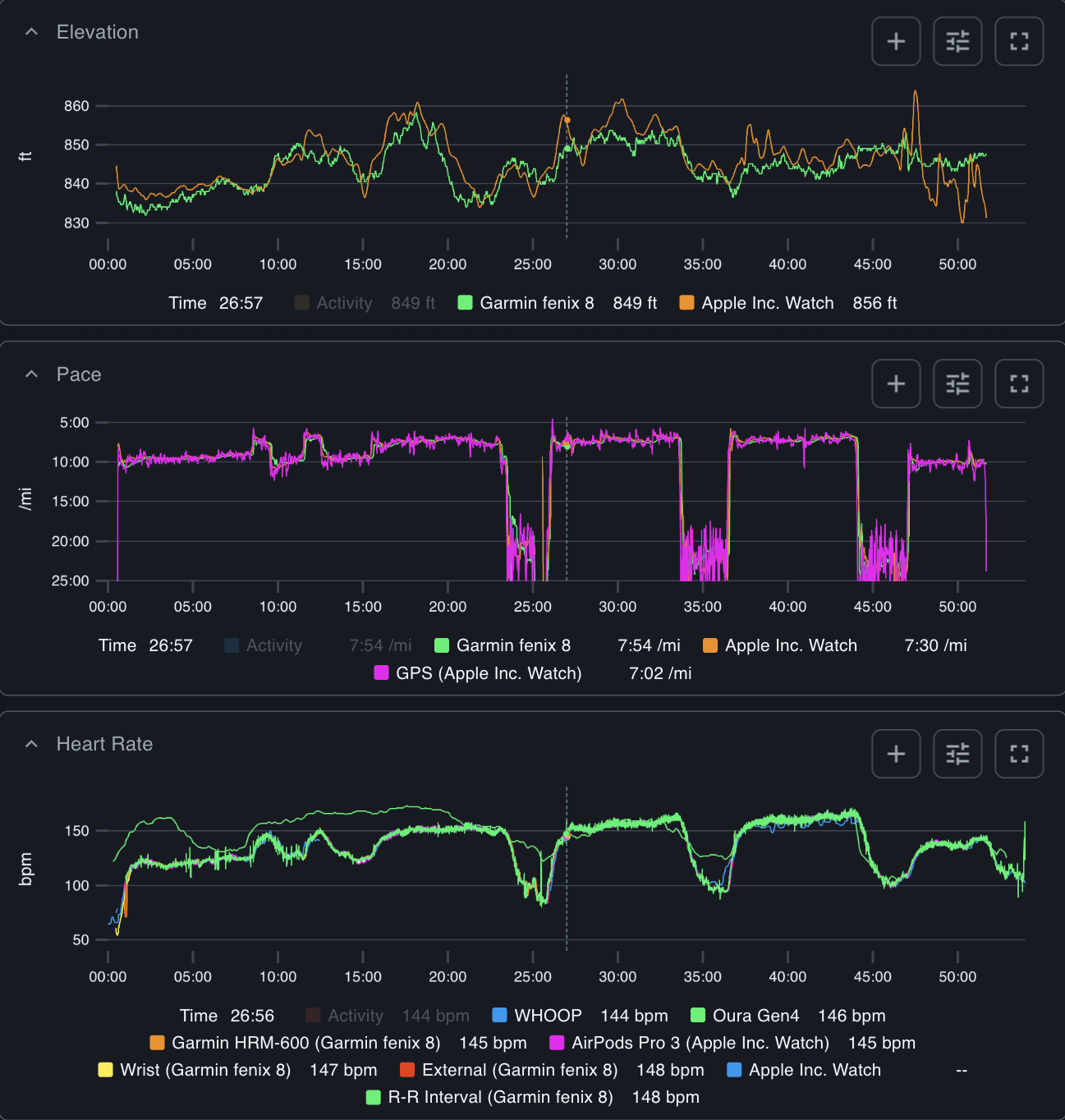
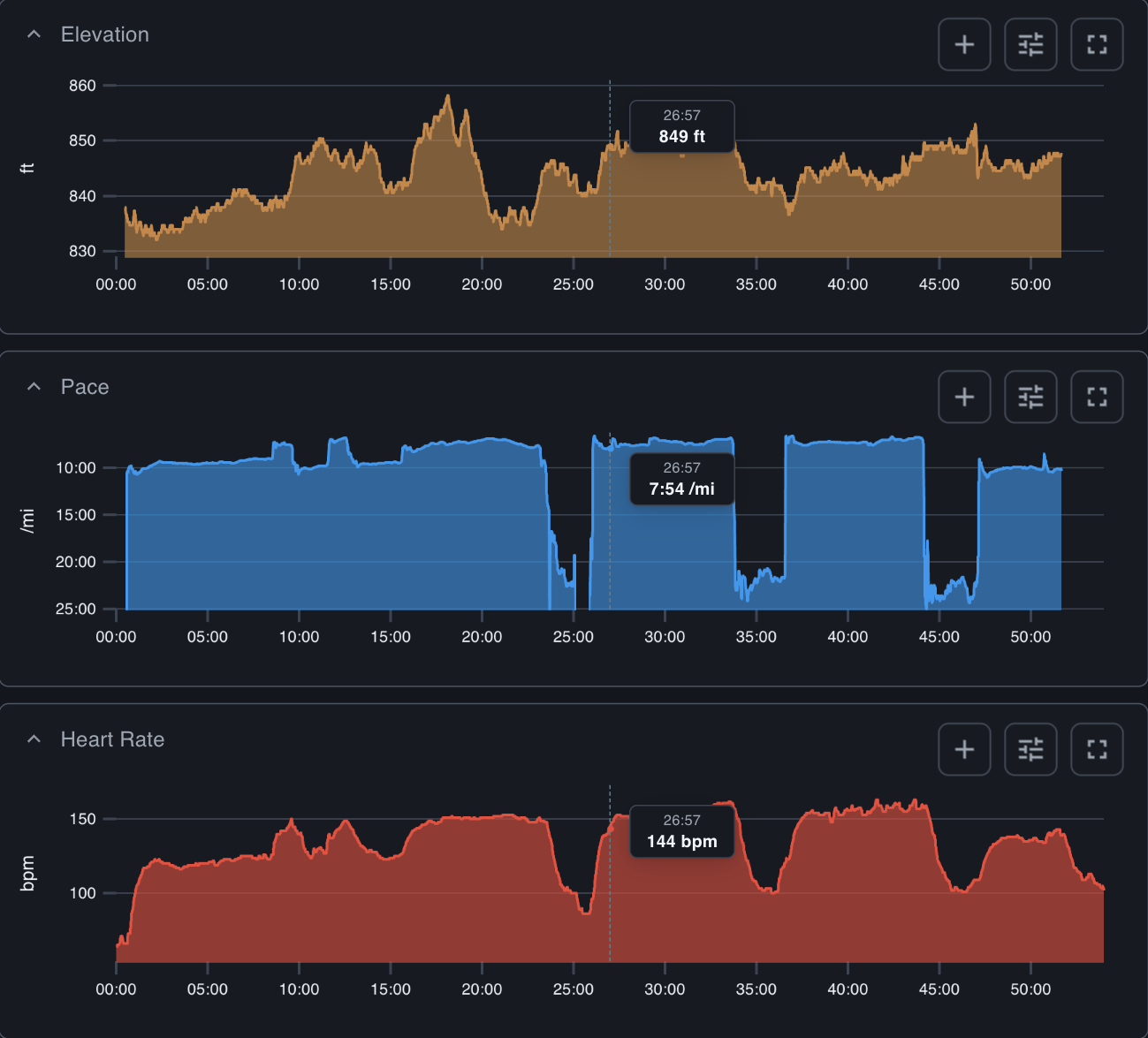
Triathletes are the most obvious example of someone who would benefit from this. A race recorded by both a GPS watch and a bike computer creates two separate activities on other platforms, doubling your bike stats and inflating totals across the board. Athalyze combines them into one clean, accurate activity.
It is also useful for athletes who have just picked up a new device and want to see how it compares to their old one. Wear both for even a single workout and Athalyze merges the recordings automatically, letting you compare their strengths and weaknesses with data from your own workouts rather than someone else’s review. Testing across different workout types adds even more signal, since what holds up on an easy run may not hold up when doing intervals or on the bike. Those comparisons are always there when you want them, without exporting files, without third party tools, and without any manual work.
Accurate Data, Put to Work
Accurate data is the foundation. Athalyze builds on it with a set of analytics tools designed to make the most of your training history.
At the activity level, every workout opens into a detailed view with charts for every recorded metric and a full route map. Clean, detailed, and fast to navigate. Standard metrics are all there, and Athalyze goes further by plotting developer fields from imported FIT files too. If your device recorded it, Athalyze shows it. Routes can also be viewed in 3D, giving a better sense of the terrain and elevation changes across the effort.
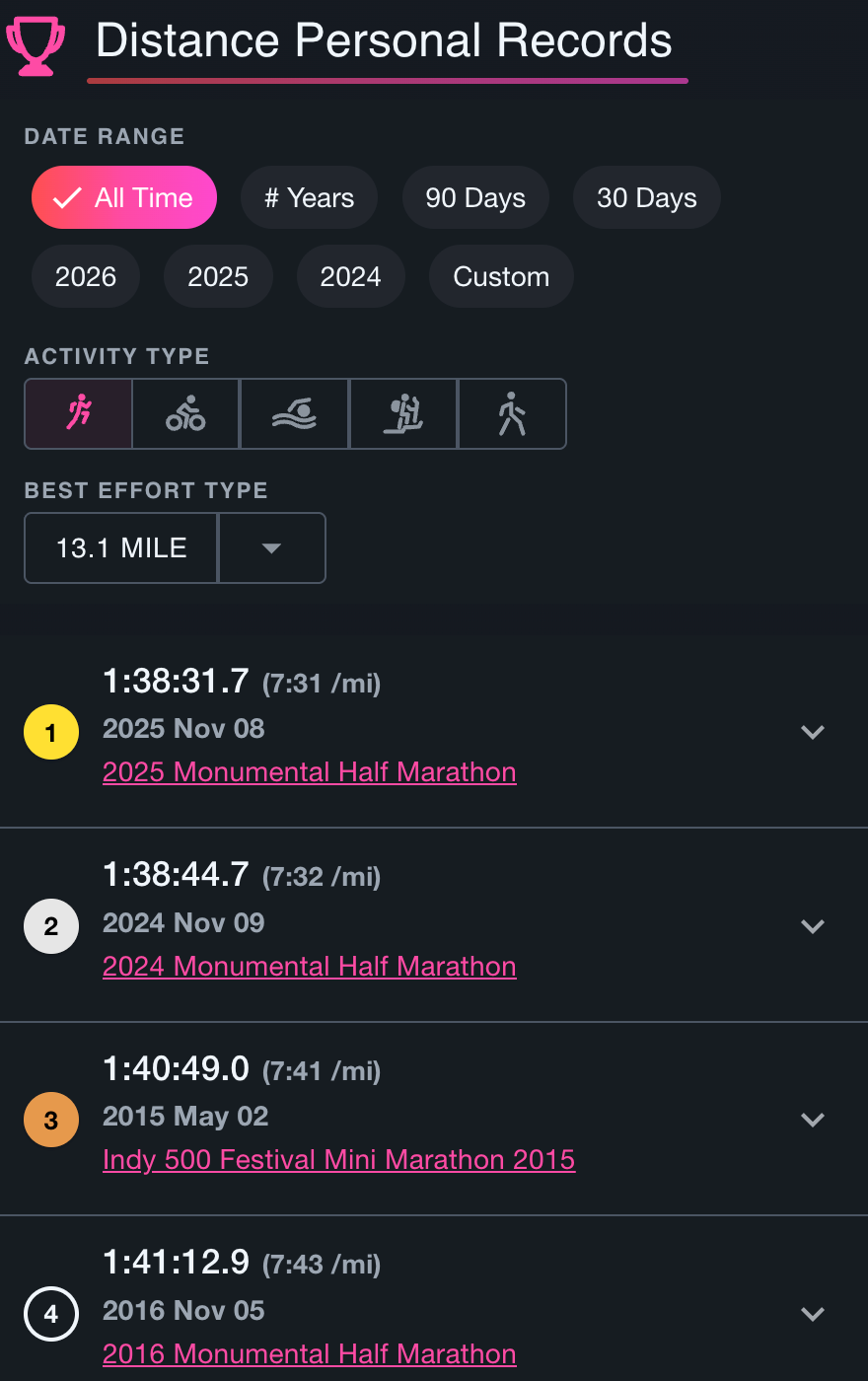
Every best effort is tracked automatically. Personal records are split into two categories, distance and power. Distance PRs track your quickest time across standard distances from short intervals to ultra marathon. Power PRs track your highest power output across durations from five seconds to one hour. Any time you check your personal records, Athalyze looks across your full activity history and surfaces the best efforts for each distance or duration. A date filter makes it easy to scope that to any time period of your choosing — a season, a training block, etc.
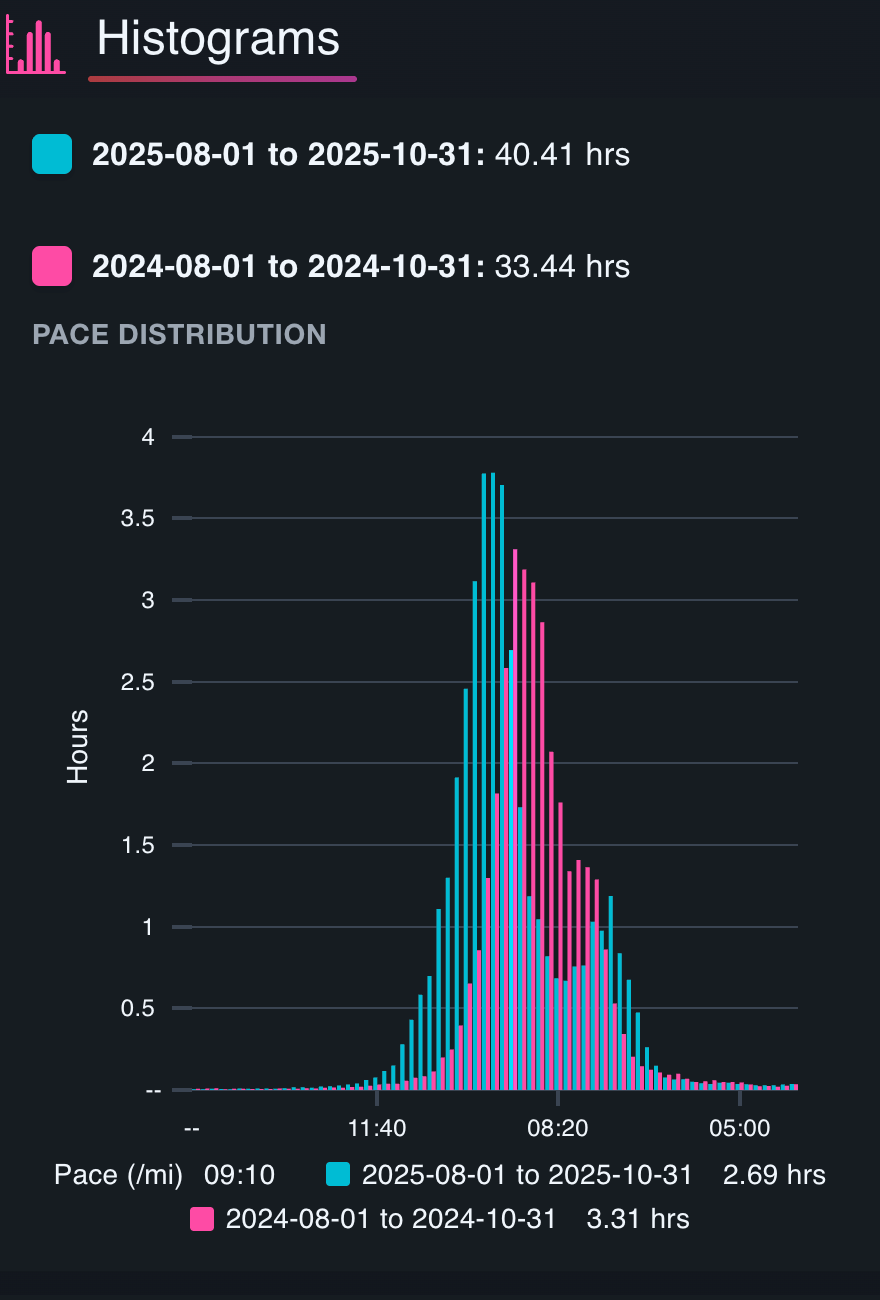
Histograms give a bird’s eye view of your training distribution. Rather than looking at individual workouts, they show how your efforts across pace, power, stride length, heart rate, and other metrics are distributed over time. Every recorded second across all your activities feeds into the view, giving a true picture of where you actually spend your training time. The view can be filtered by date range and activity type, so comparing one training block to another or isolating a specific discipline is straightforward. Below you can see an athlete who put in more running time in 2025 than the same period in 2024, but with a pace distribution shifted toward slower efforts — more training volume, less intensity.
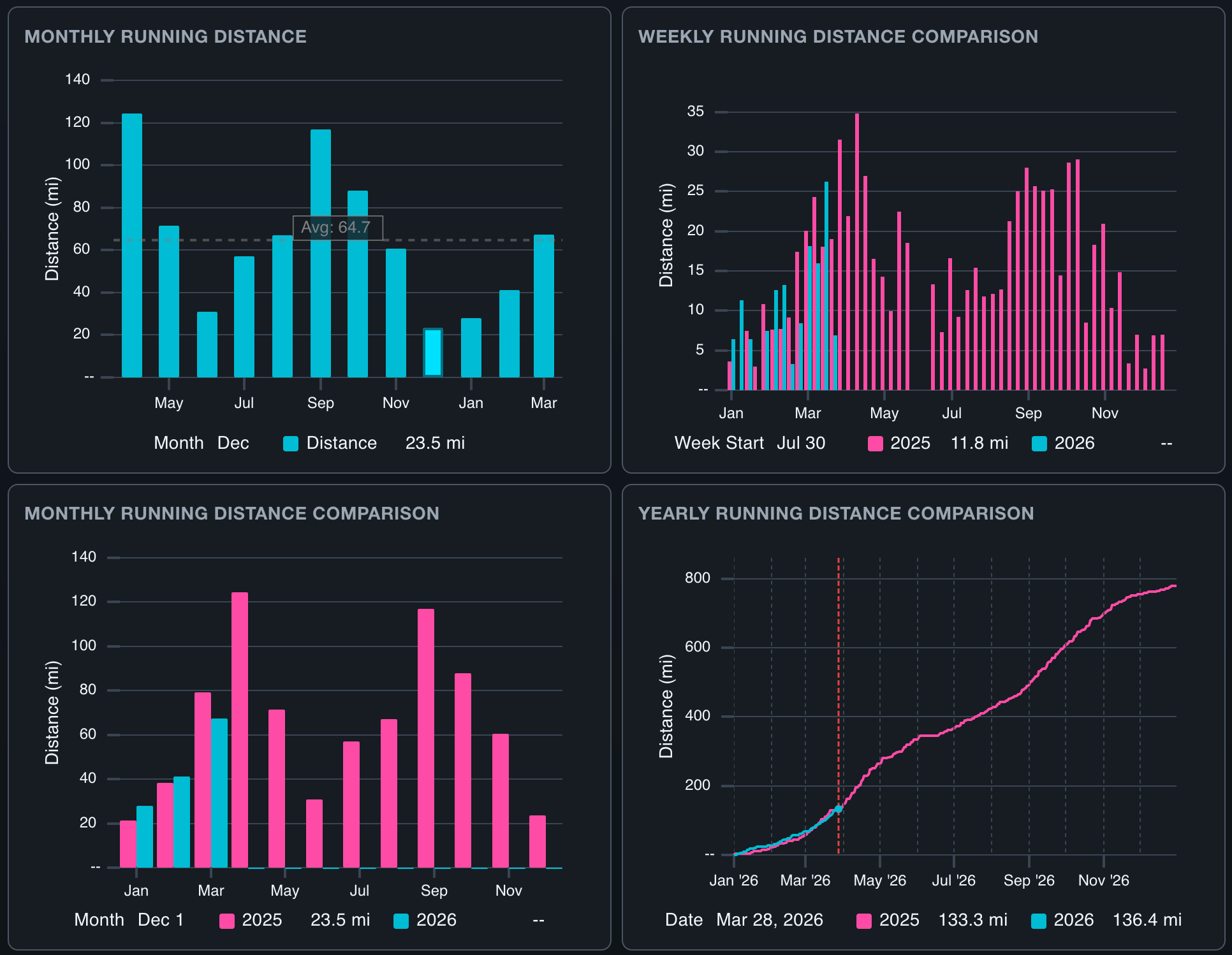
Trends put your training history in context. Activity and step data are broken down by day, week, and month, and year-over-year and month-over-month comparisons let you see how things have changed over time.
Gear and Devices
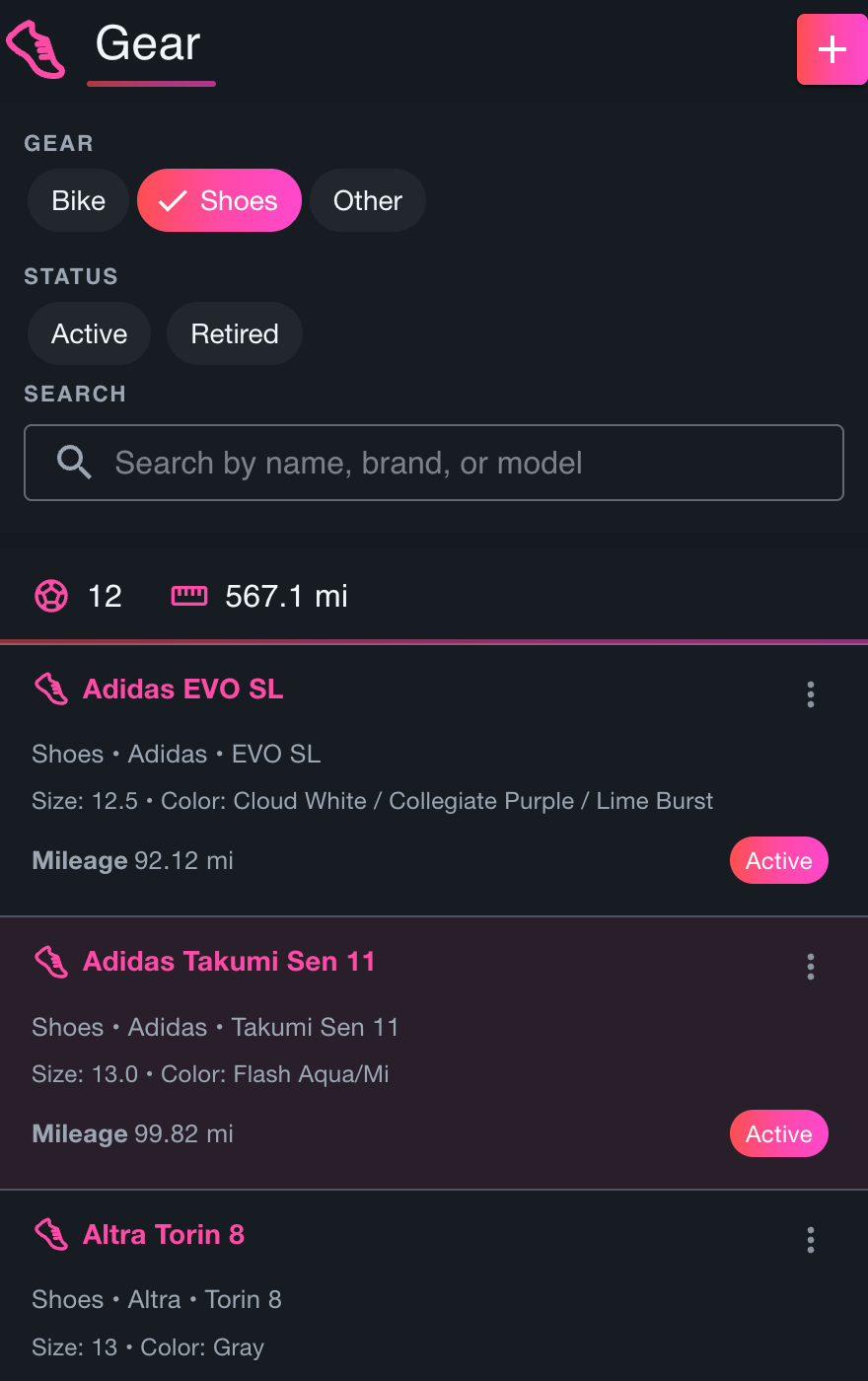
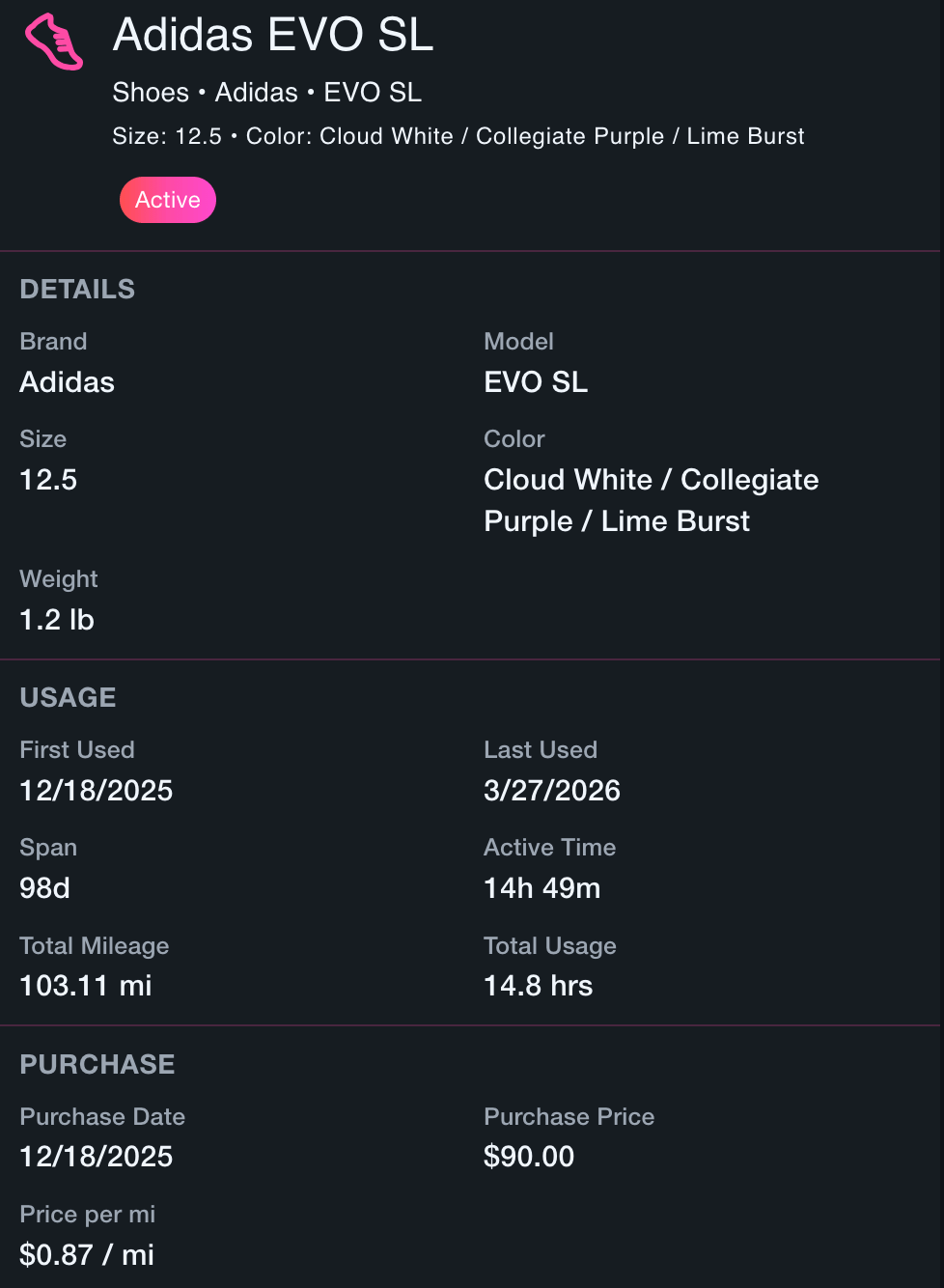
Athalyze tracks gear and devices with the same attention to detail as everything else. Each piece of gear gets a dedicated page with total mileage, total hours of use, usage span, and a complete activity history. Runners will appreciate the price per mile calculation, which makes it easy to see the true cost of a shoe over its lifetime.
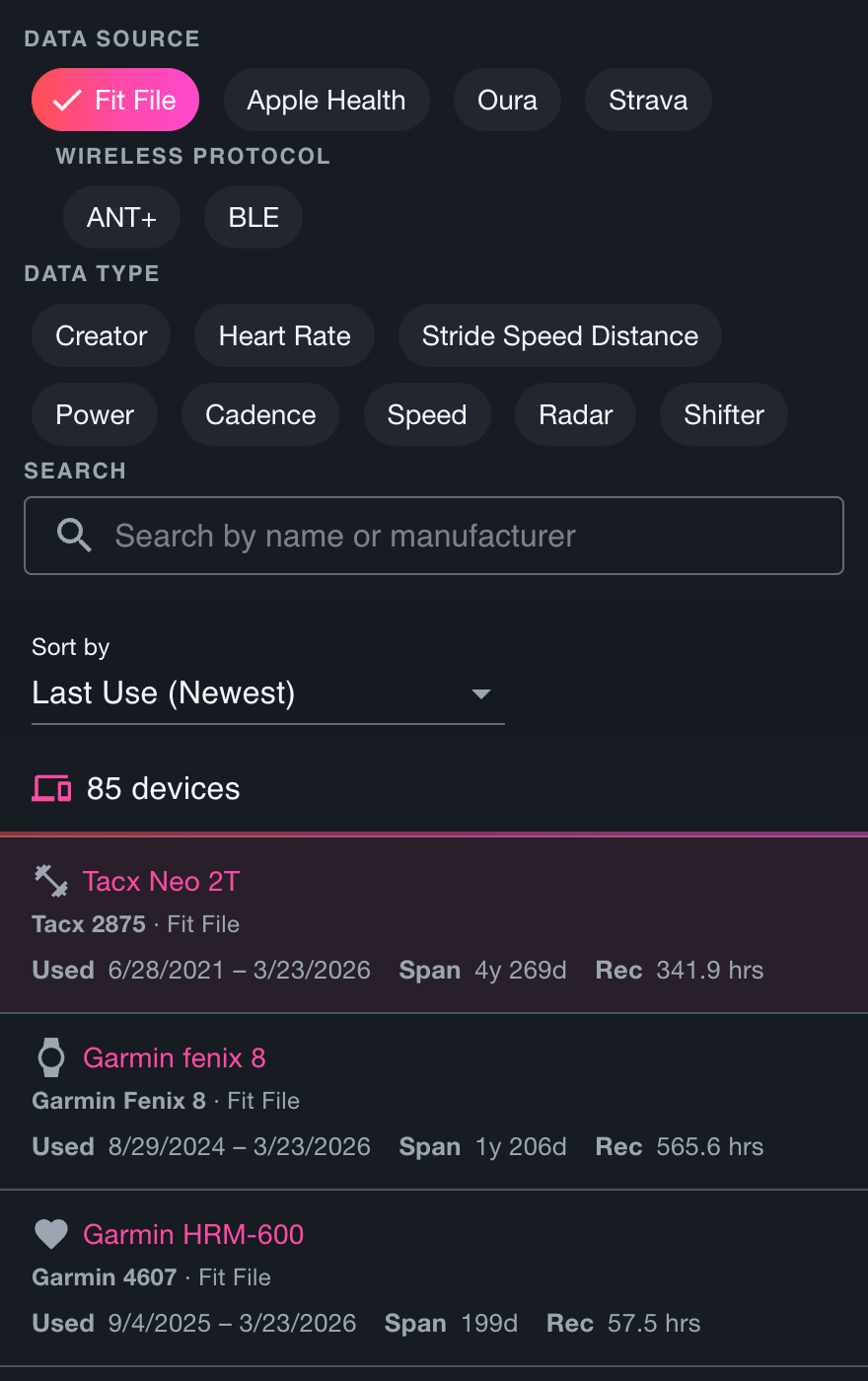
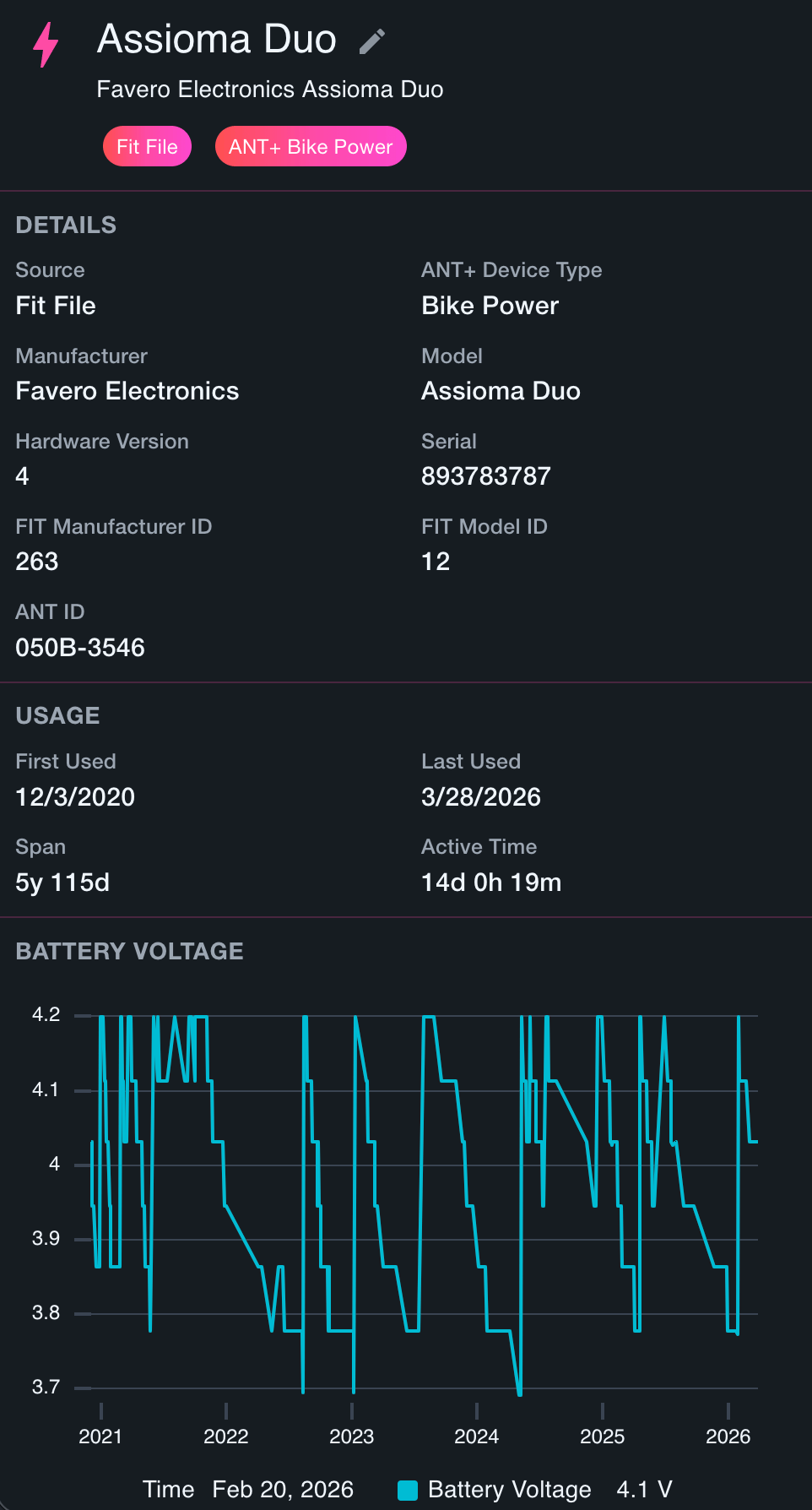
The devices view takes the same approach for every piece of hardware you have ever trained with. Watches, bike computers, heart rate straps, power meters — each gets a dedicated page with a full activity history and battery level trends over time.
Step Challenges
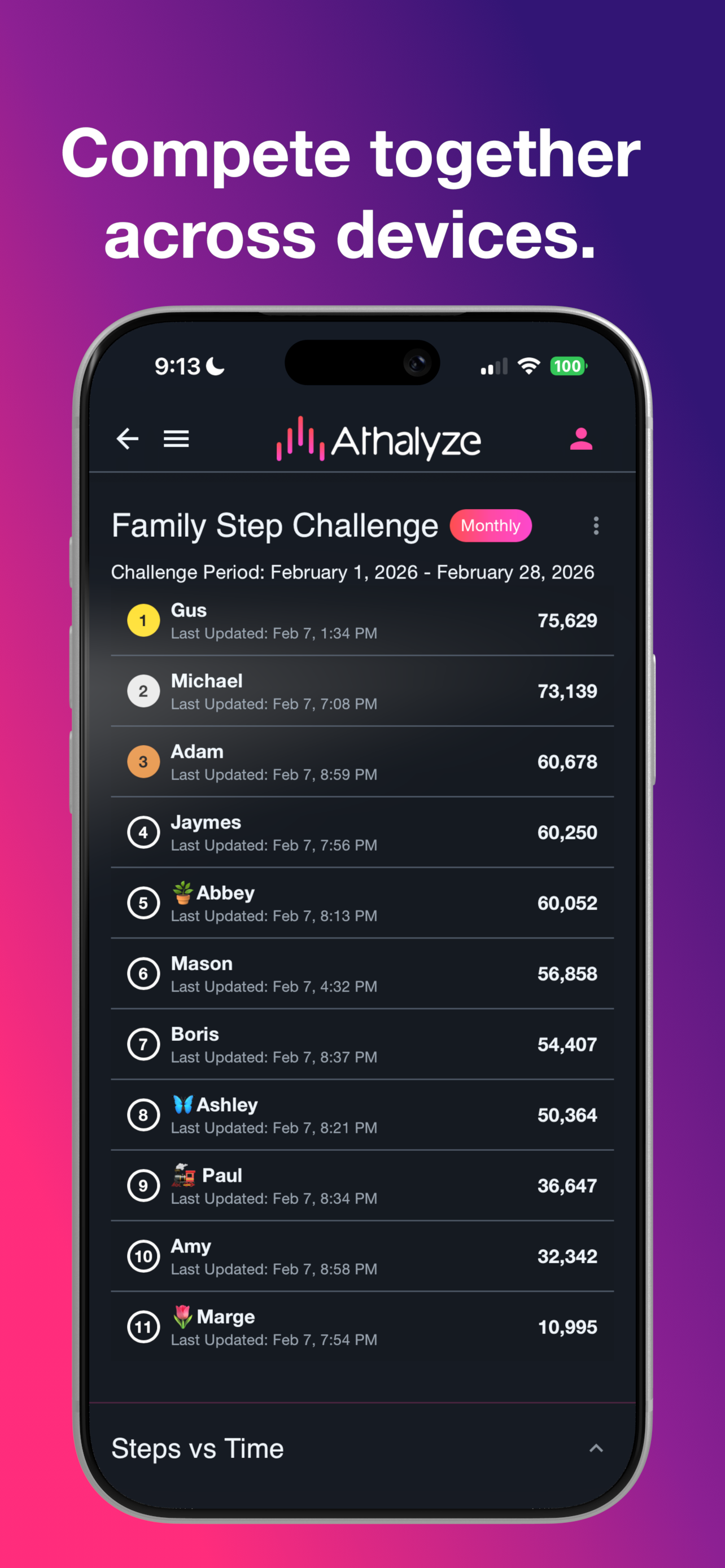
Beyond training analytics, Athalyze has a social side. Step challenges let groups of friends or family go head to head on step counts. The multi-device angle applies here too. Step counts from all connected devices are deduplicated automatically, so switching devices throughout the day does not inflate or split your total. Friends and family can join and compete regardless of which device they wear, making it easy to include everyone without worrying about which platform they are on. Push notifications fire when your rank in a challenge changes, so you always know where you stand without having to check. Challenges can be set up once and configured to recur automatically on a weekly, monthly, or annual basis. iOS widgets are available too, putting live challenge standings on your home screen without opening the app.
Athalyze is free to download and all features are available during early access. It is available on the App Store for iPhone and iPad, and on the web at athalyze.com. Athalyze currently imports from Apple Health, Garmin Connect, Strava, Whoop, and Oura, with more integrations on the way. For multi-device athletes it solves a problem no other platform addresses. For everyone else it is simply a great place to keep your training data. The platform is actively evolving, and the features that get built next are shaped by the athletes using it. Try it for free and help shape what comes next.
Author: athalyze
Last Updated on 30 March 2026 by the5krunner
Reader-Powered Content

This content is not sponsored. It’s mostly me behind the labour of love, which is this site, and I appreciate everyone who supports it.
Support the site: Follow (free, fewer ads) · Subscribe (paid, ad-free) · Buy Me A Coffee ❤️
All articles are written by real people, fact-checked, and verified for originality. See the Editorial Policy. FTC: Affiliate Disclosure — some links pay commission. As an Amazon Associate, I earn from qualifying purchases.
tfk is the founder and author of the5krunner, an independent endurance sports technology publication. With 20 years of hands-on testing of GPS watches and wearables, and competing in triathlons at an international age-group level, tfk provides in-depth expert analysis of fitness technology for serious athletes and endurance sport competitors.

How are they doing all of this for free?