Ultrahuman Ring Pro: 15-day battery, on-device AI, no subscription
Sleep is where useful biometric data sits. Resting heart rate, heart rate variability, respiratory rate and overnight skin temperature all read cleanly when the body is still, and the signal-to-noise ratio is high. The problem for smartwatch wearers is that flagship GPS watches are cumbersome to wear, produce noisy data and some Apple models require nightly charging. The smart ring category has built itself around those convenience and accuracy gaps, and the new Ultrahuman Ring Pro pushes the battery proposition further than anything currently on the market.
Design and build
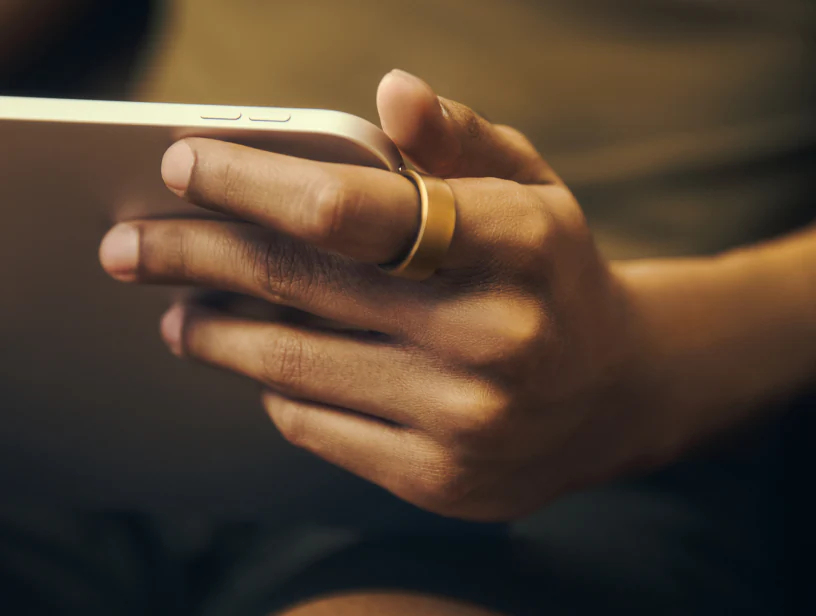
The Ring Pro uses a titanium unibody shell in four finishes: Raw Titanium, Aster Black, Bionic Gold and Space Silver. The aesthetic is restrained and tool-like rather than fashion-led, which suits a ring designed for continuous wear and wide appeal. Sizes range from 5 to 14, with a sizing kit shipped ahead of the ring.
Water resistance is rated to 100 metres, covering swimming, surfing and showering. A cut-release safety feature allows the ring to be removed if a finger swells through injury or illness, a small but practical detail rarely engineered into jewellery-form wearables.
Battery: the headline claim
Ultrahuman quotes up to fifteen days on a single charge in Chill Mode, and around twelve days in Turbo Mode. The on-board memory holds 250 days of data without a phone connection, so the ring can collect uninterrupted while travelling without the companion app.
CEO Mohit Kumar has positioned the battery performance as three to four times that of competitors. The benchmarks for context: the Oura Ring 4 quotes five to eight days, the RingConn Gen 2 advertises ten to twelve days, and the Samsung Galaxy Ring is rated at around seven days. A genuine fifteen-day endurance figure leads the category. Independent testing will be the key test – watch this space. Existing Ring AIR owners weighing an upgrade should note the battery bump is the most concrete change. The older AIR sits in the four-to-six-day range, compared with up to fifteen days on the Pro.
For endurance-oriented audiences, extended battery life is important. A ring that holds two weeks of charge can sit alongside a Garmin, Apple or Polar GPS watch, capture sleep and recovery without ever competing for the charging cable, and never interrupt a training cycle.
Sensors and a processor
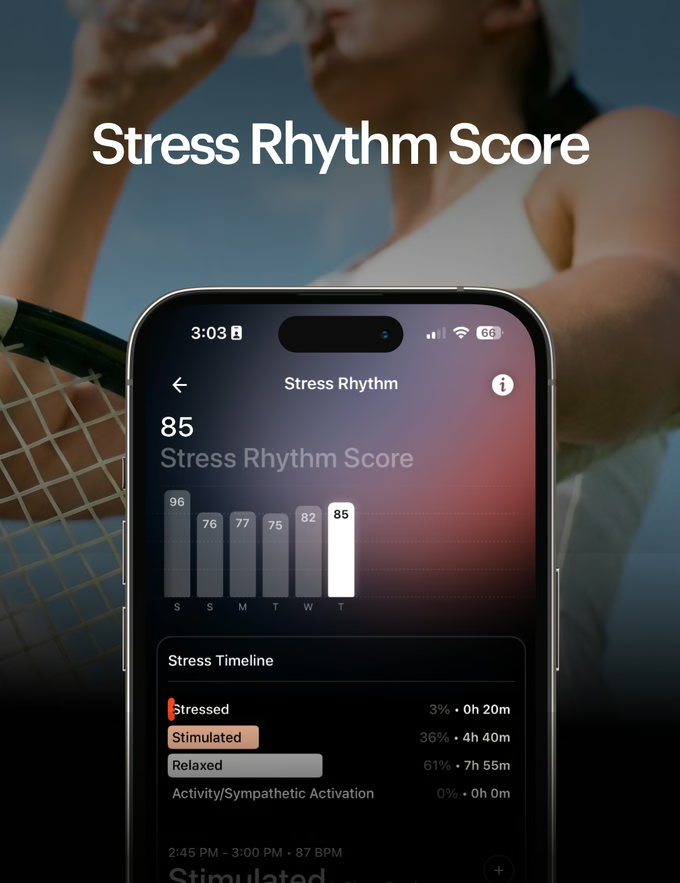
The optical heart rate platform has been redesigned. The Ring Pro features a new PPG array for heart rate, HRV, and blood oxygen levels, a non-contact skin temperature sensor, and a six-axis inertial measurement unit for motion tracking. The PPG redesign is targeted at sleep and recovery accuracy, where stable signal quality matters most. Ring-based HRV is a derived PPG signal rather than a chest-strap RR-interval measurement, so the values track trends over time rather than provide absolute accuracy. Overnight skin temperature falls into the same category and is increasingly used by serious athletes as an early signal of illness or overreaching.
The processing platform is the larger architectural change. The Ring Pro moves from the Ring AIR’s single-core processor to a dual-core chip with on-chip machine learning (ML) – new in this category to the author’s best knowledge. Running ML on the ring reduces dependency on the phone for analysis, with implications for latency and for privacy.
Jade: the AI layer
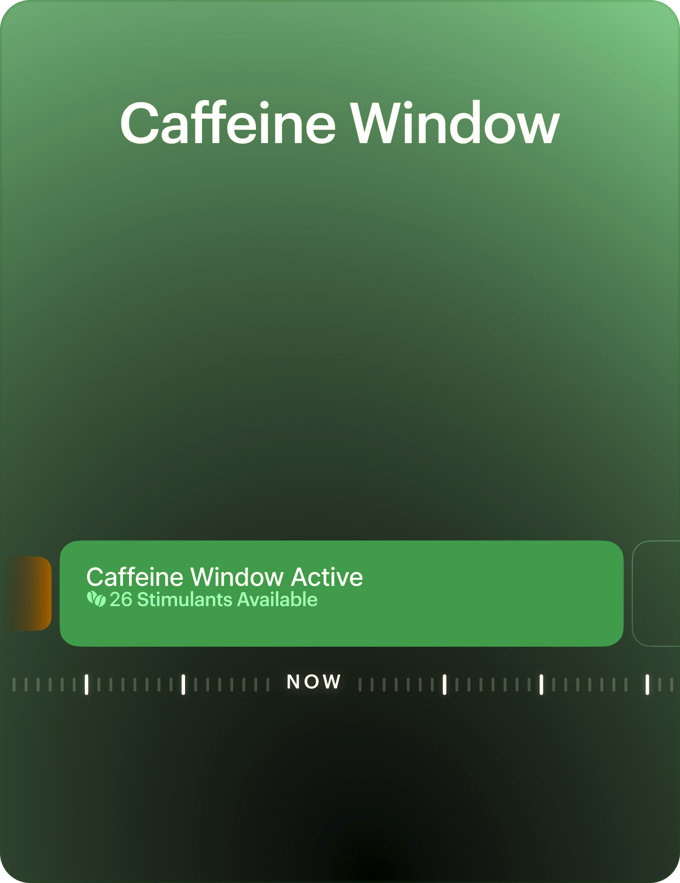
Jade is Ultrahuman’s biointelligence platform and is the headline software claim in the launch. Ultrahuman describes Jade as a real-time health AI that pulls live biomarker data from the ring and triggers contextual actions, such as initiating a breathwork session when HRV drops below a personal baseline.
Two ways to interact are offered. Standard mode handles direct queries on recent metrics, such as sleep duration or weekly trends. Research mode runs a deeper analysis across the wider Ultrahuman data stack, which can include your 120-plus Blood Vision biomarkers from the brand’s at-home blood testing service, glucose data from the M1 continuous glucose monitor, and environmental data from the Ultrahuman Home unit. Ultrahuman has not yet confirmed whether ring data can be exported to TrainingPeaks, Intervals.icu or Strava beyond the existing app integrations.
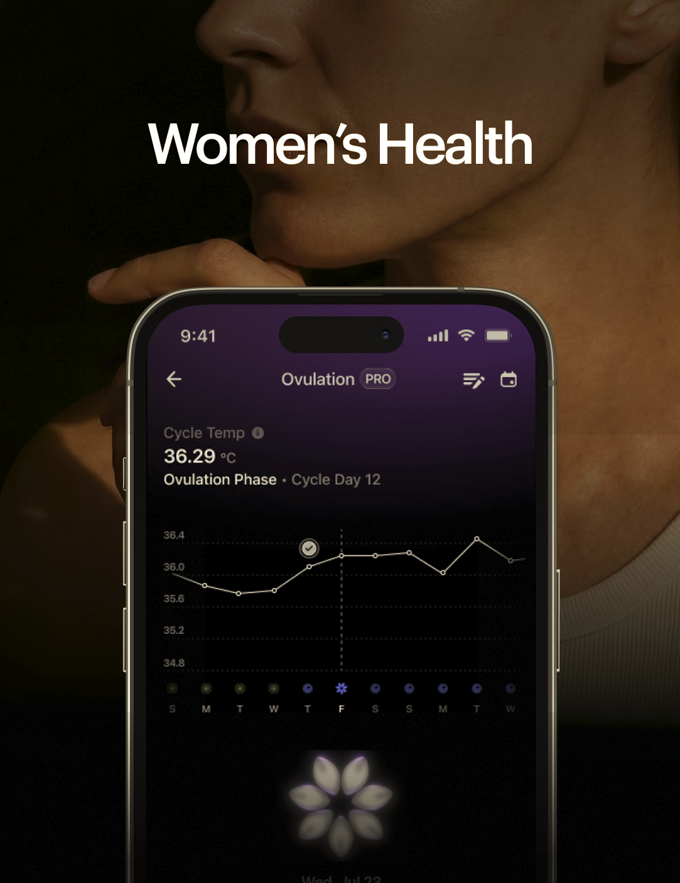
PowerPlugs is the plug-in framework that sits on top of Jade. Three are bundled at launch: Respiratory Health, which detects snoring, coughing, and irregular breathing using smartphone audio; Cycle and Ovulation Pro, with claimed 90 per cent ovulation accuracy; and Cardio Adaptability, which analyses overnight HRV using tachograms and Lorenz plots.
Charging
Two charging options exist. The Kickstarter rewards include the Mini Charger, a compact USB-C dock built for travel. The official Ultrahuman store bundle ships with the larger PRO Charging Case, which adds up to 45 days of combined battery life, up to a year of on-case data storage, Qi wireless charging, and a Find My Case feature with an integrated speaker. The PRO Charging Case is sold directly by Ultrahuman for $479 with the ring, rather than as a Kickstarter reward.
Pricing, packages and availability
The Ring Pro launched on Kickstarter on 4 May 2026. The Super Early Bird tier of $299 for the first 250 backers sold out quickly. Tiers since climb through $349, $399 and $449 for single-ring rewards, with discounted couples options also offered. Each Kickstarter reward includes the ring, the Mini Charger and three PowerPlugs worth $130, free for the first year. Ultrahuman is an established company that ships products at scale and used Kickstarter for the Ring AIR launch as well, so the Kickstarter route here is a marketing and pre-order channel rather than a crowdfunding risk.
A lifetime subscription to core Ring Pro features is included, with no recurring charges. Buyers should note the implied gap. The PowerPlugs are described as free for the first twelve months, which suggests the broader plug-in catalogue carries an ongoing cost after that. Ultrahuman has not detailed PowerPlugs pricing beyond the first year.
Shipping is free worldwide. Early tiers are scheduled to ship from June 2026, and later tiers from July 2026.
US availability was suspended for a period after a patent dispute between Ultrahuman and Oura. Pre-orders to US buyers reopened on 24 March 2026 following clearance from US Customs and Border Protection, via Ultrahuman’s official store. The Kickstarter campaign accepts US backers.
Buy or order: here with 10% discount automatically applied (for pre-launch order here on Kickstarter)
Where it fits
The smart ring market has consolidated around a single competitive question: who delivers the most accurate sleep and recovery data with the longest wear time and the lowest ongoing cost. Oura still leads in software depth and clinical credibility, but the Oura Ring 4 comes with a $5.99 monthly or $69.99 annual subscription on top of the hardware. RingConn and Samsung Galaxy Ring are subscription-free and undercut Oura on cost but trail it on platform features. Ultrahuman is positioning the Ring Pro at the no-subscription end of the market while attempting to lead on battery, on-device intelligence and the breadth of its connected ecosystem.
Whoop is the closest competitor to the recovery-first reader, despite its band form factor. The trade runs the other way: Whoop is subscription-only with no hardware cost, the Ring Pro is hardware-only with no core subscription.
A smart ring captures no GPS data, no power, and no real-time workout HR. For any reader already running a Garmin, Coros or Polar watch, the Ring Pro covers the sleep and recovery side while the watch handles intense and outdoor training metrics. The case for adding it is sleep, HRV, low-level activity and recovery data collected continuously without competing for the training-day charging cable.
Whether Jade lives up to the real-time framing in everyday use will be the next thing to test.
Frequently asked questions
How long does the Ultrahuman Ring Pro battery last?
Up to fifteen days in Chill Mode and around twelve days in Turbo Mode on a single charge. The optional PRO Charging Case extends combined battery life to up to 45 days. Independent battery figures will follow once review samples ship.
Does the Ultrahuman Ring Pro require a subscription?
No core subscription is required. Ring Pro features and content are included for the lifetime of the device with no recurring charges. The PowerPlugs add-on catalogue is free for the first twelve months. Pricing beyond the first year has not been published.
How does the Ultrahuman Ring Pro compare with the Oura Ring 4?
The headline differences are battery life and pricing model. Ultrahuman quotes up to fifteen days against the Oura Ring 4’s five to eight, and the Ring Pro carries no core subscription against Oura’s $5.99 per month or $69.99 per year. Oura still leads on platform maturity and research integrations.
How does the Ultrahuman Ring Pro compare with Whoop?
Different form factor, opposite cost model. Whoop is a subscription-only band with no hardware fee. Ring Pro is hardware-only with no core subscription. Whoop has a deeper recovery-and-strain platform built for an athletic audience. Ring Pro covers similar ground on sleep and HRV, but in a smaller form factor that does not encircle the wrist.
How does the Ultrahuman Ring Pro compare with the RingConn Gen 2?
Both are subscription-free smart rings. RingConn Gen 2 quotes ten to twelve days of battery against the Ring Pro’s fifteen, and is typically cheaper. The Ring Pro adds a dual-core processor, on-device machine learning and the Jade AI layer, plus the wider Ultrahuman ecosystem of glucose, blood and home environmental data.
How does the Ultrahuman Ring Pro compare with the Samsung Galaxy Ring?
Galaxy Ring is subscription-free, lasts around 7 days on a single charge, and works best within the Samsung Health ecosystem on Android. Ring Pro is platform-agnostic, roughly doubles the quoted battery life, and adds an AI layer that Samsung’s first-generation ring lacks.
Should I upgrade from the Ultrahuman Ring AIR?
The most concrete change is the battery: four to six days on the AIR, compared with up to fifteen on the Pro. The Pro also moves from a single-core to a dual-core processor with on-chip machine learning, adds the redesigned PPG, and brings Jade and PowerPlugs. Existing AIR owners who are happy with sleep and recovery data and not interested in the AI layer have less reason to switch.
Will the Ultrahuman Ring Pro replace my Garmin or Coros watch?
No. The Ring Pro captures no GPS data, no power data, and no real-time heart rate data during workouts. It is a sleep, low-intensity activity tracker and recovery device intended to sit alongside a GPS watch, not replace it.
Is the Ultrahuman Ring Pro available to US buyers?
Yes. US pre-orders reopened on 24 March 2026 via Ultrahuman’s official store after the company cleared US Customs and Border Protection. The Kickstarter campaign also accepts US backers.
Last Updated on 6 May 2026 by the5krunner
My favourite kit and nutrition
- Maurten — the race nutrition trusted by elite athletes. Gels and drink mix engineered to be easy on the stomach.
- Garmin 90-degree charging adapter — the small adapter that keeps your charging cable tidy at the stem. Essential for race day.
- Garmin charging puck — the fastest and most reliable way to top up your Garmin before a session.
- Ravemen FR300 — front light that mounts directly under your Garmin or Wahoo head unit. Keeps your bars clean and your beam pointed where it matters.
- Garmin Varia RTL515 — radar rear light that alerts you to vehicles approaching from behind. Pairs with your Edge or Garmin watch.
- Stryd — the footpod that brings running power to your Garmin. The single most useful running upgrade I have made.
- Favero Assioma Pro RS2 — the power meter pedals most serious cyclists end up choosing. Accurate, easy to move between bikes.
Reader-Powered Content

This content is not sponsored. It’s mostly me behind the labour of love, which is this site, and I appreciate everyone who supports it.
Support the site: Follow (free, fewer ads) · Subscribe (paid, ad-free) · Buy Me A Coffee ❤️
All articles are written by real people, fact-checked, and verified for originality. See the Editorial Policy. FTC: Affiliate Disclosure — some links pay commission. As an Amazon Associate, I earn from qualifying purchases.

tfk is the founder and author of the5krunner, an independent endurance sports technology publication. With 20 years of hands-on testing of GPS watches and wearables, and competing in triathlons at an international age-group level, tfk provides in-depth expert analysis of fitness technology for serious athletes and endurance sport competitors. ID
