Top 5 Wearable Watersheds. The Fitbit Air Is the Sixth.
There have been five watershed moments in wearable tech since 2012. The Fitbit Air is the sixth.
- Garmin Fenix, 2012: multisport GPS on the wrist
- Original Fitbit Charge, 2014: mass-market screenless wearable
- Whoop, 2018: the subscription recovery tracker
- Oura Ring, 2018: wearable tech leaves the wrist
- Apple Watch Ultra, 2022: premium smartwatch pricing normalised
- Fitbit Air, 2026: data as the product
Sports tech and wearables sites like this can spot the watershed moments: traffic rockets. Spikes in traffic are usually short-lived events due to a timely story like the Strava vs Garmin patent case; these watershed products see traffic grow, then grow again.
A watershed defines a new category, forces every competitor to respond, and becomes the reference against which all those that follow are measured.
1. Garmin Fenix, 2012: Adventure GPS on the Wrist
Before the Fenix, GPS on the wrist meant a single-sport device, typically a Forerunner for runners or a basic outdoor unit for hikers. Garmin’s launch of the Fenix bundled running, cycling, hiking, swimming, and skiing into one ruggedised watch with a multi-day battery and a sensor stack to match. The watch was openly premium and made no apology for the price. Suunto and Polar built their own versions over the following decade. Apple eventually launched the Watch Ultra to compete in the same upper tier.
The premium multisport and adventure category exists because of the Fenix.
2. Original Fitbit Charge, 2014: Mass-Market Screenless Wearable
- Before the Charge, mass-market fitness tracking meant the Nike FuelBand, primitive pedometers, or the early Jawbone Up
- The Charge launched as a screenless wristband measuring steps, sleep, and heart rate, at an accessible price, working with any smartphone
- The combination of form factor and price made it the first wearable that crossed from early adopters into mainstream consumer territory
- Garmin, Apple, Samsung, and Xiaomi all entered the category as a direct result.
The mass-market screenless wearable exists as a product category because of the Charge.
3. Whoop, 2018: The Subscription Recovery Tracker
Before Whoop reached mass adoption, recovery tracking lived in a coach’s spreadsheet or was loosely inferred from manually logged chest strap data. Whoop built a screenless 24/7 strap with subscription-only data interpretation, premium pricing, and identity-led marketing aimed at elite athletes, founders, and military personnel. The product looked like jewellery and asked customers to commit to a long subscription. The screenless premium recovery category did not exist before Whoop. It exists now because Whoop proved consumers would pay $200 to $359 per year for biometric interpretation alone, which is the category the Fitbit Air now enters at a fraction of the price.
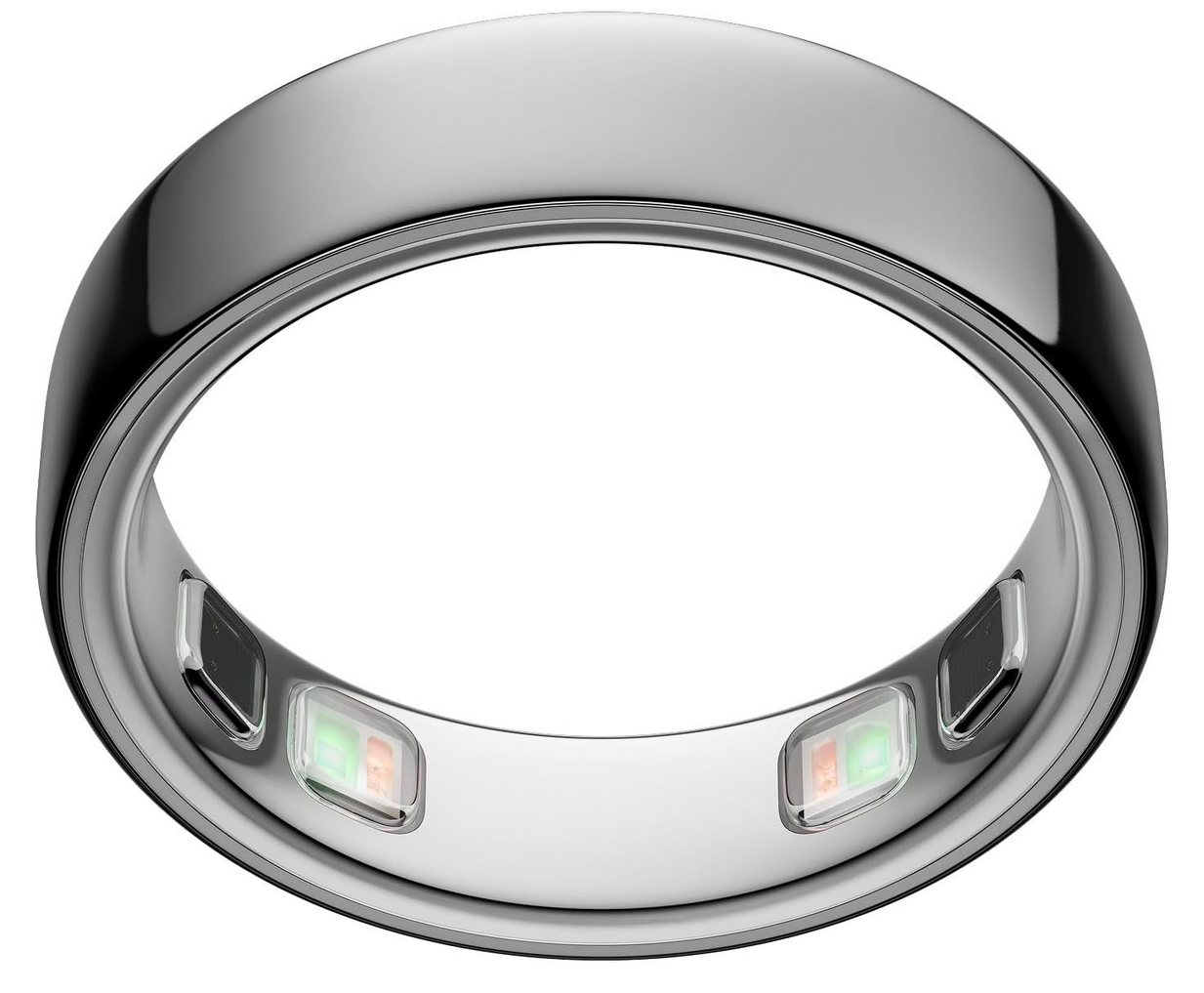
4. Oura Ring, 2018: Wearable Tech Leaves the Wrist
- Before Oura, smart rings were a niche idea with no successful consumer product behind them
- Oura launched a titanium ring tracking sleep, HRV, body temperature, and readiness, with premium hardware pricing and a subscription
- It validated both the form factor (a ring is a viable wearable computer) and the model (premium subscription wellness on a non-wrist device)
- Samsung followed with the Galaxy Ring, Whoop added MG, Apple is rumoured to be working on its own. There are many wannabees, none are as good.
The smart ring as a wearable category exists because Oura made it work.

5. Apple Watch Ultra, 2022: Premium Smartwatch Pricing Normalised
Before the Ultra, premium endurance watches lived inside Garmin’s ecosystem and capped at around $1,000 for top-tier Fenix Sapphire variants. Apple’s previous high-end Watch sat at around $500. The Ultra rebranded a single product line as something distinct, a different watch for a different customer with a different price ceiling. The market accepted it. The smartwatch category gained an upper tier that had not previously sold in volume.
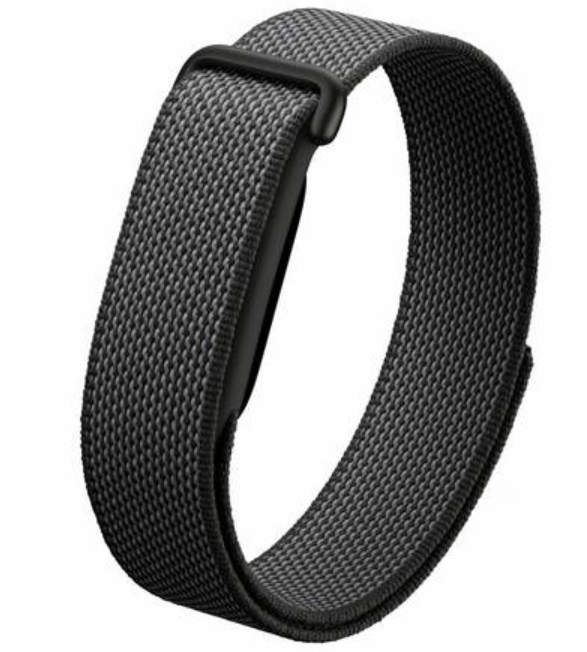
6. Fitbit Air, 2026: Data as the Product
- Before the Air, the screenless premium category meant Whoop’s $200 to $359 per year subscription or nothing comparable
- The Air launched at $99 outright with no subscription, an AI-native Gemini Health Coach free for three months, and an open ecosystem importing data from rival apps
- Google’s 30 million-plus active Fitbit users and hundreds of millions of Android phones give the Air more distribution at launch than any wearable in history
- The price floor moves, Garmin’s Cirqa now has to defend against it, and the AI layer becomes the new differentiator
The data play underneath is the deeper story: the hardware is the customer acquisition cost, the product is the population-level dataset that trains Gemini’s health intelligence.
The Pattern
Hardware is the visible thing. The watershed is what changes around it.
Whoop will not disappear. Garmin will not disappear. Oura will not disappear. After the launch of Air, the questions every wearable maker faces today differ from those they faced a month ago. That is what a watershed does.
What are your candidates for wearable watersheds?
The Forerunner 310XT (2009) perhaps spawned the triathlon watch market, and, of course, the early Forerunner 201 (2003) started GPS sports logging, arguably laying the foundation for Garmin’s dominance. The current Forerunner range is the direct continuation of that lineage; for an overview of all five active models, see the Garmin Forerunner guide. For the full picture of the Google Fitbit ecosystem including the Air, Pixel Watch and Google Health: Google Fitbit and Wear OS hub. The original Epix (2015) was also the first proper incarnation of maps on the wrist, and maybe the early Polars can be credited for heart rate on the wrist via a chest strap (PE3000 1982) – I even vaguely remember a Polar S725 (2004 with IrDA to the MobileLink app) which was the first watch to send my post-parkrun heart rate track to an old Nokia 5140, revolutionary at the time (but no one other than me was interested).
Last Updated on 13 June 2026 by the5krunner
Small things I always use
- Garmin 90-degree charging adapter: Charges your Garmin from any USB-C cable. Essential when travelling. I use one.
- Body Glide: The blue anti-chafe stick swimmers and runners carry. I use it.
- Speedo earplugs: Fewer ear infections and no cold-water dizziness. I use them.
- Maurten: Race fuel that stays easy on the stomach. I use them.
- Garmin charging puck: The quickest way to top up before a session. I use one.
- Injinji: Toe socks that stop rubbing, so you run more. I use them.
- Cellucor C4: My pre-workout before hard sessions.
- TPU tubes: Schwalbe Aerothan, Tubolito and Pirelli SmarTube. Light, tiny spares. I use all three.
Watches and sensors
- Polar H10: My daily driver for waking HRV.
- Polar Verity Sense: My backup arm-worn HR sensor.
- Nomad bedside charger: Charges my iPhone and Apple Watch overnight. I use it, and many of their bands.
- Train.Red: The best muscle oxygen sensor I’ve used.
- Garmin Forerunner 970: A pro-grade triathlon watch. I use this.
- Apple Watch Ultra 4: My daily smartwatch. No phone needed on rides.
- Garmin Fenix 9 Pro: I’ve just bought one.
On the bike
- Continental GP5000 for everyday riding, and Aero 111 on the front for special occasions.
- Ravemen FR300: A front light that mounts under your Garmin or Wahoo. I use one.
- Wahoo TRACKR Radar: I use it on one bike and Varia on the other. They perform the same.
- Garmin Varia RTL515: Radar that warns you of cars from behind. I use this model.
- Wahoo ELEMNT Roam 3: The bike computer that’s easy to use. I use mine on most rides.
- Favero Assioma Pro RS2: Accurate power pedals that swap easily between bikes. I use this model.
Home and indoor training
- Google Wifi: Keeps Zwift connected in my pain cave. I use it.
- Apple TV 4K: Zwift on the big screen. I use two.
- Google Nest Doorbell (wired, 2nd gen): My video doorbell, running in both Google Home and Apple Home. I use it.
Health, recovery and sleep
- FreeStyle Libre 3 Plus: Shows how my blood sugar responds to diet.
- hDrop: Measures my sweat loss in summer and indoors.
- Fourth Frontier Zone: Checks my heart under load in hard sessions.
- Oura Ring 5: My partner’s recovery tracker of choice.
- Kineon MOVE+: Red light therapy for niggles. It works.
- Eight Sleep: A cooling mattress cover my partner and I use nightly.
Reader-Powered Content

This content is not sponsored. It’s mostly me behind the labour of love, which is this site, and I appreciate everyone who supports it.
Support the site: Follow (free, fewer ads) · Subscribe (paid, ad-free) · Buy Me A Coffee ❤️
Written by real people, with AI assistance. Fact-checked and verified for originality. See the Editorial Policy. FTC: Affiliate Disclosure — some links pay commission. As an Amazon Associate, I earn from qualifying purchases.
tfk is the founder and author of the5krunner, an independent endurance sports technology publication. With 20 years of hands-on testing of GPS watches and wearables, and competing in triathlons at an international age-group level, tfk provides in-depth expert analysis of fitness technology for serious athletes and endurance sport competitors. ID

I have a different look at things.
Revolutionary products?
The change from watches with stopwatch to watches that measured heart rate (with an external device). That really changed the way people trained.
The change to watches that have gps. That changed how people run long distances or in unfamiliar surroundings or entering trail runs that only provide a gpx.
Other than that? Nothing that changed the way people train. Devices may have become cheaper, provide more data (not necessarily accurate or useful) or smaller.
I’d generally agree. Polar in the mid to late 90’s. (OHR is still not consistent enough for me to train by) Garmin 310xt for integrating GPS into a useable running watch. Lots of refinements and improvements since then, but I’m not sure any of the newer metrics / features have been game changing like those to a typical athlete. Power on the bike would also fit into that for biking.
yes bike watershed moments is another article. power must be in that. gps nav must be. strava segments? (no)