Apple Watch Ultra 4 vs Series 12
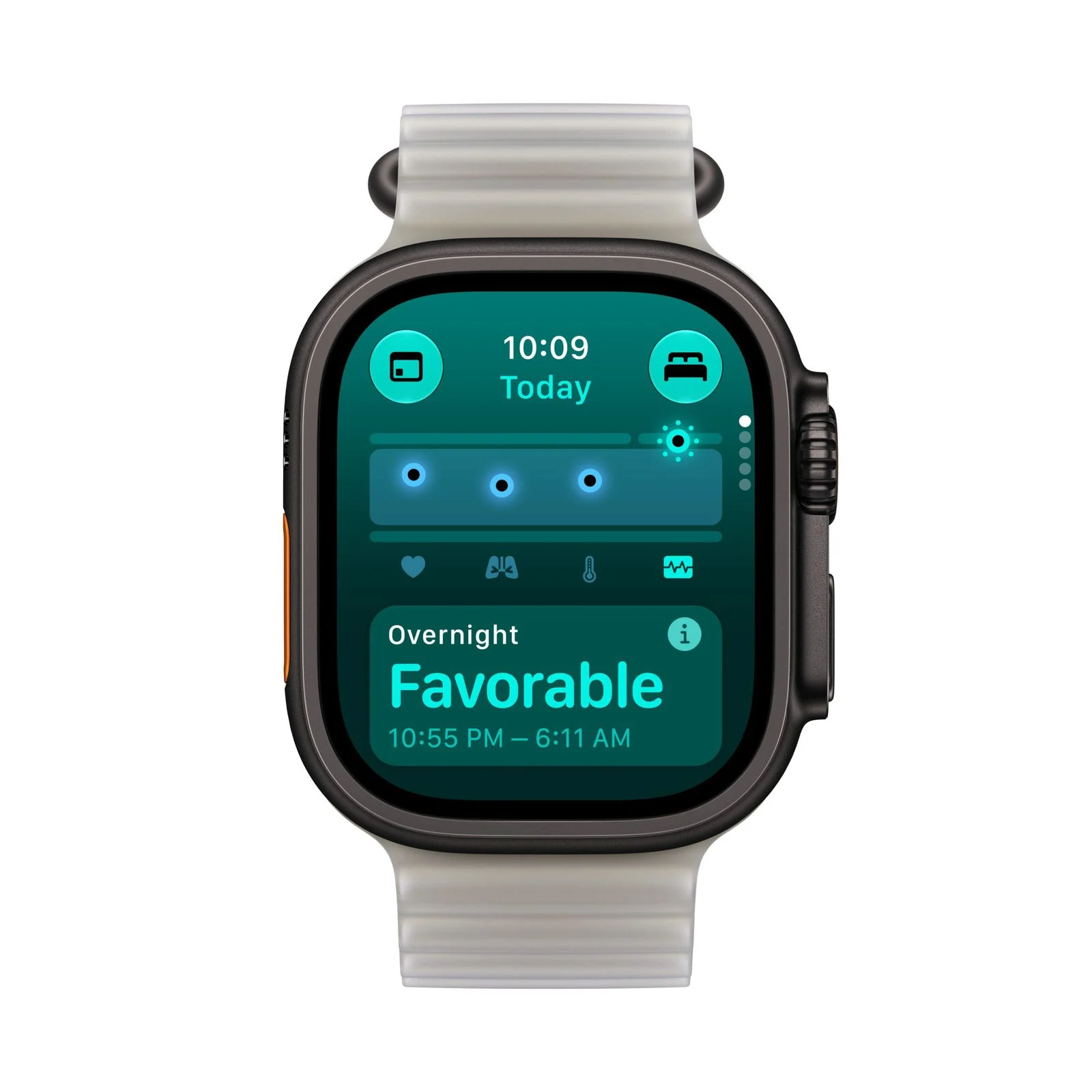
Ultra 4 and Series 12 run identical software this year. Same S11 chip, same Health Sensing System, same Readiness app, same Audio Intelligence. Nothing in the health or training features separates them. The decision is entirely about hardware, and for most buyers it comes down to three things: battery, durability and size. Satellite, diving and dual-frequency GPS matter too, but only to the people who need them.
For full specifications, see the Series 12 specifications page and the Ultra 4 specifications page.
Which is better for you?
| What you want | Better choice | Why |
|---|---|---|
| Events over 10 hours, or no nightly charging | Ultra 4 | 18-hour GPS workout battery and two to three days of normal use. Series 12 needs charging every night. |
| A watch that won’t scratch before you replace it | Ultra 4, or titanium Series 12 | Both use sapphire crystal and titanium. The base aluminium Series 12 scratches with normal wear. |
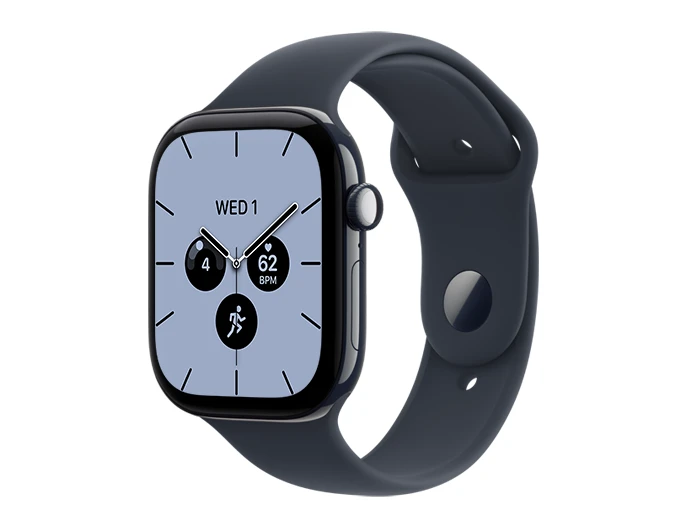
| Smallest, lightest watch | Series 12 | 42mm or 46mm, well under half the weight of the 49mm Ultra 4. |
| Lowest possible price | Series 12 aluminium | $399, but see below: durable or cellular Series 12 costs close to, or more than, Ultra 4. |
| Off-grid safety without a subscription | Ultra 4 | Satellite SOS and messaging are Ultra-only hardware. |
| Diving | Ultra 4 | EN13319 certified to 40m. Series 12 has no dive certification. |
Ultra 4 vs Series 12: the hardware that differs
| Spec | Apple Watch Ultra 4 | Apple Watch Series 12 |
|---|---|---|
| Price | $799/£749/€899 | From $399/£369/€449, up to $949 (ceramic, 46mm, cellular) |
| Case | 49mm titanium | 42mm or 46mm, aluminium, titanium or ceramic |
| Display glass | Sapphire crystal, 3,000 nits | Ceramic Shield 2 on aluminium; sapphire on titanium and ceramic; 2,000 nits |
| Battery, normal use | Up to 50 hours | Up to 24 hours |
| Battery, GPS workout | Up to 18 hours; 25 and 45 in extended modes | Up to 10 hours; no extended modes |
| 15-minute charge | 18 hours of use | 12 hours of use |
| Cellular | Included on every model | About $100 extra; base model is GPS-only |
| GPS | Dual-frequency L1+L5 | Single-frequency L1 |
| Satellite SOS and messaging | Yes | No |
| Water and diving | 100m; EN13319 dive certified to 40m | 50m; no dive certification |
| Action button | Yes | No |
Everything else is the same: S11 chip, background heart rate every 5 seconds, HRV as often as every 5 minutes at best, RMSSD for Recovery HRV and SDNN for the rest, Readiness, Audio Intelligence, watchOS 27, ECG, blood oxygen, skin temperature, 64GB storage.
Battery
This is the decider for most people. Series 12 needs a charge every night and covers 10 hours of GPS, enough for a marathon or Olympic-distance triathlon and short of a full Ironman. Ultra 4 runs two to three days between charges and covers 18 hours of GPS, with Extended and Max Extended Workout modes reaching 25 and 45 hours for longer days. If you’ve ever had to think about charging mid-event, or you train daily and would rather not charge every night, Ultra 4 settles it on its own.
Durability and price
The $400 entry-level gap looks bigger than it is, because the cheapest Series 12 isn’t the one you’d compare with Ultra 4. The $399 aluminium model uses Ceramic Shield 2, tougher than the old Ion-X glass but still softer than Ultra 4’s sapphire crystal, and aluminium scratches more easily than titanium. In practice, aluminium Apple Watches scratch with normal wear. On this site, that has meant a £100 display replacement and the hassle of arranging it, more than once, which is why the choice here is now always titanium or Ultra: they last until the next one.
Titanium or ceramic Series 12 fixes that with sapphire crystal, matching Ultra 4 on both case and screen. Titanium starts at $699 and ceramic runs to $949, so at the durable tier Series 12 costs about the same as Ultra 4 or more, but with a smaller watch, less battery, and no satellite. Cellular widens the gap further: Ultra 4 includes it on every model, while the base Series 12 is GPS-only and cellular adds about $100.
Size and weight
Series 12 comes in 42mm and 46mm and weighs well under half as much as the 49mm Ultra 4. If the Ultra 4 is too large or too heavy to wear all day, Series 12 is the only current Apple Watch that fits smaller, and no amount of battery makes up for a watch you take off.
Features only some people need
Three things exist on Ultra 4 alone, and software can’t add them to Series 12 later.
- Satellite Emergency SOS and two-way messaging work with no subscription for basic safety use.
- EN13319 dive certification to 40m makes Ultra 4 a real dive computer, whereas Series 12 is only water resistant.
- Dual-frequency L1+L5 GPS holds a real edge under tree cover and in cities, though in open conditions the difference is small.
The Action button adds a physical shortcut Series 12 lacks. If none of these applies to how you use a watch, they shouldn’t sway you.
Which one should you buy?
- Choose Apple Watch Ultra 4 if you race or train past 10 hours, don’t want to charge nightly, want satellite or diving, or want titanium and sapphire durability without paying Series 12’s top-tier price.
- Choose Apple Watch Series 12 if you train under 10 hours at a time, are happy charging every night, and want the smaller case. Go titanium rather than aluminium if you’d rather not replace a scratched display in a couple of years.
Comparing Ultra 4 against a Garmin rather than a Series 12? See Garmin Fenix 9 vs Apple Watch Ultra 4.

Quick answers
Do Apple Watch Ultra 4 and Series 12 have the same health features?
Yes. Both run the same S11 chip, Health Sensing System, Readiness app and Audio Intelligence. There is no health or software difference between them.
What is the price difference between Ultra 4 and Series 12?
Ultra 4 is $799/£749/€899. Series 12 starts at $399/£369/€449 for aluminium, but titanium starts at $699, and ceramic reaches $949, and cellular adds about $100 to the base model. With the same durability and cellular, the gap largely disappears.
Is Ultra 4's battery much better than Series 12's?
Yes. Ultra 4 runs up to 50 hours of normal use and 18 hours of GPS, with extended modes reaching 45 hours. Series 12 runs up to 24 hours and 10 hours of GPS, with no extended modes.
Is the titanium Series 12 as durable as Ultra 4?
On case and screen, yes. Titanium and ceramic Series 12 use sapphire crystal like Ultra 4. Base aluminium Series 12 uses Ceramic Shield 2, which scratches more easily than sapphire, and the aluminium case scratches more easily than titanium.
Does Series 12 have satellite messaging?
No. Satellite Emergency SOS and messaging are Ultra 4-only hardware.
Can Series 12 be used for diving?
Not as a dive computer. Ultra 4 is EN13319 certified to 40m. Series 12 is water-resistant to 50m with no dive certification.
Is Ultra 4's GPS more accurate than Series 12's?
Ultra 4 has dual-frequency L1+L5 GPS; Series 12 is single-frequency L1. The difference is small in open conditions and more noticeable under tree cover or in cities.
Does the base Series 12 include cellular like Ultra 4?
No. Ultra 4 includes cellular on every model. The base $399 Series 12 is GPS-only; cellular adds about $100.
Last Updated on 25 September 2026 by the5krunner
My favourite kit and nutrition
- Garmin Fenix 9 Pro — I’ve just bought one.
- Injinji – Runners protect your toes. Avoid discomfort and minor injury. Run more. Run faster. I use them.
- Garmin 90-degree charging adapter — A small keyring adapter you can use anywhere. Essential when away. I use one.
- Garmin charging puck — the fastest and most reliable way to top up your Garmin before a session. I use one.
- Ravemen FR300 — Front light that mounts directly under your Garmin or Wahoo head unit. Keeps your bars clean and your beam pointed where it matters. I use one.
- Body Glide – The blue anti-chafe stick that all swimmers and many runners use. I use it.
- Maurten — The race nutrition trusted by elite athletes. Gels and drink mixes engineered to be easy on the stomach. I use them.
- Garmin Varia RTL515 — A radar rear light that alerts you to vehicles approaching from behind. Pairs with your Edge or Wahoo. I use this model.
- Favero Assioma Pro RS2 — The power-meter pedals most serious cyclists choose. Accurate, easy to move between bikes. I use this model.
- Garmin Forerunner 970 — A serious choice for a pro-grade triathlon watch. I use this.
- Polar H10 — My daily driver for accurate, waking HRV readings.
- Wahoo ELEMNT Roam 3 — The bike computer that has the feature Garmin lacks: usability. I use mine on most rides.
Reader-Powered Content

This content is not sponsored. It’s mostly me behind the labour of love, which is this site, and I appreciate everyone who supports it.
Support the site: Follow (free, fewer ads) · Subscribe (paid, ad-free) · Buy Me A Coffee ❤️
All articles are written by real people, fact-checked, and verified for originality. See the Editorial Policy. FTC: Affiliate Disclosure — some links pay commission. As an Amazon Associate, I earn from qualifying purchases.

tfk is the founder and author of the5krunner, an independent endurance sports technology publication. With 20 years of hands-on testing of GPS watches and wearables, and competing in triathlons at an international age-group level, tfk provides in-depth expert analysis of fitness technology for serious athletes and endurance sport competitors. ID
