If you own a Galaxy Watch, the question is not whether the new one is better. It is whether yours still does the job. Three things decide that: whether Samsung still updates your watch, whether its battery still gets you through a training day and the night after, and whether the new watches add something to your lifestyle that yours cannot.
The short version is this. Galaxy Watch 4 has reached the end of its updates and should be replaced. Galaxy Watch 5 is a year behind it and should be replaced soon. Galaxy Watch 6, 7 and 8 have years of support left and will get most of this year’s new software for free, so the case for moving on rests on the few things Samsung will not pass down to them.
This guide takes each watch in turn, from Galaxy Watch 4 to Galaxy Watch 8, with the Classic models and the Watch 5 Pro covered alongside their generation. The two current watches are the Galaxy Watch 9, from £349 or $379.99, and the Galaxy Watch Ultra 2, at £649 or $699.99. Both went on sale on 7 August 2026. I reviewed the Galaxy Watch 4 in 2021 and could have been more impressed; everything of that generation or older deserves serious update consideration. If you own the original Galaxy Watch Ultra, your decision is covered separately in Galaxy Watch Ultra 2 vs Galaxy Watch Ultra.
Upgrade or keep? The quick answer
| Your watch | Still updated? | What you would gain | Verdict | Best move |
|---|---|---|---|---|
| Galaxy Watch 4 and 4 Classic (2021) | No. Updates ended in September 2026 | All of Samsung’s current training and recovery features, better GPS, overnight temperature and a much bigger battery | Upgrade | Galaxy Watch 9 |
| Galaxy Watch 5 and 5 Pro (2022) | Yes, but its last big update is due | Running Coach, better GPS, a brighter screen and a bigger battery in the small size | Upgrade | Galaxy Watch 9, or Ultra 2 from a Pro |
| Galaxy Watch 6 and 6 Classic (2023) | Yes, until about 2028 | Running Coach, better GPS, a brighter screen and a bigger battery in the small size | Consider | Galaxy Watch 9, if GPS or battery is the problem |
| Galaxy Watch 7 (2024) | Yes, until about 2029 | A brighter screen and a bigger battery in the small size. Little else | Only for a named reason | Galaxy Watch 9 in 40mm, or Ultra 2 for its extra sports features |
| Galaxy Watch 8 and 8 Classic (2025) | Yes, until about 2030 | Almost nothing you will notice | Keep | None |
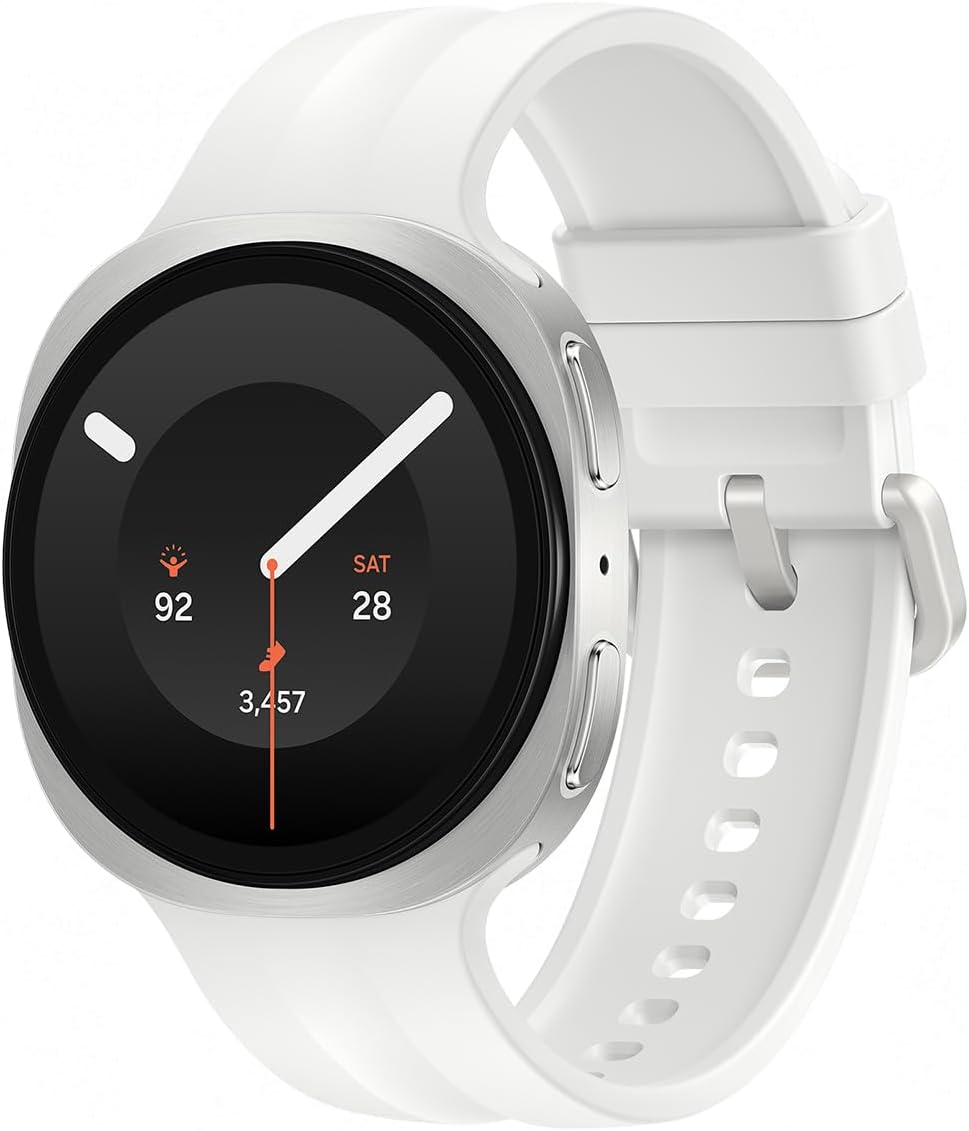
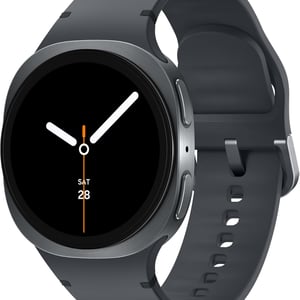
Samsung Galaxy Watch 9
Everyday health and fitness smartwatch
 +other retailers
What this year’s Galaxy Watches add to your lifestyle
The Galaxy Watch 9 and Galaxy Watch Ultra 2 run the same software, share the same health features, and cost the same. Here is what they do, in plain terms.
For training and recovery
- Daily Cardio Load tells you how hard your recent training has been and how much recovery it needs, so you know whether to push on or ease off.
- Energy Score gives you a readiness number each morning, based on your sleep and overnight heart rate.
- Running Coach sets a three- to five-week running plan and guides you through it.
- Fitness Index rolls your fitness level, body composition, heart rate and activity into one number you can watch over time.
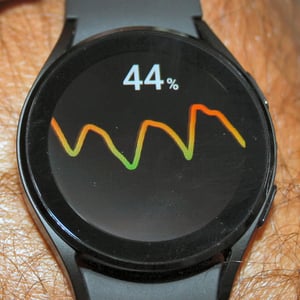
- Vitals watches your heart rate, breathing, skin temperature and blood oxygen overnight and warns you when they drift from your normal. It needs a week of nights to learn what’s normal. I compared it with the rival systems in Samsung’s Vitals alert.
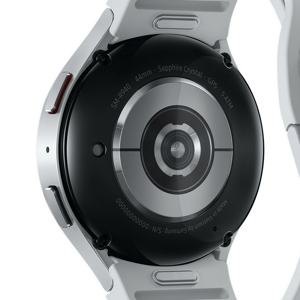
- Better GPS in awkward places. Both watches listen to two satellite signals rather than one, which helps them keep an accurate pace and distance between tall buildings and under trees.
For the Ultra 2 only
- Trail running. The Ultra 2 shows you the climb ahead, gives turn-by-turn directions along a loaded route, and reminds you to drink.
- Cycling with power. The Ultra 2 connects directly to a power meter and works out your FTP on the watch. The Watch 9 cannot.
- Diving. The Ultra 2 is certified for recreational dives to 40 metres.
For health
- Heart checks include an ECG, a Heart Health Score, a warning of possible sleep apnoea and a blood pressure reading. The last two depend on where you live.
- Antioxidant index is a reading of the carotenoids in your skin, which Samsung uses as a rough guide to how well you eat. It comes from the same sensor that measures body composition.
For everyday use
- Gemini answers when you raise your wrist and speak. It is off by default because it eats the battery.
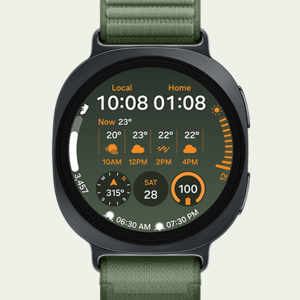
- Widgets and Live Updates keep things like a delivery or a sports score on the watch face without opening an app.
- Payments and music let you leave the phone and wallet at home on a run, and you can send music from your phone to a speaker from the wrist.
- A shared workout screen in Wear OS 7 lets apps such as Runkeeper use the watch’s heart rate and music controls without building their own.
Some of these features need the sensor in a newer watch. Others only need the newer software, which older watches get as a free update. Here is how that works out for each generation.
Which features your watch has, will get, or will never get
| Feature | Watch 4 | Watch 5 | Watch 6 | Watch 7 | Watch 8 | Watch 9 |
|---|---|---|---|---|---|---|
| This year’s software (Wear OS 7) | Never | Expected, and it’s the last | Expected | In testing now | In testing now | Yes |
| Energy Score and sleep coaching | Yes | Yes | Yes | Yes | Yes | Yes |
| Overnight skin temperature | Never | Yes | Yes | Yes | Yes | Yes |
| Better GPS in cities and under trees | Never | Never | Never | Yes | Yes | Yes |
| Running Coach | Never | Never | Never | Yes | Yes | Yes |
| Antioxidant index | Never | Never | Never | Not confirmed | Yes | Yes |
| Daily Cardio Load, Vitals, Fitness Index, Heart Health Score | Never | Not confirmed | Not confirmed | Not confirmed | Not confirmed | Yes |
| Gemini, widgets and the shared workout screen | Never | With the update | With the update | With the update | With the update | Yes |
Two things are worth knowing about this table. Samsung’s own notes say Running Coach needs a Galaxy Watch 7 or newer, and the antioxidant index needs the original Ultra or newer. The Watch 7 came out on the same day as that Ultra, so I cannot say for certain which side of the line it falls. And Samsung has said only that this year’s new health features will reach “selected” older watches, without naming them, so the “Not confirmed” entries are honest rather than evasive. Google says the new software alone should give every watch about 10 per cent more battery life, which is a free gain for anyone from Galaxy Watch 5 up.
Watch 9 or Ultra 2: the things that separate them
| Galaxy Watch 9 | Galaxy Watch Ultra 2 | |
|---|---|---|
| Price | From £349 / $379.99 | £649 / $699.99 |
| How often you charge it | Every day. Samsung claims up to 30 hours | Every two or three days. Samsung claims up to 60 hours |
| Longest run or ride with GPS | Samsung does not say | Up to 20 hours, enough for an Ironman |
| Topping up before a session | Slow. A full charge takes 80 to 90 minutes and there is no fast charging | About 40 per cent in half an hour |
| Weight on the wrist | 31.5g or 34g, light enough to forget overnight | 61.5g, nearly twice as heavy |
| Screen in bright sun | Bright (3,000 nits) | Brighter still (5,000 nits) |
| In the water | Swimming | Swimming and diving to 40m |
| Cycling power meter | No | Yes |
| Years of updates | Five | Five |
The figures come from Samsung’s launch announcement. One thing to check before you buy either: every watch in this guide works only with an Android phone, and the newest health features need a phone running Android 13 or later. None work with an iPhone.
If you own a Classic, be aware that neither new watch has a rotating bezel. The Galaxy Watch 8 Classic from 2025 is the last one with it, and I looked at whether the Classic line has ended in June.
How long Samsung keeps updating each watch
Samsung promised the Galaxy Watch 4 through Galaxy Watch 8 four big software updates and five years of security fixes. This year, it raised that to five big updates for the Watch 9 and Ultra 2, and it hasn’t said whether older watches get the extra one.
The Galaxy Watch 4 has had its four. It no longer appears on Samsung’s security update list, which now starts at the Watch 5. The watch keeps working, but any new security hole stays open.
Samsung has not yet said which watches get this year’s update, Wear OS 7. Going by recent history, this is where each one stands:
- Galaxy Watch 5 should get Wear OS 7 as its fourth and final big update. Security fixes run to about August 2027.
- Galaxy Watch 6 has one more big update after Wear OS 7, and security fixes run to about 2028.
- Galaxy Watch 7 has two more updates, with security fixes through about 2029.
- Galaxy Watch 8 has three more updates, with security fixes through about 2030.
If you have a Galaxy Watch 4
- Your watch has stopped improving. It will never get Running Coach, Daily Cardio Load or Vitals, and it no longer gets security fixes.
- It cannot measure your skin temperature overnight, so its sleep data misses a signal the newer watches use to spot illness and strain.
- Its GPS is the older, single-signal kind, which drifts more in cities and woodland.
- Its battery is five years old. Samsung claimed 40 hours when it was new, but every battery fades with use, and a watch that has to record a run and then a night’s sleep has less reserve each year. The Watch 9’s battery is more than half as big again in the small size.
- It holds twice as much music and as many apps.
- If yours is a Classic, you lose the rotating bezel whichever new watch you choose.
Verdict: Upgrade. The end of updates settles it, and the Galaxy Watch 9 is the natural replacement. My Galaxy Watch 4 review from 2021 describes the watch as it was then.
If you have a Galaxy Watch 5
- You would gain Running Coach, which Samsung does not offer on your watch, and the antioxidant reading.
- You would get better GPS in cities and under tree cover.
- Your watch already measures skin temperature overnight, so that is not a reason to move.
- Inside, the Watch 5 is the same as the Watch 4, so its updates will run out one year later than the Watch 4’s. Wear OS 7 should be its last.
- The small Watch 9 has over a third more battery than the small Watch 5. The large one gains only about a tenth, although a four-year-old battery no longer holds what it did.
- The Watch 5 Pro is a different case. Its battery is bigger than either Watch 9’s, and only the Ultra 2 beats it.
Verdict: Upgrade before the security fixes stop in 2027. From a standard Watch 5, go to the Galaxy Watch 9. From a Watch 5 Pro, the Ultra 2 is the only step up in battery life, and it makes sense only if you will accept a watch nearly twice the weight.
If you have a Galaxy Watch 6
- Updates are not yet a reason to move. Your watch should get Wear OS 7 and one more big update after it.
- The main training gain is the better GPS. It arrived with the Watch 7, and no update can add it to yours.
- The Watch 9’s screen is half as bright again, which you will notice in direct sunlight.
- You would gain Running Coach and the antioxidant reading, which Samsung does not offer on the Watch 6.
- The small Watch 9 has 30 per cent more battery than the small Watch 6. The large one gains very little.
- If yours is a Classic, you lose the rotating bezel.
Verdict: Consider it. Upgrade if you run in cities or under trees and want the better GPS, or if your three-year-old 40mm watch no longer lasts through a training day and the night after. Otherwise, you have two years of support left and no need to hurry.
Samsung Galaxy Watch 9
Everyday health and fitness smartwatch
+other retailersIf you have a Galaxy Watch 7
- Your watch already has the better GPS, Running Coach, plenty of storage and the current sensor. Samsung is testing Wear OS 7 on it now.
- The Watch 9 gives you a brighter screen and the slimmer case Samsung introduced last year.
- The small Watch 9 has 30 per cent more battery, although Samsung claims the same 30 hours for both. Think of it as more margin on a long day rather than a longer runtime.
Verdict: Only if you can name the reason. The bigger battery in the small size is the best one. If you want diving, a power meter on the watch, or two days between charges, the Ultra 2 is the answer, not the Watch 9.
If you have a Galaxy Watch 8
Keep it. It is never worth replacing a twelve-month-old watch, and the Galaxy Watch 8 has the same case, screen, GPS, and storage as its successor. The Watch 9 has a new chip and a slightly bigger battery, costs more, and lasts the same 30 hours on Samsung’s figures. Software updates will bring everything new to your watch. If yours is the Classic, you have the last rotating bezel Samsung has made and a battery as big as the larger Watch 9’s. The detail is in Galaxy Watch 9 vs Galaxy Watch 8.
Choosing between the two new watches
The Galaxy Watch 9 is the right watch for most people who train for an hour or two a day and sleep with it on. It is light enough to forget at night, which matters because all the recovery features depend on overnight data, and it has the same chip, GPS and health features as the dearer watch. Its one real limit is that you charge it every day.
The Galaxy Watch Ultra 2 is for people who need two or three days between charges, race beyond a marathon, ride with a power meter, dive, or want the brightest possible screen. It costs £300 more and weighs nearly twice as much. The two are compared properly in Galaxy Watch 9 vs Galaxy Watch Ultra 2, and charging in Galaxy Watch vs Apple Watch charging speed.
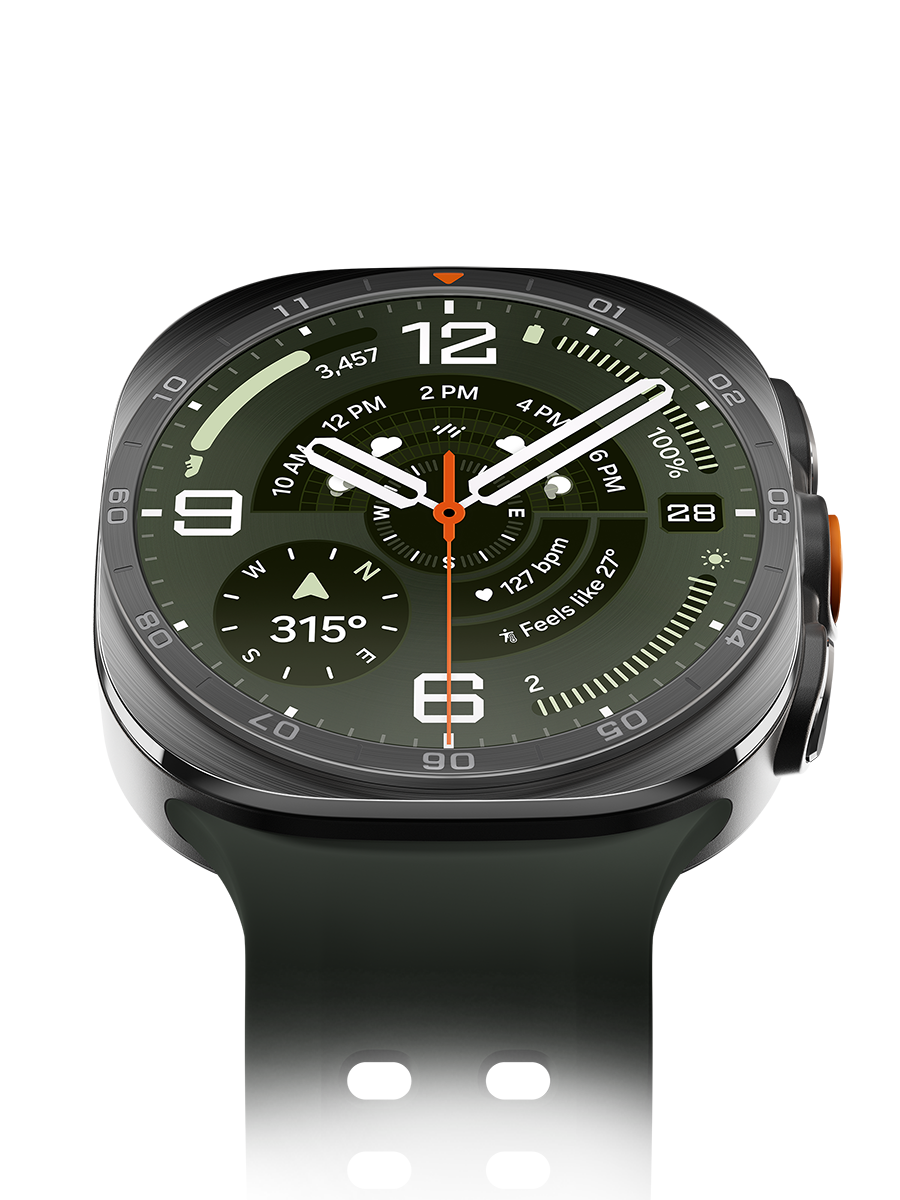
Full specifications for every model are in the Samsung specs index. What Samsung is expected to launch next is on the Release Radar.
Quick answers
Is the Galaxy Watch 4 still supported?
No. Galaxy Watch 4 and Watch 4 Classic have had their last major software update, and Samsung removed both from its security update list in September 2026. The watches still work, but they will not get new features or security fixes.
Should I upgrade from a Galaxy Watch 4 to a Galaxy Watch 9?
Yes. The Galaxy Watch 4 no longer gets updates. The Galaxy Watch 9 adds overnight skin temperature, better GPS, Running Coach, twice the storage, and a much bigger battery in the same size, starting at £349 or $379.99.
Will the Galaxy Watch 5 get Wear OS 7?
Samsung hasn’t published a list, but under its policy, the Galaxy Watch 5 is due four major updates, and Wear OS 7 would be the fourth and final. Security fixes run for five years from launch, to about August 2027.
Is it worth upgrading from a Galaxy Watch 6 to a Galaxy Watch 9?
Only for a reason you can name. The Galaxy Watch 9 adds better GPS for cities and woodland, Running Coach, a brighter screen and 30 per cent more battery in the small size. The Galaxy Watch 6 stays supported until about 2028.
Does the Galaxy Watch 9 have a rotating bezel?
No. Neither the Galaxy Watch 9 nor the Galaxy Watch Ultra 2 has one, and there is no Galaxy Watch 9 Classic. The Galaxy Watch 8 Classic (2025) is the most recent watch with a rotating bezel.
Should a Galaxy Watch 8 owner buy the Galaxy Watch 9?
No. The two share the same case, screen, GPS and storage, and Samsung claims the same 30 hours of battery life for both. The new software is coming to the Galaxy Watch 8 via an update.
