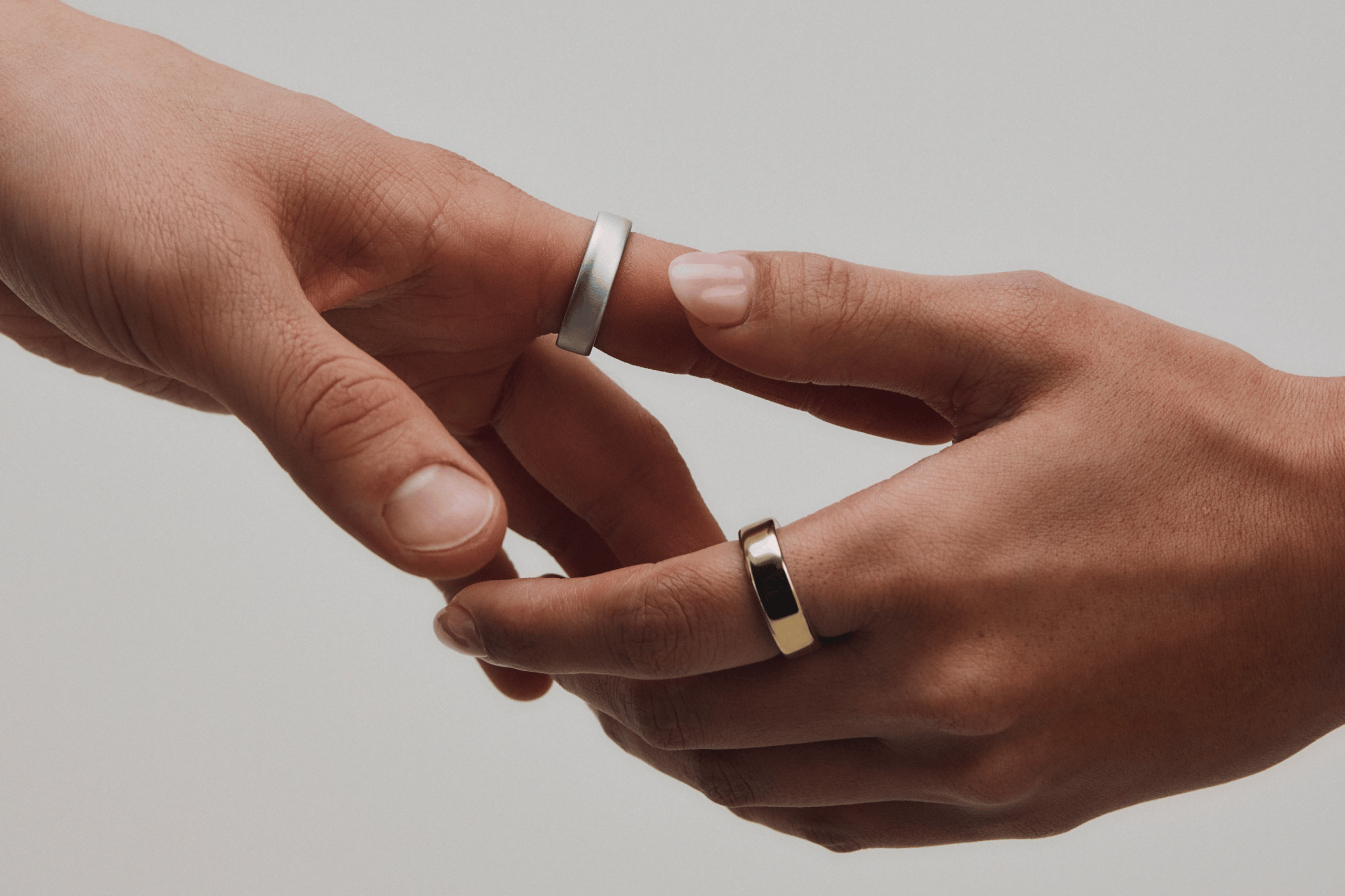
Oura files public S-1 as revenue climbs 74% and board adds Netflix, Robinhood veterans
Oura Health filed a public S-1 registration statement with the US Securities and Exchange Commission on 3 September 2026. The filing replaces the May confidential IPO filing with audited numbers. The document confirms a Nasdaq listing under the ticker OURA. Goldman Sachs, Morgan Stanley, JPMorgan, Allen & Company and Jefferies lead the offering. A further dozen banks are named, including BofA Securities, Barclays and Robinhood Securities.
The numbers now on record
Revenue reached $1.21 billion for the nine months to 30 June 2026, up 74% from $697.6 million a year earlier. Full fiscal 2025 revenue was $907.9 million, up 123% from $406.8 million in fiscal 2024.
Net income for the nine months was $60.8 million, against $1.6 million a year earlier. Net loss attributable to common stockholders was $924.3 million for the same period. The loss reflects a $985.0 million deemed dividend paid to holders of redeemable convertible preferred stock, an accounting entry tied to Oura’s pre-IPO capital structure. Gross margin rose to 55%, from 51%. Adjusted EBITDA reached $106.7 million, up from $83.5 million.
Paid members reached 5.0 million as of 30 June 2026, up from 2.5 million a year earlier. The company sold 3.6 million rings over the trailing twelve months, roughly 2% of global wearable shipments according to IDC. Weighted-average twelve-month paid member retention stands at approximately 85%. The daily-to-monthly active user ratio is approximately 65%.
A women’s-health platform in the numbers
Approximately 72% of Oura’s members are women. Female membership has grown at a compound annual rate of roughly 143% since fiscal 2024, against 94% for male members. More than half of all members report at least one chronic health condition, and 80% of those say they use Oura data to inform decisions about it. Fifteen percent of Oura’s US members work in healthcare.
A three-way IPO queue
Oura is not filing alone. Strava confidentially filed for a US IPO in January. The company is targeting a $3 billion valuation off 50% revenue growth. WHOOP, valued at $10.1 billion after a $575 million Series G, has signalled its own listing through a 600-person hiring drive.
Oura is now the first of the three to convert a confidential filing into a public S-1. It is also the first to put a number on the deemed-dividend accounting a preferred-stock-funded wearable company carries into a listing. Strava and WHOOP’s own S-1s, when they arrive, will show whether that structure is typical of the category or specific to Oura.
Board expansion ahead of listing
Oura added four independent directors on 2 September, one day before the S-1 filing. They are Jason Warnick, Robinhood’s chief financial officer through its own IPO and for seven years after; Leslie Kilgore, former Netflix chief marketing officer; Miki Kuusi, former Wolt chief executive; and David Sze. They join existing directors Timo Ahopelto, Dennis Durkin, chief executive Tom Hale, Wen Hsieh, Eurie Kim and chairman David Shuman.
Bloomberg has reported the offering could raise as much as $3 billion for the company and its backers, at a valuation above $16 billion. The S-1 leaves the price range blank. That is standard practice ahead of a roadshow.
Separately, the filing discloses a Simple Agreement for Future Equity held by Eli Lilly, which converts to common stock at listing. Oura already partners with Eli Lilly’s LillyDirect platform on connected care.
What the filing adds to the patent and litigation picture
Oura’s earlier ITC campaign against Ultrahuman, RingConn, Samsung, Zepp Health, Reebok and Noise appears in the S-1 as a formal risk factor. The filing lists patent litigation, as both plaintiff and defendant, among the risks facing the business, alongside more than 1,140 patents and patent applications as of 30 June 2026. That patent estate followed Oura’s acquisition of Doublepoint, the Helsinki gesture-recognition company folded into the platform ahead of the listing.
The filing also names the sleep-stage accuracy class action as an active risk factor. It cites real or perceived inaccuracies in the underlying data among the risks to the business. Oura’s own disclosed accuracy figures, approximately 99% for heart rate and 96% for sleep, are the same figures at the centre of that suit.
The Blood Pressure Signals feature inside Oura’s Health Radar dashboard tracks 30-day trends in nighttime PPG data. It does not take a direct cuff measurement. The S-1 lists it as a live investigational study. More than 350,000 participants were enrolled as of 30 June 2026.
Quick answers
What is Oura's Nasdaq ticker?
Oura has applied to list on the Nasdaq Global Select Market under the symbol OURA.
How much revenue did Oura report in its IPO filing?
Oura reported $1.21 billion in revenue for the nine months ended 30 June 2026, up 74% year-on-year.
Why did Oura report a $924 million loss despite growing revenue?
The loss reflects a $985 million deemed dividend to holders of preferred stock, an accounting entry tied to the pre-IPO capital structure, not an operating loss.
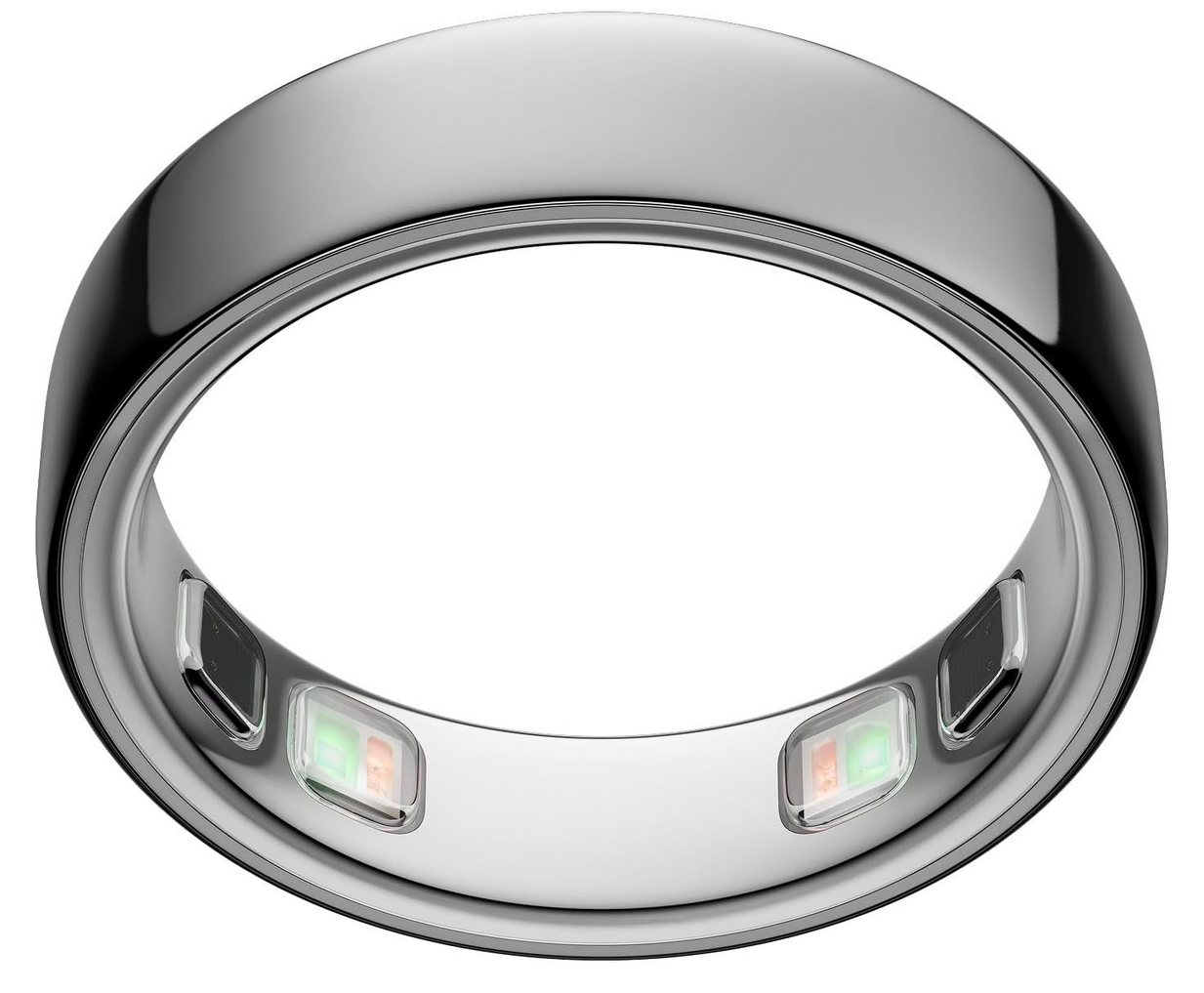

Last Updated on 3 October 2026 by tfk the5krunner
Small things I always use
- Garmin 90-degree charging adapter: Charges your Garmin from any USB-C cable. Essential when travelling. I use one.
- Body Glide: The blue anti-chafe stick swimmers and runners carry. I use it.
- Speedo earplugs: Fewer ear infections and no cold-water dizziness. I use them.
- Dryrobe Advance: My winter changing robe for open-water swims. I use one. A cheaper option is the AONYIYI changing robe.
- Maurten: Race fuel that stays easy on the stomach. I use them.
- Beet It Sport nitrate shots: Beetroot shots I take in the days before a race. I use them.
- Garmin charging puck: The quickest way to top up before a session. I use one.
- Injinji: Toe socks that stop rubbing, so you run more. I use them.
- Ultimate toe protectors: Stop black toenails on long runs. They work. I use them.
- Compressport R2 v2 calf sleeves: My calf sleeves of choice. I use them.
- Cellucor C4: My pre-workout before hard sessions.
- TPU tubes: Schwalbe Aerothan, Tubolito and Pirelli SmarTube. Light, tiny spares. I use all three.
- G8 insoles: Adjustable insoles that are good. I use them.
- Cycplus Cube: A 97g electric pump that gets a road tyre rideable in two minutes. I carry one. 5% off with code THE5KRUNNER.
Watches and sensors
- Polar H10: My daily driver for waking HRV.
- Polar Verity Sense: My backup arm-worn HR sensor.
- Nomad bedside charger: Charges my iPhone and Apple Watch overnight. I use it, and many of their bands.
- Train.Red: The best muscle oxygen sensor I’ve used.
- Tymewear: Accurate heart rate and reliable ventilatory zones. I use it to pace endurance rides over an hour.
- Garmin Forerunner 970: A pro-grade triathlon watch. I use this.
- Apple Watch Ultra 4: My daily smartwatch. No phone needed on rides.
- Garmin Fenix 9 Pro: I’ve just bought one.
On the bike
- Continental GP5000 for everyday riding, and Aero 111 on the front for special occasions.
- Helmets: Specialized S-Works Evade 3 for road riding, and Rudy Project Wing for TT-style races. I use both.
- Ravemen FR300: A front light that mounts under your Garmin or Wahoo. I use one.
- Wahoo TRACKR Radar: I use it on one bike and Varia on the other. They perform the same.
- Garmin Varia RTL515: Radar that warns you of cars from behind. I use this model.
- Wahoo ELEMNT Roam 3: The bike computer that’s easy to use. I use mine on most rides.
- Favero Assioma Pro RS2: Accurate power pedals that swap easily between bikes. I use this model.
Home and indoor training
- NPE Runn: Makes my basic treadmill smart, sending more accurate speed and distance to my watch and Zwift. I use it.
- Google Wifi: Keeps Zwift connected in my pain cave. I use it.
- Apple TV 4K: Zwift on the big screen. I use two.
- Google Nest Doorbell (wired, 2nd gen): My video doorbell, running in both Google Home and Apple Home. I use it.
Health, recovery and sleep
- FreeStyle Libre 3 Plus: Shows how my blood sugar responds to diet.
- hDrop: Measures my sweat loss in summer and indoors.
- Fourth Frontier Zone: Checks my heart under load in hard sessions.
- Oura Ring 5: My partner’s recovery tracker of choice.
- Eight Sleep: A cooling mattress cover my partner and I use nightly.
Reader-Powered Content

This content is not sponsored. It’s mostly me behind the labour of love, which is this site, and I appreciate everyone who supports it.
Support the site: Follow (free, fewer ads) · Subscribe (paid, ad-free) · Buy Me A Coffee
Written by real people, with AI assistance. Fact-checked and verified for originality. See the Editorial Policy. FTC: Affiliate Disclosure — some links pay commission. As an Amazon Associate, I earn from qualifying purchases.
tfk is the founder and author of the5krunner, an independent endurance sports technology publication. With 20 years of hands-on testing of GPS watches and wearables, and competing in triathlons at an international age-group level, tfk provides in-depth expert analysis of fitness technology for serious athletes and endurance sport competitors. See the gear tfk uses. ID
