Wearable Blood Pressure: Why Optical Sensors Struggle on Accuracy
Four of the largest wearable brands now put some form of blood pressure information on a wrist without using the traditional cuff method. A startup has just launched a ring that also skips the cuff.
Apple’s hypertension notifications were FDA-cleared on September 11, 2025, and were available soon after on its compatible watches. Samsung’s on-demand Blood Pressure feature, available in the US since March 2026, is calibrated against an upper-arm cuff and will be extended later this year to include a Blood Pressure Trend feature. Whoop’s Blood Pressure Insights survived a year-long dispute with the FDA that formally closed in June 2026. Vital Signals launched its Signal Ring in July 2026, claiming to measure systolic and diastolic pressure from the finger without cuff calibration.
Brands are rushing to tap into the lucrative blood pressure monitoring market, yet none of these devices uses an inflatable cuff at the wrist or upper arm to measure pressure directly. The optical systems estimate it from pulse-wave and other cardiovascular signals. But they aren’t all built the same way, and accuracy suffers as a result.
Dr Bruce Rogers, the endocrinologist behind Muscle Oxygen Training, has laid out the problem with PPG in detail in a comparison of the Hilo Core wristband and Oura’s nighttime blood pressure feature. His analysis is worth reading directly for the sampling rate and waveform detail.
Why an optical pulse isn’t a pressure reading
The optical HR sensors we are all familiar with use photoplethysmography (PPG) where a sensor shines light into the skin and measures the light that comes back. The signal changes as blood volume rises and falls with each heartbeat. That waveform contains information related to arterial pressure, but pressure is only one factor affecting it. Vascular tone, arterial stiffness, reflected waves, stroke volume, heart rate, skin temperature, local blood flow, skin characteristics and even how tightly the sensor sits against the skin can all change the signal. The algorithm has to work backwards from a single pulse signal and decide how much of any change comes from blood pressure and how much comes from everything else. Blood pressure is one of 40 things researchers have tried to read from that same optical signal, and it sits in the middle of the evidence ranking.
Cuffless systems often deal with part of this problem by calibrating the device against a real cuff. The calibration sets the starting point so that the wearable’s estimate lines up with a cuff reading at rest.
Calibration can make the starting number look right. It does not prove that the device will follow a real change in blood pressure.

Three approaches, and what each one tells you
Consumer wearables now fall into three broad groups, ranging from broad classification to calibrated numbers.
Classifiers: Apple and Oura
Apple and Oura do not give the user a blood pressure number in mmHg. Apple analyses 30 days of optical heart-sensor data and looks for a consistent pattern rather than reporting a reading. Apple is explicit that the feature is not diagnostic and tells people who receive an alert to take seven days of cuff measurements before discussing the result with a doctor.
Oura takes a similar approach at night. Rather than displaying an absolute pressure reading, it uses roughly 30 nights of data to classify nighttime blood-pressure dipping. Oura’s own tests report 84 per cent sensitivity and 69 per cent specificity against 48-hour ambulatory monitoring in a 134-person validation. Oura results have not yet appeared in a peer-reviewed journal.
Calibrated numbers: Samsung and Whoop
Samsung and Whoop take a different approach. Both provide systolic and diastolic estimates and use a cuff for calibration.
Samsung’s on-demand feature requires calibration against an upper-arm cuff and recalibration every 28 days. Samsung describes it as a wellness feature rather than an FDA-cleared diagnostic device.
Whoop’s Blood Pressure Insights produces a nightly estimate from PPG, heart rate and heart-rate variability using a cuff-calibrated baseline. The FDA issued Whoop a warning letter in July 2025, calling the feature an uncleared medical device. After Whoop changed the product and its labelling, and following the FDA’s January 2026 update to its general wellness guidance, the agency issued a formal closeout letter in June 2026 stating it would not enforce device requirements against the modified feature. Whoop now describes Blood Pressure Insights as a performance and wellness signal, not a diagnostic tool.
Uncalibrated numbers: Signal Ring and Pixel Watch 5
A third group skips cuff calibration altogether and still promises a blood pressure number.
Vital Signals launched its Signal Ring in July 2026. The ring uses an optical sensor on the finger and claims to produce systolic and diastolic readings without any cuff calibration. The company reports a mean error of −0.3 mmHg in a 451-person study it commissioned, which it says meets the numerical threshold in ISO 81060-2, the standard used for cuff-based blood-pressure devices. The study has not been independently published, the ring is not FDA-cleared, and Jordana Cohen, who chaired the AHA’s statement on cuffless blood-pressure devices, has publicly questioned the approach.
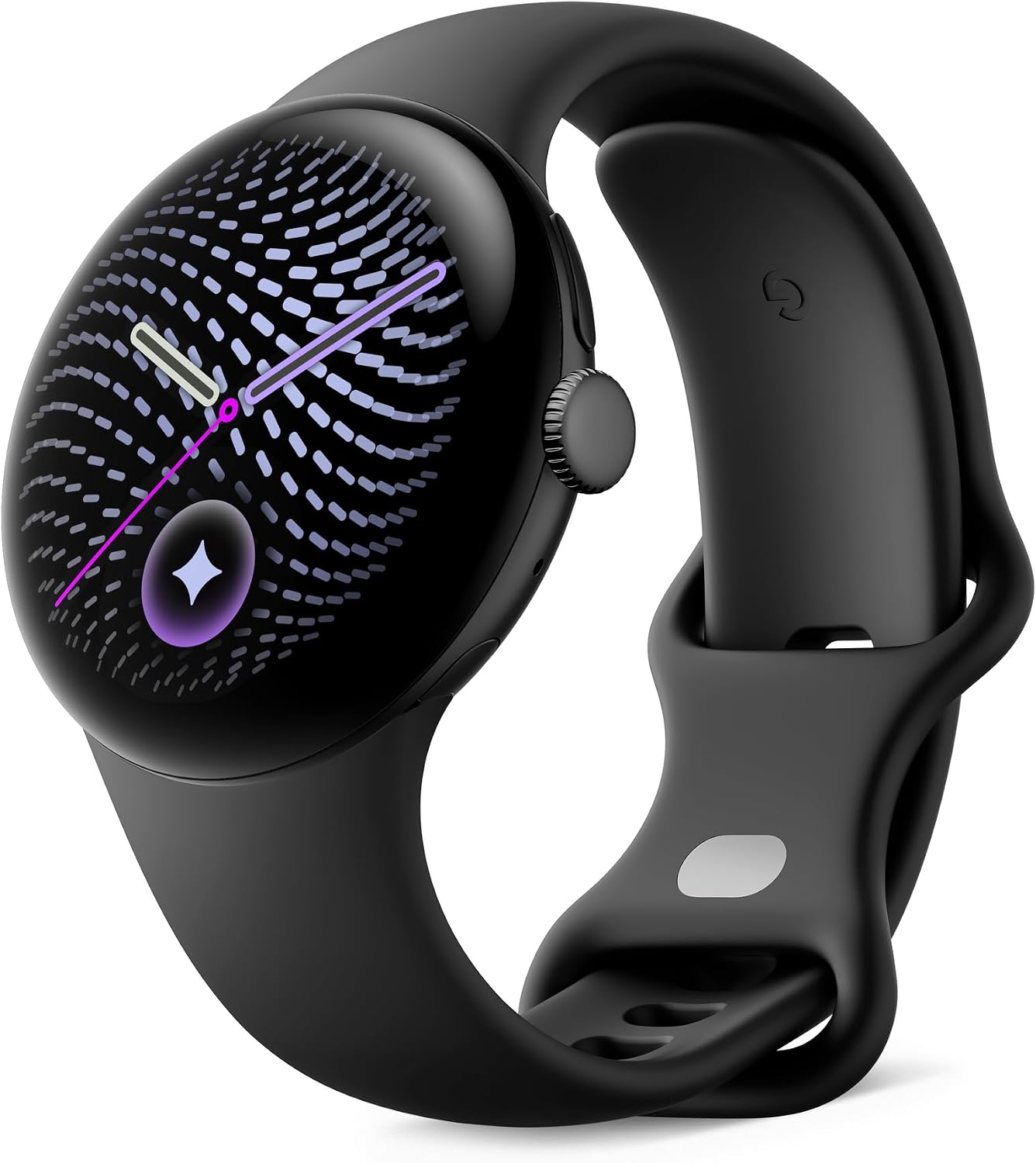
Google’s Pixel Watch 5 is taking a similar uncalibrated approach with its Blood Pressure Trends feature, due through a software update in September. Google says it estimates pressure from pulse-wave and motion data and has tested the feature against 24-hour ambulatory monitoring. The company has not yet fully explained whether users will see an estimated mmHg reading or only a trend.
What the evidence actually supports
The American Heart Association put the current state of cuffless blood-pressure technology into unusually blunt terms. Its scientific statement was published online in December 2025 and formally appears in Hypertension in 2026 (83:876–886). Chaired by Jordana Cohen of the University of Pennsylvania, the statement says FDA clearance does not mean that a cuffless device has undergone the kind of clinical validation needed to establish accuracy in real-world use. A formal clinical validation protocol is not a requirement for FDA clearance, and many cuffless devices have been tested using protocols developed for conventional cuffs.
The statement also notes that nearly 80 per cent of cuff-based devices sold worldwide have never published a formal validation study, with the situation even less developed for cuffless devices.
The 2025 AHA/ACC hypertension guideline goes further. It gives cuffless devices a Class 3: No Benefit recommendation for diagnosing or managing hypertension until their precision and reliability improve. The guideline cites repeated problems tracking changes in blood pressure during exercise, sleep and antihypertensive treatment, including the Aktiia medication study.
The devices that actually measure pressure
Huawei complicates the comparison because its approach is fundamentally different.
The Huawei Watch D3, launched on 2 September 2026 and on sale in the UK from 23 September at £399.99, uses the same micro-pump and inflatable airbag design as its predecessor, the D2. It physically compresses the wrist and uses oscillometric measurement, the same basic principle used by conventional cuff monitors. It measures pressure rather than inferring it from a pulse waveform.
The Wellue BPW1 uses the same basic approach at a much lower price. Testing on this site found systolic readings averaging about 92 per cent accuracy against a consumer cuff across four subjects and seven sessions. That makes it potentially useful for watching trends, but it is not evidence that the device is suitable for clinical decisions.
A product can be called a “blood pressure watch” while measuring pressure in a fundamentally different way from another product carrying the same label.
Buyer’s guide: what to actually trust
Match the device to what it’s honestly claiming, not what the marketing implies. The table below lines up every device from this article by measurement method, calibration, and price, before the detail on each.
| Device | Method | Calibration | Price | Best for |
|---|---|---|---|---|
| Huawei Watch D3 | Inflatable cuff | None needed | £399.99 | A genuine clinical-style reading, slimmer for overnight wear |
| Huawei Watch D2 | Inflatable cuff | None needed | £350 | A genuine clinical-style reading, for £50 less while stock lasts |
| Wellue BPW1 | Inflatable cuff | None needed | $179 | A cheaper, less accurate reading |
| Hilo Band | Optical, cuff-calibrated | Periodic, against included cuff | £199.98 (UK, yr 1) / $89.99 + $149.99/yr (US) | Frequent trend data, calibrated |
| Whoop (Life tier) | Optical, cuff-calibrated | Periodic | $359/yr, hardware included | Trend data alongside recovery tracking |
| Galaxy Watch 9 | Optical, cuff-calibrated | Every 28 days | From £349 | Trend data on a mainstream Android watch |
| Galaxy Watch Ultra 2 | Optical, cuff-calibrated | Every 28 days | £649 | Trend data on a rugged flagship |
| Apple Watch Ultra 3 (now superseded by Ultra 4) | Classifier, no reading | None | £749 (Ultra 4) / £799 (Ultra 3) | An early hypertension warning |
| Oura Ring 5 | Classifier, no reading | None | From £399 + £5.99/mo | An early warning while you sleep |
| Pixel Watch 5 | Uncalibrated estimate | None | From £369 | Watching, not trusting yet |
| Signal Ring | Uncalibrated estimate | None | Not linked here | Watching, not trusting yet |
Best blood pressure watch: the only category that actually measures it
These use a physical inflatable cuff or airbag. They measure pressure the same way a doctor’s office does, and don’t need optical calibration to work. If you want a number worth handing to a doctor, this is the only category that gives you one.
The Huawei Watch D3 is the current model: the same inflatable-cuff measurement as the D2 in a thinner 11.3mm case, with a pre- and post-exercise blood pressure mode added. In the Huawei Watch D3 review it averaged 91 per cent accuracy against an Omron arm cuff across four people, reading about 10 points low on the top number, and beat the Wellue BPW1 side by side, 95 per cent to 87. It costs £399.99 in the UK and is not sold in the US. See where to buy the Huawei Watch D3.
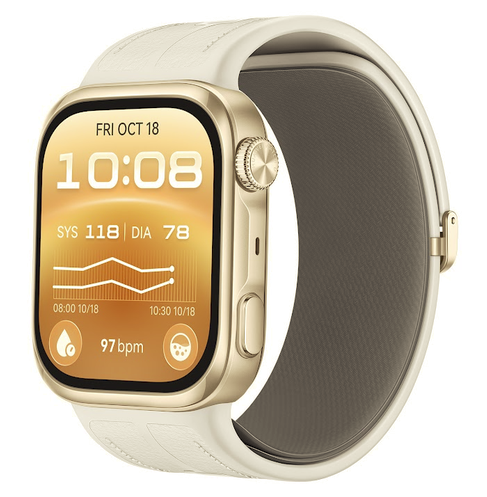
Huawei Watch D3
Real cuff blood pressure in a slimmer watch, with a pre- and post-exercise BP mode and a 60-second Health Glance check.

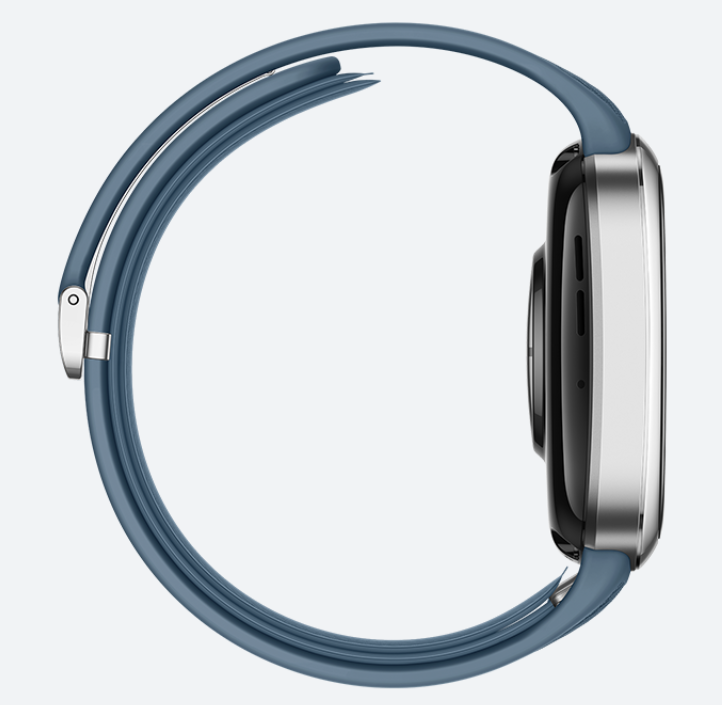
Huawei Watch D2
Micro-pump inflatable cuff, 24-hour ambulatory blood pressure monitoring. Measures pressure directly, no optical calibration required.
Huawei Watch D2
Micro-pump inflatable cuff, 24-hour ambulatory blood pressure monitoring. The D2 remains on sale at a discount while stock lasts; see Watch D3 vs D2 for whether the newer model is worth £50 more. Full specifications are on the Watch D2 specifications page.
At $179, the Wellue BPW1 is the cheaper way into the same measurement principle, with documented 92 per cent systolic accuracy against a consumer cuff.
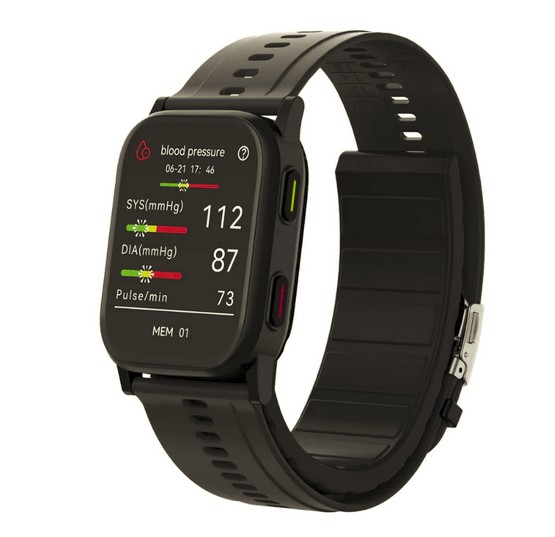
Wellue Blood Pressure Watch
Smart blood pressure micro cuff BPW1
+other retailersBest for tracking your own trend, calibrated against a cuff
These estimate blood pressure optically but check themselves against a real cuff on a schedule. Treat the direction of a reading as useful; treat the exact number with more caution the longer it’s been since the last calibration. Worth buying if you already own the ecosystem and want to spot a pattern over weeks; not worth buying as a first blood pressure device on its own.
The Hilo Band runs £199.98 in the UK for the first year, including the band, calibration cuff, and 12-month subscription, or $89.99 plus a $149.99 annual subscription in the US.
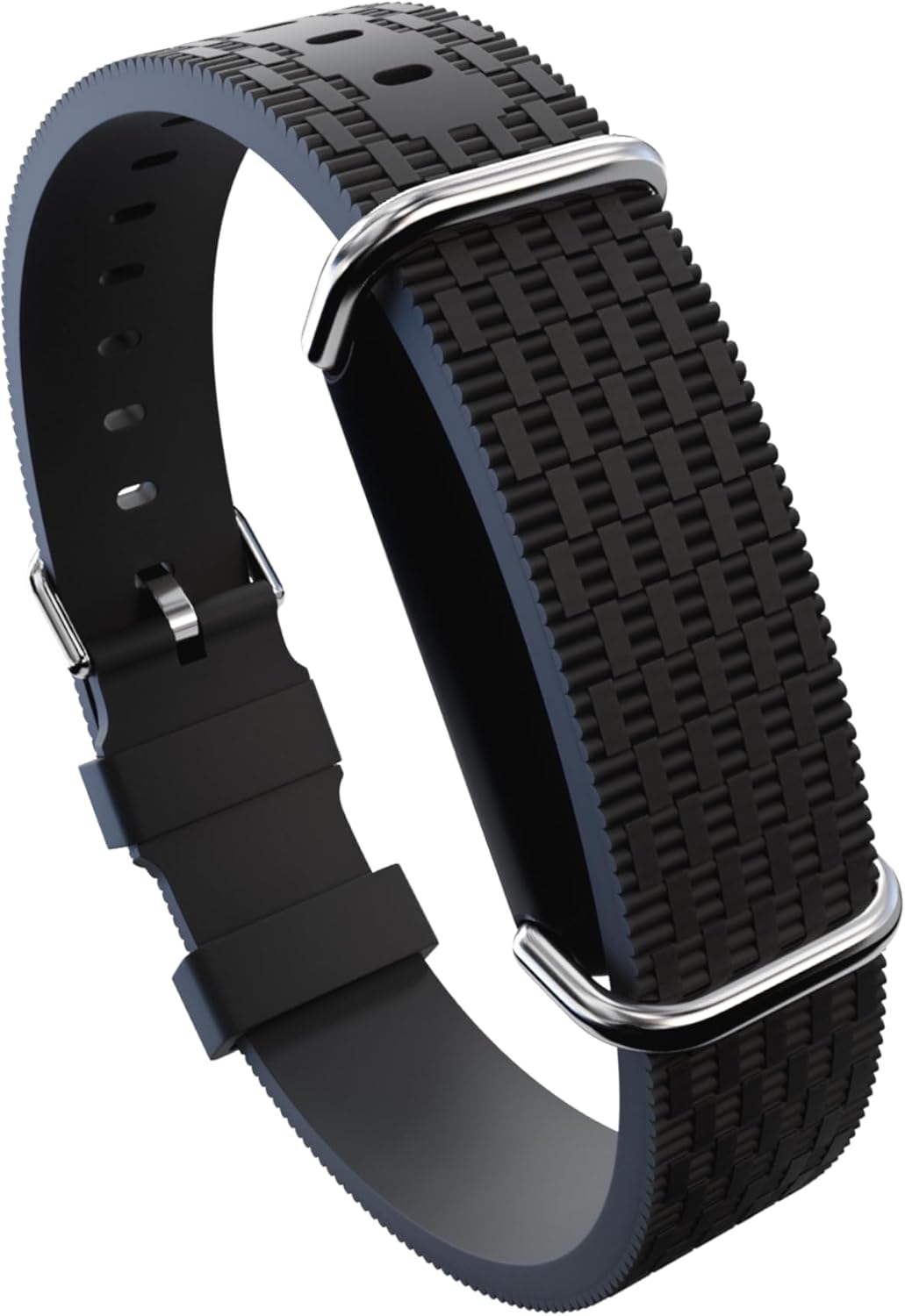
Hilo Band
Cuffless wrist band for continuous blood pressure trend tracking. EU: from €229.99. US: $89.99 + $149.99/yr (via hilo.com).
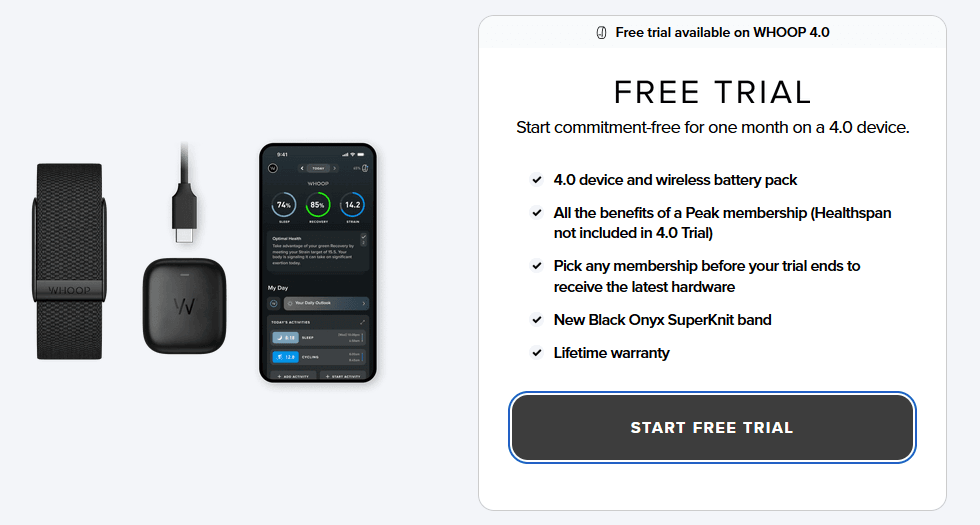
Whoop’s Life tier, the only one that includes Blood Pressure Insights, runs $359 a year with the MG hardware bundled in rather than sold separately.
Samsung’s Galaxy Watch 9 starts from £349 and gets the same on-demand feature as the pricier Ultra 2 at £649, which adds a titanium case and dive certification neither buyer needs for blood pressure alone.
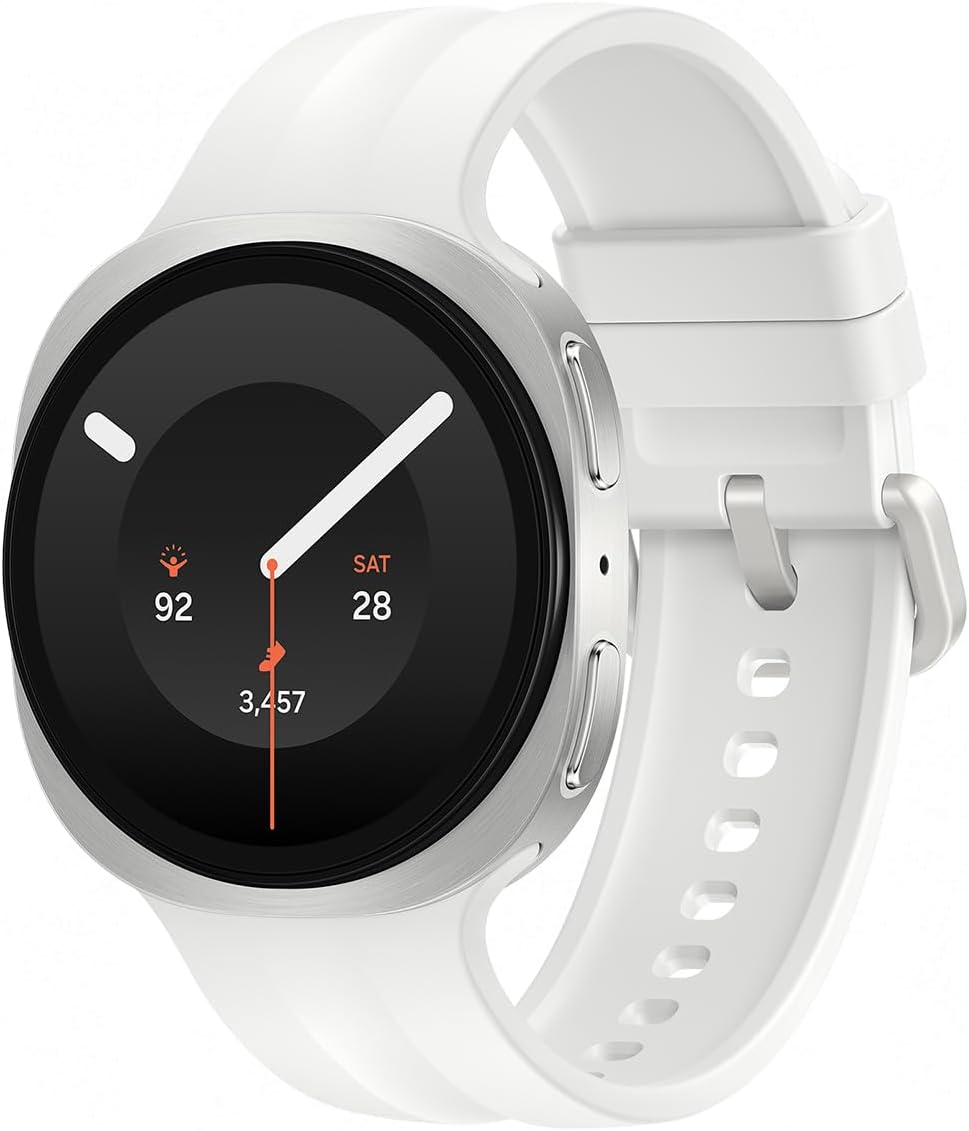
Samsung Galaxy Watch 9
Everyday health and fitness smartwatch
 +other retailers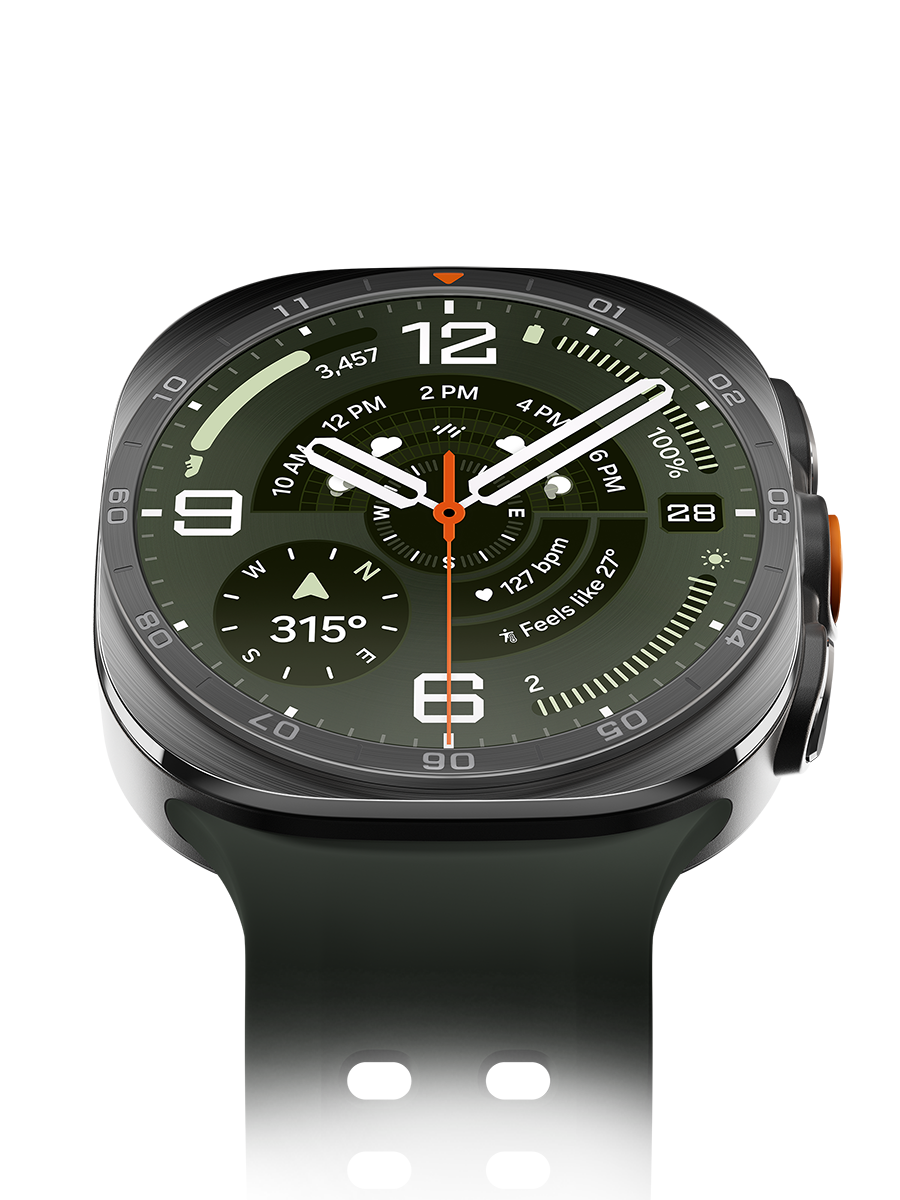
Best for an early warning, not a number
These never show a systolic or diastolic figure. They flag a pattern over time and tell you to get a proper reading if something looks off. That’s the design working as intended, not a limitation to route around. Worth buying if you want a passive nudge alongside a smartwatch or ring you’d own anyway; not a substitute for a cuff regardless of price.
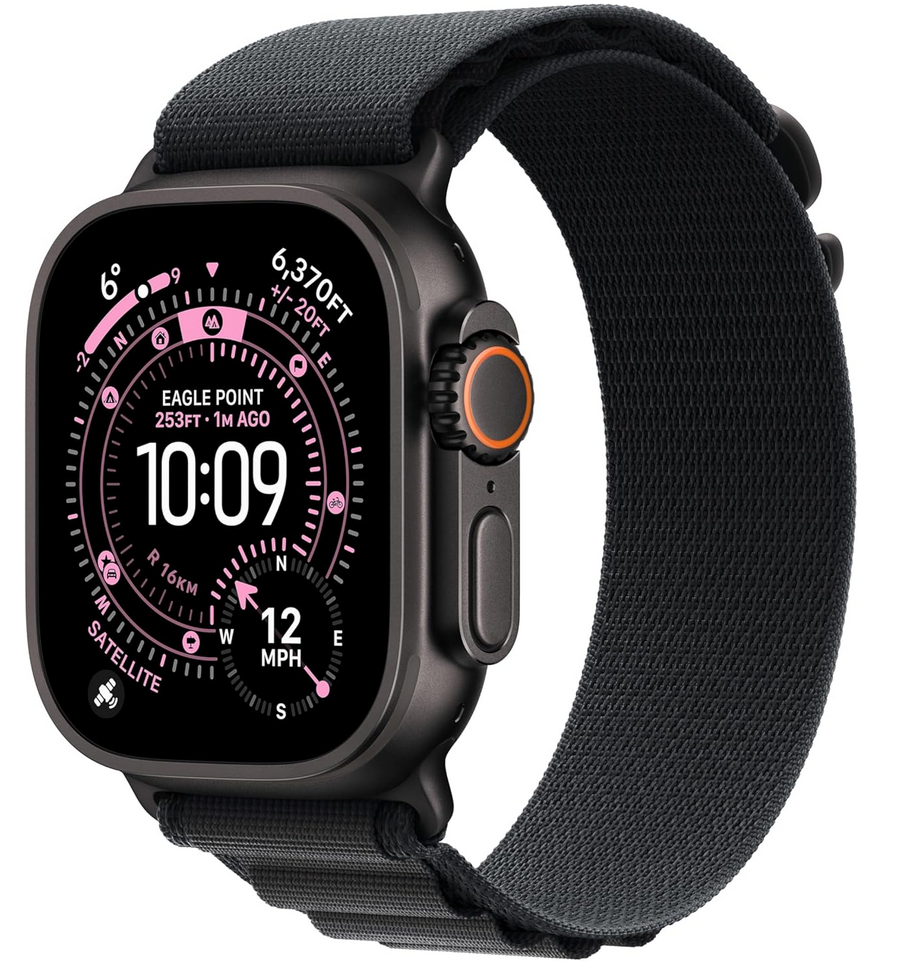
Apple Watch Series 12 and Ultra 4, launched September 2026, carry the same hypertension notification feature. Apple Watch Ultra 3 runs £749 (now succeeded by Apple Watch Ultra 4). The hypertension notification feature is also available on the cheaper Series 11 and Series 12.
As the best smart ring for passive blood pressure warnings, Oura Ring 5 starts from £399 for the hardware, plus a required £5.99 monthly membership, without which the ring does very little at all.
New and unproven: worth watching, not worth trusting yet
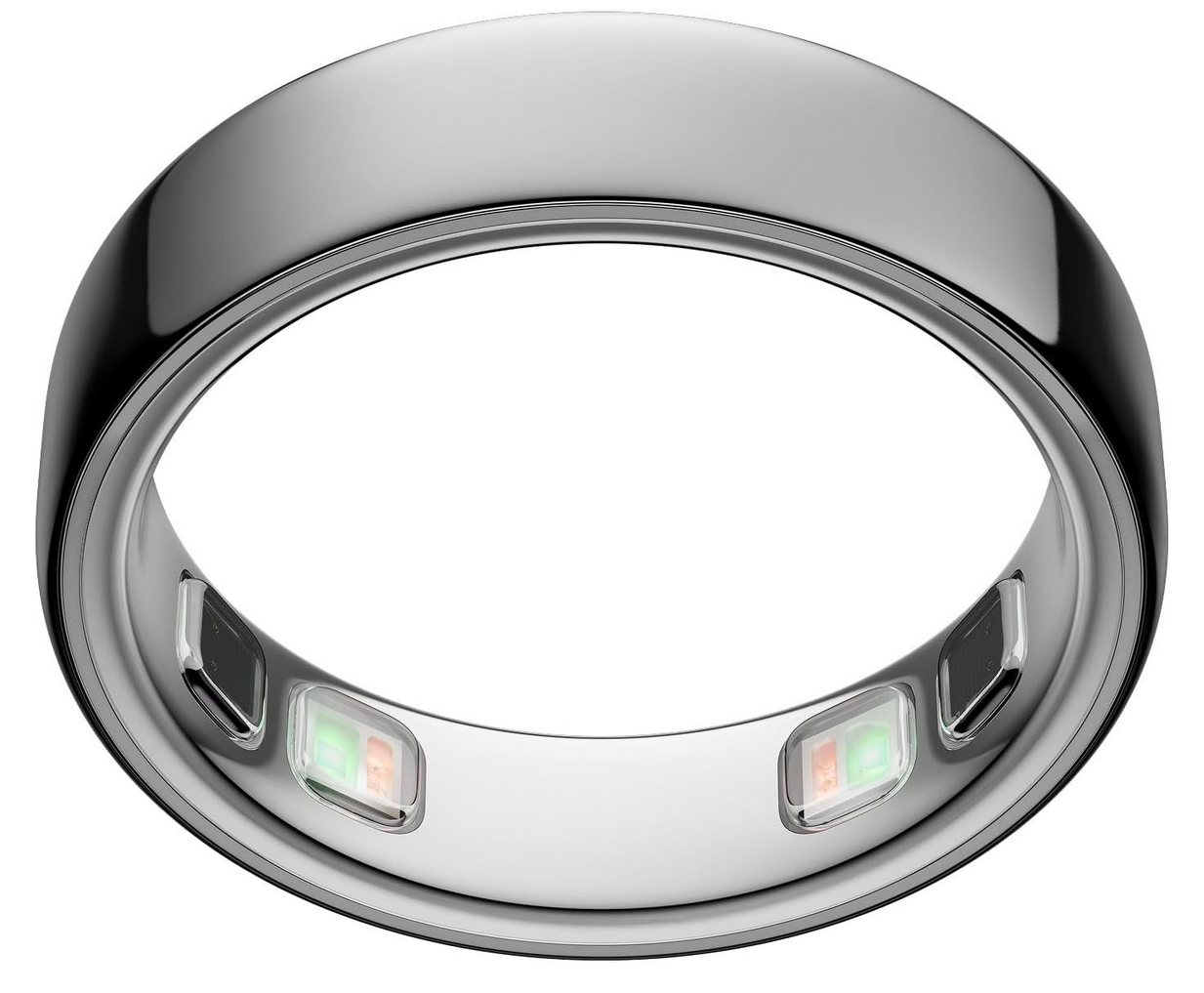
Google’s Pixel Watch 5 Blood Pressure Trends feature arrives via software update with no cuff calibration step. Signal Ring makes the same claim, backed only by a company-commissioned study that hasn’t been independently published or FDA-cleared; it isn’t linked here for that reason. Neither is worth buying specifically for this feature yet, whatever else recommends the hardware.
Which one should you actually buy?
If a real number matters, buy a cuff or one of the watches that physically inflate one; nothing optical earns that trust yet, at any price. If you already wear an Apple Watch, Galaxy Watch, Oura Ring, or Whoop and just want a passive nudge, the classifier and calibrated features on those devices cost nothing extra to turn on. Buying new hardware specifically for an optical blood pressure feature, rather than for the rest of what the watch does, is the one purchase this article can’t recommend.
Quick answers
Can any smartwatch actually measure blood pressure like a cuff?
Only devices with a genuine inflatable cuff or airbag, such as the Huawei Watch D-series and the Wellue BPW1, measure pressure the same way a doctor’s cuff does. Every optical smartwatch, including Apple, Samsung, Oura and Whoop, estimates blood pressure from a pulse waveform rather than measuring it directly.
Should I trust the blood pressure number my smartwatch shows me?
Treat it as a direction, not a diagnosis. Cuff-calibrated devices like Samsung’s and Whoop’s tend to get the starting number close to correct but can understate the size of a real change once your blood pressure actually moves. Devices with no calibration step at all, like Signal Ring, currently rest on the manufacturer’s own unpublished testing.
What does it mean if my Apple Watch or Oura Ring doesn't give me a blood pressure number?
That’s by design. Apple’s hypertension notifications and Oura’s nighttime dipping feature both classify a pattern over 30 days rather than reporting mmHg figures. Apple explicitly tells users who get an alert to confirm it with seven days of cuff readings before seeing a doctor.
Why does the American Heart Association say not to trust these devices for diagnosis?
The 2025 AHA/ACC hypertension guideline gives cuffless blood pressure devices a Class 3: No Benefit rating for diagnosing or managing hypertension, citing repeated evidence that they understate real changes in blood pressure during exercise, sleep and medication treatment. FDA clearance does not require the kind of clinical validation that would address this.
Do the Huawei Watch D2 or D3 need calibration against a cuff?
No. Both use a genuine inflatable micro-pump cuff in the strap, the same oscillometric principle as a validated upper-arm monitor, so there is no optical estimate to calibrate.
What is the cheapest blood pressure watch that actually measures pressure rather than estimating it?
The Wellue BPW1, at $179, uses the same inflatable-cuff oscillometric method as the pricier Huawei Watch D-series, with testing on this site showing 92 per cent systolic accuracy against a consumer cuff.
Does the Pixel Watch 5 measure blood pressure?
Not directly. Google’s Blood Pressure Trends feature, arriving on the Pixel Watch 5 through a software update, estimates pressure from pulse-wave and motion data with no cuff and no calibration step. Google says it has tested the feature against 24-hour ambulatory monitoring but has not fully explained whether users will see an estimated mmHg reading or only a trend.
Last Updated on 3 October 2026 by tfk the5krunner
Small things I always use
- Garmin 90-degree charging adapter: Charges your Garmin from any USB-C cable. Essential when travelling. I use one.
- Body Glide: The blue anti-chafe stick swimmers and runners carry. I use it.
- Speedo earplugs: Fewer ear infections and no cold-water dizziness. I use them.
- Dryrobe Advance: My winter changing robe for open-water swims. I use one. A cheaper option is the AONYIYI changing robe.
- Maurten: Race fuel that stays easy on the stomach. I use them.
- Garmin charging puck: The quickest way to top up before a session. I use one.
- Injinji: Toe socks that stop rubbing, so you run more. I use them.
- Ultimate toe protectors: Stop black toenails on long runs. They work. I use them.
- Compressport R2 v2 calf sleeves: My calf sleeves of choice. I use them.
- Cellucor C4: My pre-workout before hard sessions.
- TPU tubes: Schwalbe Aerothan, Tubolito and Pirelli SmarTube. Light, tiny spares. I use all three.
- G8 insoles: Adjustable insoles that are good. I use them.
- Cycplus Cube: A 97g electric pump that gets a road tyre rideable in two minutes. I carry one. 5% off with code THE5KRUNNER.
Watches and sensors
- Polar H10: My daily driver for waking HRV.
- Polar Verity Sense: My backup arm-worn HR sensor.
- Nomad bedside charger: Charges my iPhone and Apple Watch overnight. I use it, and many of their bands.
- Train.Red: The best muscle oxygen sensor I’ve used.
- Tymewear: Accurate heart rate and reliable ventilatory zones. I use it to pace endurance rides over an hour.
- Garmin Forerunner 970: A pro-grade triathlon watch. I use this.
- Apple Watch Ultra 4: My daily smartwatch. No phone needed on rides.
- Garmin Fenix 9 Pro: I’ve just bought one.
On the bike
- Continental GP5000 for everyday riding, and Aero 111 on the front for special occasions.
- Helmets: Specialized S-Works Evade 3 for road riding, and Rudy Project Wing for TT-style races. I use both.
- Ravemen FR300: A front light that mounts under your Garmin or Wahoo. I use one.
- Wahoo TRACKR Radar: I use it on one bike and Varia on the other. They perform the same.
- Garmin Varia RTL515: Radar that warns you of cars from behind. I use this model.
- Wahoo ELEMNT Roam 3: The bike computer that’s easy to use. I use mine on most rides.
- Favero Assioma Pro RS2: Accurate power pedals that swap easily between bikes. I use this model.
Home and indoor training
- NPE Runn: Makes my basic treadmill smart, sending more accurate speed and distance to my watch and Zwift. I use it.
- Google Wifi: Keeps Zwift connected in my pain cave. I use it.
- Apple TV 4K: Zwift on the big screen. I use two.
- Google Nest Doorbell (wired, 2nd gen): My video doorbell, running in both Google Home and Apple Home. I use it.
Health, recovery and sleep
- FreeStyle Libre 3 Plus: Shows how my blood sugar responds to diet.
- hDrop: Measures my sweat loss in summer and indoors.
- Fourth Frontier Zone: Checks my heart under load in hard sessions.
- Oura Ring 5: My partner’s recovery tracker of choice.
- Kineon MOVE+: Red light therapy for niggles. It works.
- Eight Sleep: A cooling mattress cover my partner and I use nightly.
Reader-Powered Content

This content is not sponsored. It’s mostly me behind the labour of love, which is this site, and I appreciate everyone who supports it.
Support the site: Follow (free, fewer ads) · Subscribe (paid, ad-free) · Buy Me A Coffee ❤️
Written by real people, with AI assistance. Fact-checked and verified for originality. See the Editorial Policy. FTC: Affiliate Disclosure — some links pay commission. As an Amazon Associate, I earn from qualifying purchases.
tfk is the founder and author of the5krunner, an independent endurance sports technology publication. With 20 years of hands-on testing of GPS watches and wearables, and competing in triathlons at an international age-group level, tfk provides in-depth expert analysis of fitness technology for serious athletes and endurance sport competitors. ID

The hypertension notification works in the Apple Watch 9 onwards.