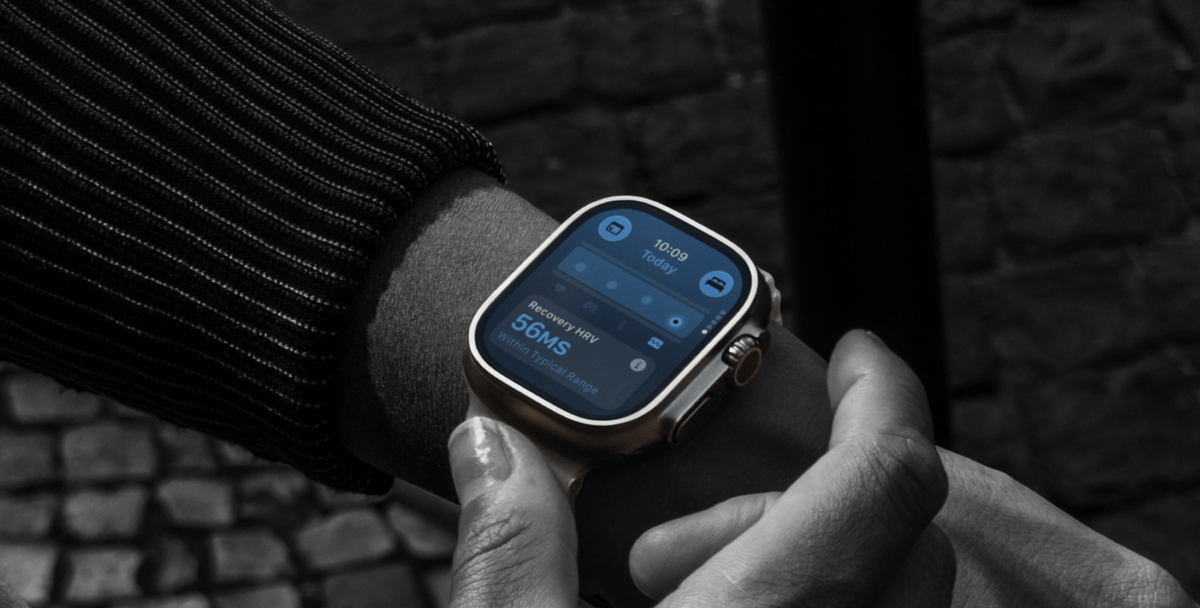
Apple Watch Ultra 4 vs Ultra 3
Ultra 4 keeps the same 49mm titanium case as Ultra 3 but gains a new S11 chip, meaningfully longer battery life and a new Readiness app. The display, dimensions, satellite connectivity and durability ratings are unchanged.
The questions here are simple: if you already own an Ultra 3, is Ultra 4 worth upgrading to? And if you’re buying your first Ultra, does the discounted Ultra 3 still make sense?
For full testing and specs, see the Apple Watch Ultra 3 review, Ultra 4 specifications and Ultra 3 specifications.
Ultra 4 vs Ultra 3 specs
| Spec | Apple Watch Ultra 4 | Apple Watch Ultra 3 |
|---|---|---|
| Processor | S11 SiP | S10 SiP |
| Apple Intelligence | Yes (Siri AI, Audio Intelligence) | No |
| Battery, normal use | Up to 50 hours | Up to 42 hours |
| Battery, Low Power Mode | Up to 84 hours | Up to 72 hours |
| Battery, outdoor workout | Up to 18 hours | Up to 14 hours |
| Extended Workout mode | Up to 25 hours | Not available |
| Max Extended Workout mode | Up to 45 hours | Not available |
| 15-minute charge | 18 hours normal use | 12 hours normal use |
| Readiness app | Yes | No |
| High-frequency background HR | Yes | No |
| Recovery HRV | Yes | No |
| Weight | 63.0g (natural), 63.1g (black) | 61.6g (natural), 61.8g (black) |
| GNSS constellations | GPS, Galileo, QZSS, BeiDou | GPS, GLONASS, Galileo, QZSS, BeiDou |
| Launch price | $799 / £749 / €899 | $799 / £799 / €899 |
Case size (49mm), display (LTPO3 OLED, 1,245 sq mm, 3,000 nits), materials (Grade 5 titanium, sapphire crystal), water resistance (100m, EN13319 to 40m), satellite connectivity, Wi-Fi 4, Bluetooth 5.3, NFC and storage (64GB) are all unchanged.
Battery life is the standout improvement
The jump from 42 to 50 hours in normal use is the single most practically significant change. Ultra 3’s 14-hour GPS workout limit meant a full Ironman required Low Power Mode for some; Ultra 4’s 18-hour outdoor workout figure clears that without restriction, a genuine hardware reason for triathletes and ultra-endurance athletes to upgrade. Extended Workout and Max Extended Workout modes push further still for ultramarathon and multi-stage events, though at the cost of metrics and alerts.
Extended Workout mode turns off the always-on display and on-screen running metrics but keeps GPS logging at full one-second fidelity and cellular function largely intact. Max Extended Workout mode also keeps GPS logging at full one-second fidelity internally, but the on-screen heart rate display switches to a 5-minute rolling average, and splits, alerts and custom workouts are unavailable. It replaces what Apple previously called Reduced Fidelity mode.
The S11 chip, Health Sensing System and Apple Intelligence
The S11 brings Apple Intelligence features: a new conversational Siri AI, and Audio Intelligence (Live Rewind, Siri Recap, Sound Recognition, always-on Shazam) running on a dedicated secure exclave within the chip. The Readiness app, high-frequency background heart rate tracking and Recovery HRV are all dependent on the S11. Siri AI launches in English only and is not initially available in the EU.
The Health Sensing System has been redesigned: the old design used four circular photodiode windows; the new design uses eight windows with double photodiodes in each, roughly sixteen photodiode elements in total. Larger, more power-efficient green LEDs replace the infrared LEDs previously used for background HR, and ECG electrode surface area increased by 24%. Background heart rate recording switched from infrared to green LEDs and now samples every 5 seconds. HRV sampling increases to as often as every 5 minutes (best), up from roughly every 15 minutes on Ultra 3 in overnight testing on this site. RMSSD and SDNN are both calculated from the same underlying beat-to-beat data and have always been available to developers via HealthKit; Ultra 4 surfaces RMSSD alongside SDNN in Apple’s own app for the first time, using RMSSD for Recovery HRV and SDNN for its other HRV measurements.
GLONASS is gone from Ultra 4
Apple’s Ultra 4 spec sheet lists GPS, Galileo, QZSS and BeiDou, dropping GLONASS, which was listed for Ultra 3. Garmin made the same decision with the Fenix 9 Pro five days earlier. GLONASS uses a different signal architecture from the other constellations, requiring separate hardware channels and adding receiver complexity. Removing it simplifies the silicon without a meaningful loss in positioning quality for most users.
Should you upgrade?
Ultra 3 still makes sense if
- Your events stay under 14 hours and battery life isn’t a limiting factor.
- You have no interest in Apple Intelligence features or the Readiness app. (Requires iPhone 15 Pro or above)
- Ultra 3 is available at a meaningful discount after Ultra 4’s launch.
Ultra 3 owners who update to watchOS 27 will get Siri AI, the new Steps complication, improved step count algorithms, perimenopause and menopause support in Cycle Tracking, Workout Buddy without iPhone nearby, and Check In without buying new hardware. The hardware-exclusive features on Ultra 4 are the Health Sensing System, Readiness, continuous HR and HRV, Audio Intelligence, and the battery improvements.
Ultra 4 makes more sense if
- You race Ironman or ultra-endurance events and want GPS workout battery without Low Power Mode.
- You want the Readiness app, Recovery HRV or high-frequency background heart rate tracking.
- You want Apple Intelligence on your watch.
- You are buying new rather than upgrading from Ultra 3.
For a full generation-by-generation decision guide covering Ultra 1, 2, 3 and older Series models, see the Apple Watch Ultra 4 upgrade guide. If you’re choosing between this year’s two current models rather than upgrading from an older one, see the Ultra 4 vs Series 12 comparison. Weighing Ultra 4 against a Garmin instead? See Garmin Fenix 9 vs Apple Watch Ultra 4.
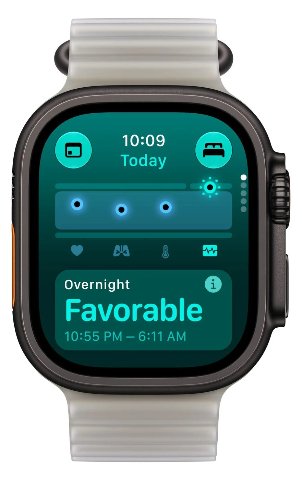
Apple Watch Ultra 4
GPS adventure watch
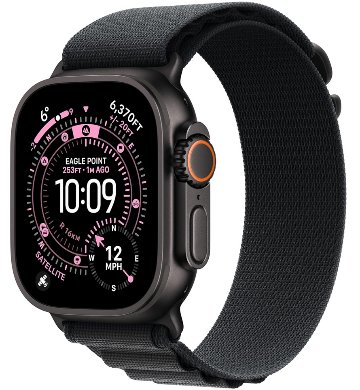
Apple Watch Ultra 3
GPS adventure watch
Quick answers
Is Ultra 4 much bigger than Ultra 3?
Case dimensions are identical at 49mm x 44mm x 12mm. Ultra 4 is 1.3–1.4g heavier than Ultra 3, which is unlikely to be noticeable on the wrist. The 12mm thickness figure reflects Apple’s measurement methodology from Ultra 3 onwards, which excludes the HR sensor bulge on the underside; the physical case has been the same since Ultra 1.
Can Ultra 4 do a full Ironman without Low Power Mode?
Yes. Apple claims up to 18 hours of outdoor workout battery on Ultra 4, which covers the Ironman cutoff of 17 hours without needing Low Power Mode. Ultra 3’s 14-hour GPS figure required Low Power Mode for events longer than that.
What is the Readiness app?
Readiness is a new app on watchOS 27, distinct from the existing Vitals app, that tracks recovery and readiness to train. It requires Apple Watch Series 12 or Ultra 4 and the S11 chip. It is not available on earlier Apple Watch models.
Does Ultra 4 still have GLONASS?
Ultra 4 drops GLONASS. Apple’s spec sheet lists GPS, Galileo, QZSS and BeiDou. GLONASS uses a different signal architecture requiring separate hardware channels. Removing it simplifies the receiver without meaningful loss of positioning quality. Ultra 3 supported GLONASS.
Last Updated on 3 October 2026 by tfk the5krunner
Small things I always use
- Garmin 90-degree charging adapter: Charges your Garmin from any USB-C cable. Essential when travelling. I use one.
- Body Glide: The blue anti-chafe stick swimmers and runners carry. I use it.
- Speedo earplugs: Fewer ear infections and no cold-water dizziness. I use them.
- Dryrobe Advance: My winter changing robe for open-water swims. I use one. A cheaper option is the AONYIYI changing robe.
- Maurten: Race fuel that stays easy on the stomach. I use them.
- Beet It Sport nitrate shots: Beetroot shots I take in the days before a race. I use them.
- Garmin charging puck: The quickest way to top up before a session. I use one.
- Injinji: Toe socks that stop rubbing, so you run more. I use them.
- Ultimate toe protectors: Stop black toenails on long runs. They work. I use them.
- Compressport R2 v2 calf sleeves: My calf sleeves of choice. I use them.
- Cellucor C4: My pre-workout before hard sessions.
- TPU tubes: Schwalbe Aerothan, Tubolito and Pirelli SmarTube. Light, tiny spares. I use all three.
- G8 insoles: Adjustable insoles that are good. I use them.
- Cycplus Cube: A 97g electric pump that gets a road tyre rideable in two minutes. I carry one. 5% off with code THE5KRUNNER.
Watches and sensors
- Polar H10: My daily driver for waking HRV.
- Polar Verity Sense: My backup arm-worn HR sensor.
- Nomad bedside charger: Charges my iPhone and Apple Watch overnight. I use it, and many of their bands.
- Train.Red: The best muscle oxygen sensor I’ve used.
- Tymewear: Accurate heart rate and reliable ventilatory zones. I use it to pace endurance rides over an hour.
- Garmin Forerunner 970: A pro-grade triathlon watch. I use this.
- Apple Watch Ultra 4: My daily smartwatch. No phone needed on rides.
- Garmin Fenix 9 Pro: I’ve just bought one.
On the bike
- Continental GP5000 for everyday riding, and Aero 111 on the front for special occasions.
- Helmets: Specialized S-Works Evade 3 for road riding, and Rudy Project Wing for TT-style races. I use both.
- Ravemen FR300: A front light that mounts under your Garmin or Wahoo. I use one.
- Wahoo TRACKR Radar: I use it on one bike and Varia on the other. They perform the same.
- Garmin Varia RTL515: Radar that warns you of cars from behind. I use this model.
- Wahoo ELEMNT Roam 3: The bike computer that’s easy to use. I use mine on most rides.
- Favero Assioma Pro RS2: Accurate power pedals that swap easily between bikes. I use this model.
Home and indoor training
- NPE Runn: Makes my basic treadmill smart, sending more accurate speed and distance to my watch and Zwift. I use it.
- Google Wifi: Keeps Zwift connected in my pain cave. I use it.
- Apple TV 4K: Zwift on the big screen. I use two.
- Google Nest Doorbell (wired, 2nd gen): My video doorbell, running in both Google Home and Apple Home. I use it.
Health, recovery and sleep
- FreeStyle Libre 3 Plus: Shows how my blood sugar responds to diet.
- hDrop: Measures my sweat loss in summer and indoors.
- Fourth Frontier Zone: Checks my heart under load in hard sessions.
- Oura Ring 5: My partner’s recovery tracker of choice.
- Eight Sleep: A cooling mattress cover my partner and I use nightly.
Reader-Powered Content
This content is not sponsored. It’s mostly me behind the labour of love, which is this site, and I appreciate everyone who supports it.
Support the site: Follow (free, fewer ads) · Subscribe (paid, ad-free) · Buy Me A Coffee
Written by real people, with AI assistance. Fact-checked and verified for originality. See the Editorial Policy. FTC: Affiliate Disclosure — some links pay commission. As an Amazon Associate, I earn from qualifying purchases.
tfk is the founder and author of the5krunner, an independent endurance sports technology publication. With 20 years of hands-on testing of GPS watches and wearables, and competing in triathlons at an international age-group level, tfk provides in-depth expert analysis of fitness technology for serious athletes and endurance sport competitors. See the gear tfk uses. ID

Will some of the new announcements come to the AWU 3: mainly Readiness, HRV over a dedicated app and inclusion in Vitals?
idk, maybe not because they rely on the increased hrv polling rate for accuracy
The military already bans smartwatches from areas where highly classified data are handled. They just started a few month ago to tell people to take off or not wear watches that have BT and mircrophones when you talk about anything classified. With the constant snooping in the background, it won’t be long until they are totally banned. And I wouldn’t be surprised if other employers who do business in more sensitive areas will do the same. I think the constant listening for noise, music and voice in combination with an AI is getting a bit out off hand…I know you can switch it off…but can you really?
I think Apple & Co. are forced by a special government to have a backdoor to access the devices, even if you’ve disabled that feature. It’s certainly convenient for them—people bug themselves voluntarily and even pay for it. I’ll probably be labeled a conspiracy theorist now…
Sorry, I have to jump in here again (though this is just my personal opinion!). From my perspective, there’s really no compelling reason to swap an AWU 3 for an AWU 4. Even if you own an AWU or AWU 2 and are happy with the model, there’s hardly any argument for upgrading. If the battery on the AWU or AWU 2 eventually gives out (haha—”long-lasting” is a relative term with Apple), you can simply have it replaced by Apple for €109 (so I’ve read). Sure, the AWU 4 has a faster processor (does a normal user really realize this?) and a few extra metrics, but a potential buyer has to ask themselves: do I really need or use those features? Of course, if money is no object and/or you simply have to have the latest gear, the situation looks different for other reasons. For me, the innovation is missing. I’d bet that if Apple would offer a *real* flashlight built into the watch body (like Garmin, Amazfit, and others offer), that feature alone would be enough to convince quite a few people to buy an AWU 4 or switch from an older AWU (even the 3). AWU 3 > AWU 4 isn´t a real “burner” (for me); same for Fenix 8 > Fenix 9.