Last updated: 12 October 2026. This guide is updated when a new tracker launches or a price changes.
The best fitness tracker for most people is the Google Fitbit Edge at $179 (£159.99). It lets you run or ride without your phone, see your pace and heart rate at a glance, count the hills you climb and check your heart rhythm, and it lasts a week between charges. Very few trackers do all of that, and the table below shows why the Edge has so few real rivals.
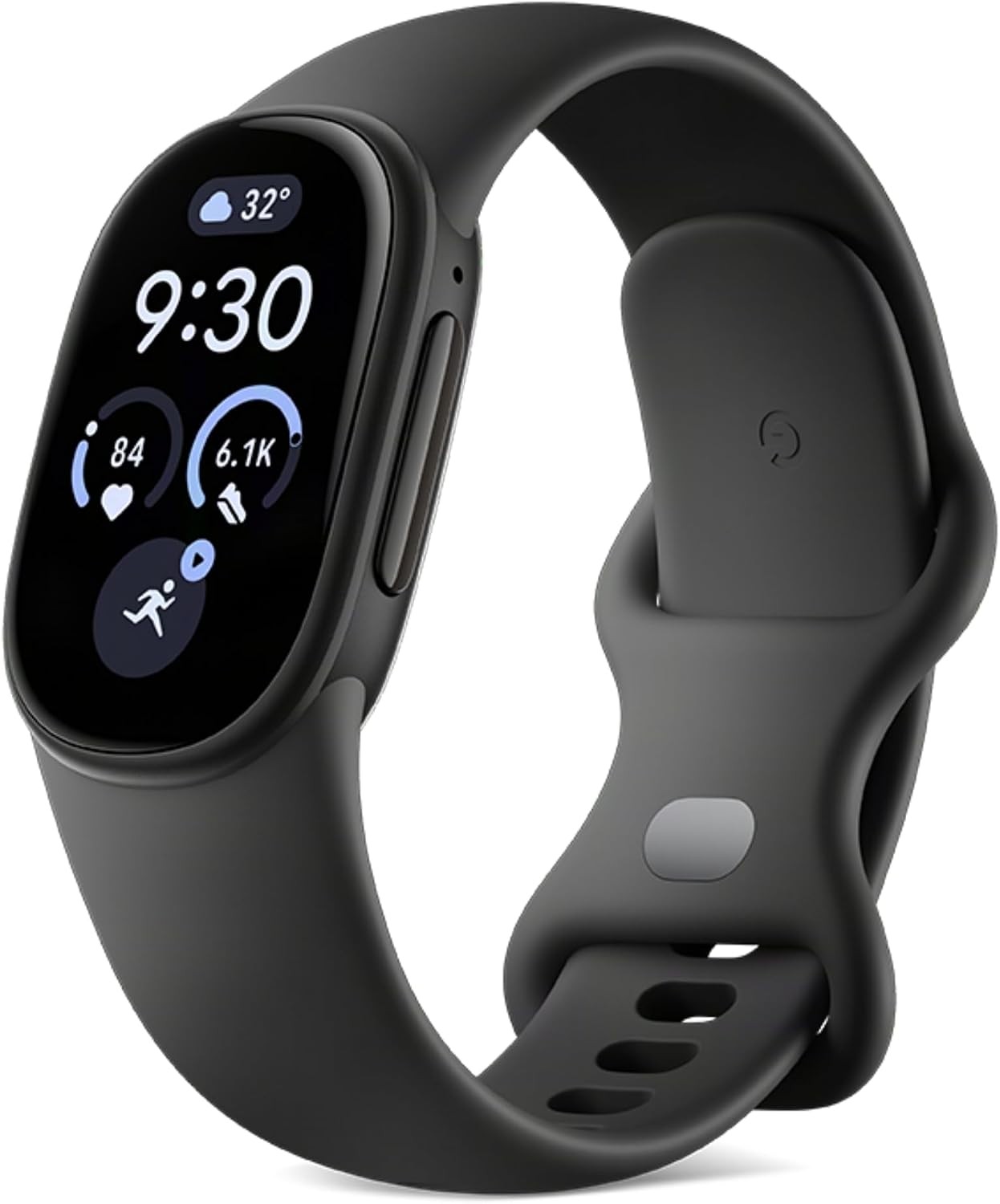
Every fitness tracker at a glance
| Model | US price | Built-in GPS | Screen | Payments | Features | Best on |
|---|---|---|---|---|---|---|
| Samsung Galaxy Fit3 | about $50 | No | Yes | No | Few | Android |
| Amazfit Bip 6 | $71 | Yes | Yes | No | Some | iPhone, Android |
| Xiaomi Smart Band 10 Pro | about $80 | Yes | Yes | NFC edition only | Few | iPhone, Android |
| Huawei Band 11 Pro | £69.99 (not sold in the US) | Yes | Yes | No | Few | Huawei, Android, iPhone |
| Amazfit Bip Max | $90 | Yes | Yes | No | Some | iPhone, Android |
| Fitbit Inspire 3 | about $99 | No | Yes | No | Few | iPhone, Android |
| Fitbit Air | $99.99 | No | No | No | Some | iPhone, Android |
| Fitbit Charge 6 | about $130 | Yes | Yes | Yes | Some | iPhone, Android |
| Garmin Vivosmart 5 | $149.99 | No | Yes | No | Few | iPhone, Android |
| Fitbit Edge | $179 | Yes | Yes | No | Lots | iPhone, Android |
| Huawei Watch Fit 5 | £159.99 (not sold in the US) | Yes | Yes | Yes | Lots | Huawei, Android, iPhone |
| Amazfit Active 3 Premium | $169.99 | Yes | Yes | Yes | Some | iPhone, Android |
| Apple Watch SE 3 | from $249 | Yes | Yes | Yes | Lots | iPhone |
| Garmin Forerunner 70 | $249.99 | Yes | Yes | No | Lots | iPhone, Android |
Rows are shaded by price bracket: under $100, $100 to $150, $150 to $200, and $200 and up. “Features” counts six things a tracker can let you do: track hills and floors, check your heart rhythm, coach you or give you a training plan, show offline maps, take calls or reply to messages, and replace a worn battery. Four or more scores “Lots”, two or three “Some”, and one or none “Few”. Prices are typical US street prices in October 2026.
Quick picks
- Best overall: Fitbit Edge. No other band sold in the US lets you train without your phone, check your heart rhythm and count your hills, on iPhone or Android.
- Best on a Huawei or Android phone: Huawei Watch Fit 5. It matches the Edge and adds wrist payments and calls.
- Cheapest way to leave your phone at home: Xiaomi Smart Band 10 Pro.
- Best big screen for the money: Amazfit Bip 6.
- Simplest Fitbit: Fitbit Inspire 3, for sleep, steps and heart rate without the extras.
- Best smartwatch for iPhone: Apple Watch SE 3, if you will charge it every night.
- Best for running: Garmin Forerunner 70.
Under $100: GPS is what separates them
Trackers in this bracket without built-in GPS are not real competitors to the Edge. The Samsung Galaxy Fit3 and Fitbit Inspire 3 borrow your phone’s GPS, so you have to carry it to record a run or ride. The others let you leave the phone at home and last far longer between charges than the Edge, but they cannot check your heart rhythm and their coaching is basic.
Xiaomi Smart Band 10 Pro
The Smart Band 10 Pro is the cheapest way to record a route without your phone, in a band about the size of the Edge. Battery lasts up to three weeks with light use. There is no hill tracking, heart-rhythm check or coaching, and wrist payments need the separate NFC edition. In the US, Amazon only sells it through third-party resellers.
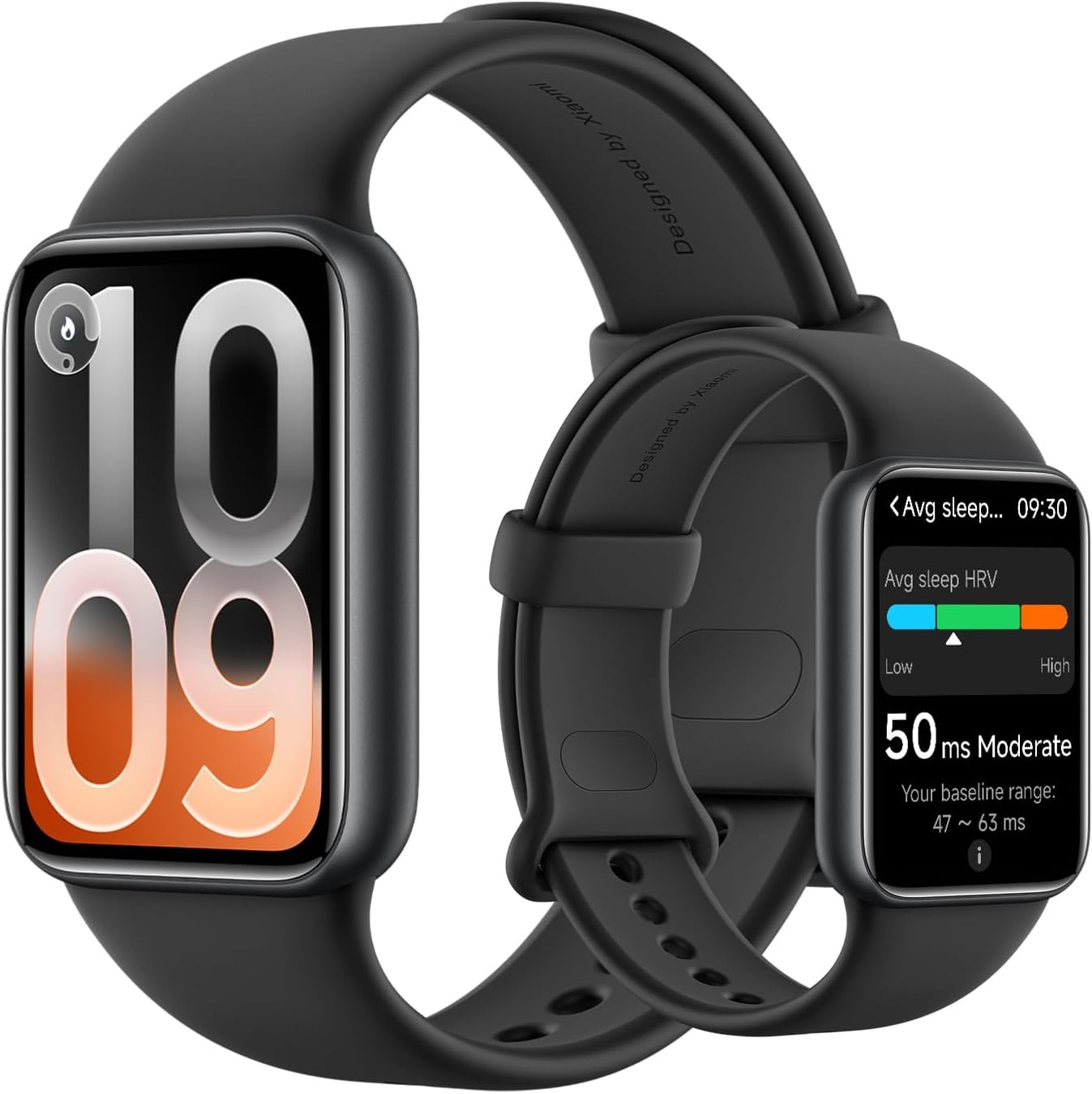
Xiaomi Smart Band 10 Pro
A slim band that tracks runs and rides with its own GPS and goes up to three weeks between charges.
 +other retailers
Huawei Band 11 Pro
The Band 11 Pro is the closest band to the Edge for under £70. It records routes without your phone, flags possible atrial fibrillation in some countries and lasts 8 to 14 days. Its GPS is only good for rough tracking, and there are no payments, calls or hill tracking. Huawei does not sell it in the US.
Amazfit Bip 6
The Bip 6 offers a big, bright screen, built-in GPS, free offline maps, and calls through your phone for about $71. Battery lasts up to two weeks. The Bip 6 is a slim watch rather than a band, with no payments or heart-rhythm checks.
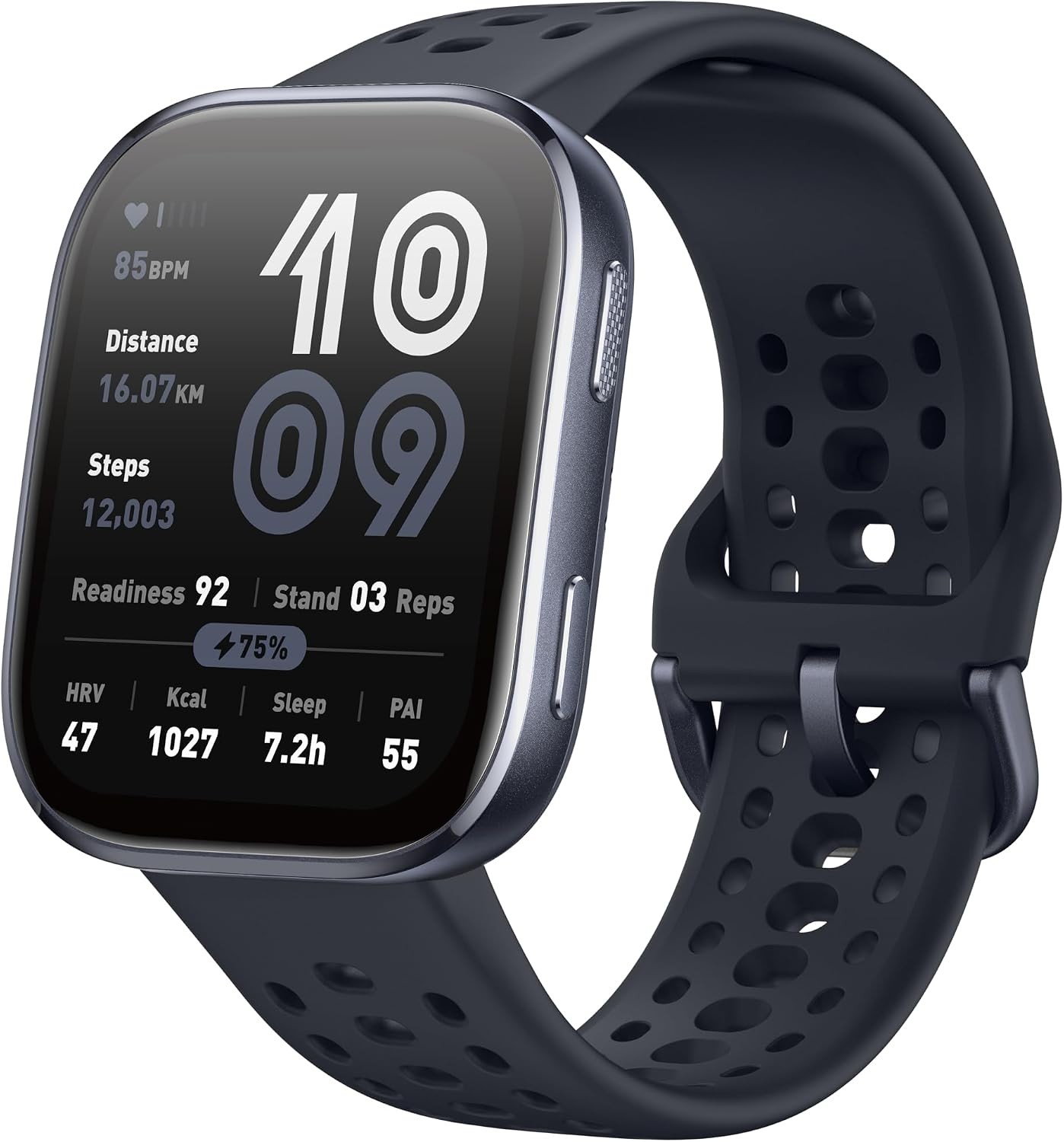
Amazfit Bip 6
A big-screen GPS watch that maps your runs without a phone and lasts up to two weeks.
+other retailersAmazfit Bip Max
The Bip Max is a bigger Bip with offline maps and up to 20 days of battery for $90. It does more than any band at this price, but the Zepp app doesn’t integrate with your phone as closely as Google’s or Apple’s, and the large case makes it a watch, not a band.
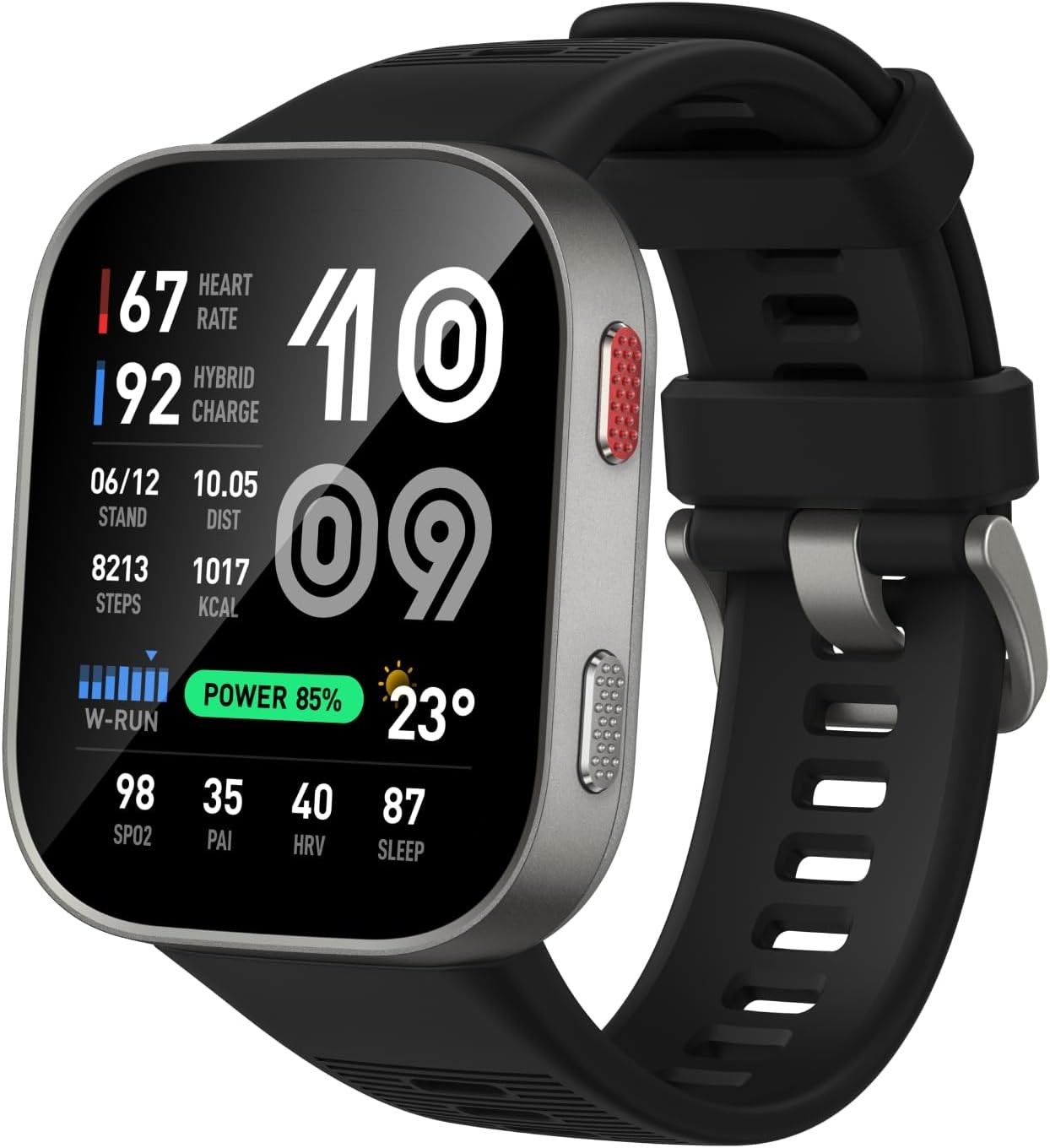
Amazfit Bip Max
A big-screen GPS watch with offline maps and up to 20 days of battery, for less than most bands.
+other retailersFitbit Inspire 3
The Inspire 3 is the simplest Fitbit with a screen. It tracks sleep, steps and heart rate for up to 10 days and uses your phone’s GPS for workouts. As a first tracker it works well, but it cannot record a route on its own, pay or check your heart rhythm. Buyers often weigh it against the Charge 6, which adds GPS and payments.
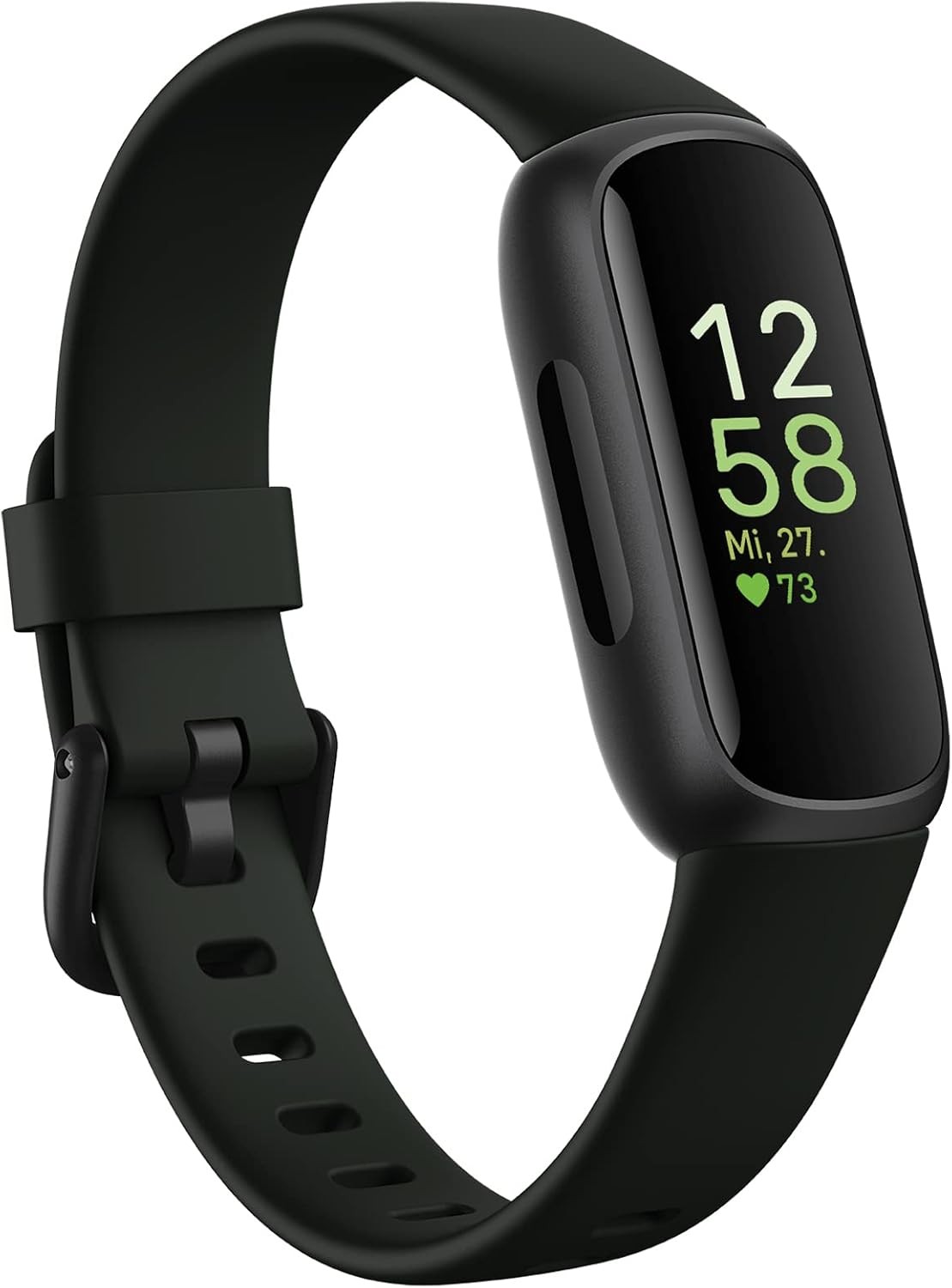
Fitbit Inspire 3
Fitbit's simplest tracker with a screen, for sleep, heart rate and workouts, using your phone's GPS and lasting up to 10 days.
+other retailersSamsung Galaxy Fit3
The Galaxy Fit3 tracks steps, sleep and workouts for about two weeks, for about $50. You need your phone for GPS, and it works only with Android phones.
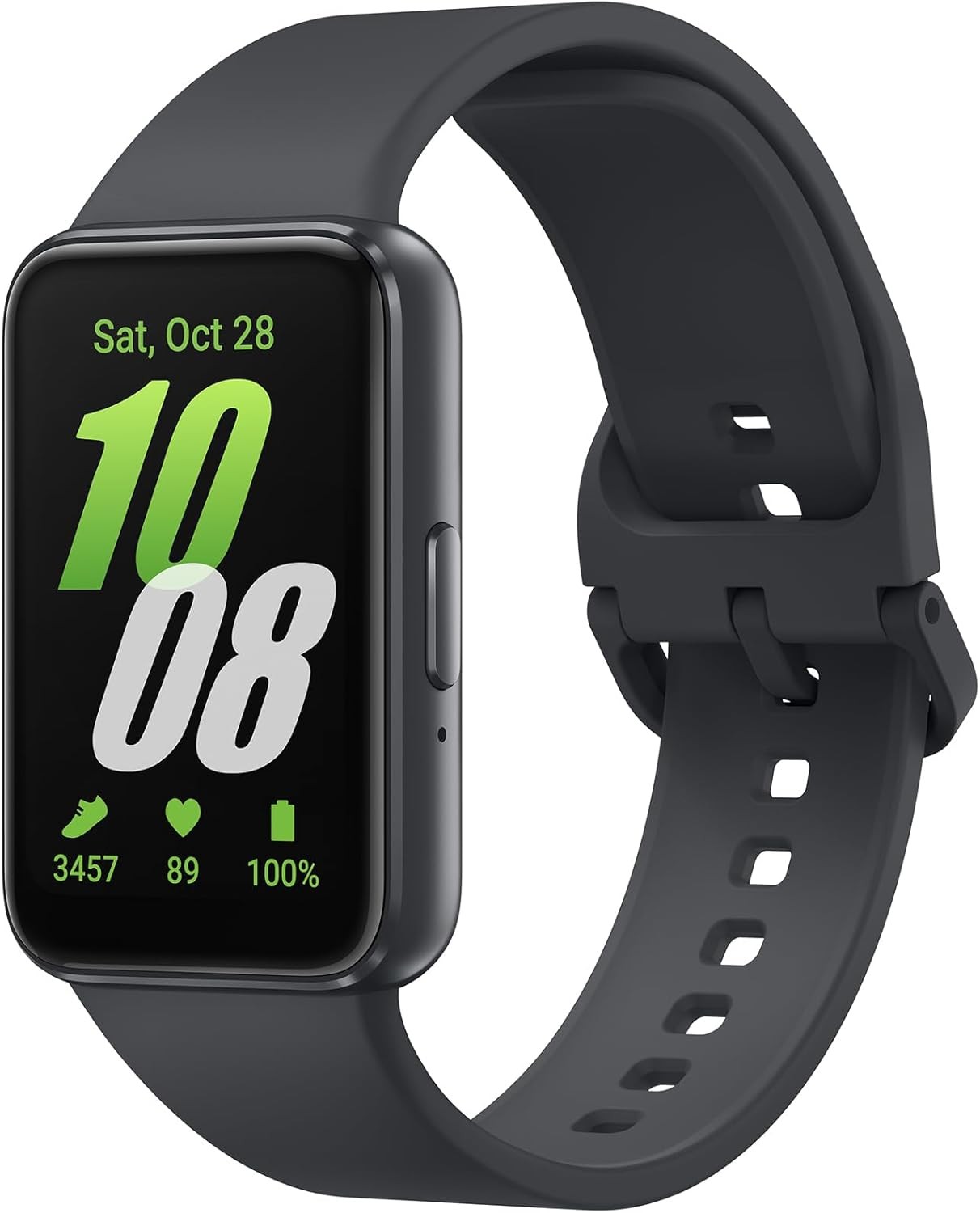
Samsung Galaxy Fit3
A low-cost band for steps, sleep and workouts that uses your phone's GPS. Android only.
+other retailers$100 to $150: a screen is what separates them
Trackers in this bracket without a screen aren’t real competitors to the Edge because they cannot show you anything during a workout. The Fitbit Air is the clearest example.
Fitbit Air
The Air is a screenless band for sleep, recovery and daily activity, with the same heart rate hardware and app as the Edge. At $99.99 it is cheaper, but you check everything in the app afterwards, and it needs your phone to record a route. Read the Fitbit Air review for the accuracy tests. The Garmin CIRQA is the other screenless band worth knowing about, at $199.99.
Fitbit Charge 6
The Charge 6 is the Edge’s predecessor and is now discounted to about $130. Unlike the Edge, it lets you pay from your wrist, and it checks your heart rhythm too. Its GPS was weak, its screen is small, and it cannot count hills. See the Fitbit tracker upgrade guide if you already own one.
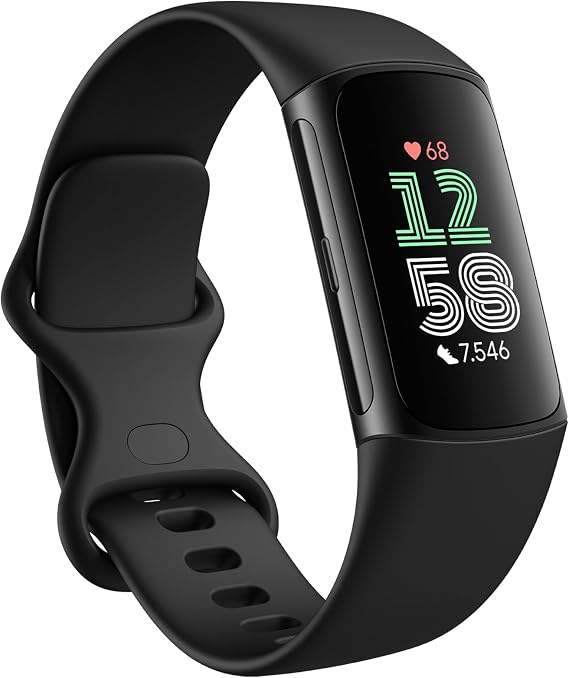
Fitbit Charge 6
Fitness tracker with SpO2 and skin temperature sensing, Cardio Fitness Level, Sleep Score and up to 7 days of battery life. Heart rate tracking is rated up to 60% more accurate than other Fitbit trackers during vigorous activity.

Garmin Vivosmart 5
The Vivosmart 5 brings Garmin’s Body Battery energy score and sleep tracking to a slim band. There is no GPS of its own, no payments and only a small screen, and Garmin no longer sells any band with built-in GPS.
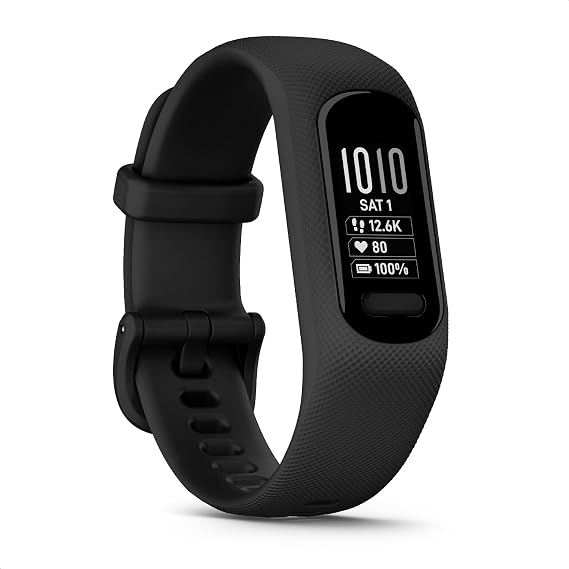
Garmin Vivosmart 5
Simple, easy-to-use fitness tracker with Pulse Ox, Body Battery and up to 7 days of battery life.
$150 to $200: the real contest
This is the only bracket where the Edge has a true rival, and that rival is built for a different phone.
Fitbit Edge
The Edge lets you record walks, runs and rides without your phone, and Google claims its GPS is 40% more accurate than the Charge 6’s. The 46% larger screen makes pace and heart rate easy to read mid-workout, and an altimeter counts the hills and stairs you climb. ECG checks your heart rhythm, Google Health Premium adds a coach, and up to 100 workouts are recognised automatically, so a forgotten start button no longer means a lost session. Battery life is up to seven days, and you can replace the battery yourself. The one thing missing is tap-and-pay. Full details are on the Fitbit Edge specifications page.
Huawei Watch Fit 5
The Watch Fit 5 matches the Edge on paper and goes further in places. It records routes without your phone, stores maps and music, checks your heart rhythm, takes calls and lets you pay from your wrist. Huawei and Android phones get the most from it. It also works with iPhone, but few iPhone owners choose it, and Huawei does not sell it in the US. See the Watch Fit 5 specifications.
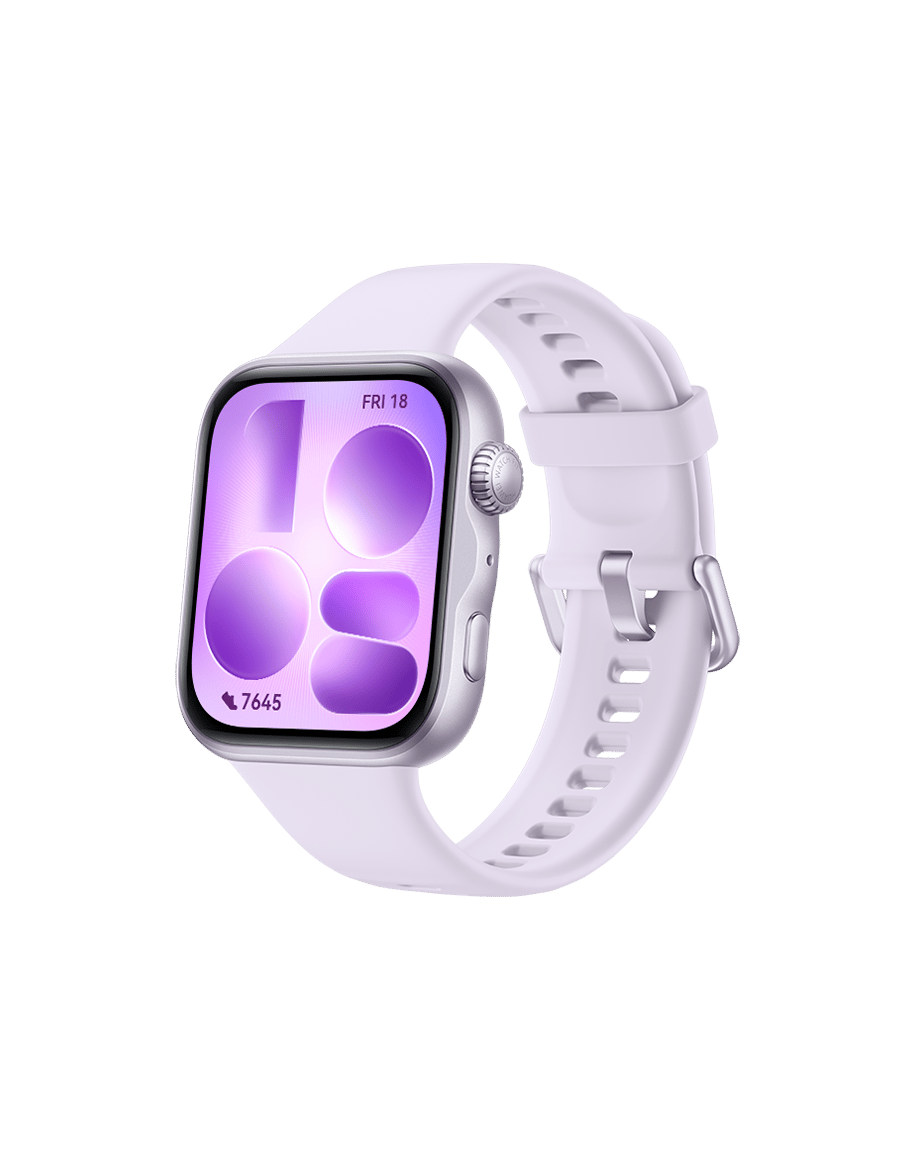
Huawei Watch Fit 5
Heart rate, SpO2 and sleep tracking with a mini-workout mode, in a lightweight aluminium case rated for up to 10 days of battery life.
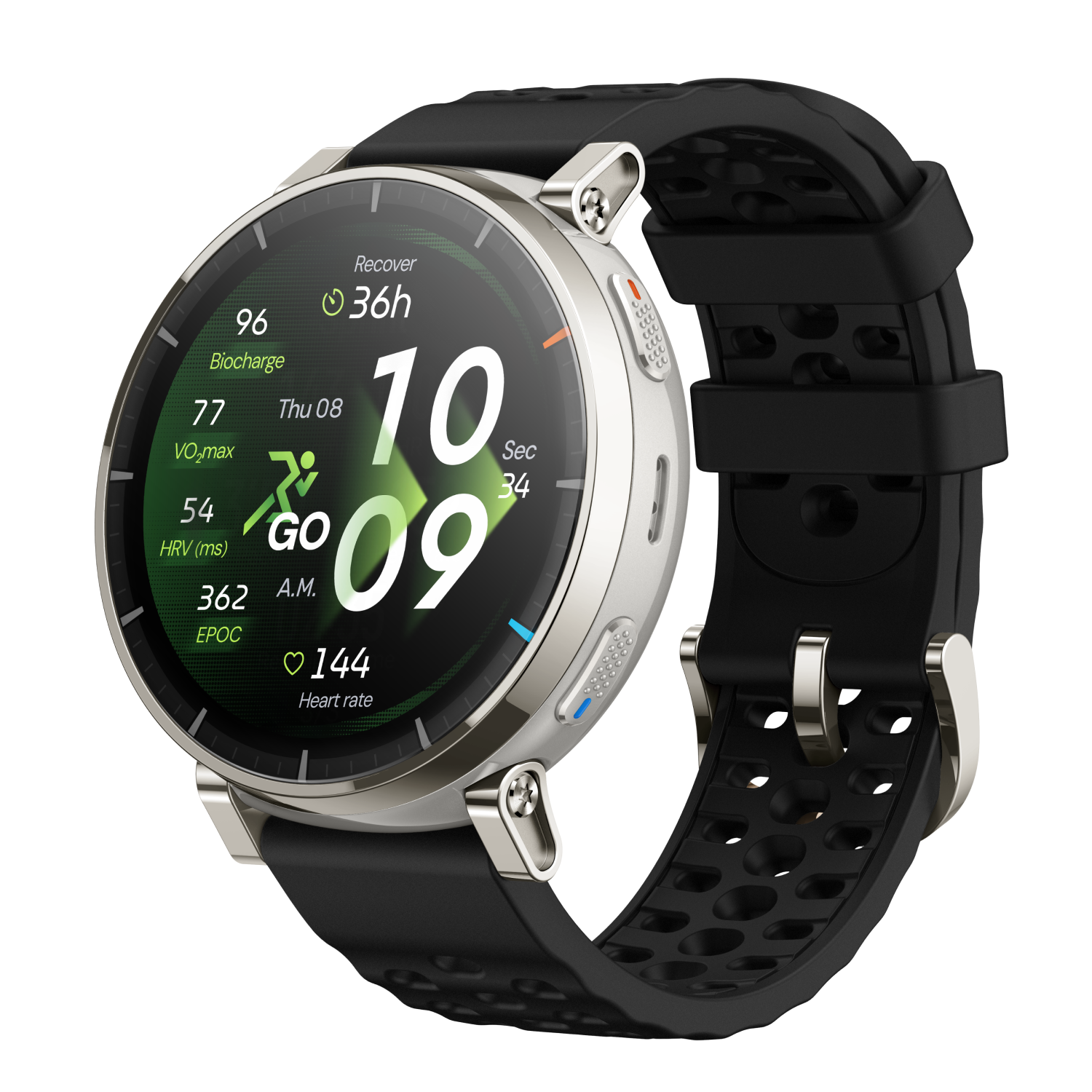
Amazfit Active 3 Premium
The Active 3 Premium has offline maps, payments, and about 12 days of battery life, but it is a round watch rather than a band. It suits buyers who want a sports watch, not a tracker, so it doesn’t compete with the Edge.
$200 and up: better, and dearer
These aren’t real competitors to the Edge because they are clearly more capable and cost more.
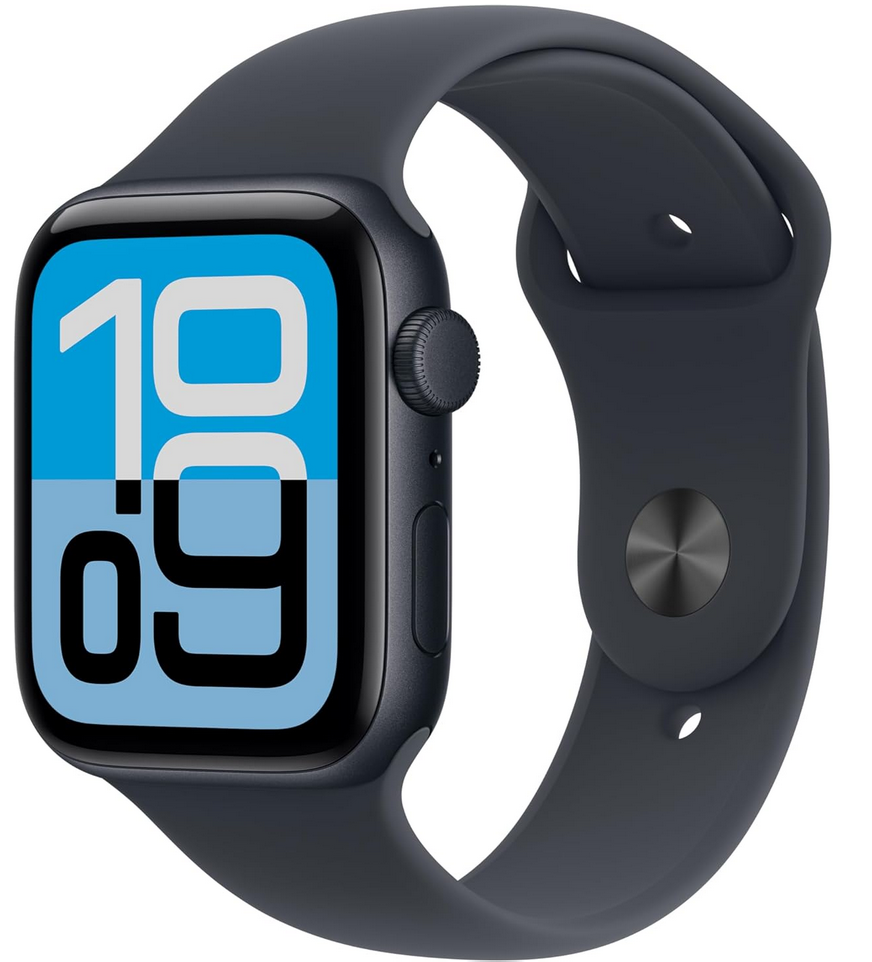
Apple Watch SE 3
The SE 3 lets you pay with Apple Pay, take calls, use apps and track workouts with built-in GPS. You have to charge it every night, and it works only with an iPhone. As a smartwatch it beats the Edge, but anyone who wants to track sleep without a charging routine is better off with the Edge. See the Apple Watch SE 3 specifications.
Garmin Forerunner 70
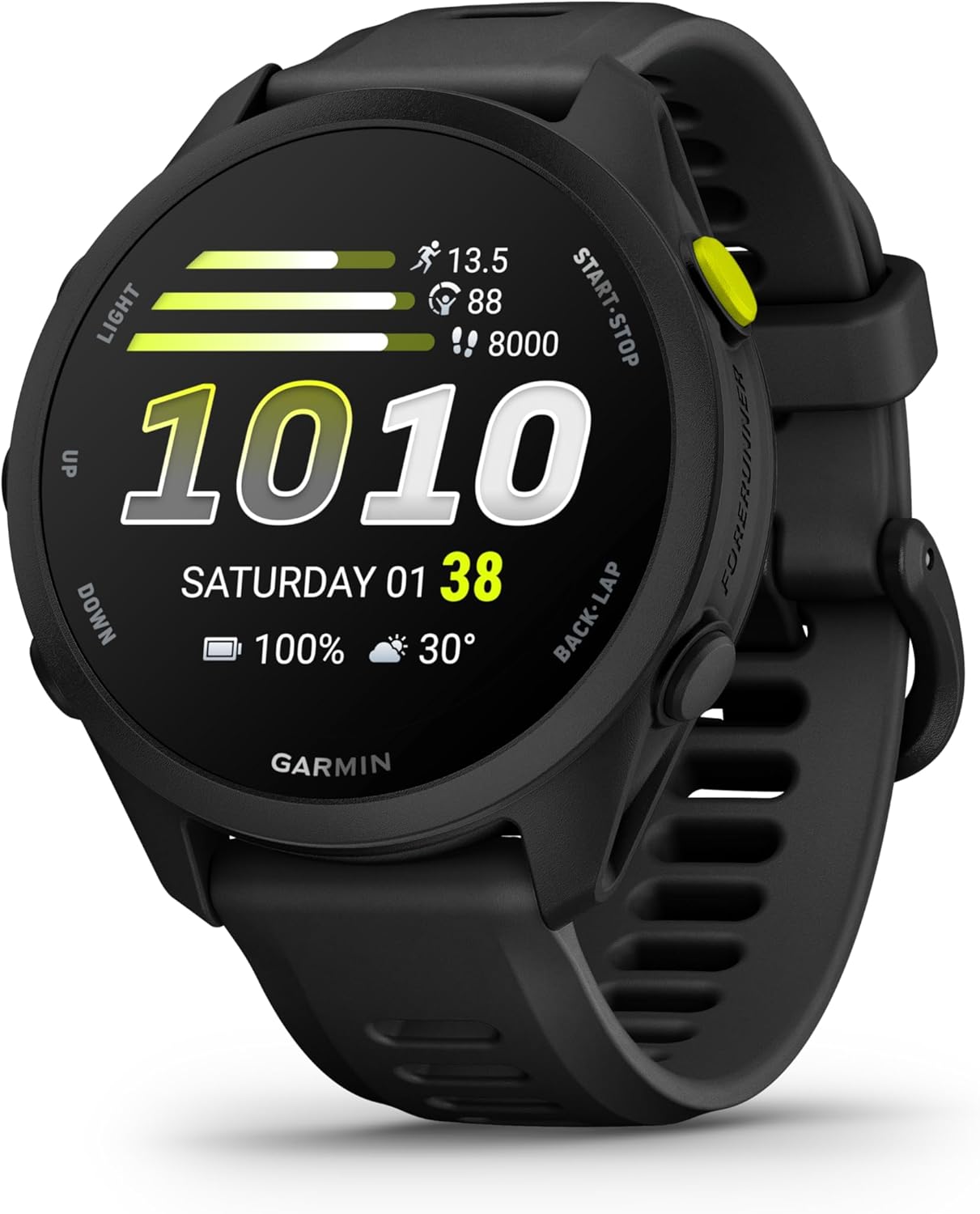
The Forerunner 70 gives runners Garmin’s training plans, a daily readiness score, incident detection with live location sharing, and up to 13 days of battery life. This is a proper running watch with a bigger case, and it costs $70 more than the Edge. Read the Forerunner 70 review.
Why the Edge has no direct rival
I think the gap exists because few companies can make money from a $179 tracker. Google can because Fitbit sells in huge volumes, feeds Google’s health platform, trains its AI models, generates subscriptions, and integrates better with Android than any rival. Buyers also trust the Fitbit name, which Xiaomi and Huawei cannot yet match in the US, and Garmin, which made GPS bands years ago, no longer sells one.
The Edge also makes the Apple Watch SE look expensive. From $249 the SE does far more, but many buyers only want a tracker that lasts a week. That leaves room for something cheaper than the SE, and Apple is unlikely to fill it.
Fitness trackers for children
The Fitbit Ace LTE is Google’s watch for children. It lets parents see where their child is and lets the child call and message approved contacts, with games that reward movement. It requires a monthly Ace Pass data plan, is sold only in the US, and now often sells for around $100, well below its $229.95 launch price.
The Garmin Bounce 2 does the same job. Parents can see where their child is and set safe zones, and the child can call and message family over LTE. It costs $299.99 plus a $9.99 monthly plan, is also sold in the UK, and has a brighter screen than the Ace LTE. There is no heart rate sensor, so it counts steps and activity but not effort.
Fitness trackers for smaller wrists
The Edge comes with a small band in the box for wrists from 130mm to 170mm. The Inspire 3 and Xiaomi Smart Band 10 Pro are the slimmest options here. The Forerunner 70 has a 43mm case that suits smaller wrists better than most running watches. The Garmin Lily 2 Active is a small, jewellery-style watch with built-in GPS, at $299.99.
Quick answers
What is the best fitness tracker in 2026?
The Fitbit Edge, for most people. It records routes without your phone, checks your heart rhythm, counts hills and lasts a week, for $179.
Fitness tracker or smartwatch?
A fitness tracker is lighter, lasts a week or more and focuses on activity, sleep and health. A smartwatch adds apps, payments and calls, but usually needs charging every day or two. The Fitbit Edge sits between the two.
Should I just buy a Fitbit?
For most people, yes. The Fitbit Edge works with iPhone and Android, has built-in GPS and heart-rhythm checks, and comes from a brand with a mature app. Choose a Huawei on a Huawei or Android phone, or an Apple Watch if you want payments and apps on an iPhone.
What is the best Fitbit alternative?
The Huawei Watch Fit 5 is the closest match, best with Huawei and Android phones. The Xiaomi Smart Band 10 Pro is the cheapest alternative with built-in GPS.
Fitbit or Garmin?
Garmin has no band with built-in GPS. Choose the Fitbit Edge for a tracker, or the Garmin Forerunner 70 if you want a running watch with training plans and can spend $70 more.
Fitbit or Apple Watch?
The Apple Watch SE 3 is the better smartwatch but needs charging every night and works only with iPhone. The Fitbit Edge lasts a week and works with iPhone and Android.
Amazfit or Fitbit?
Amazfit’s Bip 6 and Bip Max cost less and last longer. Fitbit’s Edge checks your heart rhythm, coaches you, and integrates more closely with your phone.
Which fitness trackers have built-in GPS?
The Fitbit Edge, Fitbit Charge 6, Xiaomi Smart Band 10 Pro, Huawei Band 11 Pro, Amazfit Bip 6, Amazfit Bip Max and Huawei Watch Fit 5. The Inspire 3, Galaxy Fit3, Vivosmart 5 and Fitbit Air use your phone’s GPS.
What is the cheapest fitness tracker with GPS?
The Amazfit Bip 6 at about $71, followed by the Xiaomi Smart Band 10 Pro at about $80.
What is the best Fitbit for smaller wrists?
The Fitbit Inspire 3 is the slimmest. The Fitbit Edge comes with a small band for 130mm to 170mm wrists.
