Wellue BPW1 Review: Does This Inflatable-Cuff, Smart Blood Pressure Watch Deliver?
The Wellue BPW1 is a smart blood pressure watch with a genuine inflatable micro air cuff built into the strap. It uses the oscillometric method, the same principle as a validated upper arm monitor, to measure blood pressure at the wrist. In my testing, it was 92 per cent accurate on the top number against an arm cuff across four people, and 87 per cent overall when tested side by side with the Huawei Watch D3. At $179 ($161 with code THEWATCH), it is one of the few wrist-worn blood pressure devices with manufacturer-claimed FDA clearance and CE certification for blood pressure measurement.
Note: This is a media loaner, and you can support the independent opinions here by buying through one of the affiliate links below. Thank you.
Wellue BPW1 Review Summary
Wellue BPW1 Smart Blood Pressure Watch with Micro Aircuff
Most smartwatches that claim to measure blood pressure or blood glucose are random number generators. As covered on this site, German authorities have called this out, as has the FDA.
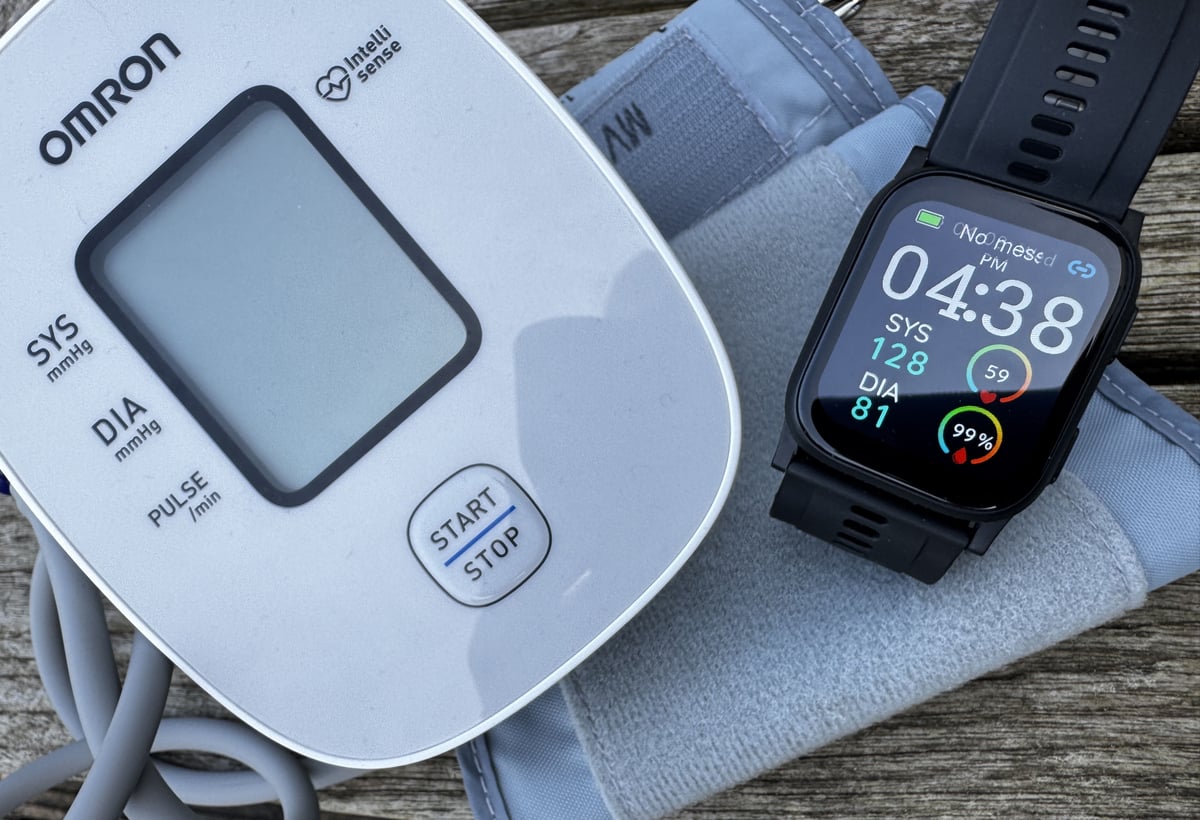
The Wellue BPW1 is different: it features a real inflatable cuff that works like your regular biceps cuff. My structured testing against an approved Omron M2 Basic cuff showed 92 per cent systolic accuracy across varied subjects and conditions. That accuracy must be set against the fact that this is not a medical-grade device and cannot replace a validated cuff for clinical purposes.
For super-handy trend monitoring through the day, however, it operates on sounder physical principles than every optical alternative.
Pros
- Real inflatable aircuff, not optical guesswork
- No calibration required before use
- FDA cleared for blood pressure monitoring (manufacturer claim)
- Up to 48 automatic readings per day
- Reliable direction-of-change tracking across subjects and conditions
- Better than expected battery life with scheduled readings active
- Comfortable for all-day wear
- Solid build quality for the price
Cons
- No data export, screenshots only, limiting sharing with clinicians
- App connectivity unreliable
- The touchscreen is too sensitive, registering unintended inputs
- Inflation audible in quiet settings
- Accuracy below clinical tolerance, trend monitoring only
- Smart and activity features below the competition at this price
User Review
( votes)What Is the Wellue BPW1?
The BPW1 is not primarily a sports or fitness watch. BPW1 is best described with a new phrase I like, as a “medical-adjacent” wearable. Kinda medical but not really.
The product centres on convenient, repeatable blood pressure monitoring. Secondarily to that is the ability to automate these readings, for example, every hour. The frequency and convenience of these readings will give you insights into blood pressure changes you’ve almost certainly never had before from an inflatable biceps cuff.
Heart rate and SpO2 sensors are also present but are not clinically certified.
It also offers a modest set of smart features, including notifications, breathing (meditation), weather, calculator, alarm, torch, calendar, and stand/drink reminders.
There initially appears to be a whole host of sports features. You can start with badminton, running, hiking, basketball, yoga, walking, cycling, and more. However, these so-called sports are just names. All of the data pages and metrics I saw were entirely generic; there are no sports-specific features at all. So ‘Jump Rope’ doesn’t tell you how many skips you’ve done, just a time, heart rate and the calories.
Taking A Reading
Taking a reading takes a couple of button presses and a swipe, and it’s done within one minute. This video shows the full process and gives a good look at the inflatable cuff and clasp mechanism.
Note: This reading was taken with a less-than-optimal wear position. Find the wrist sizing ruler in the box, measure two finger widths above the base of your palm, and set the strap to the notch number shown against your wrist circumference. Wear the watch at that same position for every reading. When taking a measurement, raise your wrist to heart level, stay still, and do not talk until the result appears.
Design and Wearability
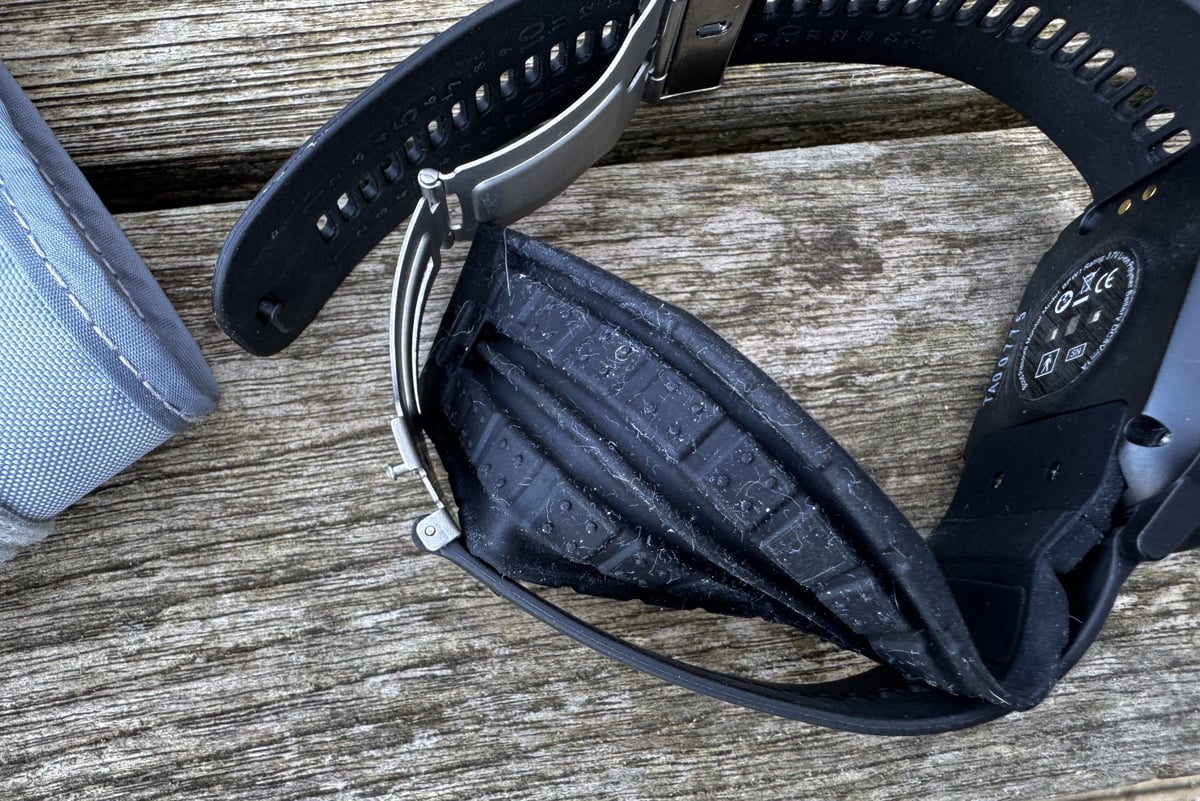
The BPW1 is light for its size, but the strap is thick and substantial. That chunkiness is needed to house the inflatable rubber insert. Then there is the clasp mechanism, which is highly engineered for a watch at this price point. It’s a bit hard to adjust the strap length to match your wrist circumference, but once done, the mechanism securely fixes everything in place. I’m assuming this was needed to help with the accuracy of the BP reading. Despite the large, 28mm-wide strap, it’s surprisingly comfortable to wear, and because the display and watch case themselves are Apple Watch-sized, it looks alright even on my small wrists.
It is comfortable for all-day wear. The inflation is both felt and audible. The sensation is mild, comparable to a standard wrist cuff, but the strong buzzing sound is noticeable enough that taking a reading in a quiet room or a meeting will draw attention. It’s not loud and is certainly quieter than a biceps cuff inflating.
The 1.83-inch touchscreen is far too responsive, registering accidental inputs during normal use. I even changed the language to Chinese once without realising. It was quite a challenge reverting!
The main (and only) watch face says it all. It actually looks alright. It’s odd that I couldn’t find the watchface shown on the company’s website.
The display is super bright. You get the time, a few notifications, and icons, but the centrepiece is the addition of your last SYS/DIA blood pressure, heart rate, and SpO2 readings. i.e., if you’ve just had an automated reading, the results appear in detail after the reading and are then summarised on the watchface until your next reading.
Build quality is solid.
SpO2 Accuracy
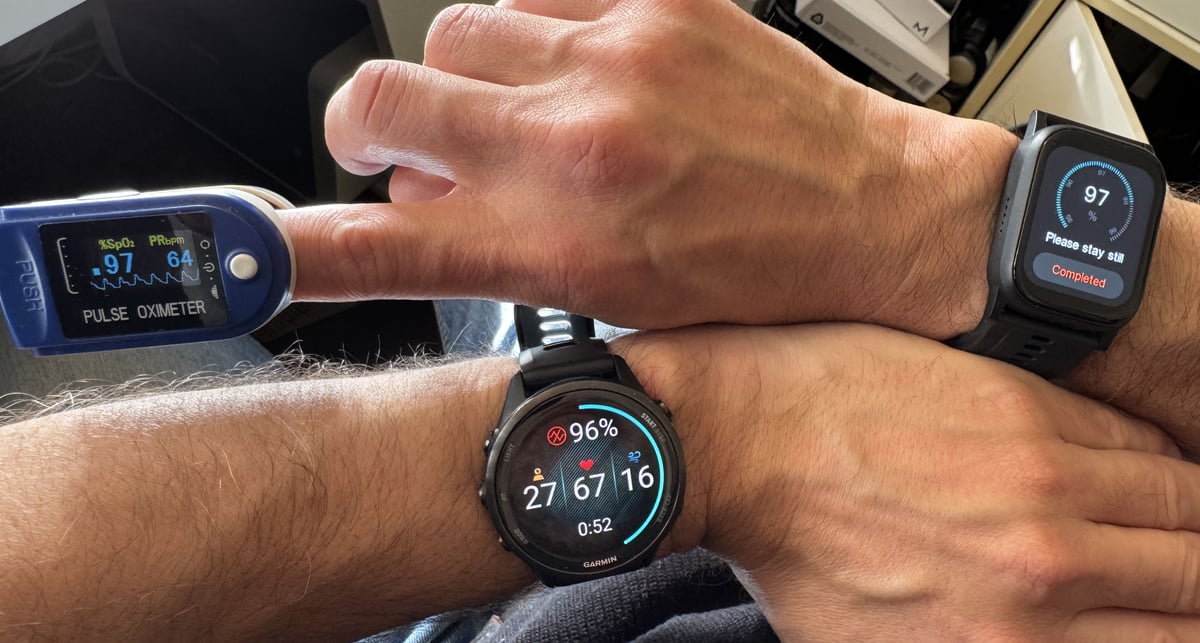
Methodology: We took five SpO2 readings from a single subject over 30 minutes using three devices simultaneously: the Wellue BPW1, the Contec CMS50D, and the Garmin Forerunner 970 (Elevate Gen 5 sensor).
Results: In SpO2 testing against two reference devices, the Wellue BPW1 consistently read higher than both the Contec Medical Systems CMS50D and the Garmin Forerunner 970. Across five readings, the BPW1 averaged 98.0 per cent, compared with 96.0 per cent on the CMS50D and 96.6 per cent on the Garmin. The Contec and Garmin, using different sensor technologies, tracked each other closely throughout, supporting the conclusion that the BPW1 runs about 1.5 to 2 points high. All readings fell within the clinically normal range, and the BPW1 produced stable, consistent results with no erratic variation.
For general wellness tracking, the device performs reliably, but buyers seeking clinical-grade accuracy should note a systematic offset relative to dedicated medical oximeters.
Blood Pressure Accuracy
Methodology: We assessed blood pressure accuracy by comparing the Wellue BPW1 against a consumer biceps cuff reference device across four subjects and seven varied real-world sessions, discarding outlier readings and averaging the remaining results.
Results
If you’re familiar with taking BP readings, you know a proper home blood pressure reading is best taken when you wake up, by averaging 3 readings taken 1 minute apart.
That’s not what I’m here to test. I was specifically testing the BP watch’s accuracy against a certified blood pressure bicep cuff. I took readings in pairs and at different times of the day. Because I wasn’t trying to find my baseline blood pressure but rather test accuracy, I tested across a variety of scenarios (e.g., after food or exercise), which let me test a range of values rather than around a single point.
I did these pairs of readings on myself over a few days, and then on 3 other family members in one day. I got a good amount of data points over n=4 subjects. Please don’t take that as any form of statistical accuracy. These are reviewer-grade results, but probably better than most reviewers’.
Here are the methodologies and results in more detail.
Test conditions. We conducted two structured tests using a consumer biceps cuff monitor as the reference device. The reference device is not a clinical mercury standard. The tests are indicative rather than scientifically rigorous, but more structured than most consumer comparisons published online.
- Test A compared the watch against the cuff across four subjects with naturally varying blood pressure levels. Each subject took five paired readings, cuff first, then watch, with one minute between each pair. The highest and lowest systolic and diastolic readings were discarded independently, and the middle three were averaged.
- Test B tracked one subject across seven sessions under varied real-world conditions: rested, stressed, post-workout, post-Hyrox, and after alcohol. We took three paired readings per session using the same cuff-first-then-watch method.
Results. Test A produced a systolic accuracy of 92 per cent, ranging from 88 to 97 per cent across subjects. Diastolic accuracy was 93 per cent, ranging from 86 to 97 per cent. Errors were not consistently in the same direction: i.e. the watch read high on some subjects and low on others, ruling out any simple user-applied correction. The most accurate result came from the highest-pressure subject, averaging approximately 165/103 on the cuff, where offsets were around 5 mmHg on both metrics. The weakest result was a subject at around 117 systolic, where the watch consistently read 14 mmHg systolic and 11 mmHg diastolic.
Test B produced a systolic accuracy of 92 per cent, ranging from 86 to 99 per cent across sessions. Diastolic accuracy was 96 per cent, ranging from 88 to 99 per cent. The watch tracked the direction of pressure change reliably across sessions. The largest error occurred during the stressed session, where the cuff systolic averaged 176, and the watch returned 152, a 24 mmHg underestimate. Diastolic tracking was substantially more consistent than systolic across all seven sessions.
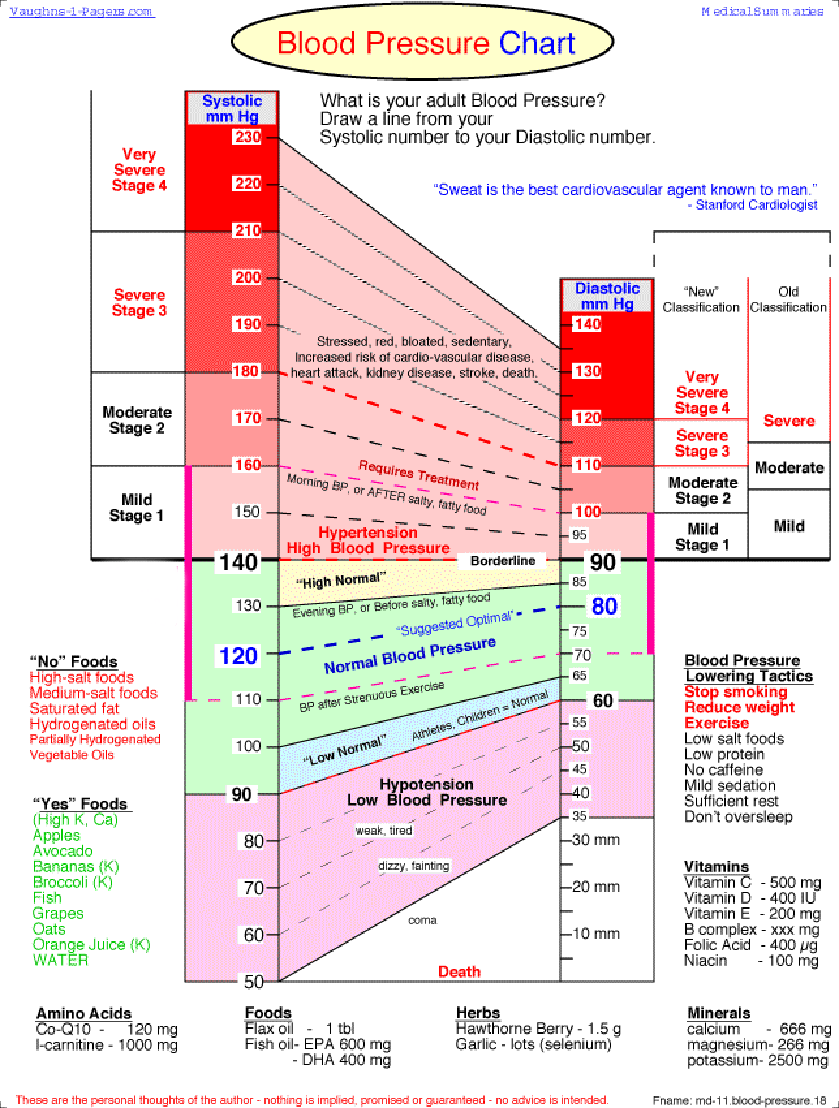
For context, FDA 510(k)- cleared biceps cuff monitors must perform within 5 mmHg of a reference standard, equivalent to roughly 95 to 97 per cent accuracy. The BPW1 carries no equivalent medical certification for accuracy and makes no clinical claims. It performs within a useful range for trend monitoring but outside the tolerance required for clinical decision-making. So these tests could loosely be described as showing 92% accuracy, but that could easily place a particular reading in the next assessment category (see image below). Conversely, the inaccuracy of a biceps cuff could put the two devices close to your real blood pressure because of the margins of error in both.
How the Wellue blood pressure watch compares with the Huawei Watch D3
In September 2026, I tested the Wellue BPW1 side by side with the Huawei Watch D3, the other watch with a real inflatable cuff. Same wrist, same session, both against the same Omron arm cuff.
| Device | Reading (mmHg) | Top number | Bottom number | Overall |
|---|---|---|---|---|
| Omron arm cuff | 151/91 | reference | reference | |
| Huawei Watch D3 | 147/84 | -4, 97 per cent | -7, 92 per cent | 95 per cent |
| Wellue BPW1 | 126/82 | -25, 83 per cent | -9, 90 per cent | 87 per cent |
The Wellue read 25 points low on the top number that day, well below the 92 per cent it managed across four people in April. Across four people each, tested months apart, the two watches score the same on the top number. Tested side by side, the D3 was clearly better.
But, the D3 costs about twice as much, is not sold in the US, and is a full, legitimate smartwatch. The Wellue does one job for $179.
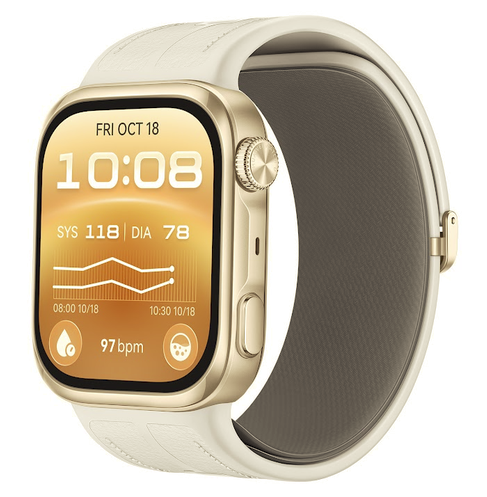
Huawei Watch D3
Real cuff blood pressure in a slimmer watch, with a pre- and post-exercise BP mode and a 60-second Health Glance check.

The older Huawei Watch D2 is another cheaper alternative to the D3 that I haven’t tested. It uses the same cuff mechanism as the D3 and Huawei claims no accuracy difference between the two, so I’d expect it to be more accurate than the Wellue and at most slightly behind the D3. It is discounted to GBP350 while stock lasts.
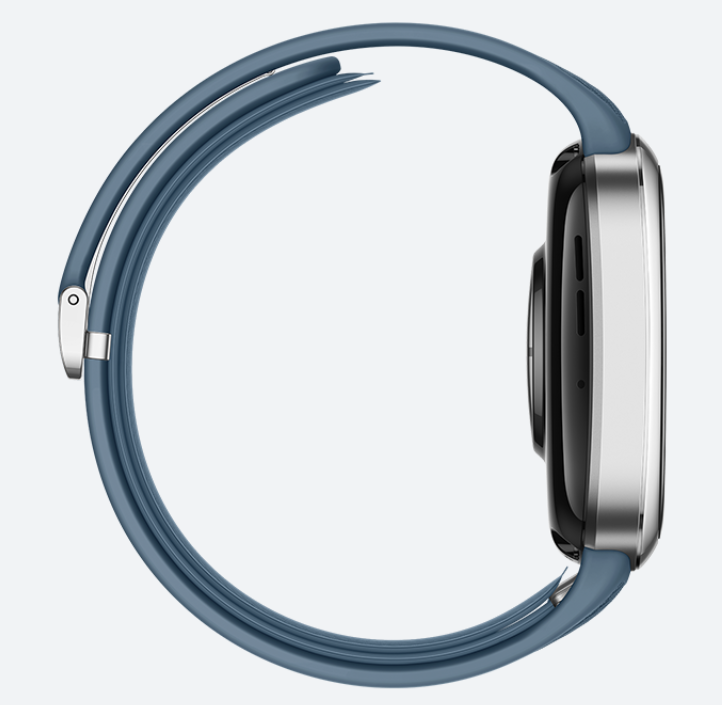
Huawei Watch D2
Micro-pump inflatable cuff, 24-hour ambulatory blood pressure monitoring. Measures pressure directly, no optical calibration required.
Scheduled Readings and App
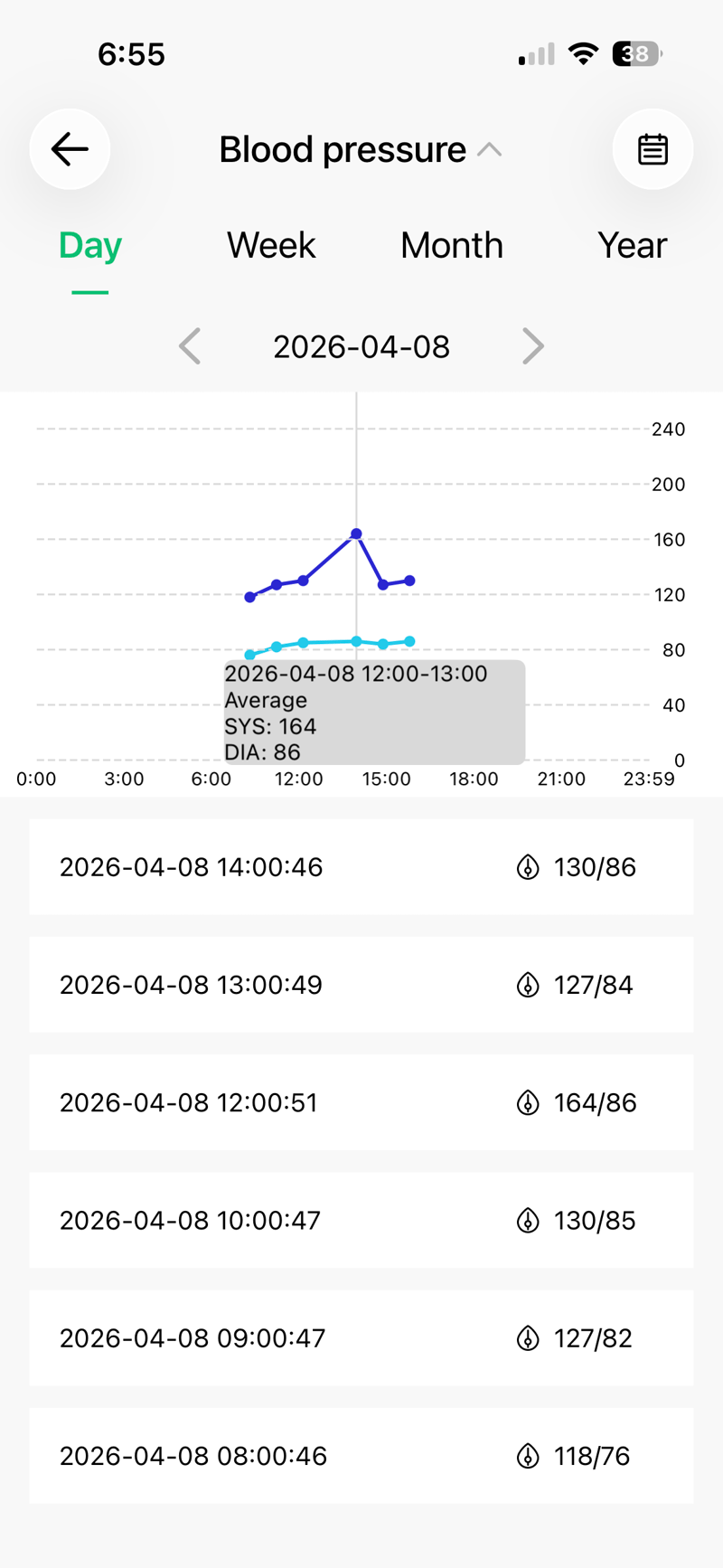
The BPW1 supports automatic blood pressure readings at 30- or 60-minute intervals, delivering up to 48 data points per day, though fewer in practice because the feature doesn’t run during your specified sleep windows. This is the watch’s most genuinely useful feature. Spotting morning surges, tracking day-to-night variation, and observing the effect of exercise or medication over time are all meaningfully easier with this volume of data than with a traditional cuff used once or twice daily.
The companion app is buggy and basic. The data visualisation is functional, not polished. For a device whose core value proposition is trend monitoring, the app is the weakest link.
All this said, it does the core job. And few, if any, other products can do it.
Smart and Activity Features
The BPW1 supports 23 activity modes and standard smartwatch notifications. These features are present and usable but unremarkable. Compared with fitness-focused smartwatches at a similar price, the activity tracking is low-grade. Treat these as secondary features built around the blood pressure function, not as reasons to buy.
Battery Life
Battery drain with hourly automatic readings enabled was lower than expected. The manufacturer claims up to 15 days of standby and 7 days of heavy use. Real-world use with regular scheduled readings did not produce the rapid depletion I expected.
I periodically recharged the watch, but it must have easily lasted well over 4 days with frequent BP readings.
Specifications
- Model: BPW1
- Price: $179
- Display: 1.83 inch
- Measurement method: Oscillometric micro air cuff
- Certifications: FDA cleared as claimed by the manufacturer, CE certified (blood pressure function only)
- Wrist circumference: 13.5 to 21.5 cm
- Standby battery life: Up to 15 days
- Heavy use battery life: Up to 7 days
- Activity modes: 23
- Weight: 54 g gross
Who Is It For?
The BPW1 suits someone managing hypertension who wants convenient, frequent readings throughout the day without reaching for a traditional cuff each time. It is not a replacement for a validated monitor when a precise reading matters. It is not a serious fitness watch. The data volume it provides for trend monitoring is its genuine and differentiating strength.
The only direct competitors using the same oscillometric inflation principle are the Huawei Watch D3 (£399.99, launched September 2026), its discounted predecessor the Huawei Watch D2 (at GBP350) and the now-discontinued Omron HeartGuide. The Huawei watches are more capable, with 24-hour ambulatory blood pressure monitoring and a substantially more polished software ecosystem. Still, they cost more and are sold in the UK and selected European markets, not the US. See Huawei Watch D3 vs D2 to choose which Huawei to choose. For buyers who can’t access Huawei or don’t want to pay the premium, the BPW1 is currently the most accessible oscillometric wrist blood pressure monitor.
Quick answers
Is the Wellue BPW1 accurate enough to use as a replacement for a blood pressure cuff?
No. Structured testing across four subjects and seven real-world sessions produced an average systolic accuracy of 92 per cent against a validated Omron biceps cuff. That is sufficient for identifying trends and prompting a proper reading, but it falls short of the 95 to 97 per cent tolerance required of FDA 510(k) cleared arm monitors. Use the BPW1 alongside a validated cuff, not in place of one.
Does the Wellue BPW1 actually inflate as a real blood pressure monitor?
Yes. The BPW1 contains a genuine micro air cuff built into the strap that physically inflates and deflates during each reading. This distinguishes it from most smartwatches that use optical sensors to estimate blood pressure from light readings at the skin surface. The inflation is both felt and audible.
What is the difference between the Wellue BPW1 and optical blood pressure smartwatches?
The BPW1 uses a physical inflatable cuff to compress the artery and measure pressure directly. Optical smartwatches, including those from Samsung, Apple, and Fitbit, use light sensors to estimate blood pressure from pulse wave patterns and require regular calibration against a traditional cuff. The FDA has issued a safety communication warning consumers against using unauthorised optical blood pressure devices. The BPW1’s cuff-based method is inherently more consistent and does not require calibration.
How many blood pressure readings per day can the Wellue BPW1 take automatically?
The BPW1 supports scheduled automatic readings at intervals as short as every 30 minutes, producing up to 48 data points per day. This volume of data makes it substantially easier to spot patterns such as morning pressure surges, day-to-night variation, and the effect of exercise, stress, or medication, compared with a traditional cuff used once or twice daily.
How does the Wellue BPW1 compare with the Huawei Watch D2 and D3?
Tested side by side on the same wrist against the same Omron cuff, the D3 was 95 per cent accurate and the BPW1 87 per cent. All three use a genuine inflatable air cuff and the same pressure-based measurement method. The Huawei watches are more capable, with 24-hour ambulatory blood pressure monitoring and a more polished app, and the D2’s cuff mechanism has passed an independent validation study. They cost more (£350 for the discounted D2, £399.99 for the D3) and are not sold in the US. The BPW1 is cheaper and available in the US, making it the practical choice for buyers who cannot access a Huawei.
Can the Wellue BPW1 export blood pressure data to share with a doctor?
No. The companion app provides no data export function. You can view historical readings in the app, but you can only save them as screenshots. This is a meaningful limitation for anyone wanting to share trend data with a clinician and should be factored into the buying decision.
Does the BPW1 have CE and FDA certification?
Yes. Wellue has the CE mark here, and the FDA clearance certificate is here.
Commercial and Competitive Thoughts
My understanding (TBC) is that Wellue licenses the sensor tech from a 3rd party. By that token, it would not be too difficult for a mainstream smartwatch to compete here – as Huawei already do. However, the physical inflation mechanism adds complexity and fragility. I suspect most smartwatch companies won’t take a leap in the dark to make and market a similar type of watch, at least not yet. Given the potential market size, it doesn’t seem to make sense.
The mainstream smartwatch companies seem set on deriving blood pressure trend information from optical sensors. This uses a different method from what Wellue shows here, looking at the pressure-wave characteristics picked up by the optical sensors they already have.
Verdict
The Wellue BPW1 does its core job to an acceptable standard and does something no regular optical smartwatch can match: it applies real pressure to the artery and measures the result. Accuracy across structured testing averaged 92 per cent systolic and 93 to 96 per cent diastolic, useful for trend monitoring but below the threshold required for clinical reliability. The app falls short, and the smart features feel like filler. For monitoring blood pressure trends in daily life, the concept is sound, and the execution is adequate. Three stars out of five.
Wellue BPW1 price: where to buy
The Wellue BPW1 has a recommended price of $179. Check the price in your market.
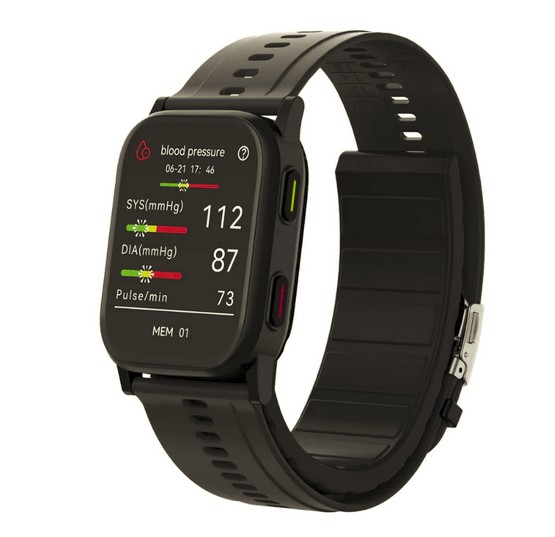
Wellue Blood Pressure Watch
Smart blood pressure micro cuff BPW1
+other retailersLast Updated on 3 October 2026 by tfk the5krunner
Small things I always use
- Garmin 90-degree charging adapter: Charges your Garmin from any USB-C cable. Essential when travelling. I use one.
- Body Glide: The blue anti-chafe stick swimmers and runners carry. I use it.
- Speedo earplugs: Fewer ear infections and no cold-water dizziness. I use them.
- Dryrobe Advance: My winter changing robe for open-water swims. I use one. A cheaper option is the AONYIYI changing robe.
- Maurten: Race fuel that stays easy on the stomach. I use them.
- Garmin charging puck: The quickest way to top up before a session. I use one.
- Injinji: Toe socks that stop rubbing, so you run more. I use them.
- Ultimate toe protectors: Stop black toenails on long runs. They work. I use them.
- Compressport R2 v2 calf sleeves: My calf sleeves of choice. I use them.
- Cellucor C4: My pre-workout before hard sessions.
- TPU tubes: Schwalbe Aerothan, Tubolito and Pirelli SmarTube. Light, tiny spares. I use all three.
- G8 insoles: Adjustable insoles that are good. I use them.
- Cycplus Cube: A 97g electric pump that gets a road tyre rideable in two minutes. I carry one. 5% off with code THE5KRUNNER.
Watches and sensors
- Polar H10: My daily driver for waking HRV.
- Polar Verity Sense: My backup arm-worn HR sensor.
- Nomad bedside charger: Charges my iPhone and Apple Watch overnight. I use it, and many of their bands.
- Train.Red: The best muscle oxygen sensor I’ve used.
- Tymewear: Accurate heart rate and reliable ventilatory zones. I use it to pace endurance rides over an hour.
- Garmin Forerunner 970: A pro-grade triathlon watch. I use this.
- Apple Watch Ultra 4: My daily smartwatch. No phone needed on rides.
- Garmin Fenix 9 Pro: I’ve just bought one.
On the bike
- Continental GP5000 for everyday riding, and Aero 111 on the front for special occasions.
- Helmets: Specialized S-Works Evade 3 for road riding, and Rudy Project Wing for TT-style races. I use both.
- Ravemen FR300: A front light that mounts under your Garmin or Wahoo. I use one.
- Wahoo TRACKR Radar: I use it on one bike and Varia on the other. They perform the same.
- Garmin Varia RTL515: Radar that warns you of cars from behind. I use this model.
- Wahoo ELEMNT Roam 3: The bike computer that’s easy to use. I use mine on most rides.
- Favero Assioma Pro RS2: Accurate power pedals that swap easily between bikes. I use this model.
Home and indoor training
- NPE Runn: Makes my basic treadmill smart, sending more accurate speed and distance to my watch and Zwift. I use it.
- Google Wifi: Keeps Zwift connected in my pain cave. I use it.
- Apple TV 4K: Zwift on the big screen. I use two.
- Google Nest Doorbell (wired, 2nd gen): My video doorbell, running in both Google Home and Apple Home. I use it.
Health, recovery and sleep
- FreeStyle Libre 3 Plus: Shows how my blood sugar responds to diet.
- hDrop: Measures my sweat loss in summer and indoors.
- Fourth Frontier Zone: Checks my heart under load in hard sessions.
- Oura Ring 5: My partner’s recovery tracker of choice.
- Kineon MOVE+: Red light therapy for niggles. It works.
- Eight Sleep: A cooling mattress cover my partner and I use nightly.
Reader-Powered Content

This content is not sponsored. It’s mostly me behind the labour of love, which is this site, and I appreciate everyone who supports it.
Support the site: Follow (free, fewer ads) · Subscribe (paid, ad-free) · Buy Me A Coffee ❤️
Written by real people, with AI assistance. Fact-checked and verified for originality. See the Editorial Policy. FTC: Affiliate Disclosure — some links pay commission. As an Amazon Associate, I earn from qualifying purchases.
tfk is the founder and author of the5krunner, an independent endurance sports technology publication. With 20 years of hands-on testing of GPS watches and wearables, and competing in triathlons at an international age-group level, tfk provides in-depth expert analysis of fitness technology for serious athletes and endurance sport competitors. ID
