Apple’s Whoop competitor will be a good companion and a poor substitute
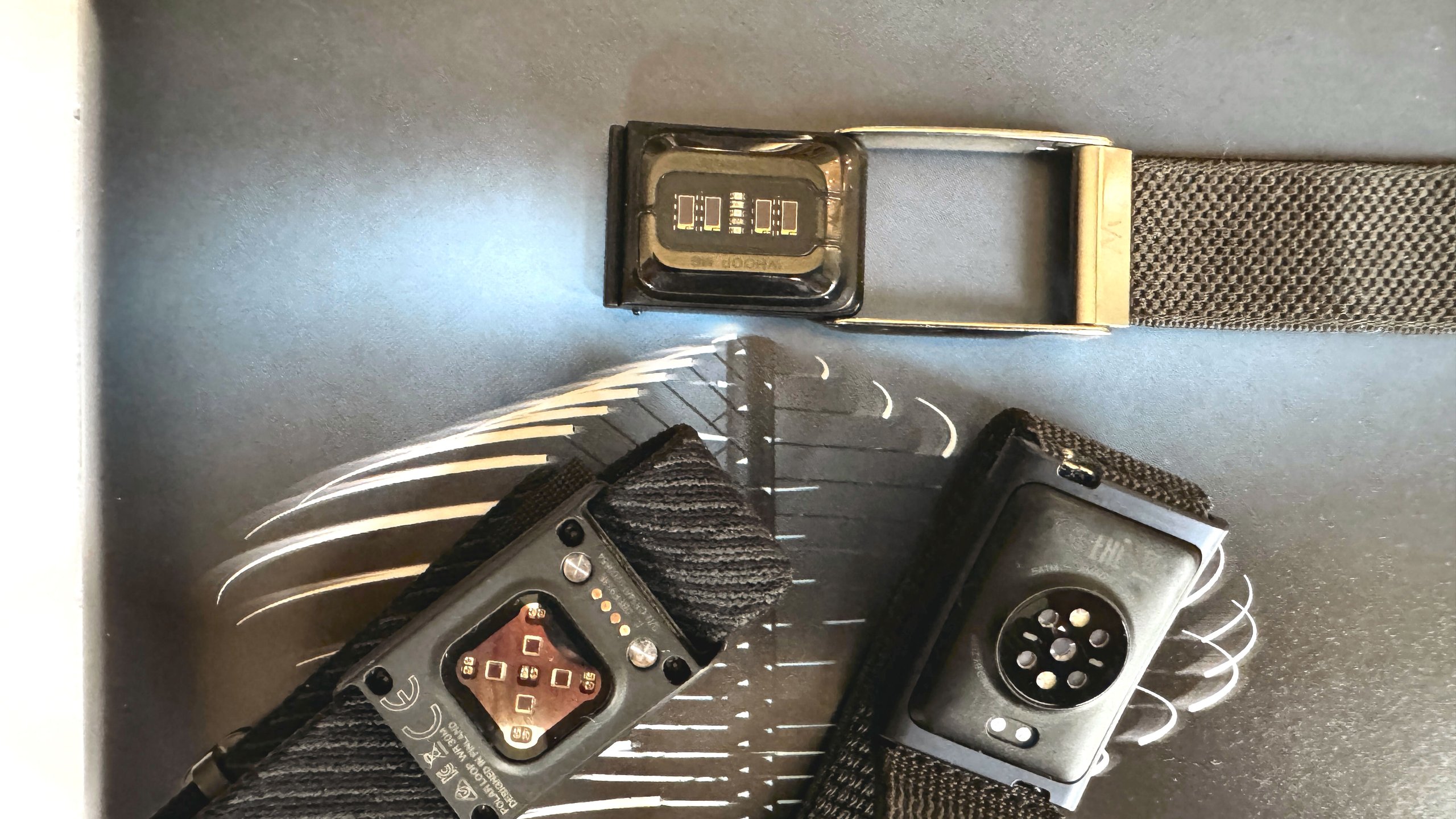
Apple is reportedly developing a screenless fitness band to rival Whoop. The story has been widely reported and leaked since 22 September, and some broader analysis has become confused about what the band is for. Apple’s motive is simple. As far as the relationship to Apple Watch is concerned, it wants the band to be a good companion and, by design, a poor substitute.
What has been reported
I won’t dwell on this, but here are the key facts supporting the article.
- The prototypes have a thin fabric band and a sensor-equipped computing module, with no screen (MacRumors).
- The project is in an early phase that Apple calls a technology investigation, and Apple has not decided whether to release it (9to5Mac).
- A launch would come in 2028 at the earliest (9to5Mac).
- Tim Cook and Eddy Cue have shown particular interest, and Cue has led Apple’s health work since late 2025 (MacDailyNews).
- Apple is also working on a major Apple Watch redesign, due as early as late 2027 (9to5Mac).
- Garmin shares fell by as much as 2.5 per cent after the report (MacDailyNews).
Why Eddy Cue comes into this
Cue is Apple’s services chief, and he has pushed the company towards wearables with simpler interfaces, like Whoop and the Oura Ring. I read a services chief running a wearable project as a subscription strategy first and a hardware strategy second. Apple has been working on Health+, an AI coaching service. It was reported as scrapped, but code in an iOS 26.4 beta suggests a delay instead. It seems to be happening.
A band with no display depends on software for its value, and I expect Health+ to be where that value sits.
Whoop is only one target
In July I argued that the screenless bands currently on sale are Whoop annoyers, not Whoop killers, and that Apple was the one company that could change that. Apple’s market position and its overlap with the typical Whoop customer are why only Apple could be the mythical Whoop killer that the tech press loves to talk about.
Apple isn’t in business to kill Whoop, though. That would be a side effect. Here are the real goals.
- Contribute to increased subscription revenues
- Provide additional hardware revenue
- Increase time spent with Apple’s products and services, and reliance upon them
Alongside the goals sit two dangers, which partly explain why the share price dropped after the original leak. Apple will want to avoid both.
- Cannibalising Apple Watch sales
- Falling behind, again, as every competitor offers a screen-free band
Every decision below follows from those five points. The band has to add revenue and reliance without giving anyone a reason to skip the Watch.
The bands from Garmin, Google, Amazfit and Polar take customers Whoop was going to lose anyway. Apple would take the ones Whoop wants to keep, because its customers already include Whoop’s typical buyer: affluent, health-conscious and untroubled by price. That band is now in prototype, and a leaked Huawei survey points to a rival from that side as well. Every phone and sports tech platform will have considered competing with Whoop at some point.
The companion role still threatens Whoop. A 9to5Mac writer who used Whoop for six months kept wearing his Apple Watch to start workouts. A band that logs sleep and heart rate straight into Apple Health removes the reason to pay for a second platform – the Watch.
What the band probably includes
This is my expectation, based on what Apple already sells and on the goals above.
- Readiness-grade sampling, most likely with the current Apple Watch optical system rather than an older one. The companion buyer sleeps in the band rather than the Watch, so the band’s one essential job is overnight data good enough for the Readiness score, and Apple says that score depends on the Health Sensing System in Series 12 and Ultra 4. An older sensor would defeat the purpose. Apple saves cost elsewhere: no display, no GPS, no cellular, no ECG electrodes and no payment chip.
- HRV sampling runs all night. Series 12 samples HRV up to 24 times more often than earlier watches, and a band with no display has the battery headroom to do the same without compromise.
- Battery life runs to between five and ten days. Whoop quotes up to 14 days for the Whoop 5.0, and Garmin quotes up to 10 days for CIRQA.
- Find My support is very likely.
- A tap gesture starts and stops workouts, with automatic detection as an alternative. CIRQA’s single button and status LED already work this way. I would expect Apple to use a tap rather than a button, because it is more elegant than Garmin’s solution and one less moving part to fail.
- Heart rate goes to Apple Watch as an external sensor only via GymKit. Open Bluetooth broadcast to Garmin and Wahoo computers is the one athlete feature I would bet against.
- A wristband as standard, with a premium optional biceps band.
It may be possible to use the older sensor but increase its sampling rate with software without too big a battery hit. Apple could decide to broadcast HR as a way to lure owners of competing fitness devices away from their other ecosystems. I don’t think either of these will happen, though.
What do you think?
Free tracking, paid coaching
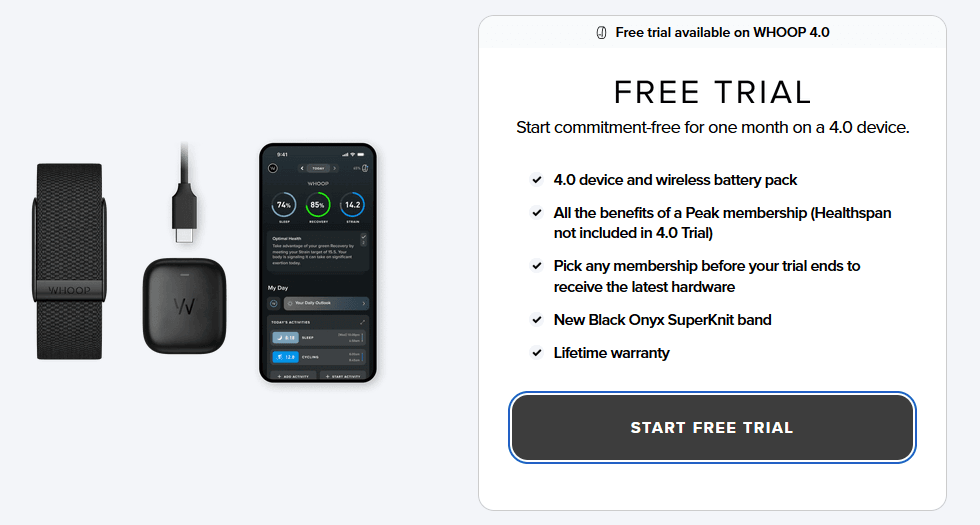
I expect core tracking to be free, a Health+ tier on top, and the band priced around $200. If Health+ never arrives, I would expect a higher price of about $250, level with the Apple Watch SE 3. That would put it well above Fitbit Air at $99.99 with no subscription required, and level with CIRQA at $199.99 / £179.99 with no compulsory subscription. It would also make Whoop’s $199 to $359 a year look expensive to anyone already using Apple Health.
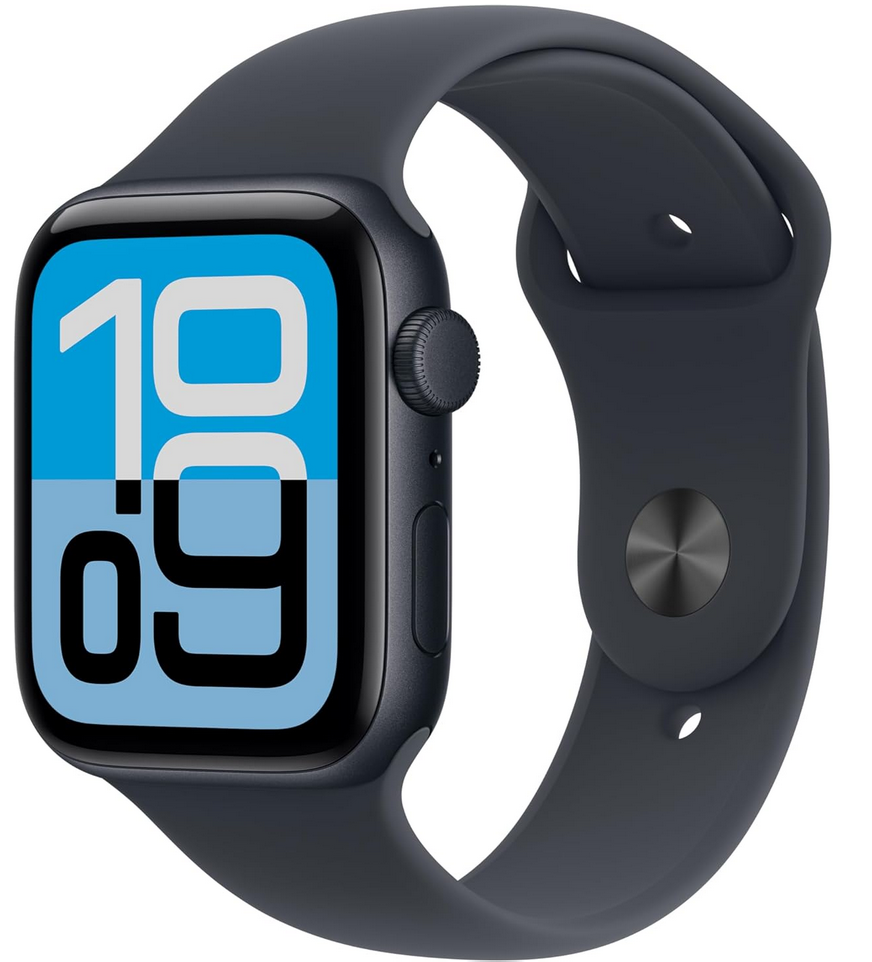
Price doesn’t protect the Watch. A $200 band undercuts the SE 3 either way. What protects the Watch is what the band cannot do, which is the subject of the next section.
Fitbit prices Air cheaply because it wants to train its AI models on your data. Apple won’t do that, so the incentive is direct revenue rather than building a knowledge base.
What Apple will hold back
Apple’s pattern here is to withhold device capabilities, not data quality. Apple Pay, Express Transit, Car Key, and Home Key are why many people wear an Apple Watch all day. Apple already ships all four, and security could work as it does on the Watch, where the device locks when removed from the wrist and unlocks via a nearby iPhone. Leaving them off the band is a commercial choice. Payments and keys on a cheaper band would let buyers who want payments and fitness skip the Watch.
Recovery scoring follows the same logic, but with a twist.
The band cannot leave the Readiness score to the Watch, because the companion buyer takes the Watch off at night and the score is built from sleep and overnight vitals. The band has to feed Readiness, so the sensor must support it. What Apple can do instead is gate the score. I expect Readiness, Health Age and the Vitals analysis to unlock for band data only when the band is paired with a Series 12, Ultra 4 or later Watch, or when the owner subscribes to Health+. A band on its own would give Fitbit Air-level basics: sleep, heart rate and workouts in Apple Health, without the scored layer. That single gate serves every goal above. It sells Watches, it sells subscriptions, and it makes the band useless as a substitute.
Who should wait for it
I expect an activity tracker first, with features that suit athletes: a biceps heart rate sensor for the Apple Watch, Readiness-grade sleep data on the nights you leave the Watch on charge, and a battery that lasts the week. CIRQA already does much of that. In my testing, its biceps heart rate was as accurate as a chest strap, but it didn’t reliably save the workouts it recorded, and I went back to a Polar Verity Sense. A biceps band that saves every workout to Apple Health would fix that for Apple Watch owners. Anyone who trains on a Garmin or Wahoo computer and wants the band as a heart rate source should assume it will not broadcast to them.
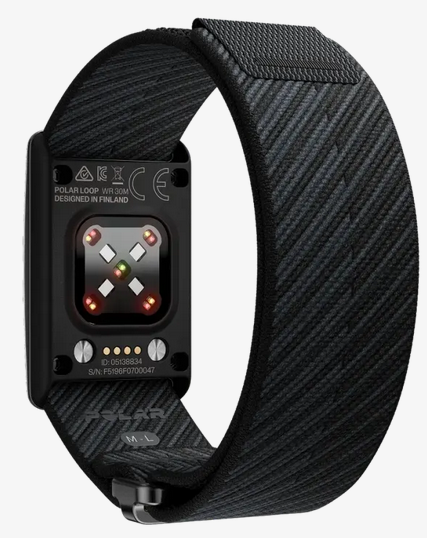
iPhone owners who already wear an Apple Watch and want a biceps sensor and a night tracker in one device have the most to gain. Anyone who needs a band before 2028 can buy CIRQA, Fitbit Air, Amazfit Helio Strap or Polar Loop today.
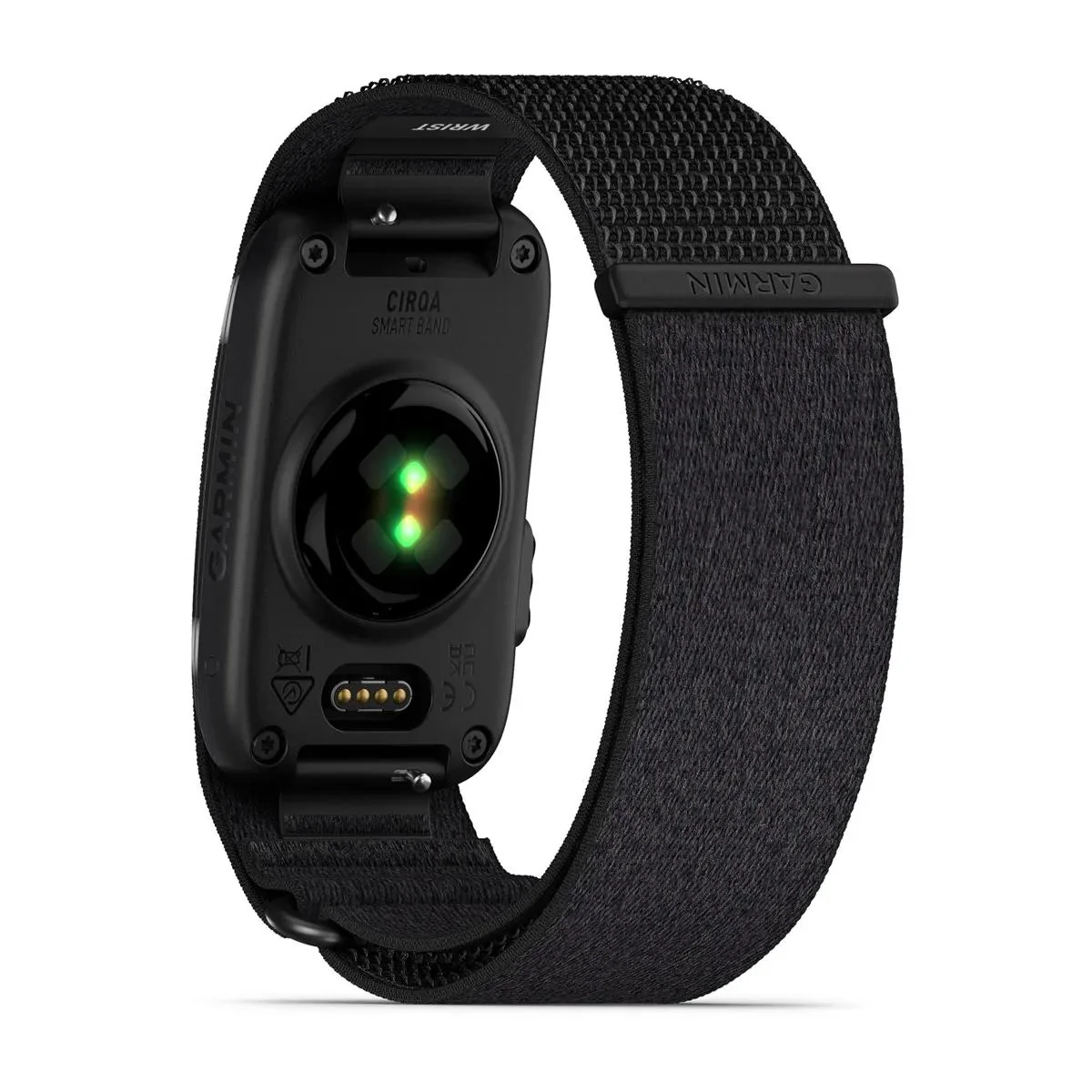
Garmin CIRQA Smart Band
Screenless health and fitness band (no subscription required)
 +other retailers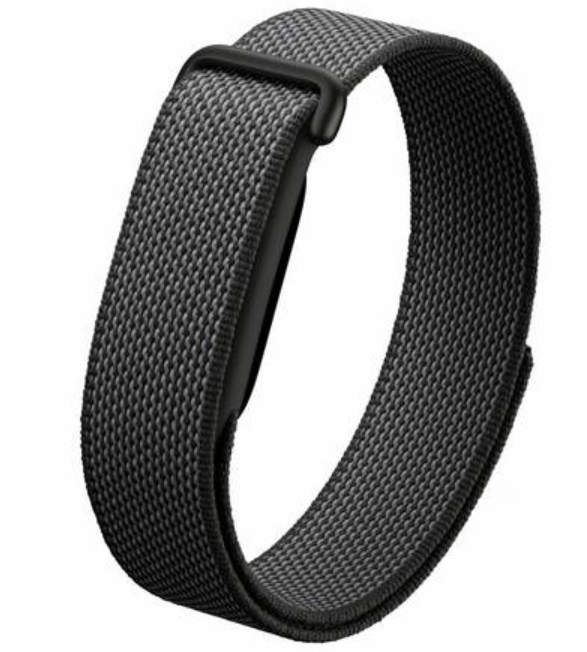
Apple has not decided whether to ship the band, and 2028 is the earliest it could arrive. If it does ship, expect a good companion to the Apple Watch and, by design, a poor substitute. Whoop’s customers are the side effect most exposed.
Quick answers
Is Apple making a Whoop competitor?
Apple is reportedly developing a screenless health and fitness band with a fabric strap and a sensor module. Apple has not confirmed the project and has not decided whether to release it.
When will Apple's screenless band launch?
Not before 2028, according to the report, and only if Apple decides to release it. The project is currently in a technology investigation phase.
Would an Apple band replace the Apple Watch?
I expect not. Apple has every incentive to keep payments and keys on the Watch, and to unlock the band’s Readiness score only for owners of a current Watch or Health+ subscribers.
How much does Whoop cost per year?
Whoop membership runs from $199 to $359 a year depending on tier, and the hardware is included with the subscription rather than sold outright.
What does the Apple Watch Series 12 Readiness score do?
It scores you from 0 to 10 each morning, based on recent activity, training load, vitals and sleep, using the new Health Sensing System in Series 12 and Ultra 4. Older Apple Watch models cannot run it.
Last Updated on 28 September 2026 by the5krunner
Small things I always use
- Garmin 90-degree charging adapter: Charges your Garmin from any USB-C cable. Essential when travelling. I use one.
- Body Glide: The blue anti-chafe stick swimmers and runners carry. I use it.
- Speedo earplugs: Fewer ear infections and no cold-water dizziness. I use them.
- Maurten: Race fuel that stays easy on the stomach. I use them.
- Garmin charging puck: The quickest way to top up before a session. I use one.
- Injinji: Toe socks that stop rubbing, so you run more. I use them.
- Cellucor C4: My pre-workout before hard sessions.
- TPU tubes: Schwalbe Aerothan, Tubolito and Pirelli SmarTube. Light, tiny spares. I use all three.
Watches and sensors
- Polar H10: My daily driver for waking HRV.
- Polar Verity Sense: My backup arm-worn HR sensor.
- Nomad bedside charger: Charges my iPhone and Apple Watch overnight. I use it, and many of their bands.
- Train.Red: The best muscle oxygen sensor I’ve used.
- Garmin Forerunner 970: A pro-grade triathlon watch. I use this.
- Apple Watch Ultra 4: My daily smartwatch. No phone needed on rides.
- Garmin Fenix 9 Pro: I’ve just bought one.
On the bike
- Continental GP5000 for everyday riding, and Aero 111 on the front for special occasions.
- Ravemen FR300: A front light that mounts under your Garmin or Wahoo. I use one.
- Wahoo TRACKR Radar: I use it on one bike and Varia on the other. They perform the same.
- Garmin Varia RTL515: Radar that warns you of cars from behind. I use this model.
- Wahoo ELEMNT Roam 3: The bike computer that’s easy to use. I use mine on most rides.
- Favero Assioma Pro RS2: Accurate power pedals that swap easily between bikes. I use this model.
Home and indoor training
- Google Wifi: Keeps Zwift connected in my pain cave. I use it.
- Apple TV 4K: Zwift on the big screen. I use two.
- Google Nest Doorbell (wired, 2nd gen): My video doorbell, running in both Google Home and Apple Home. I use it.
Health, recovery and sleep
- FreeStyle Libre 3 Plus: Shows how my blood sugar responds to diet.
- hDrop: Measures my sweat loss in summer and indoors.
- Fourth Frontier Zone: Checks my heart under load in hard sessions.
- Oura Ring 5: My partner’s recovery tracker of choice.
- Kineon MOVE+: Red light therapy for niggles. It works.
- Eight Sleep: A cooling mattress cover my partner and I use nightly.
Reader-Powered Content
This content is not sponsored. It’s mostly me behind the labour of love, which is this site, and I appreciate everyone who supports it.
Support the site: Follow (free, fewer ads) · Subscribe (paid, ad-free) · Buy Me A Coffee ❤️
Written by real people, with AI assistance. Fact-checked and verified for originality. See the Editorial Policy. FTC: Affiliate Disclosure — some links pay commission. As an Amazon Associate, I earn from qualifying purchases.
tfk is the founder and author of the5krunner, an independent endurance sports technology publication. With 20 years of hands-on testing of GPS watches and wearables, and competing in triathlons at an international age-group level, tfk provides in-depth expert analysis of fitness technology for serious athletes and endurance sport competitors. ID
