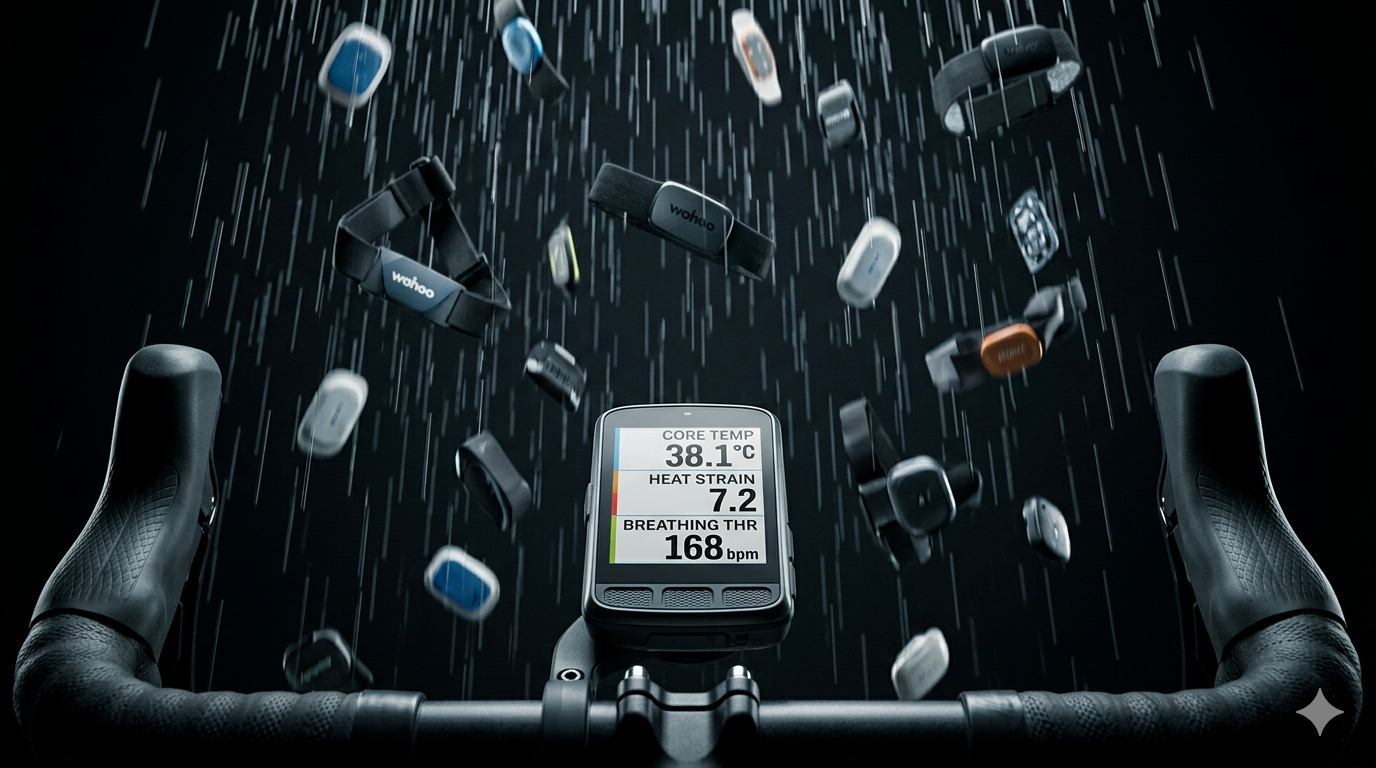
Wahoo ELEMNT Now Supports CORE, FLOWBIO, hDrop and Tymewear Sensors
Wahoo just made a serious statement about who it is tailoring its products for. Detailed support for four new physiological sensors is natively added to the ELEMNT ACE, ROAM 3, and BOLT 3, putting the data World Tour teams and PTO triathletes train with onto your screen alongside power and heart rate, i.e. core temperature, sweat loss, and breathing thresholds.
CORE, FLOWBIO, hDrop, and Tymewear will go live in the next few days.
What each sensor does
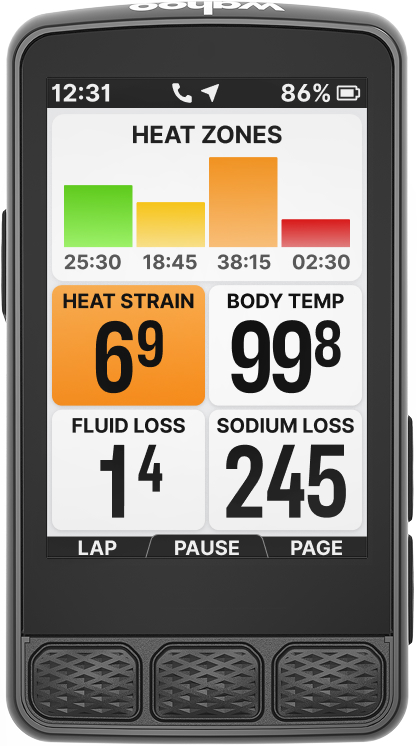
With CORE, riders see core body temperature, skin temperature, and Heat Strain Index live on screen. I reviewed the CORE 2 and found the data interesting and actionable, though the heat training itself was hard for me to execute consistently over a training block.
Performance gains from sustained heat adaptation are real: increased haemoglobin mass, expanded blood plasma volume, improved VO2max. The challenge is doing the sessions, rather than understanding the data. Wahoo added a basic CORE temperature display back in 2023; the 2026 update adds the Heat Strain Index and Heat Zone data previously only in Core’s own ecosystem, making the sensor useful for guided heat training rather than just showing a number.
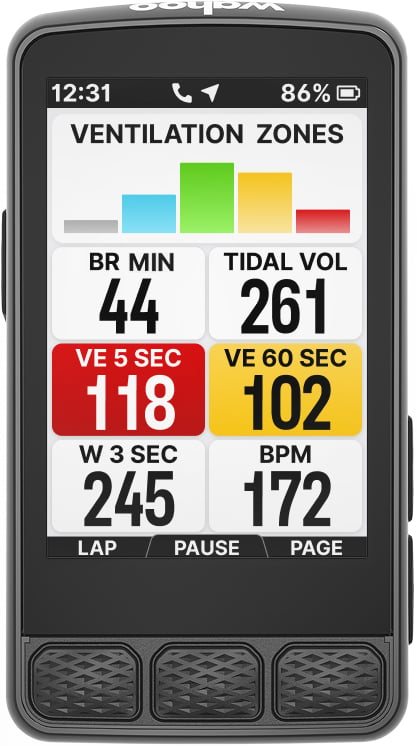
Tymewear’s VitalPro continuously measures breathing rate and shows the moment you cross VT1 and VT2 in real time on the bars. I tested it on and off over several months and largely trusted what it showed. The response and usefulness sit somewhere between power and heart rate, i.e. faster than HR to reflect changes in effort, but slower than power. Its value is most direct for riders whose training has been built around generic zones; breathing-based thresholds are physiologically distinct and, for some athletes, produce a meaningfully different picture of where the real limits are.
For my own riding so far, the data has been interesting rather than transformative, and I hope that will change as I use it more conscientiously. Tymewear’s claim that threshold-based training delivers more than double the fitness gains of standard zones comes from their own research – plausible but, well, a manufacturer’s claim. At the time I reviewed the VitalPro, Wahoo support was not yet live. It is now.
FLOWBIO continuously measures fluid and sodium loss and is worn on the upper arm or clipped to a heart rate chest strap. It feeds into a hydration platform covering pre-ride planning, in-ride adjustments, and post-session recovery. Accuracy has been independently validated to a decent level, and World Tour teams use the sensor.
hDrop covers similar ground by analysing sweat composition, turning electrolyte data into hydration guidance.
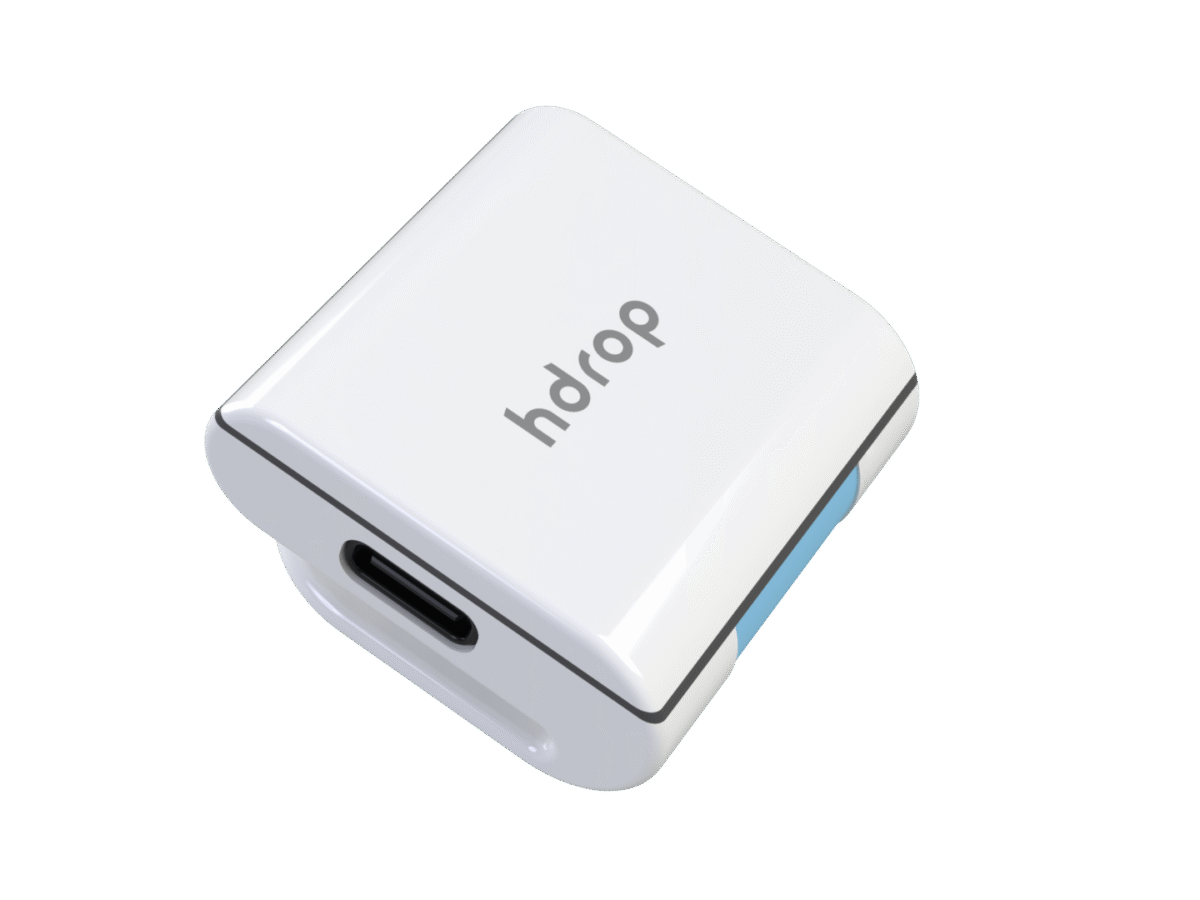
hDrop Sweat and Sodium Sensor
Garmin and Wahoo compatible
 +other retailers
I met with FLOWBIO during the prototype stages several years ago and have followed the product since then. I don’t know much about hDrop. I’ll have a crack at reviewing these two this summer.
The bigger picture: Wahoo and the sensor arms race
I recently wrote about the Coros-Wahoo partnership and noted, as I have many times before, that neither brand has a meaningful on-device third-party app ecosystem, which is a strategic weakness. On the other side of the battle, Garmin’s Connect IQ and Hammerhead’s developer tools let third parties freely add sensor support.
Wahoo already supports muscle oxygen via Train Red and Moxy, added in 2023. That category is about to get crowded. Garmin has trademarked Muscle Battery, and Whoop has a patent on a muscle oxygen sensor. When Garmin ships branded SmO2 hardware, Wahoo may need another manual tweak to accommodate anything Garmin introduces outside the SmO2 ANT profile.
The watch question
Sources indicate Wahoo has been in discussions with Coros for over two years about Coros producing a watch under the Wahoo brand. The recently announced partnership covering data sync, treadmill integration, and hardware reselling may reflect a different preferred route, despite Wahoo’s earlier denials of considering a branded watch to succeed the Rival.

Prices
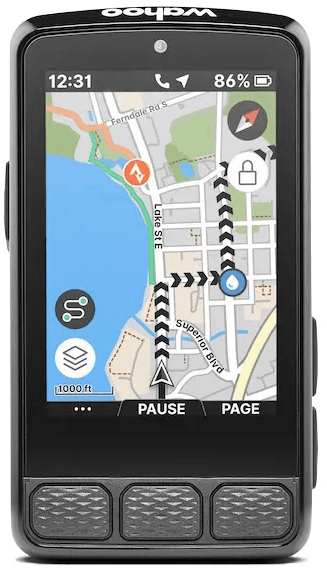
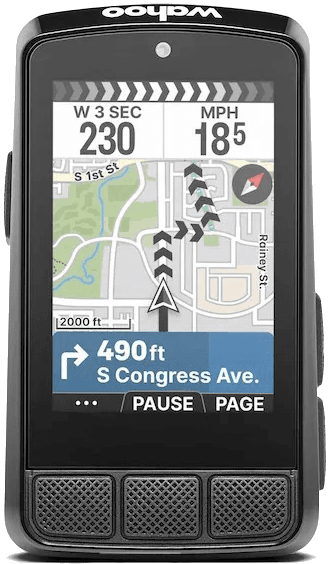
The update applies to all ELEMNT ACE, ROAM 3, and BOLT 3 owners. ELEMNT BOLT 3 is USD $349.99 / £299.99 / €329.99. ELEMNT ROAM 3 is USD $464.99 / £399.99 / €449.99. ELEMNT ACE is USD $499.99 / £449.99 / €479.99.
The sensors are not cheap. CORE 2 is approximately £221. Tymewear VitalPro is £299. FLOWBIO and hDrop pricing varies by region. These are tools for athletes already spending seriously on performance data, not additions to a basic setup.
Also in this update
- FIT file access via USB is back on Series 3, but must be switched on manually in the Wahoo app, and only covers rides recorded after it is enabled
- Komoot Live Sync now works on ELEMNT Series 3, pushing route updates to the head unit mid-ride without needing a Wi-Fi connection.
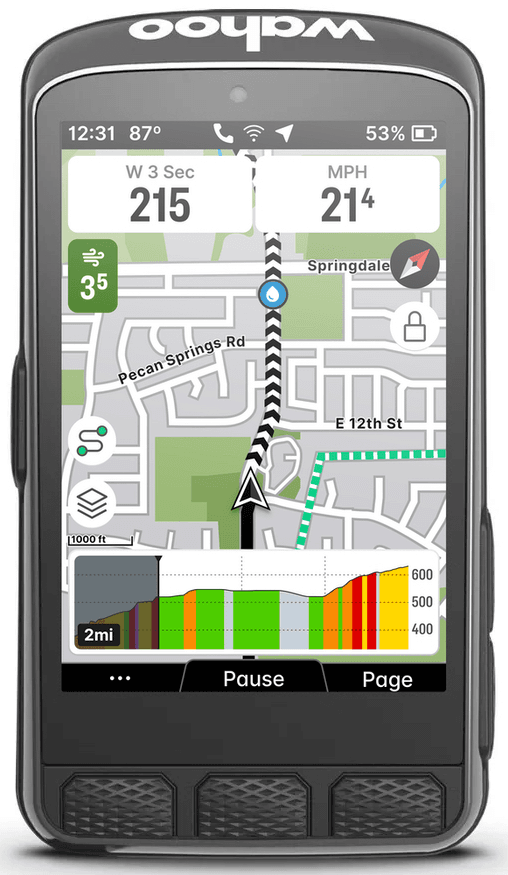
- The ELEMNT ACE gains a wind metrics page that uses its onboard air pressure sensor to show wind impact and an estimated wind-adjusted grade in real time — ACE only.
- KICKR HEADWIND receives its first update in over eight years, adding Bluetooth support for power meters, smart trainers, CORE body temperature, and KICKR Run, with the fan responding to whichever connected sensor is driving the highest reading
Update, 24 June 2026: Wahoo released a follow-up firmware (WG77-302543) fixing a bug that left the ELEMNT unresponsive to SRAM AXS shifter bonus buttons and Blip control.
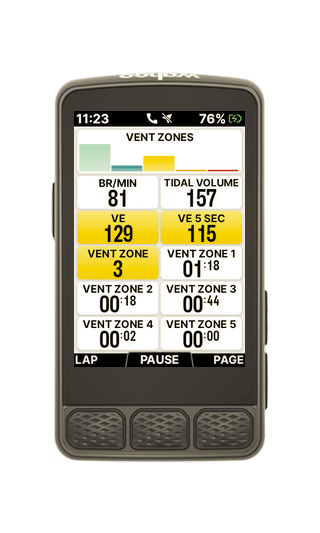
Update, 28 July 2026: Firmware WG77-302661 adds ventilation training zones for Tymewear VitalPro users across ELEMNT ACE, BOLT 3, and ROAM 3, and requires Wahoo app version 6.89.0 or later. The threshold test itself is not new — it has been available in the Tymewear app since launch. What this firmware adds is the on-device display: the ELEMNT now shows the current ventilation zone with a colour-coded background, alongside fields for breathing rate, tidal volume, minute ventilation, and time in each zone. A post-ride zone graph is also now present on the ELEMNT, and respiration data is written to the FIT file and syncs to the Tymewear app for further analysis. Both the missing zone display and the missing post-ride summary were flagged in this site’s VitalPro review. The Wahoo app’s own activity history still carries no ventilation zone reporting.
FLOWBIO and hDrop are inbound for testing. For the CORE 2 review, the Tymewear VitalPro review, the Coros-Wahoo partnership analysis, and the muscle oxygen landscape, see the linked articles, and for GPLama’s video, check here.
Last Updated on 3 October 2026 by tfk the5krunner
Small things I always use
- Garmin 90-degree charging adapter: Charges your Garmin from any USB-C cable. Essential when travelling. I use one.
- Body Glide: The blue anti-chafe stick swimmers and runners carry. I use it.
- Speedo earplugs: Fewer ear infections and no cold-water dizziness. I use them.
- Dryrobe Advance: My winter changing robe for open-water swims. I use one. A cheaper option is the AONYIYI changing robe.
- Maurten: Race fuel that stays easy on the stomach. I use them.
- Beet It Sport nitrate shots: Beetroot shots I take in the days before a race. I use them.
- Garmin charging puck: The quickest way to top up before a session. I use one.
- Injinji: Toe socks that stop rubbing, so you run more. I use them.
- Ultimate toe protectors: Stop black toenails on long runs. They work. I use them.
- Compressport R2 v2 calf sleeves: My calf sleeves of choice. I use them.
- Cellucor C4: My pre-workout before hard sessions.
- TPU tubes: Schwalbe Aerothan, Tubolito and Pirelli SmarTube. Light, tiny spares. I use all three.
- G8 insoles: Adjustable insoles that are good. I use them.
- Cycplus Cube: A 97g electric pump that gets a road tyre rideable in two minutes. I carry one. 5% off with code THE5KRUNNER.
Watches and sensors
- Polar H10: My daily driver for waking HRV.
- Polar Verity Sense: My backup arm-worn HR sensor.
- Nomad bedside charger: Charges my iPhone and Apple Watch overnight. I use it, and many of their bands.
- Train.Red: The best muscle oxygen sensor I’ve used.
- Tymewear: Accurate heart rate and reliable ventilatory zones. I use it to pace endurance rides over an hour.
- Garmin Forerunner 970: A pro-grade triathlon watch. I use this.
- Apple Watch Ultra 4: My daily smartwatch. No phone needed on rides.
- Garmin Fenix 9 Pro: I’ve just bought one.
On the bike
- Continental GP5000 for everyday riding, and Aero 111 on the front for special occasions.
- Helmets: Specialized S-Works Evade 3 for road riding, and Rudy Project Wing for TT-style races. I use both.
- Ravemen FR300: A front light that mounts under your Garmin or Wahoo. I use one.
- Wahoo TRACKR Radar: I use it on one bike and Varia on the other. They perform the same.
- Garmin Varia RTL515: Radar that warns you of cars from behind. I use this model.
- Wahoo ELEMNT Roam 3: The bike computer that’s easy to use. I use mine on most rides.
- Favero Assioma Pro RS2: Accurate power pedals that swap easily between bikes. I use this model.
Home and indoor training
- NPE Runn: Makes my basic treadmill smart, sending more accurate speed and distance to my watch and Zwift. I use it.
- Google Wifi: Keeps Zwift connected in my pain cave. I use it.
- Apple TV 4K: Zwift on the big screen. I use two.
- Google Nest Doorbell (wired, 2nd gen): My video doorbell, running in both Google Home and Apple Home. I use it.
Health, recovery and sleep
- FreeStyle Libre 3 Plus: Shows how my blood sugar responds to diet.
- hDrop: Measures my sweat loss in summer and indoors.
- Fourth Frontier Zone: Checks my heart under load in hard sessions.
- Oura Ring 5: My partner’s recovery tracker of choice.
- Eight Sleep: A cooling mattress cover my partner and I use nightly.
Reader-Powered Content

This content is not sponsored. It’s mostly me behind the labour of love, which is this site, and I appreciate everyone who supports it.
Support the site: Follow (free, fewer ads) · Subscribe (paid, ad-free) · Buy Me A Coffee
Written by real people, with AI assistance. Fact-checked and verified for originality. See the Editorial Policy. FTC: Affiliate Disclosure — some links pay commission. As an Amazon Associate, I earn from qualifying purchases.
tfk is the founder and author of the5krunner, an independent endurance sports technology publication. With 20 years of hands-on testing of GPS watches and wearables, and competing in triathlons at an international age-group level, tfk provides in-depth expert analysis of fitness technology for serious athletes and endurance sport competitors. See the gear tfk uses. ID
