Best Triathlon Watch – one clear winner – Garmin. But which one is best for you? [2026]

Which Is The Best Triathlon Watch for 2026?

The Best all-around Triathlon Watch for February 2026 is the Garmin Forerunner 970; it’s the clear winner, boasting every tri-feature.

Updated 23 Feb 2026

Yes, there are better value options for specific needs, such as those with thin wrists, great aesthetics (non-Garmin), and maximum battery life. But that’s about it. Anyone who can afford it should get the 970. You can read my review, which is super-highly critical, so there are no Garmin fanboys and fangirls here. The simple truth is that it is the best tri watch.

If the price is a significant constraint, much older watches, such as the Garmin Fenix 5s Plus, Wahoo RIVAL, or Forerunner 935, offer the same core triathlon features, but at considerably lower prices. The Forerunner 570 (constrained 2026 features) or 965 (previous-gen model) offers similar niche features to the FR970, but for less money. The Garmin Forerunner guide covers all five active models and how they compare in hardware, software and price.

If you have tighter budget constraints and are intrigued by running with power, the Suunto Race S, Polar Vantage M3 or Coros Pace 3 will be more to your liking. Beware of second-hand GPS watches; their batteries will likely be significantly degraded. However, note that even a 7-year-old triathlon watch will still have the sports features you need for training and racing in 2026.

HEADS UP: I’m not a Garmin ambassador. I buy my Garmin gear with my own money and have no links with the company. I’ve competed in international Age Group Triathlons and Duathlons for close to 20 years, I won a national championship, placed top 5 in a World Triathlon Age Group final, and I love my sports tech! To help support genuinely independent content, please buy through one of the links here, or if you just liked the read, please BuyMeACoffee.com (double espresso, please).

When you add preferences such as music, maps, and thin wrists, there is a different Best Triathlon Watch for each kind of triathlete. It’s NOT OBVIOUS which is the best triathlon watch for everyone (you!). So, I’ll separately cover ALL TYPES of triathletes, and I’m sure you fit into one or more of those categories. This article aims to help you make an informed decision, rather than convince you to buy what I did.

Definition: A triathlon Watch has a single mode that seamlessly records a swim followed by a bike and a run, with appropriate data displayed for each.

Counter Point: Any waterproof sports watch will record a triathlon with a few extra button presses.

Each category below includes a link to my detailed reviews of every single tri-watch, my recommendations, and the best prices from my partners in your country, like REI, Amazon, and Power Meter City.

I have trained with all of these watches at some point

Best Overall Triathlon Watch – Which is the Winner?

All things considered, the best overall triathlon watch is the Garmin Forerunner 970. It can do almost everything tri-related and more when you add smart features. At the time of writing, it has never been discounted, but you should be able to get $50 off in sales later in 2026, probably after the season has finished.

Sure, it’s expensive, and perhaps an AMOLED screen and QuickFit bands might be desirable, but you can live without those. Rest assured that virtually EVERY triathlon-related feature and kind of connectivity is included in the price. There are no nasty subscriptions to worry about yet, but they are on the way. To justify the price tag, there are also many smart features, including maps, contactless payments, voice control, and music. Plus, it will see you through to the cut-off time of an Ironman.

Garmin forerunner 970 Review ❌ all the cr*p bits ❌ a negative perspective

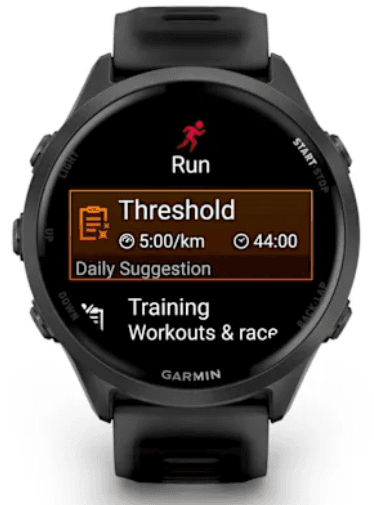
Triathlon Feature examples: proper custom multisport mode, FE-C trainer support, ANT+/BLE power meter support, running dynamics, STRYD support, daily workout suggestions, 3rd party plan support, complex structured workout execution support, custom interval mode, sufficiently rugged lightweight shell and battery life, every possible data metric on display, every key Firstbeat physiology insight, training peaks compatible, zwift compatible, strava compatible, i.e. fully triathlon compatible

Best Budget Triathlon Watch

The Best Budget Triathlon Watch is the Suunto RUN at below £200/Eu250

Sorry that you’ve never heard of it. You will be seriously amazed by this compact, easy-to-read watch’s wealth of techy features and connectivity. It has many features on a super-lightweight watch, and with a great app. It has one of those digital crowns on the side, which do not look great but DO offer extremely high levels of usability.

Buy: Suunto RUN here

Best Garmin Triathlon Watch

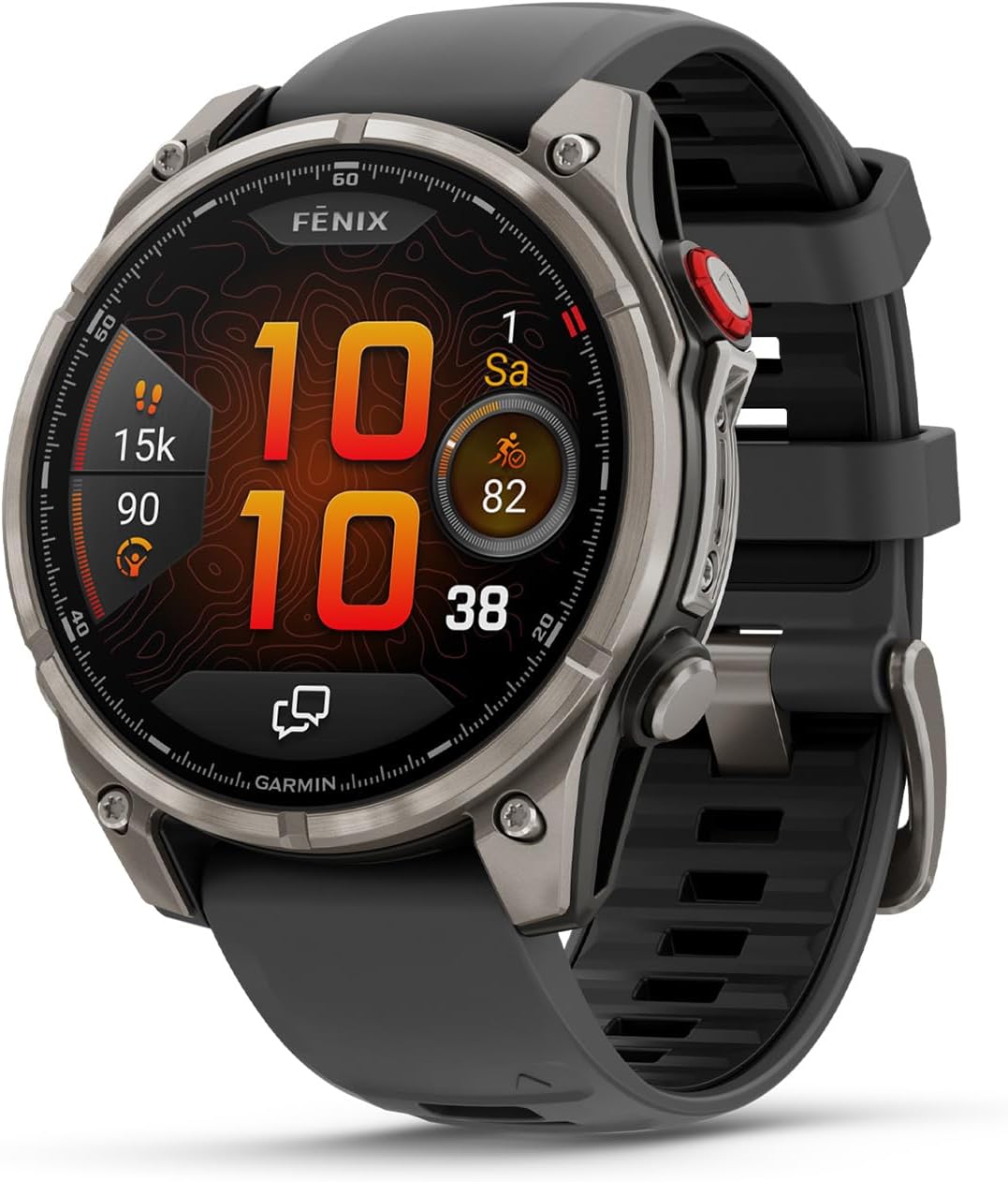
The absolute best Garmin Triathlon Watch is Forerunner 970 (2025 model) as it has all the Fenix 8 features including a pretty screen and end-to-end Triathlon training plan. Its major downside is the cost.

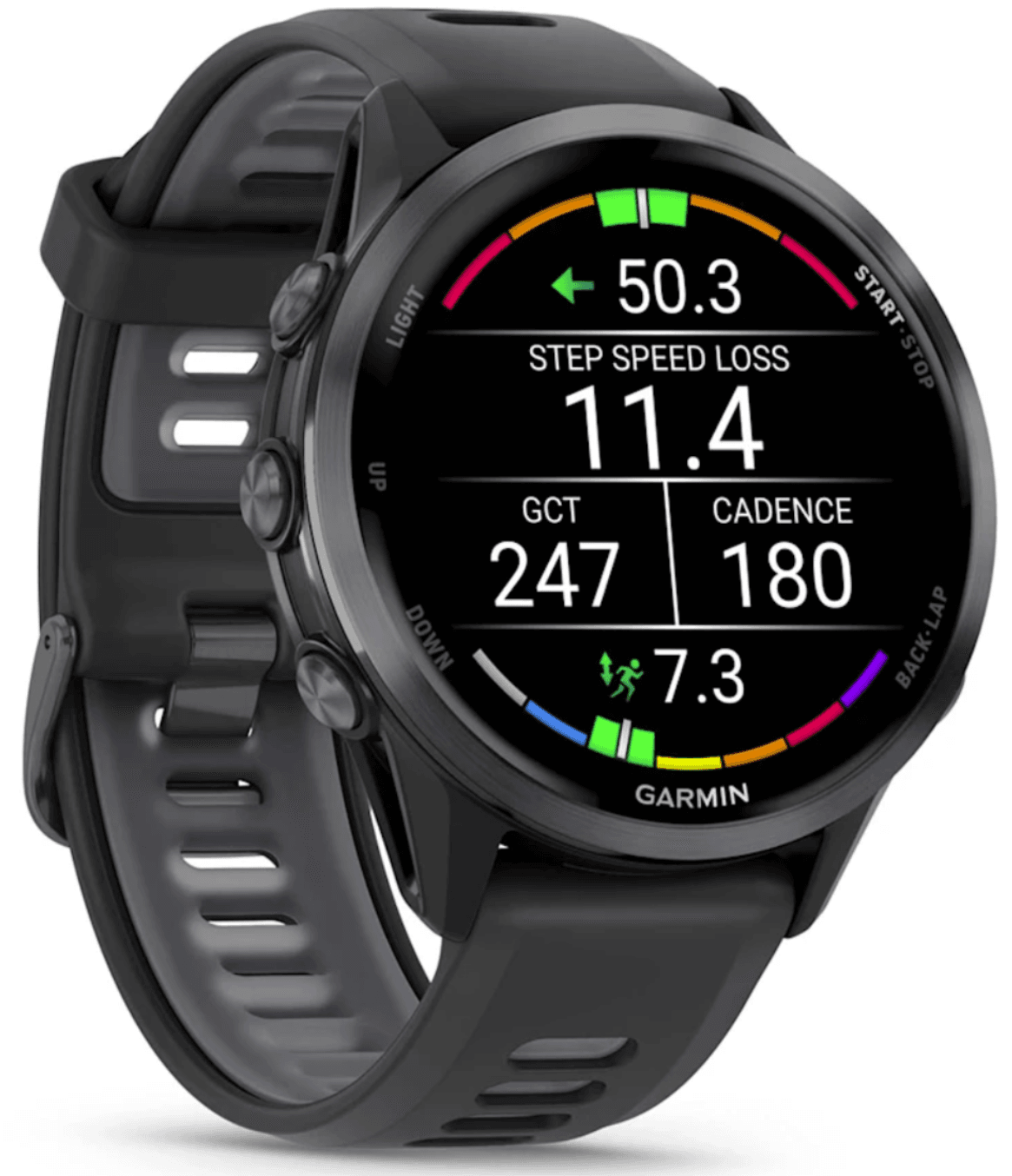
The FR970, FR570, FR965, and the Forerunner 955 have ALMOST EVERY CONCEIVABLE triathlon feature and a good battery to get you through two KONAs. You can follow training plans, link to TrainingPeaks or Strava, connect to obscure Muscle Oxygen sensors, Bluetooth, or ANT+ power meters, access numerous Firstbeat Physiological insights, utilise connected smartphone features, play music, and view maps.

However, the much older Garmin Forerunner 935 still represented the best bang for your buck even in 2026; turn off a battery-eating feature or two for your Ironman race, and all will be fine. I rebought a 935, which I now use solely as a back-pocket sports logger for Garmin Connect if I don’t have enough wrist room for my FR970. However, I prefer my Apple Watch for general smartwatch use (non-sports) throughout the day. (Must Read: Apple Watch Ultra 2 – Pointless – A Critical Review)

Best Triathlon Watch – by Price Band

Here are the best-of lists for each price category.

  • ‘Luxury’ Watch – MARQ ATHLETE 2 – requires an update; it is no longer recommended for this category.
  • Premium Price – Forerunner 970, or, for a better case, go for the Garmin Fenix 8 – you will be lucky to get this for below £850/$900.
  • Mid-Price – Garmin Forerunner 955 (965 adds a prettier screen), Suunto Race S is a fantastic value alternative. The lowest ever price is GBP280/$300 (do it!).
  • Low-Price – Best Suunto RUN: The Amazfit T-Rex 3 is a decent, budget-friendly tri-watch with many smart features, including music support; however, its onboard sensors require improvement. The lowest normal price is £ 236, but it is likely to be heavily discounted at times. For £ 236, I would spend a bit extra on the superior Suunto Race S.

Best Polar Triathlon Watch

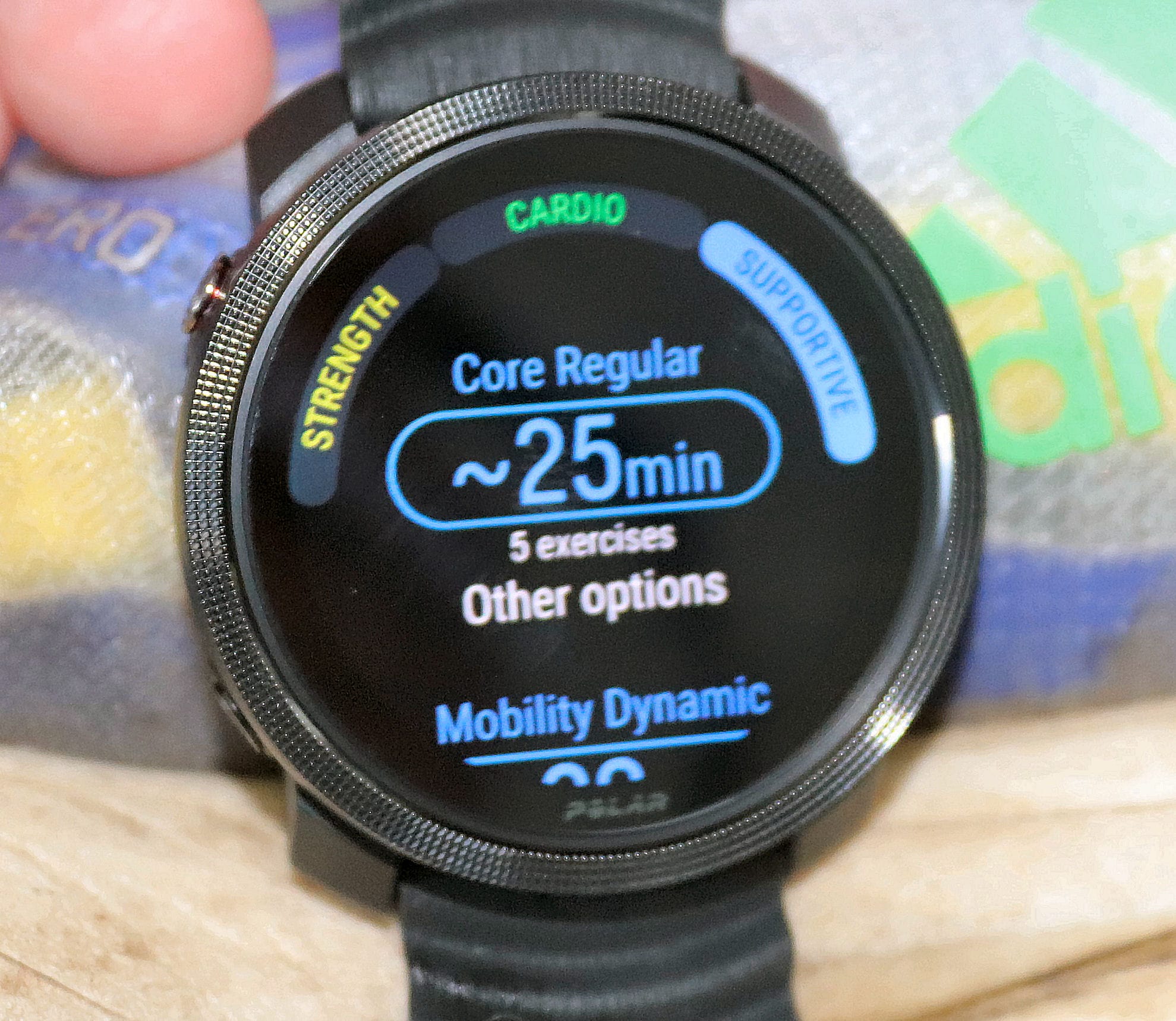
The Polar Vantage V3 features advanced structured workouts that support running power, making it the best Polar triathlon watch. Some athletes would trust its physiological feedback more than a Garmin, but I love the V3 for the quality of its case construction, the vivid AMOLED screen, and the overall aesthetic appeal of the design. The cheaper Polar Vantage M3 is almost as feature-rich but adds a degree of race-worthiness with its thin, lightweight construction; I’ve used these for racing. Polar’s FLOW platform is good; along with my partner, I prefer how it presents and summarises our activity data. Grit X2 Pro is similar to Vantage V3 but in a more durable case.

MY best Polar Triathlon Watch is the lighter Vantage M3.

Best Suunto Triathlon Watch

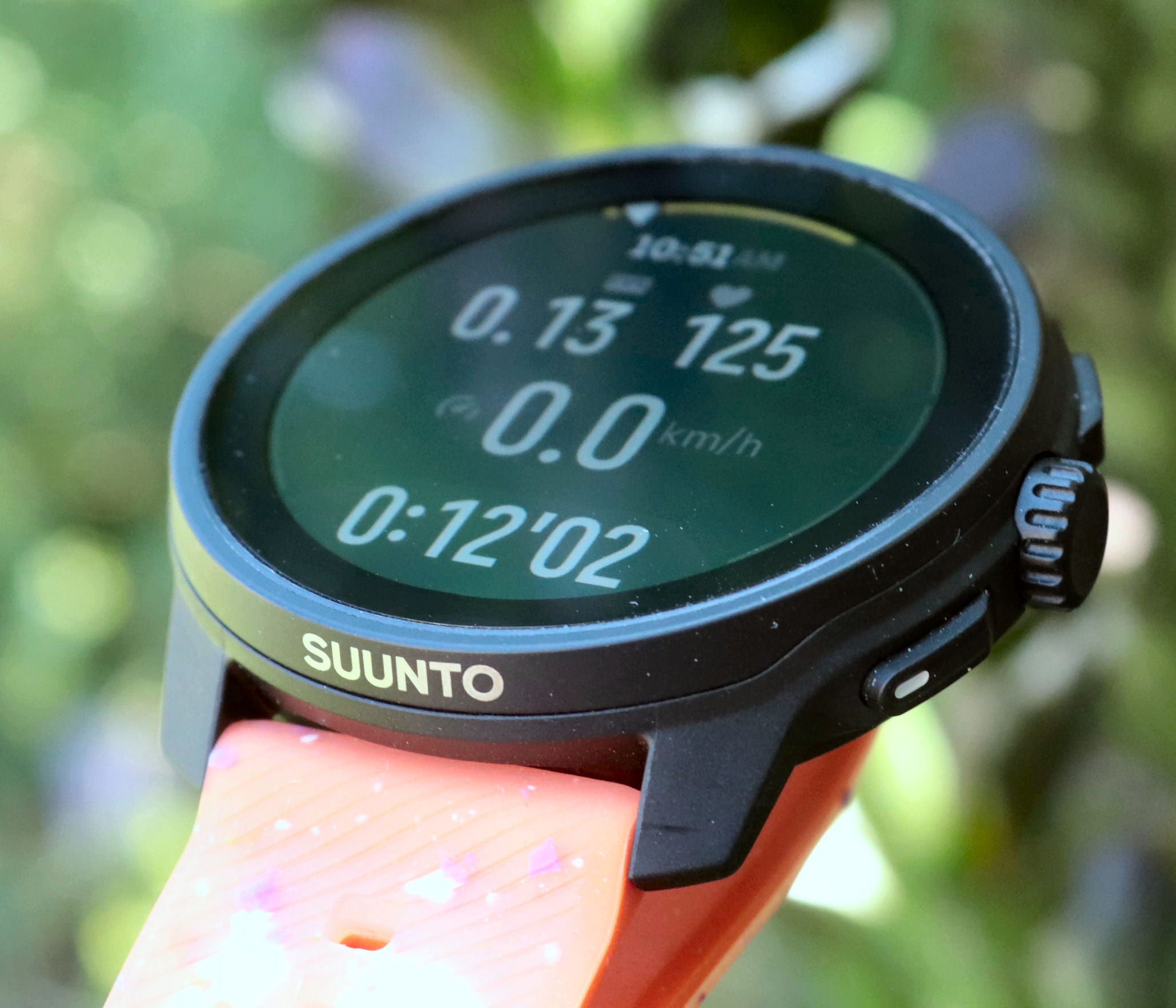
Suunto RACE S is an excellent triathlon watch. It looks beautiful and has a fantastic AMOLED touchscreen. It features good GPS, clever battery life management, and, like Garmin, a wide range of third-party apps, including Strava Relative Effort, TrainingPeaks integration, and unique automatic effort lap modes (hill, loop, sprint). Suunto watches are much easier to use than Garmin, with more streamlined menus; if you want a new, free feature, you download it – unlike Garmin, which comes pre-installed with many features you’ll never want or use, even if you could find them. Suunto’s free app is good, too – whereas Garmin will likely continue to add features behind its paywall.

The best Suunto Triathlon Watch is the Suunto RACE S.

Best Triathlon Watch – Which has the best optical Heart Rate?

There are many vagaries in OHR accuracy, including variations that differ from person to person and across environments and sports.

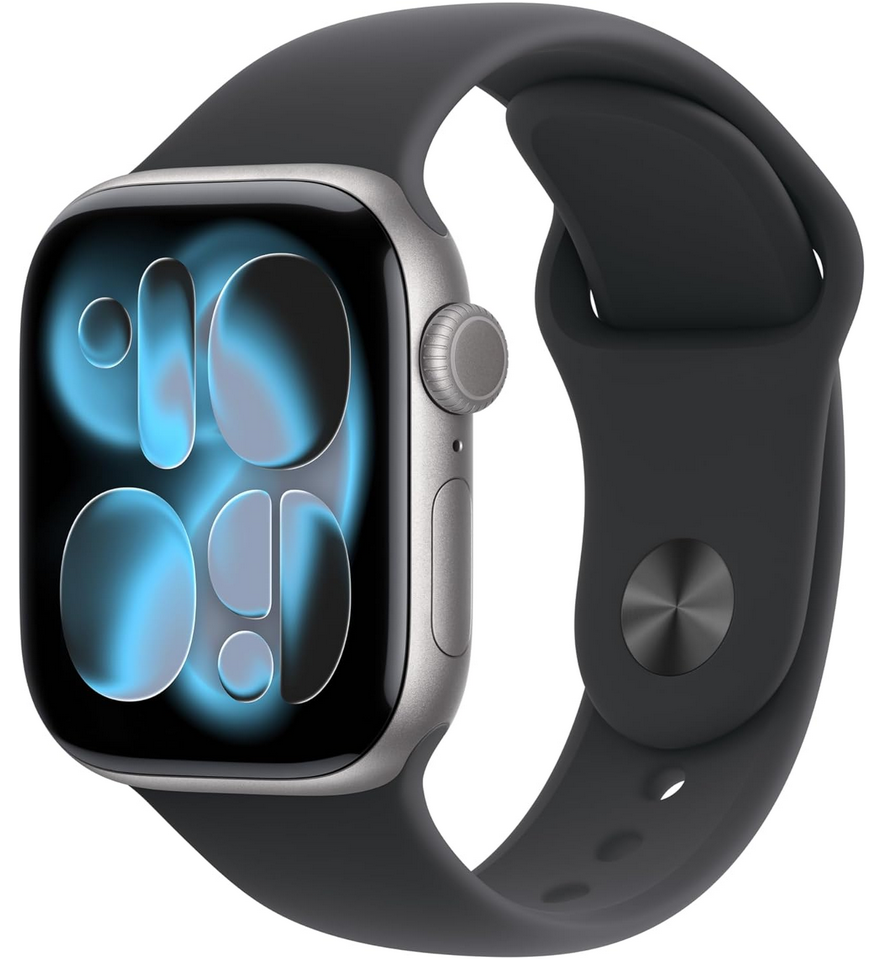
You will be surprised to know that the oHR sensor in the Apple Watch is the best I have experienced, followed closely by the Garmin Forerunner 965. I can’t trust any vendor to get this tech right for everyone; even Apple has days off. Get a chest strap!

The Best optical Heart Rate Monitor in a Triathlon Watch is the Apple Watch.

Best Multisport Watch – for Thin Wrists

See the newer Garmin Forerunner 265s or the Venu X1 if you have thin wrists. The Coros Pace 3 is also a thinner alternative and more budget-friendly. Both Garmin models come in small case sizes without sacrificing the core triathlon feature set.

Best Triathlon Watch – for Women

Most triathlon watches from the top brands are unisex. Garmin’s Venu series offers a more lifestyle-oriented design while retaining serious sports tracking. For triathlon-specific features, the Forerunner 970 and 570 both come in a single case size. The Forerunner 265s offered a smaller format. Polar’s Vantage M3 is notably lightweight and is regularly used by women athletes who prefer a less bulky case.

Best Triathlon Watch – for Techiness & Features

The most technically comprehensive triathlon watch is the Garmin Forerunner 970.

The FR970 offers the widest range of physiological insights, training metrics, and hardware sensors of any running-focused triathlon watch. Adding the Fenix 8 brings ruggedness and dive capability but the same core software feature set. The Garmin ecosystem’s depth in structured workouts, TrainingPeaks integration, and physiology metrics remains unmatched in 2026.

Which is the Best Triathlon Watch for Ironman

For a full Ironman, you need at least 17 hours of GPS battery life with heart rate, power meter, and data recording running simultaneously. The Garmin Forerunner 970 delivers this comfortably at up to 26 hours GPS-only. The Coros PACE 3 is the better choice if battery life on longer training days is the priority, though it lacks some of the depth of training intelligence Garmin offers.

Any watch bought for Ironman should be tested thoroughly in training at race-like GPS settings. GPS mode, battery management strategy, and screen brightness all materially affect recorded battery life.

Best Multisport Watch for Beginners with Intent

The Forerunner 570 is the best entry point for athletes who are serious about triathlon but not yet ready for the FR970’s price tag. It covers the full multisport workflow, ANT+ power meters, open water swimming, and the Garmin Triathlon Coach adaptive plan.

The Suunto RUN is worth considering if you want simplicity and a lower price point. It handles triathlon recording without the complexity of Garmin’s feature set, which is an advantage for athletes who find the Garmin interface overwhelming.

Best Triathlon Watch – with Maps

The best triathlon watch with onboard maps is the Garmin Forerunner 970.

The FR970 is the only Forerunner with full topographic maps. For athletes who want maps in a more rugged case, the Fenix 8 provides the same mapping capability in a military-spec housing. Maps on the wrist are less relevant during a race but genuinely useful for navigation on unfamiliar training routes.

Best Multisport Watch – for the Future

Garmin’s direction is toward richer smart features, more subscription services, and expanding sensor capabilities. The next logical step for the Forerunner line is LTE connectivity, which would allow the watch to operate independently of a paired phone for calls, messaging, and live tracking without requiring an inReach device.

The FR970 and FR570 are the current-generation flagships and will receive Garmin’s major firmware updates for approximately two years post-launch. Buying either now gives you a well-supported platform.

Best Triathlon Watch – with Music

All four top Garmin triathlon watches (Forerunner 970, 570, Fenix 8, Enduro 3) support music storage with Spotify, Amazon Music, and Deezer. The Forerunner 570 is the best value entry point for music on a serious triathlon platform.

Music during the bike and run legs of a triathlon is not permitted in competitive races, but is legal in training and time trials. Phone-free music on the wrist is genuinely useful for long training days.

Best Multisport Watch – Hyrox? – All terrains, other disciplines

Hyrox is partially supported on the Garmin Forerunner 970 and 570 via the multisport activity mode introduced in firmware 16.28, which allows gym-based activities (strength, cardio) as individual legs. The Roxfit Connect IQ app provides dedicated Hyrox support. The FR970 is the most capable Garmin watch for Hyrox tracking.

Most Accurate Triathlon Watch

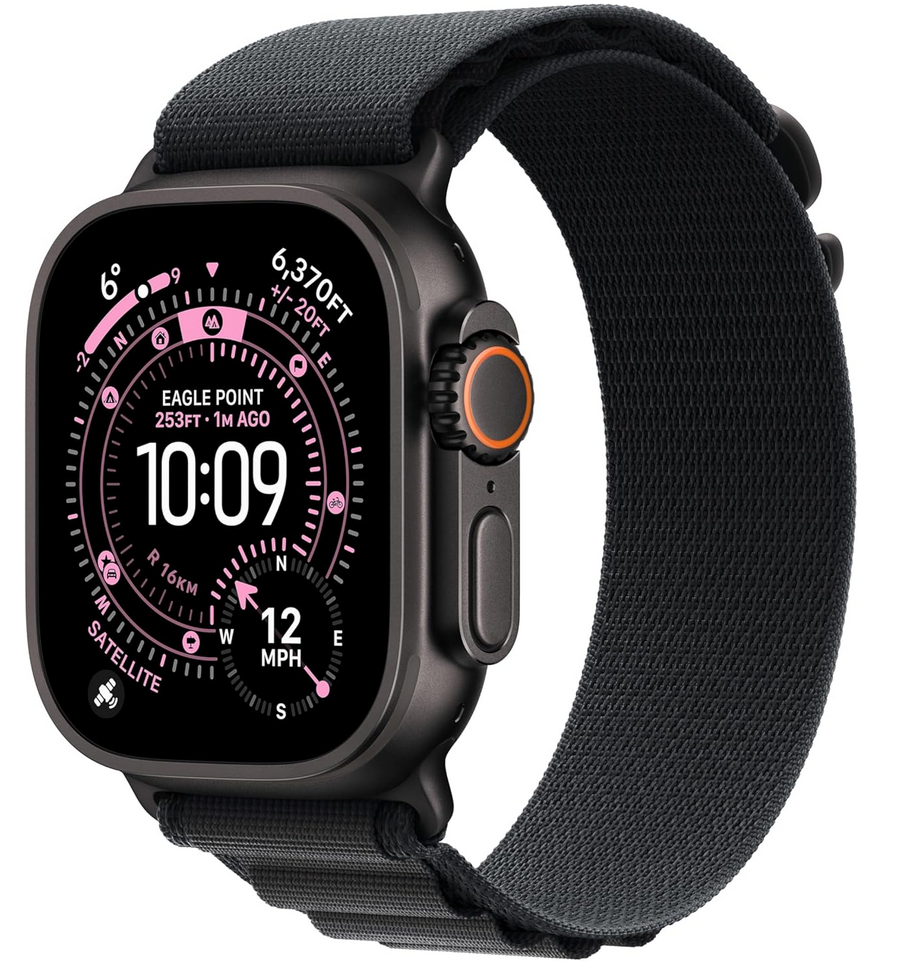
GPS accuracy for running and cycling is broadly comparable across the top-tier watches from Garmin, Apple, and Suunto in 2025-26, all using dual-frequency multi-band chips. Open-water swim GPS accuracy varies significantly; the Apple Watch Ultra 3 performed best in the site’s controlled pool and open water tests. For optical heart rate accuracy during sport, the Apple Watch leads, but a chest strap removes this as a variable for any serious athlete.
Detailed Review Links & Buy Links

Take Out – Best Triathlon Watches 2026

The Garmin Forerunner 970 is the best triathlon watch in 2026 for most athletes. It covers every triathlon-specific feature – including multisport mode, open-water swim tracking, bike power meter compatibility, and transition management – in a single device. Alternatives such as the Garmin Forerunner 570 and Forerunner 965 offer similar core functionality at lower prices for athletes with tighter budgets. A triathlon-specific watch is worth the investment if you race beyond the sprint distance. The defining feature is multisport mode, which lets you switch between swim, bike, and run tracking in sequence during a race, recording each discipline separately without stopping the timer.

Standard GPS running watches can record a triathlon with manual profile switches, but will miss auto-transition timing, open-water swim mapping, and the seamless data continuity that multisport mode provides.

Last Updated on 26 May 2026 by the5krunner


My favourite kit and nutrition

  • Maurten — the race nutrition trusted by elite athletes. Gels and drink mix engineered to be easy on the stomach.
  • Garmin 90-degree charging adapter — the small adapter that keeps your charging cable tidy at the stem. Essential for race day.
  • Garmin charging puck — the fastest and most reliable way to top up your Garmin before a session.
  • Ravemen FR300 — front light that mounts directly under your Garmin or Wahoo head unit. Keeps your bars clean and your beam pointed where it matters.
  • Garmin Varia RTL515 — radar rear light that alerts you to vehicles approaching from behind. Pairs with your Edge or Garmin watch.
  • Stryd — the footpod that brings running power to your Garmin. The single most useful running upgrade I have made.
  • Favero Assioma Pro RS2 — the power meter pedals most serious cyclists end up choosing. Accurate, easy to move between bikes.


Reader-Powered Content

Buy me a coffee

This content is not sponsored. It’s mostly me behind the labour of love, which is this site, and I appreciate everyone who supports it.

Support the site: Follow (free, fewer ads) · Subscribe (paid, ad-free) · Buy Me A Coffee ❤️

All articles are written by real people, fact-checked, and verified for originality. See the Editorial Policy. FTC: Affiliate Disclosure — some links pay commission. As an Amazon Associate, I earn from qualifying purchases.

13 thoughts on “Best Triathlon Watch – one clear winner – Garmin. But which one is best for you? [2026]

  1. I’d have put the Rival even higher on the ranking. Hey S. Laidlow, LCB and other top triathletes still use it !
    Suuntos are nice but they lack mandatory stuff as proper sensor management and custom multisport above all !

    1. I wonder if we have to stock up on watches and sensors with ANT+ capabilties while they are still available.

      Some time down the road there will be something to overcome the limitations of BT but the meantime will suck for folks with multiple bikes, computers, watches and sensors.

      Anyhow, great write up. Pointing out the strength of the Garmin while also addressing their weakpoints and showing good alternatives that are good in what they do and where they beat Garmin.

    1. Maybe the treadmill and revamped bike computers sell well enough that Wahoo got excess money to show the watch adventure some love again. And maybe not starry-eyed think they can and go after the Fenix.

      I’d personally feel more inclined to buy a plastic-y 200 to 300€ watch off Wahoo than off China based Coros. And Wahoo also got the advantage of offering the complementary bike computers. So does Coros but Wahoo’s already established on the market with theirs.

      Maybe treating a Rival 2 more like an accessory to the bike computers than a real stand alone device?

      Or they could create some shell company on the Caymans and bulk buy the Polar band to sell it as a 24/7 tracking accessory to the bike computers. xD

      1. wahoo (Rival) will find it hard to go after Garmin 965/955 let alone the fenix.
        companies have to realise the top-end tri watch space is dead to them. there’s no point in trying.

        as you say, wahoo’s significant opportunity is to leverage its hardware ecosystema and, specifically, the excellent usability of it bike computers. Coros superfically appear in a similar position but are at least 2 years behind.

        rival 1 (if they make some more) is an intersting watch. it can probably be made for about $20 and could just simply be sold as a) something to disrupt the market and boost the attention paid to the wahoo brand 2) offer an excellently-feautured core-triathlon watch for people who just want to wear it for sport. perhaps also get a bit clever at introducing recovery metrics via other QUALITY 3rd parties like, say, Eight Sleep https://the5krunner.com/2024/05/08/eight-sleep-pod-4-comparison-review-specs/, hrv4training or Oura

  2. I know that Garmin is the clear winner here and the Garmin Cult will come at me for my comments, but I do find their never-ending want to be an Apple Watch for athletes a bit annoying. The premium prices for things I would never need like music, tap to pay, and a very lackluster Garmin-like Siri are not what I need when I am running, cycling or adventuring. Plus people rave about the flashlight which is nice, but I mean……..1200 for a flashlight? That must be the most expensive consumers-love-to-buy-things-they-dont-need feature I have ever seen. I would love to have been at that product development meeting. “So ah, I think we should add something to the watch so our middle aged men don’t stub their toes when they use the bathroom in the middle of the night and we can charge extra!” I got my RovyVon flashlight on GarageGrownGear for under $40 and it is so great when backpacking and running at night. I saved so much money buying this.

    What I find refreshing about Suunto and Coros (and they lack in so so many things it is true) is that they are not constantly communicating made up non-science backed with real research papers metrics at me. Garmin is always telling me how I feel or should feel. They use bad sleep tracking as a basis for so many of their “core metrics” I get messages at the beginning of the run/cycle that tell me if I am improving. I mean……. It’s so gimmicky. If I did not run every time my Garmin said “Take it easy today” I would have a lot of days off. Can you imagine Tour de France riders adopting an all Garmin firstsense protocol?

    I guess what I am trying to say is we should all learn to run/bike/swim without machines telling us how we feel. I feel like Garmin and Apple have made an industry out of this. There was a time when we made a decision to do more than just time our runs (if we even did that) Then came the GPS. Then came the……… and on and on and on. However when I listen to pros and why they use Suunto and Coros, its because they are able to listen to their bodies and they have learned how to gauge fatigue, I am afraid we are going to lose this with a wide range of amateur and weekend warrior athletes. Sure some are paid to use those products, but if I can use Killian Jornet as an example. This is a guy who looooooves tech, but he is not playing with Garmin Training Readiness or other generic metrics he is using real tools that have clinical trials behind them. We instead latch on to fads like cold plunges Wim Hoff breathing and protocols sold to us by influencers. YouTube hucksters.

    I like that you ended the article saying that Eight Sleep, Oura, Whoop, hrv4training, Morpheus can fill gaps from companies that are not trying to do everything mediocre. With that in mind we can save so so much money. The 955 recommendation is amazing if you turn off all the fake monitoring. It’s a great watch at a good price.

    1. “Garmin Cult will come at me for my comments”
      you’ve come to the wrong site for that! 🙂 People here should hopefully realise the pros and cons of the different hardware and the differenet needs and wants of people.

      “Then came the GPS. Then came the”…i think you took that from a Dire Straits song (Telegraph Road) https://en.wikipedia.org/wiki/Telegraph_Road_(song)

      “I like that you ended the article saying that Eight Sleep, Oura, Whoop, hrv4training,” thank you for your kind words and other insights. I’ve been doing all this tech stuff for over a decade and have a pretty good steer on what works and what is made up. those products I mention are ones that I’m pretty sure are great at what they do. just as the 955 is good value and great and the triathlon things.

      1. I appreciate the nice words. I think this is one of the only places I can get real advice about sports tech. I love that you also talk about what is and isn’t science based in your writing.

        It is a love hate relationship I have with sports tech. I love shiny pretty things, but do I really need all of it?

        I would still be using my Fenix 7x if the running power and elevation was not chronically off. I think that is the 955 in a sturdier case. It was great for multi-day backpacking trips.

        Also sad to see the other article about Coros. I have been thinking about them too as we move through this new age in American “diplomacy”. Coros has come a long way even though they have borrowed a few elements here and there.

  3. Hi. I have a FR265s, and since last month the altimeter is crazy, I noticed because the watch was giving me alerts of floors climbed to frequently, so I started to pay more attention.
    I noticed that my altimeter was changing altitude even while I was seated or laying on bed.
    So I was looking for answers and saw a lot of recent reports on reddit, I read the garmin manual about this, ways to calibrate and clean, but still couldn’t solve.
    Has anyone got the same problems? Thanks

    1. i’d imagine you would be advised to clean the altimeter hole, do a manual calibration and reset the device (where possible)

      it wont be a widespread issue, so its one for garmin support

Leave a Reply

Your email address will not be published. Required fields are marked *